
Filter Post Type
NewsVideoProductEventLink
Sort:
Most Recent
1–10 of 101
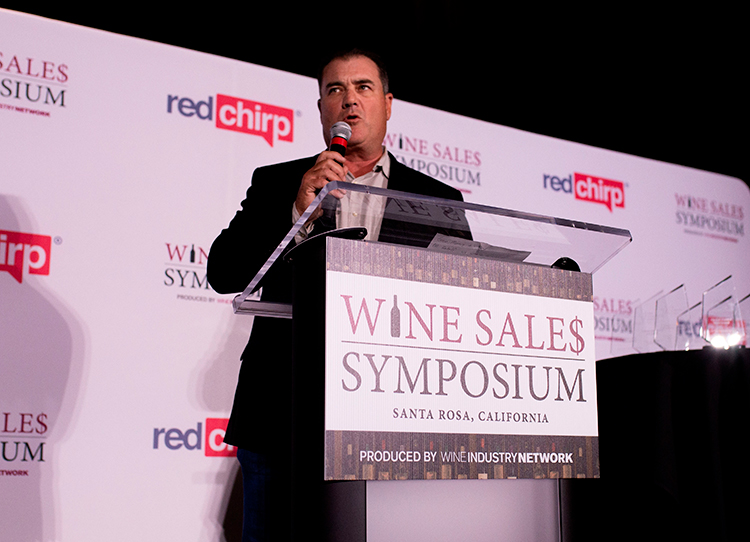
Winery leaders and industry experts explore the strategies shaping the future of wine sales. The wine industry narrative over the past two years has been dominated by decline: falling consumption, shrinking distributor portfolios, and weakening consumer loyalty. The headlines suggest an industry in freefall. But the reality is more nuanced - and more useful. Yes, overall wine consumption continues to face pressure. Consumer behavior is fragmenting in ways that challenge traditional approaches. But the full story isn’t simply decline. It’s divergence. Some wineries are still growing. Some categories are holding steady while others contract. Some sales channels are thriving while others struggle. The difference often comes down to whether wineries have adapted their strategies to match the market that exists today, not the one that existed three years ago. At Wine Industry Network’s Annual Wine Sales Symposium on May 13, Dr. Chris Bitter will present research on what’s actually happening
00
April 30, 2026

The wine market is no longer simply in a slowdown – it is in structural correction.
Distribution routes are tightening, consumer behavior is shifting, and the assumptions many wineries relied on even two years ago no longer hold. Wholesale channels that once provided stable revenue are consolidating or disappearing. Tasting room traffic has become inconsistent. Consumer loyalty has weakened.
This isn’t temporary turbulence. It’s a fundamental reshaping of how wine reaches customers and which wineries succeed in doing so.
Winery owners are facing hard questions: Should I double down on wholesale or pivot to direct-to-consumer? Do I chase new customer segments or deepen relationships with existing ones? The challenge isn’t a lack of options. It’s knowing which move to make first when resources are tight, and the margin for error is slim.
The Distribution L
00
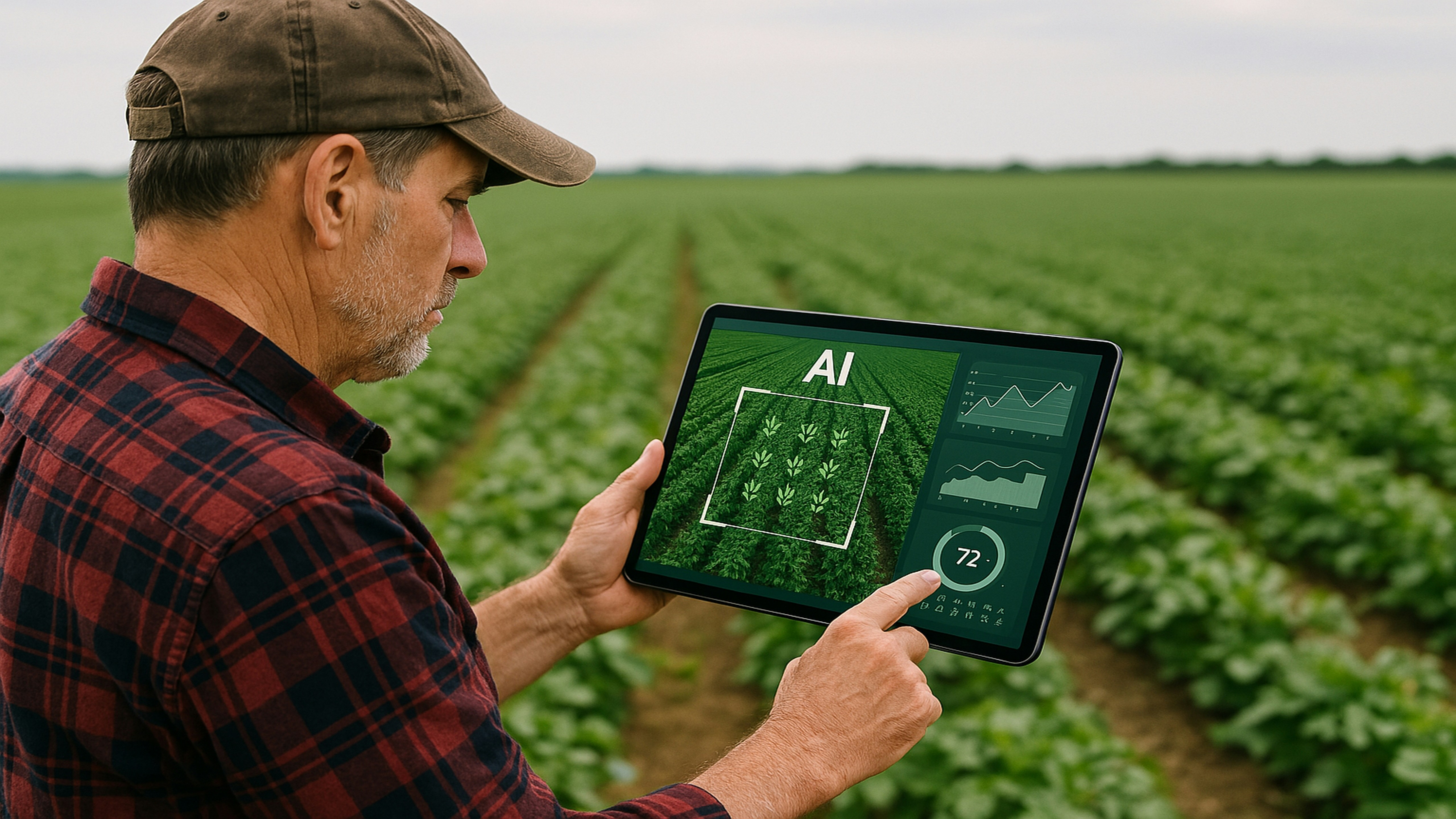
Most conversations about AI in agriculture lead nowhere. There is plenty of speculation, plenty of marketing, and very little shared understanding of how AI is actually being used inside real vineyard operations. There is no manual. No proven tools, and even fewer examples that go beyond theory. That is what makes this story different. Rather than discussing what AI could do someday, this article looks at what happened when a professional vineyard management team, operating at scale and under real economic pressure, put AI to work on the unglamorous parts of their operation: scheduling, coordination, and administrative complexity. The outcome was not what most people would expect. The biggest gains did not come from automation itself, but from what changed once friction was removed from daily work. First, You Have to Start With a Real Problem A vineyard operations leader managing large-scale acreage described a situation many vineyard operators recognize immediately: an operatio
00
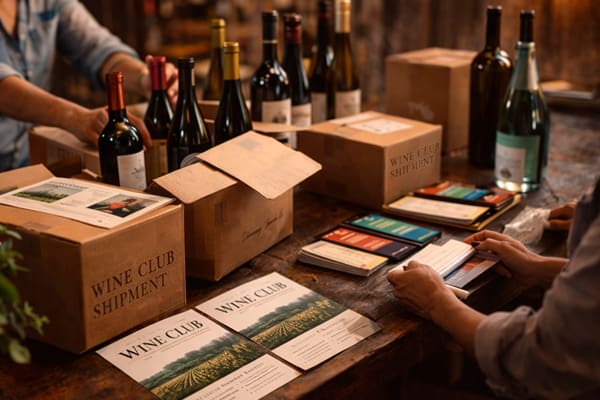
Why Wine Clubs Aren’t Working, And What’s Replacing Them For many wineries, the biggest challenge today isn’t attracting new customers; it’s keeping the ones they already have. Wine clubs once represented the most stable revenue engine for wineries. Members signed up, shipments went out quarterly, and predictable revenue flowed in. It was the foundation of direct-to-consumer success. But that foundation is cracking. Recent industry data reveals a troubling trend: nearly 40% of wine club members cancel within the first year. In a market where customer acquisition costs are climbing, and competition for attention has never been fiercer, losing members at this rate isn’t just a retention problem; it’s a profitability crisis. The math is unforgiving. If acquiring a new club member costs hundreds of dollars in marketing, tasting room labor, and incentives, losing them before they’ve generated meaningful lifetime value means wineries are bleeding money with every signup. And yet, some winer
00

Sustainability regulations are accelerating across the U.S., and wineries are increasingly in the spotlight. One of the most significant developments is Extended Producer Responsibility (EPR) - a policy shift that is redefining how packaging waste is managed and who is responsible for it. For many wine businesses, EPR isn’t a future concern, it’s already here. What is EPR? Extended Producer Responsibility (EPR) is an environmental policy that places responsibility for the end-of-life management of packaging materials on the producer. This includes the collection, recycling, and disposal of materials once they’ve been used. In practical terms, that means wineries and beverage brands may now be accountable for: The recyclability of their packaging Reporting and tracking material usage Meeting state-mandated recycling targets Paying fees or penalties if requirements aren’t met With multiple states already implementing EPR legislation—and more on the way—compliance is quickly bec
00
March 31, 2026
The tasting room used to be the heart of the winery business model. Walk-ins became club members. Club members became brand ambassadors. Revenue flowed predictably, and the formula worked. That’s changing. Visitation to wine regions is softening and tasting room traffic that wineries once counted on is declining. The cohort that’s most noticeably absent? Millennials and Gen Z, the consumers who should be building the next generation of wine loyalty. For many wineries, the drop-off has been gradual enough to rationalize. Blame the economy. Blame changing drinking habits. Blame competition from craft beer and cocktails. But the reality is harder to swallow: younger consumers aren’t avoiding wine country because they don’t like wine. They’re avoiding it because the traditional tasting room experience no longer competes with how they want to spend their time and money. And if wineries don’t adapt, they risk becoming relics of an industry that waited to
00

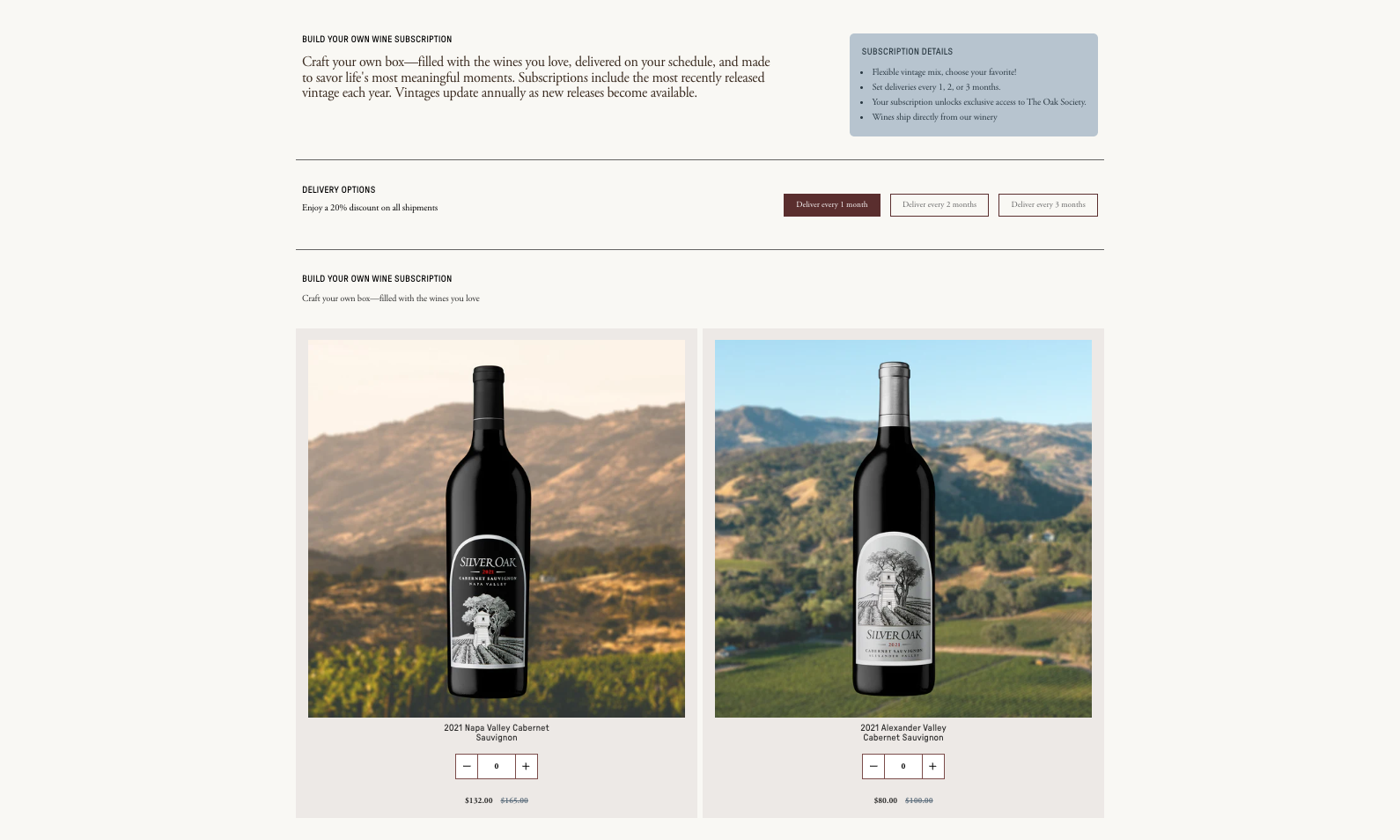
Five years ago, running a winery on Shopify meant duct-taping a lot of things together. Great for e-commerce. Okay for DTC. Difficult for wine clubs. Not really designed for tasting rooms. That's changed. The combination of Shopify's platform investments and a handful of wine-specific apps has created something genuinely new: a single operational stack that connects your tasting room, your wine club, your online store, and your loyalty program under one customer record. That convergence has real operational consequences — and it's why an increasing number of wineries are consolidating everything onto Shopify. Here's what's actually different. Your Card on File, Finally Done Right One very frustrating limitation of running a winery business on Shopify used to be simple: Shopify didn't let you vault a customer's payment card and charge it later for anything other than a subscription — not from your POS or your back office or sales team for one-tim
00
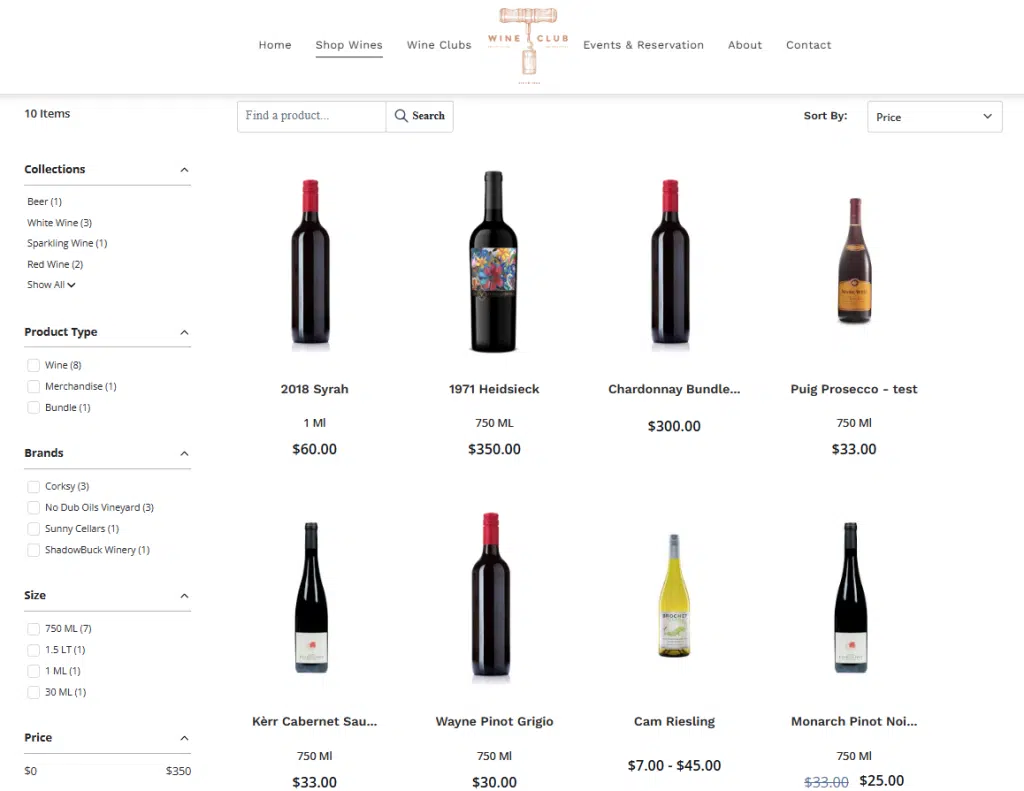
A few years ago at the DTC Wine Symposium, a panelist joked about the modern winery website formula: the guy, the dog, the truck, and the vineyard. Beautiful backdrop, strong lifestyle photography, a thoughtful founder story. Polished, absolutely. Strategically distinct, rarely. The critique wasn’t about branding. It was about structure. Most winery websites aren’t broken, but they aren’t built as decision environments either. Calls to action are unclear, revenue pathways are buried, shipping surprises appear late, and wine club often lives in isolation instead of throughout the buying journey. After auditing winery sites across regions and production sizes, the pattern is consistent: performance is constrained by friction, not effort. Most wineries don’t have a traffic problem. They have a conversion architecture problem. Before increasing ad spend or launching another promotion, run a winery website audit — on your phone. Start at the homepage and move t
00

March 6, 2026
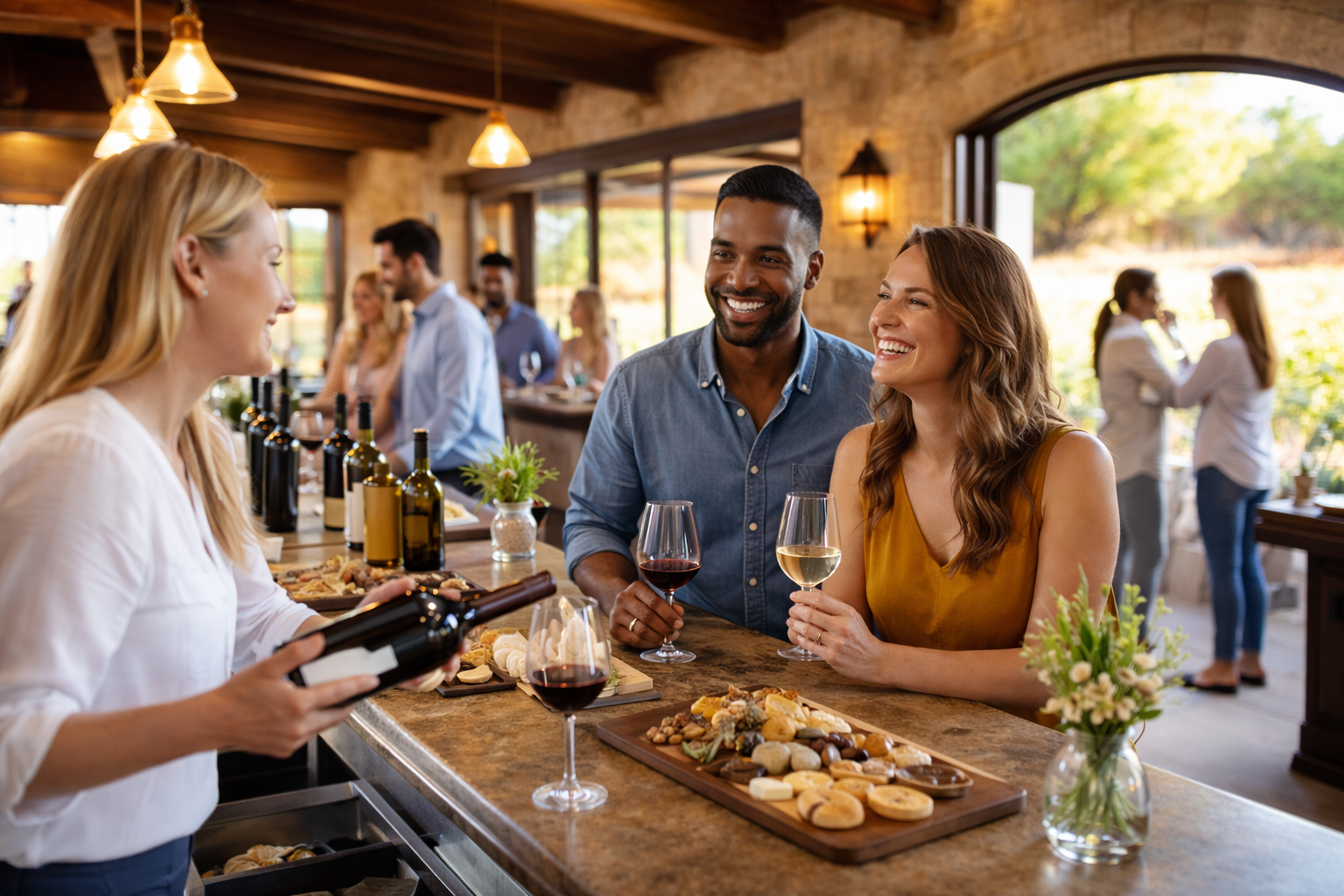
If you run a tasting room, you know this situation well. A guest has a great visit. They taste through the wines, fall in love with them, and decide to join the club. They set their shipments to pickup because naturally they are already planning their next trip back to the winery. But sometimes life gets in the way. Schedules change. Travel plans shift. Months pass more quickly than expected. Suddenly that pickup order is still sitting at the winery and now a second one has accumulated. Then the customer calls with a simple request. “Can you just ship it to me?” For many wineries, pickup orders that turn into shipping requests can create operational headaches. Staff often have to cancel orders, rebuild transactions, adjust inventory, and try to keep their winery order fulfillment and accounting records accurate. We have always believed winery software should support the way wineries actually operate. That is why eCELLAR includes the ability to convert pickup orders to shipp
10

February 12, 2026
WineDirect to Commerce7: 19% Growth in Club Customization, 50% Less Support, and the End of "Batch Day" TL;DR: Faced with manual bottlenecks on WineDirect, Hill Family Estate migrated to Commerce7 to empower their members. The results were immediate: a 19% increase in customized club shipments and a 50% reduction in support volume. Most importantly, the team reclaimed 4-5 hours of manual labour per club run by allowing their customers to customize their orders online and move to fully automated background processing. Founded by third-generation farmer Doug Hill, Hill Family Estate is a family-run operation in Napa Valley that blends deep vineyard expertise with approachable hospitality. Their winery and tasting room experiences are known for being family-friendly, intimate, and deeply rooted in the land they have farmed for decades. For Allison Negrón, DTC Manager at Hill Family Estate, the goal is always to provide a seamless, personali
00