
Filter Post Type
NewsVideoProductEventLink
Sort:
Most Recent
1–10 of 30
Vibes more positive, not yet the hard facts and figures An unseasonably warm start to spring in California has accelerated vine development in the growing areas to a marked extent: This month’s report relays the latest news from the vineyards – and how it may, or may not, affect the bulk wine and grape markets – and delves deep into the California Department of Food & Agriculture’s Preliminary Grape Crush Report for 2025, published last month. The state’s smallest winegrape harvest in 26 years, combined with some improved mood music regarding case-good sales – if lacking hard figures to support it – has helped create a feeling that the wine industry is headed in the right direction. Before the sunlit uplands are reached, however, more painful rightsizing must occur, and we continue to see vineyards removed and mothballed, crush and storage capacity taken offline, and companies shrinking, merging, or shuttering altogether. In the shorter te
00
September 12, 2025

The 2026 edition of Verallia’s Trend Book developed in collaboration with Carlin Creative, highlights deep and lasting transformations in consumer behaviors across the food and beverage sectors. Consumers increasingly seek authenticity, functional benefits, and formats that foster togetherness. These shifts are prompting brands to view packaging not merely as a container, but as a strategic asset at the heart of their relationship with consumers. Profound and lasting market shifts The food and beverage industry is undergoing structural change. This particularly evident in wine and spirits, where moderation has emerged as a defining global trend. At the same time, new categories are gaining traction, most notably no-and low-alcohol beverages, which are expected to grow by 7% annually between 2023 and 2026 (IWSR, 2025). This reflects a broader cultural shift: moderation is no longer a marginal trend or limited to younger demographics, but a mainstream behavior across generat
00
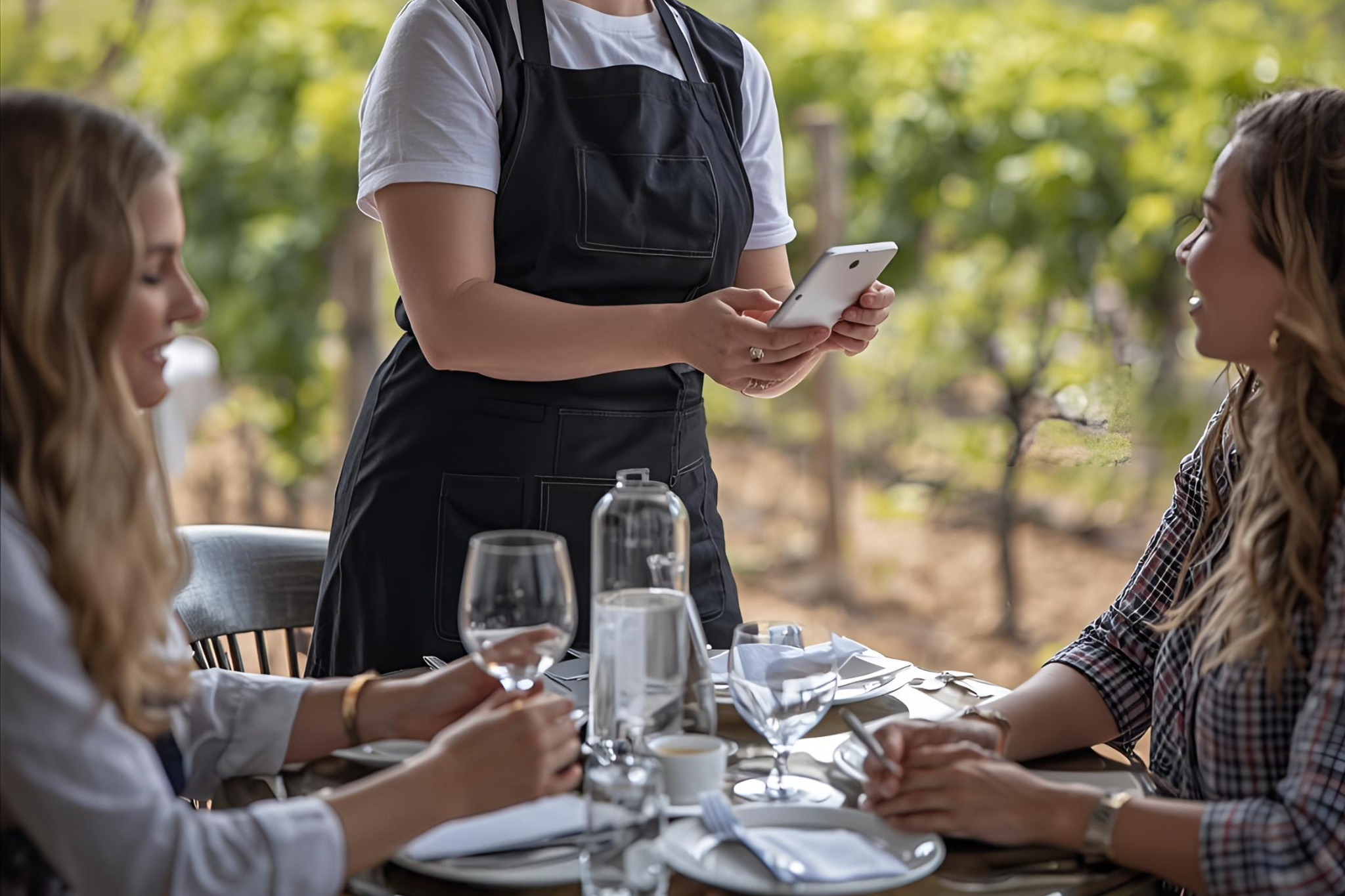
Great wine brings people to your winery. Great service brings them back. And today, nothing elevates service like a Point-of-Sale (POS) that lets you meet guests anywhere, from the vineyard lawn to a bustling festival. In today’s DTC landscape, the tasting room is no longer the only in-person touchpoint that matters. Wineries are hosting vineyard tours, pouring at festivals, working farmers’ markets, and even running golf-cart service to meet guests where they are. But here’s the problem: too many wineries are stuck with outdated point-of-sale systems that can’t keep up. If your team is tethered to a counter or juggling multiple systems, you’re not just slowing down service—you’re losing sales, missing data, and eroding customer trust. The solution? A mobile POS for wineries that makes every interaction seamless, personal, and connected. Why Flexibility Matters in Winery Service Hospitality is the heartbeat of any winery. Guests expect warm, pe
00


Afternoon Brief: Natural Cork Council Applauds US-EU Trade Agreement Seeking Cork Tariff Exemption
The Natural Cork Council announced its support today for the Trump administration's signing of a trade agreement between the United States and the European Union that exempts natural cork products from additional tariffs...
00
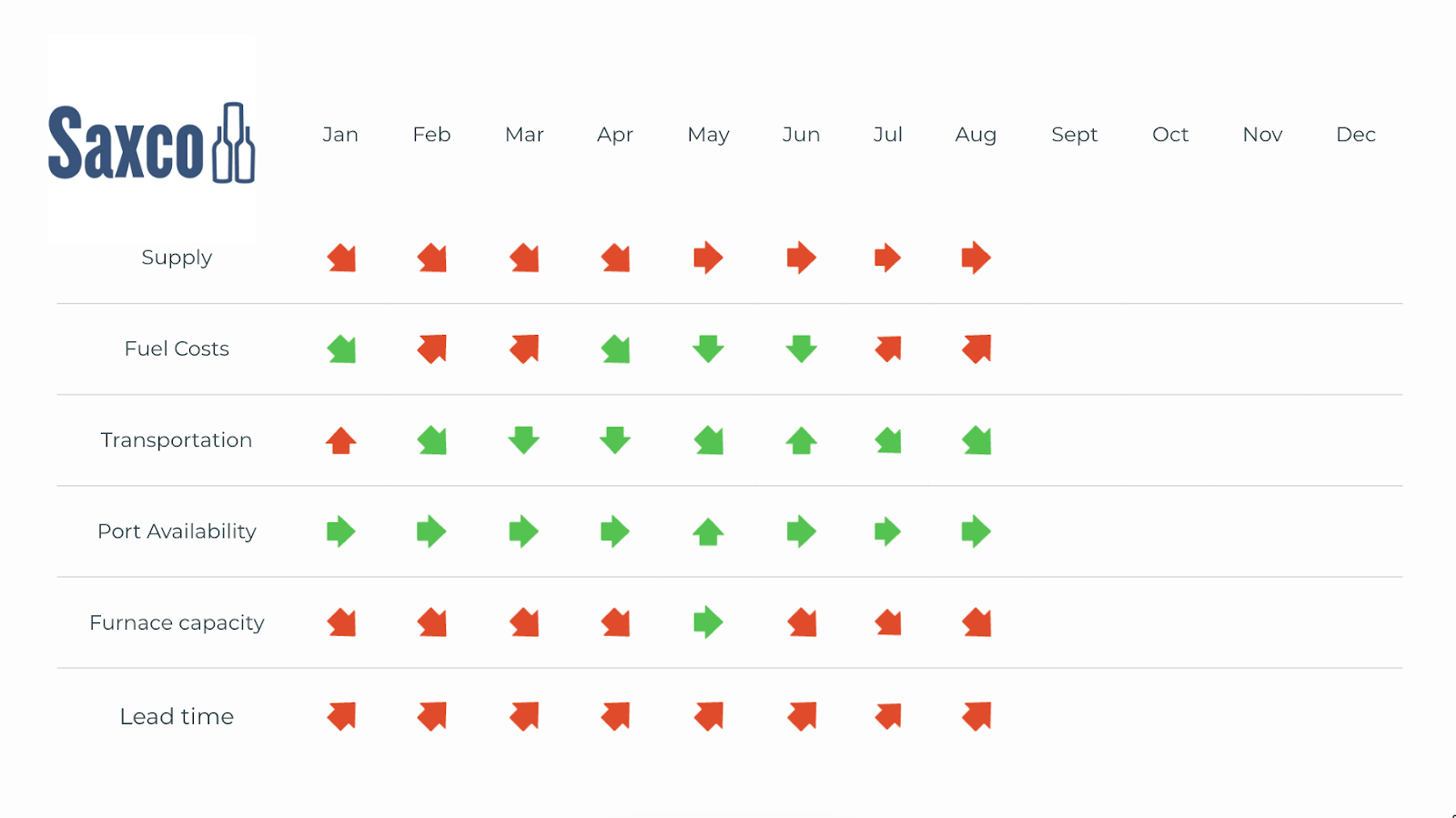
July's supply chain landscape feels deceptively calm, but the undercurrents are shifting. Fuel costs ticked upward again – $3.599 to $3.779 per gallon – putting quiet pressure on logistics, even as transportation costs eased with the surprising disappearance of peak season surcharges. That dip is a welcome but likely temporary reprieve. On the production side, capacity continues to tighten: OI’s Portland plant has officially closed, and two additional furnaces are scheduled to go offline, which continues to raise concerns about domestic supply heading into the back half of the year. Lead times have not budged from June’s elevated levels, but with fewer furnaces online, we are likely to see that stress compound by fall. Ports remain neutral, and overall supply feels steady – but for now, it is a still surface over increasingly strained infrastructure. Tariff watch: The rules are changing The new US tariff rates announced on July 31 mark a signifi
00

July 2, 2025
The clink of glasses, the warmth of late afternoon sun across the vines—these are the moments that define a winery. But digital marketers can get stuck in the rut of Facebook posts and Instagram stories that have become repetitive and rote. How do you translate the sensory magic of a tasting room into strategies that make visitors show up in person? Take a look at some marketing channels that are not as used by wineries, where old-school storytelling and next-gen tech converge to give you a competitive edge. Connected TV: Your Vineyard in 4K Another banner ad, another still photo, another yawn. Sometimes the channel itself can leave you feeling confined to content that lacks vitality. If you’re facing that, and you’ve got the budget, think about going big on video and distributing it via Connected TV.. Connected TV (CTV) lets you beam the romance of your winery directly into living rooms, framed by the cinematic power of streaming. Think smart TVs, Roku, Apple TV&
00

Here’s the thing about email: it’s not just another marketing channel. It’s the channel. Unlike social media or paid ads, where you’re renting space and fighting for attention, your email list is yours. You own it. You control it. And when done right, it’s the most reliable way to turn curious visitors into loyal wine club members. But to make email marketing work, you need one thing first: a strong, healthy, growing subscriber list. And that’s where your website comes in. Let’s talk about how to build a subscriber list that works as hard as you do, turning casual visitors into wine buyers and wine buyers into wine club members. Why Email is Non-Negotiable Every ad you run, every social media post you make, it’s rented attention. Platforms change. Algorithms shift. Costs go up. But your email list? That’s yours forever. And it’s not just any list. These are people who’ve already raised their hands and said, I’m i
00
Several economic outlets, including Forbes and Reuters, are signalling a potential U.S. recession in 2025. While no forecast is certain, savvy business owners know that waiting to react is never the right move. Here are 5 key tips to help your business prepare now: 1. Review and Reduce Discretionary Spending Assess every expense. Cut or pause anything not directly contributing to revenue generation, customer retention, and employee retention. Strength your P&L and preserve cash without sacrificing core business operations. 2. Lower Debt and Engage with Your Lender Eliminate high-interest debt where possible and avoid taking on new obligations unless strategic. More importantly, proactively communicate with your lender to ensure your relationship is strong should you need support later. 3. Strengthen Client Relationships Stay visible. Check in. Show value. In tighter markets, businesses that retain customer trust are the ones that survive, and often thrive. Don’t wa
00
July 1, 2024
LibDib SaaS Division’s Proven Technology Gains Traction with Midsized Wholesalers Across the Country San Jose, CA, and Nashville, TN, July 1, 2024ð‘‹LibDib is pleased to announce that Best Brands has implemented LibTech’s innovative ordering and reporting platform as part of an ongoing digital transformation initiative. LibTech provides comprehensive experiences for numerous stakeholders, including: Best Brands Sales Teams: Providing on and offline sales ordering capabilities including access to real-time pricing and availability information, a collaborative Sales Customer shared cart, sell sheets, and lists. A Robust Distributor Data Experience: Dashboards, reporting and analytics to easily manage sales teams’ daily routes, activities and goals. “LibDib has proven to create the best online and offline experience for the distribution industry,” said Ryan Moses, Chief Executive Officer, Best Brands. “I am thrilled to wo
00

ALL ABOUT ACQUISITION & DATA With summer here we've wrapped up the winter/spring conferences. This year we’ve noticed two trends. First, every conference seems to have at least one session on the importance of understanding your customer. If there is anything we’ve learned since COVID is that customers are precious and treating them with deliberate consideration with the goal of fostering a genuine connection with your audience not only helps you with the immediate sale at hand but saves you time and money on future sales. Then how do you explain the second noticeable theme this year which is the continual chorus of wineries looking to acquire customers? How are these two seemingly unrelated threads tied together? The answer lies in the insight that to find the right consumers externally, you need to be aware of who your best customers are internally. Here are five key tips and best practices to help you create and foster a genuine connection with your audience to e
00