
Filter Post Type
NewsVideoProductEventLink
Sort:
Most Recent
1–10 of 52

March 16, 2026
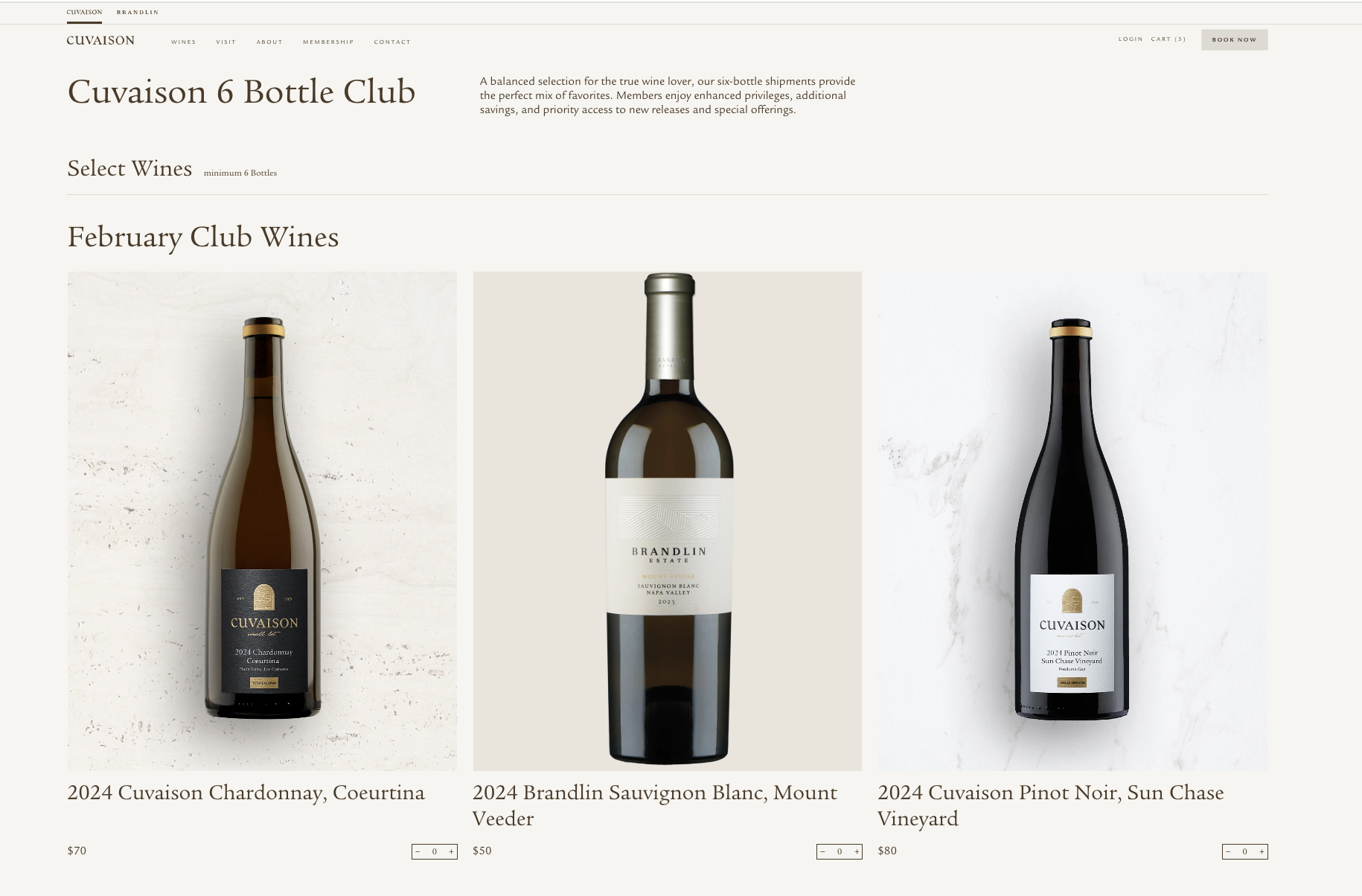
For a long time, the standard wine club model was simple: you pick the wines, you set the price, members sign up and receive what you ship them. Curated. Chef's kiss. Non-negotiable. That model still works — for the right clubs and the right member base. But the world has shifted. Members who joined in the past few years have been shaped by Amazon, Stitch Fix, and a dozen other subscription experiences that gave them control. They've come to expect customization as the default, not a premium. And the data backs this up. Wine clubs that offer member customization see measurably lower churn, higher average order values, and stronger long-term engagement. Not because flexibility is inherently better — but because it removes one of the most common reasons members leave. The Cancellation You Could Have Prevented When you look at why wine club members actually cancel, a consistent pattern appears: "I already have too much wine." "I don't dr
00
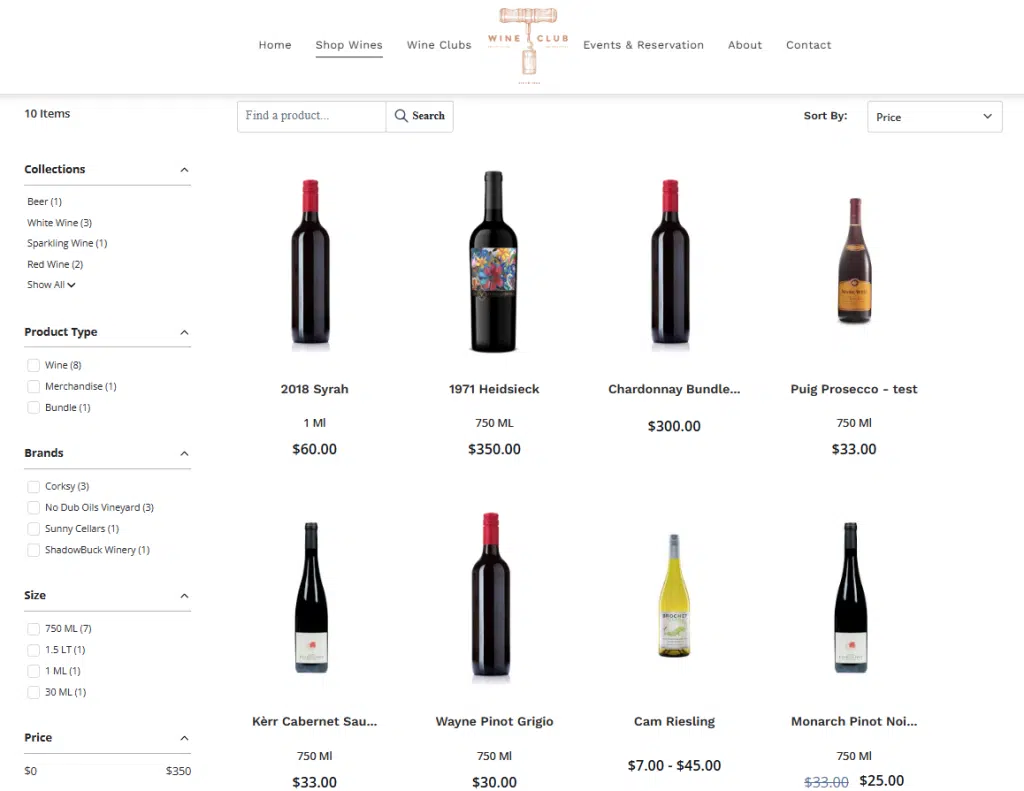
A few years ago at the DTC Wine Symposium, a panelist joked about the modern winery website formula: the guy, the dog, the truck, and the vineyard. Beautiful backdrop, strong lifestyle photography, a thoughtful founder story. Polished, absolutely. Strategically distinct, rarely. The critique wasn’t about branding. It was about structure. Most winery websites aren’t broken, but they aren’t built as decision environments either. Calls to action are unclear, revenue pathways are buried, shipping surprises appear late, and wine club often lives in isolation instead of throughout the buying journey. After auditing winery sites across regions and production sizes, the pattern is consistent: performance is constrained by friction, not effort. Most wineries don’t have a traffic problem. They have a conversion architecture problem. Before increasing ad spend or launching another promotion, run a winery website audit — on your phone. Start at the homepage and move t
00
NAPA, Calif., (Nov. 26, 2025) – VA Filtration Services’ Scientific Approach, Innovative Solutions from Napa Valley At VA Filtration Services, our mission is to empower winemakers to produce wines of the highest sensory quality. One of the challenges in modern winemaking is managing undesirable levels of pyrazines, particularly methoxypyrazines, which can impart green, herbaceous aromas that mask fruit character and complexity. Winemakers are left with two options: cover up the pyrazine (and potentially other attributes) or remove it through advances in pyrazine remediation practices. The Problem: Pyrazines in Wine Methoxypyrazines are naturally occurring compounds in certain grape varieties, such as Cabernet Sauvignon and Sauvignon Blanc. While subtle concentrations can add a sought-after freshness, excessive amounts lead to pronounced bell pepper and grassy notes, often perceived as faults—especially in premium reds. Often pyrazines present in wine due to enviro
00
November 24, 2025
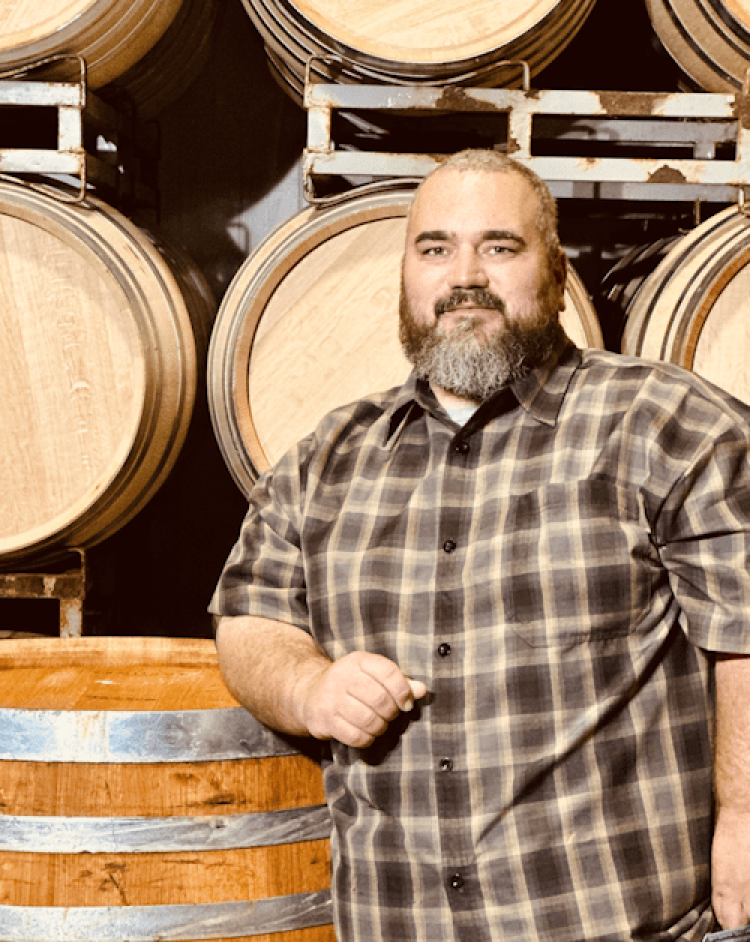
Walk into almost any winery this week and you’ll see the same thing: equipment everywhere, barrels tucked into every open spot, and crews doing their best to move fruit through a cellar that already feels packed. Harvest always brings some level of chaos, but this year the space squeeze seems to be hitting harder than usual. And when the cellar is this tight, it quietly changes how winemakers make decisions. Not in big, obvious ways — but in the small, practical choices that add up over the course of a vintage. That’s where the hidden costs start to show themselves. 1. Lots Are Being Shifted Earlier Than Planned A full cellar forces movement. Not thoughtful, deliberately timed movement — just movement. When every open vessel is already promised to incoming fruit, winemakers end up: racking earlier transferring before a lot is truly settled finishing fermentations in whatever vessel is available consolidating lots sooner than planned None of these decisions a
00

Sustainability has become a core focus across every industry sector lately, but, as lovers of the traditional, the wine and spirit industries are behind the curve on implementing sustainable glass packaging. According to the IWSR, 48% of American alcohol drinkers say that a company’s sustainability or environmental initiatives positively influences their purchasing decisions. Furthermore, according to a report by the global decision intelligence company, Morning Consult, 7 in 10 American adults would consider purchasing from a food and beverage brand that prioritizes sustainability, the highest share across all industries. In the face of ongoing environmental concerns, a growing number of media stories have cited the need for our industry to find a more sustainable package solution. And the call is validated by consumer demands. We are seeing the emergence of a new category of wine consumer: the environmentally-conscious consumer, who is choosing wines and spirits based on the s
00


In our most recent Free Training Friday, we focused on one thing: helping wineries convert holiday browsers into buyers. With peak shopping season approaching, this session was all about small, actionable tweaks you can make right now to ensure your site is ready when customers start searching for gifts. 1. Make Holiday Intent Obvious When shoppers land on your homepage, they're looking for one thing: the confidence that you can help them find (and ship) the perfect gift on time. That's why it's so important to give them clear visual and navigational cues that say, "Yes, we've got you covered." That doesn't mean covering your site in red and green. Instead, aim for subtle seasonal touches that align with your brand, like warm seasonal messaging, photography, or gift-centric cues. Two Key Updates to Add Now: Shipping Timelines: Clearly state cutoff dates ("Order by Dec 18 for delivery by Dec 24"). Corporate Gifting Entry: Include an entry po
00

Why Is Glass Bottle Packaging Important? Wine can be packaged in a variety of ways; however, consumers continue to prefer the conventional glass bottle packaging format, which is by far the most popular. Although glass bottle packaging has less flexibility in its ability to capture attention than labels , it can still convey a lot of information to the consumer and increase brand standout in-store. Purchasing wine is seen as having a high level of risk. People don’t want to risk purchasing wines that result in poor wine quality, financial risk, or social embarrassment. Therefore, consumers search for information when browsing in-store to lower risk: price, varietal, region, brand/winery, or in-store recommendation. The majority of people who aren’t particularly interested in wine conduct their informational searching in-store and rely primarily on visual cues. A customer is more likely to buy wine if they recognize the brand name or have already tried it. Factors like
00

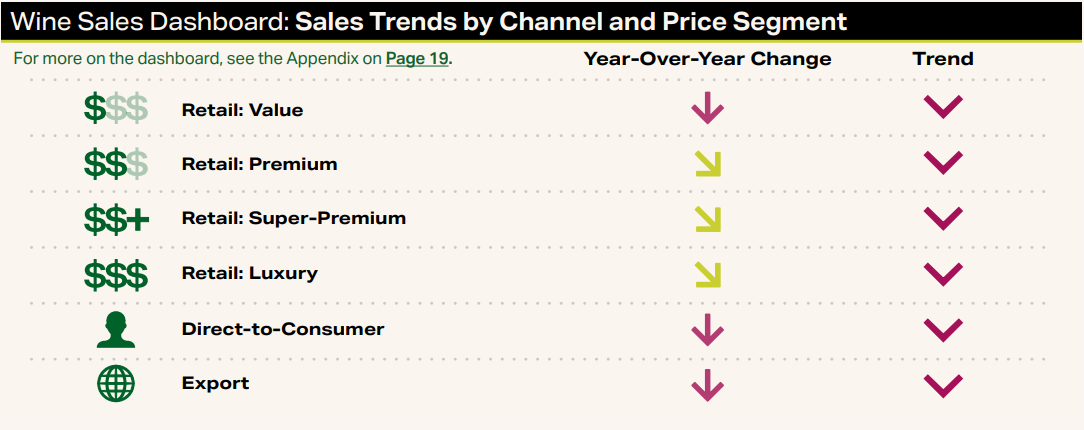
Price-sensitive consumers have kept a lid on wine sales this year, while grape sales are likely to remain slow. As for the moderation movement, a range of factors are contributing. It was a disappointing first half of the year for U.S. wine sales as a shaky economic backdrop quashed the signs of progress that were evident in late 2024. Nonetheless, there has been modest improvement in some areas since spring. Retail wine sales fell across price segments in the first half but declined at a slower pace in the second quarter than in the first (see Page 3). Following a bleak first five months of 2025, direct-to-consumer sales, while still down, firmed in June and July. Alternatively, exports deteriorated markedly in the second quarter as shipments to Canada collapsed. Unfortunately, I am not expecting much improvement in the near term. The economic outlook remains murky, but the Terrain team believes that slow economic growth, a gradually eroding labor market, and sticky
00
August 28, 2025

Every member of your club is not exactly the same. So why are you treating them that way? The typical winery sends identical emails to every member of their club, from the first-time joiner who discovered you last weekend to the loyal patron who's been with you for a decade. The result? Generic messaging that resonates with no one. Segmentation, the practice of dividing your audience into meaningful groups based on shared characteristics, isn't just marketing jargon. For wineries, it's the difference between treating members like transaction numbers versus building relationships that keep them enrolled for years. In this guide, we'll explore practical segmentation strategies that don't require a data science degree—just your existing CRM tools and a willingness to see your members as individuals rather than a homogenous list. The Problem with "One Size Fits All Wine Club Communications The allure of the single-list approach is obvious: it's fast, it&#
00
August 5, 2025
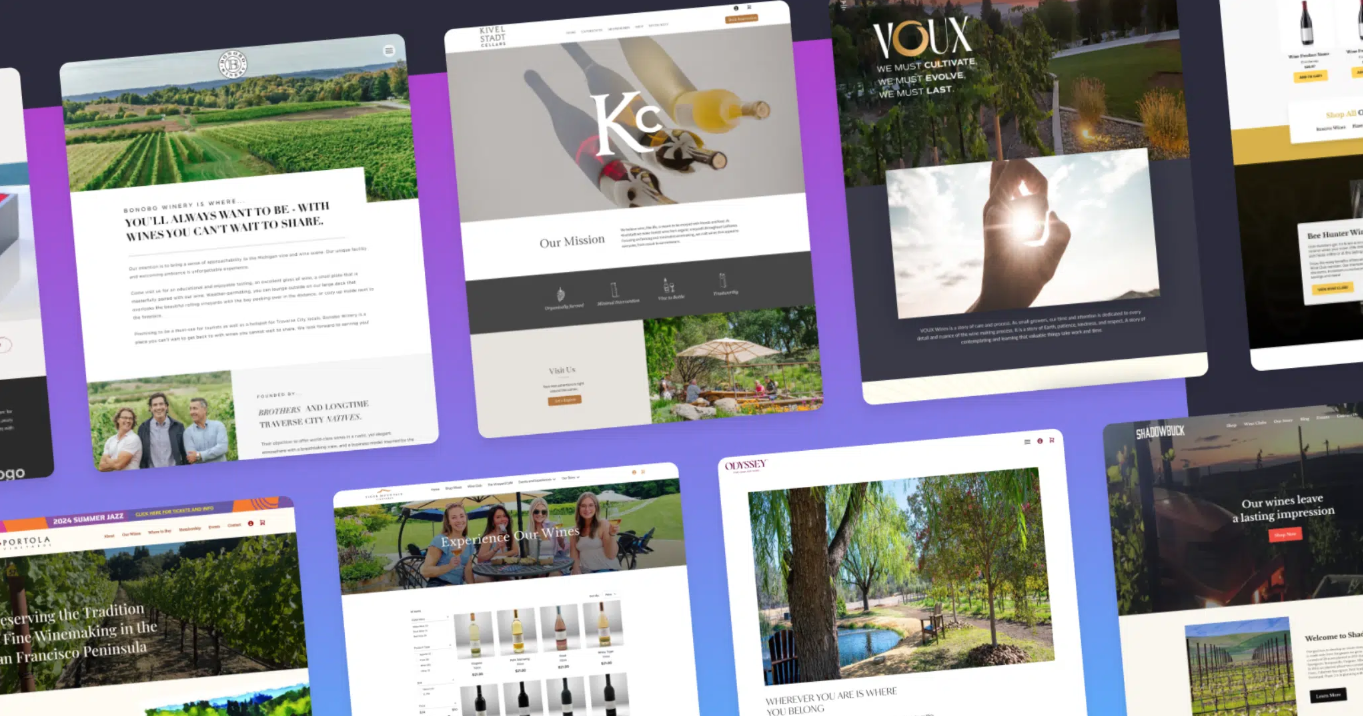
Stunning homepage photography. A poetic paragraph about the vineyard. Elegant design. But then… nothing happens. No shop activity. No wine club signups. No urgency to buy. No navigation to guide the visitor on where to go next. And if someone does find the shop or club page, they’re met with a clunky checkout or sign-up form that feels like an obstacle course, especially on mobile. This is where so many wineries fall short. Your winery website isn’t just a digital brochure; it’s your hardest-working DTC sales channel. When it’s built and optimized the right way, it’s selling wine, growing your club, booking visits, and telling your story 24/7. When it's not? You’re losing potential revenue every single day. The good news is that these problems aren’t permanent. They’re fixable, and we’ve seen wineries transform their online performance in just a few weeks once the right changes are made. After conducting hundreds of winer
00