
Filter Post Type
NewsVideoProductEventLink
Sort:
Most Recent
1–7 of 7

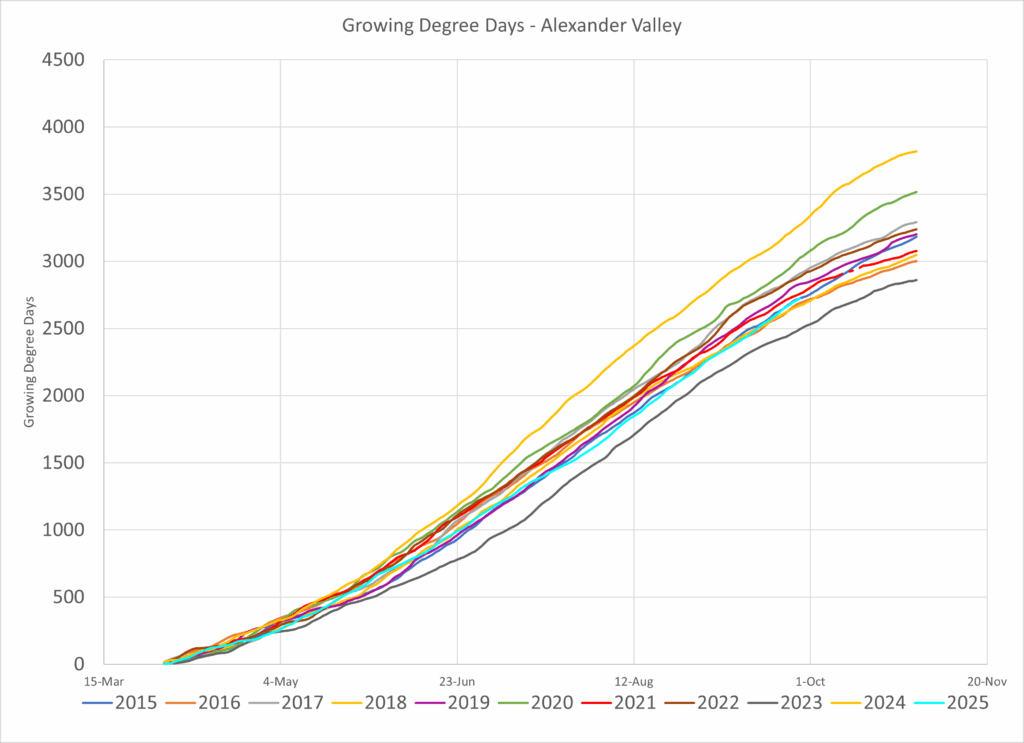
If this year is defined by a singular emotion, it’s anxiety. That’s nothing new in farming, however I’m talking about anxiety over the abysmal grape market rather than any natural phenomenon. Many of us were so busy scrambling for buyers, we may have forgotten to notice just how great the weather has been. Why wouldn’t we get handed a great year when most of us can’t sell any grapes? Let’s look at some numbers My gut feeling was that 2025 was similar to 2023 with a few big differences. 2023 saw some record high rainfall in the winter and early spring throughout California. Even the Paso Robles area got around 21” of rain from July 1st 2022 to July 1st 2023, up from a whopping 6.5” the year prior. That amounted to lots of nice canopy development early in the year and some good yield potential, provided you didn’t get shatter during the chilly springtime. This year however, the Central Coast was back to a measly <7” of rain w
00

July 2, 2025
The clink of glasses, the warmth of late afternoon sun across the vines—these are the moments that define a winery. But digital marketers can get stuck in the rut of Facebook posts and Instagram stories that have become repetitive and rote. How do you translate the sensory magic of a tasting room into strategies that make visitors show up in person? Take a look at some marketing channels that are not as used by wineries, where old-school storytelling and next-gen tech converge to give you a competitive edge. Connected TV: Your Vineyard in 4K Another banner ad, another still photo, another yawn. Sometimes the channel itself can leave you feeling confined to content that lacks vitality. If you’re facing that, and you’ve got the budget, think about going big on video and distributing it via Connected TV.. Connected TV (CTV) lets you beam the romance of your winery directly into living rooms, framed by the cinematic power of streaming. Think smart TVs, Roku, Apple TV&
00
December 17, 2024

Activations Will Bring Sonoma County Wines to One of California’s Fastest Growing Regions Building on its growing success in bringing world-class Sonoma County wines to new and divergent audiences, Sonoma County Winegrowers has announced it has agreed to become the official sponsor for Acrisure Arena and the Coachella Valley Firebirds. “This is an exciting new opportunity to showcase and share our Sonoma County wines in a vibrant community with people who clearly love the arena and the team,” said Karissa Kruse, president and chief executive officer of the Sonoma County Winegrowers. She added, “Our focus is to reach new audiences in different settings to create memorable experiences and with this new partnership we will accomplish that in a big way in the Coachella Valley.” Acrisure Arena is a world-class entertainment venue strategically located in the Coachella Valley in Southern California within 90 miles of more than 8.5 million residents. Since
10
May 24, 2024
The 3rd annual Healdsburg Wine and Food Experience was a weekend-long celebration that featured the best of Sonoma County and world-renowned food and wines. This year's festival showcased the region's makers – farmers, growers, winemakers and chefs – alongside globally recognized wines, highlighting the vibrant culinary diversity, deep connection to agriculture, and sustainable farming practices of Sonoma County. HWFE is deeply involved in the Sonoma County community, making substantial donations from this year’s ticket sales and sponsorships to local organizations that make a meaningful difference in the lives of farmers and their families, including the Sonoma County Fundación de la Voz de los Viñedos. These funds will help support the Leadership Academy and workforce development for vineyard employees and their families, fostering future leaders in both the industry and the community. As well as being co-founders of HWFE, Sonoma County Winegro
00


OUR FIVE TOP MARKETING PRIORITIES FOR 2024 TACKLE THE NEW YEAR LIKE A BOSS If you’re like most of us, the holiday marketing campaigns are well underway, and you’re now focusing on next year’s budgets and plans. Choosing your marketing priorities for 2024 is a bit like assembling IKEA furniture—you’re looking for simple, clean lines and straightforward instructions. But, you soon realize you are missing some tools to assemble the Järvfjället and wonder if you should have gone with the Ödmjuk instead. So grab your metaphorical Allen wrench, and let’s build a marketing strategy that’s as sturdy as it is stylish, with just the right amount of snarky commentary along the way. 1. KNOW THY CUSTOMER Your customers aren’t generic – they are unique and won’t be won over by vague, generic messages. If you write copy like everyone else and post the same boring stock bottle shots like everyone else, it’s like you&
00

April 25, 2023

Afternoon Brief, April 25th
Vintage Point LLC Files Lawsuit Against Bacchus Capital Management Over Bill: A wine broker has filed a lawsuit against a wine company over a bill exceeding $157,000, according to court records...
00
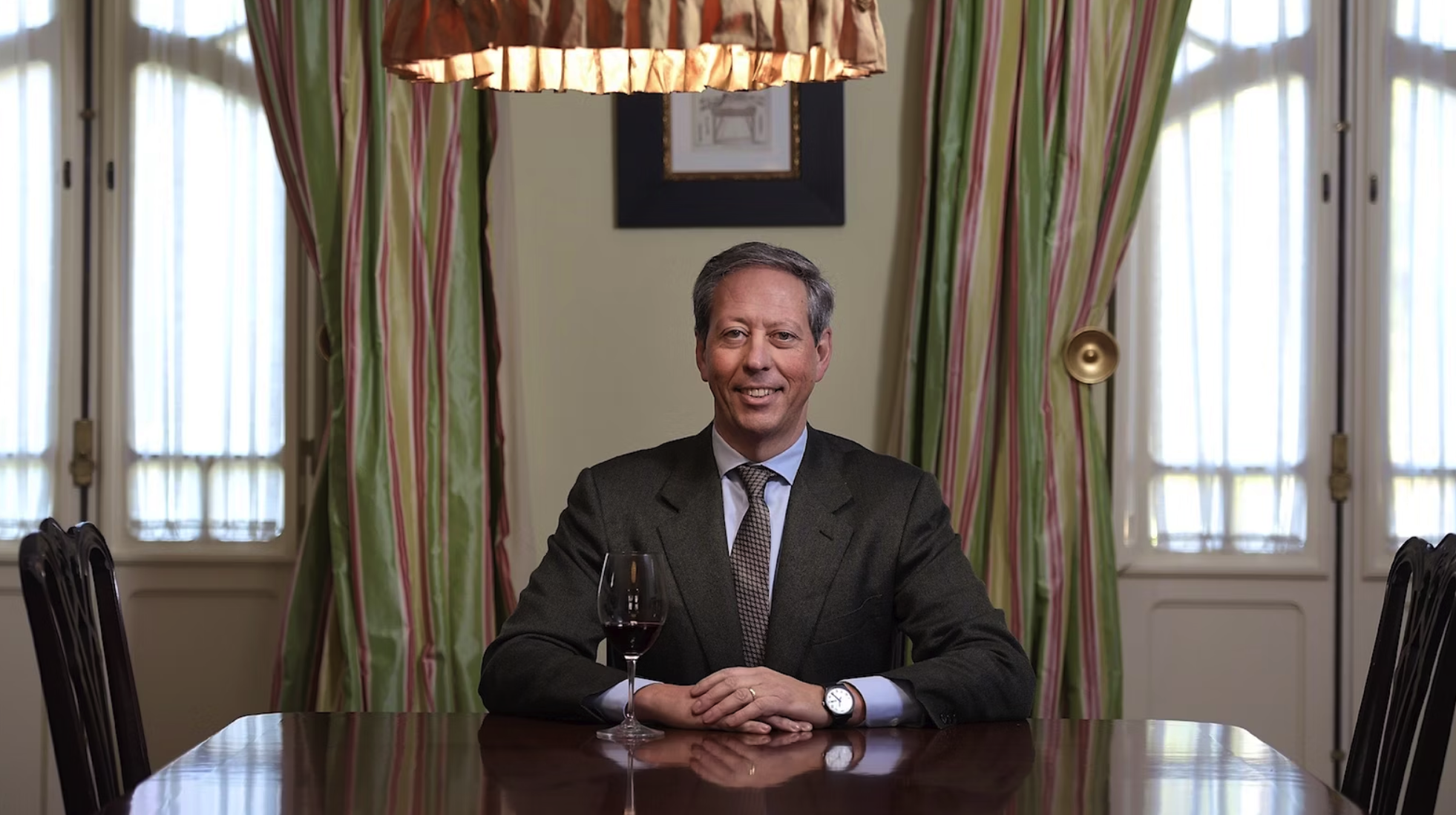
How have natural corks stayed on top of the wine world? Antonio Amorim’s efforts to make the cork business more innovative and sustainable have a lot to do with it Antonio Amorim has seen the closure industry change dramatically during his two decades at the helm of his family's 150-year-old cork business. (Courtesy of Amorim Cork) For centuries, cork has been the primary method of closing wine bottles. Then in the late 20th century came cheaper stoppers and—though not without some controversy—the value end of the market was suddenly awash in bottles topped with colorful plastic “corks” or metal screwcaps. That would have been alarming enough for a family cork business founded in 1870. But at the same time, high-end wineries were facing a problem with TCA taint, which could make wines smell and taste like musty cardboard or—in a way even worse for the producers—muted and boring, without being obviously flawed. The problem was largely blam
00