
Filter Post Type
NewsVideoProductEventLink
Sort:
Most Recent
1–7 of 7

Hello WIN community! Jim Drake here, founder of PromoLab. PromoLab is a Pacific Northwest–based digital commerce and marketing consultancy focused on wineries and wine-adjacent brands. For more than 25 years, I’ve worked at the intersection of web development, ecommerce, branding, and operations, helping wineries turn their digital presence into something that actually supports how they sell wine day to day. Much of our work centers on connecting tasting rooms, wine clubs, and online sales into a single, cohesive system, rather than a collection of disconnected tools. That means thinking beyond websites alone and into real-world winery realities: compliance, fulfillment, POS workflows, inventory, reporting, and long-term scalability. I’ve had the privilege of working closely with Washington wineries for decades, including long-standing relationships with producers like Quilceda Creek and many others across the region. That experience has shaped how PromoLab work
00

December 18, 2024

Afternoon Brief: NASEM Report Affirms Benefits of Moderate Drinking
The first of the two alcohol studies that will inform American drinking guidelines has been released...
NASEMSanta Barbara County Association of VintnersClos Pepe VineyardNational Grape Research AllianceLivermore Valley Wine CommunityGaragiste Wine FestivalNashville Wine AuctionFull Cup SolutionsItalian Wine PodcastWineGBVinexpo Wine Paris 2025Sonoma County WinegrowersNorthwest Wine ReportMeininger's InternationalNapa Valley VintnersJaime AraujoTrois NoixSchatzi ThrockmortonRelic Wine CellarsEd MatovcikRobert Mondavi WineryBart WatsonBrewers AssociationPatrick CranleyShanghai Wine SocietyMaura CowanCorby Spirit and WineHal WilsonCambridge Wine MerchantsWineShippingGlobal PackageVineyard TeamAndavi SolutionsCastle Rock WineryNew York Wine & Grape FoundationDr. Konstantin Frank WineryBonny Doon VineyardGiesenOpici Wines & SpiritsKaren MacNeil
00
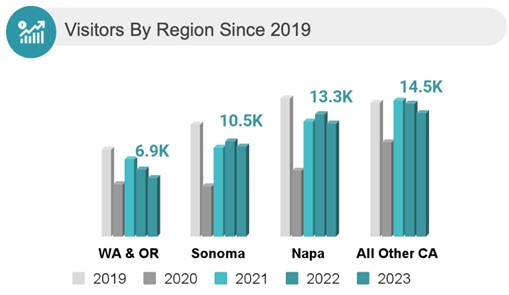
I know the rent is in arrears The dog has not been fed in years It’s even worse than it appears But it’s alright… …We will survive While Jerry Garcia may have sung it nearly 40 years ago, it bears repeating. The news is full of doom and gloom for our beloved industry, but, as always, we will survive. Let’s look for the silver lining and the touch of grey in the headlines. First, visitation is up, down, or flat, depending on the source. At WISE, we work with many partners, but we appreciate what Community Benchmarks brings as a partner because the program offers the broadest view of a region. Given that the platform is POS agnostic, and the sheer number of wineries reporting (over 500 wineries), we look to their data for the weathervane. Let’s compare the last two “normal” years – 2019 and 2023. By doing this, we minimize the noise that was 2020-2022. We will look at data provided by Community Benchmarks for Visitation, C
00
A brand’s journey to sustainability is never complete as it works to stand out and challenge expectations of the norm. As the years progress, companies of all sizes are aiming to do just that, with a focus on sustainability for better health, improved community, and a brighter future. “Pro-environmental actions, such as recycling, have great potential for the industry as a whole to be more sustainable,” notes Jon French, O-I’s Wine Category Sales & Marketing Director. The wine industry has made progress in reducing greenhouse gas (GHG) emissions, but pressures continue to rise for businesses to take more action founded in sustainable behavior. Wineries of all sizes continue to view every decision with a sustainable lens. Let’s take a closer look at the ways your winery can reduce its carbon footprint. Choose Local Of all steps in the supply chain, transportation accounts for 90% of greenhouse gas emissions.[1] O-I, based in Ohi
00
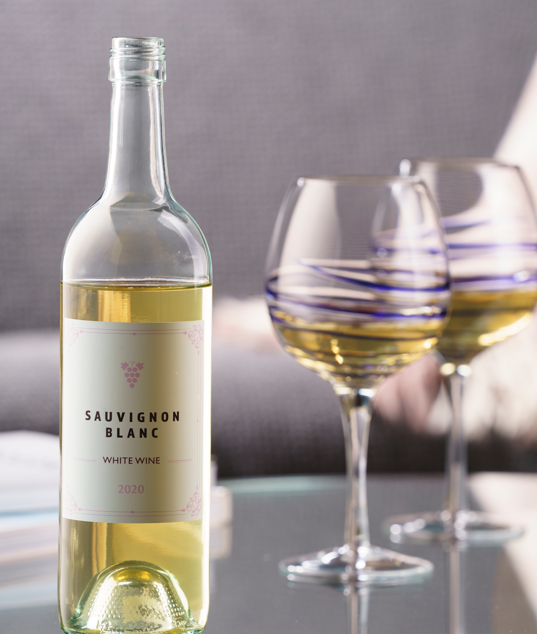
The wine industry is a tight-knit community where new ideas and solutions travel by word of mouth to bring transformation to the industry. And when difficulties arise, such as shifting consumer demographics and rising operational costs, wineries and wine growers lean on each other for support. The response from wineries has led to a focus on premiumization, automation, and building stronger relationships with younger consumers. Climate change has also increased the frequency of conditions like drought, wildfires and untimely frosts, resulting in more dramatic changes from vintage to vintage. Higher pressure from media, government and younger consumers, pushed wineries to reduce their environmental impact, leading to new solar plants, a transition to organic, biodynamic and regenerative agriculture and technology to measure everything from water usage to carbon sequestration. Wineries Foster Localism Wineries are also looking for other ways to increase sustainability, such as buyin
00

February 18, 2022

Barrel Sales Account Manager - Pacific Northwest at Recruiting Associates Network (Oregon, USA)
Company is well known as a product leader and as well as innovator with our R&D department to be on leading edge of oak products for wine and...
00
January 13, 2021
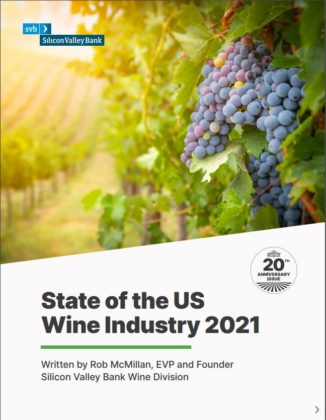
20th annual report indicates changes to wine sales in a post-COVID world Silicon Valley Bank (SVB), the bank of the world’s most innovative companies and their investors, today released its 2021 State of the Wine Industry Report. Now in its 20th year, this authoritative annual report assesses current conditions in the wine industry and provides a unique forecast for the year ahead based on proprietary research and economic and behavioral trends. Highlights and predictions from the 2021 wine industry conditions survey and report: As the hospitality, travel and entertainment industries rebuild, there will be strong consumer demand and a bounce in overall sales that will gain momentum in 2021, but may not be sustainable into 2022. The wine sales growth rate across all price segments has been declining for many years. The wine industry will need a national marketing organization to deliver a unified consumer message. Price Overall bottle pricing should hold in both off- an
20