
Filter Post Type
NewsVideoProductEventLink
Sort:
Most Recent
1–10 of 43

April 7, 2026
For decades, wooden pallets have been the default standard for warehouse storage and freight movement. But for many operations teams, that standard is creating more problems than it solves. From rising material costs and freight inefficiencies to workplace injuries and sustainability pressure, traditional pallets are becoming an expensive bottleneck in modern logistics. That’s why more companies are making the transition to recycled plastic slip sheets — and once they switch, they rarely go back. The Problem with Traditional Wooden Pallets Wooden pallets may be familiar, but familiarity doesn’t always mean efficiency. They are heavy, bulky, and prone to wear over time. Splintering, broken boards, protruding nails, and damaged corners can create serious safety hazards for employees while also increasing the risk of product damage. Beyond safety, pallets consume valuable warehouse space and add unnecessary weight to every shipment. Those added pounds directly impact tra
00
.png)
March 18, 2026
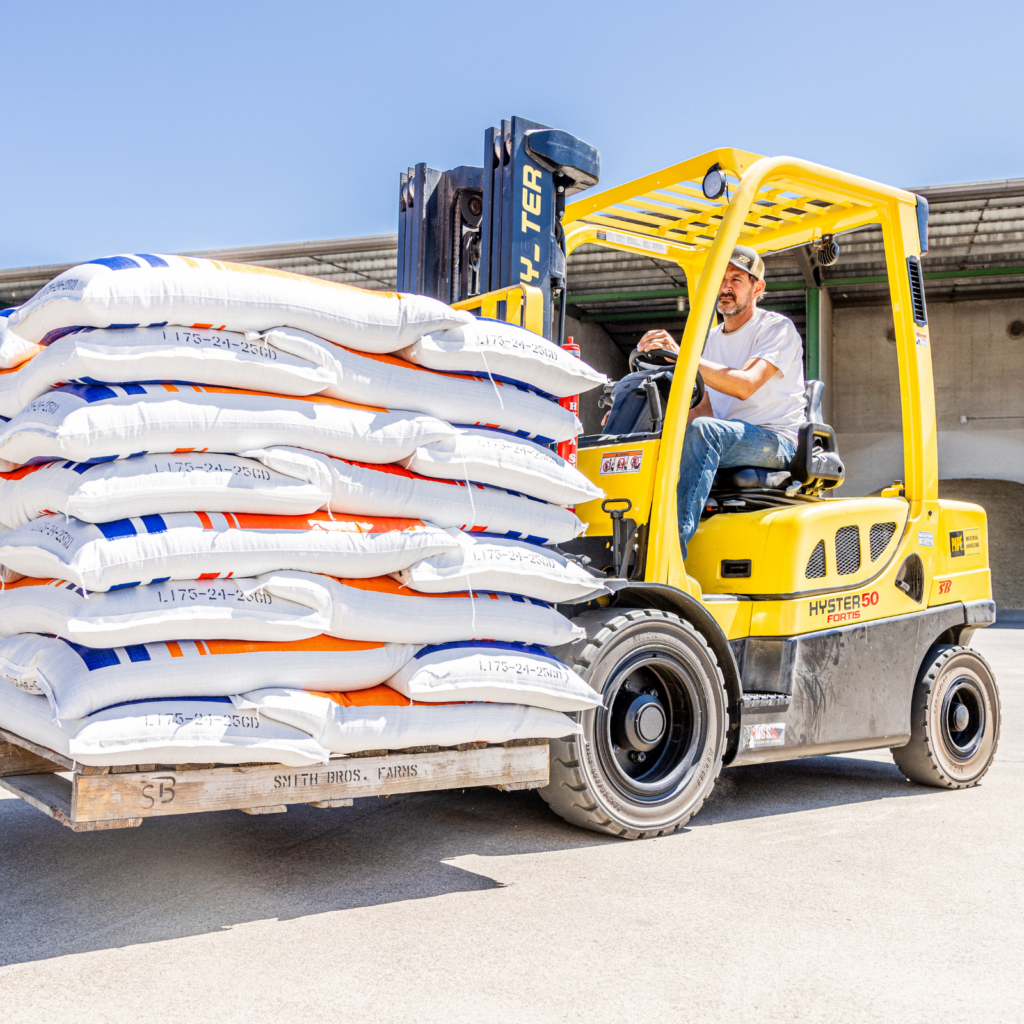
Winter conditions turn everyday material handling operations into a traction and uptime problem. Tire choice sits right at the intersection of safety, productivity, and total cost of ownership, as your tires are the first point of contact with every change in surface conditions. At Papé Material Handling, we work with operations across the West and know winter can look very different depending on the location and type of operation. A lumber yard in the Northwest, a food facility with temperature swings, and a distribution center that runs tight aisles all face different challenges. The goals, though, are consistent: stable handling, predictable braking, and a tire setup that supports your environment and load profile. Below is a practical guide to choosing between cushion, pneumatic, and non-marking tires when winter arrives. Start with the Jobsite, Then Match the Tire Before comparing tire types, map your actual travel path. A forklift that spends 90% of its time indoors might
00

Wooden pallets have been a mainstay of wine operations and manufacturing for generations. But in today’s difficult economic environment, even wineries that are hesitant to experiment with alternatives are considering cost-saving alternatives. One of these options is recycled, recyclable plastic slip sheets, which can also replace corrugated or solid fiberboard pull sheets. Slip sheets have been on the market for decades, but are underutilized in the wine industry. Yet affordable, highly durable plastic alternatives to wooden pallets and fiber sheets can substantially reduce packaging, shipping, and warehousing costs. George J. Isaac, Jr., the sales director for Repsco, Inc., the industry-leading producer of these custom-designed slips sheets, explains how much wineries can save: “Most standard pallets used in manufacturing cost an average of $10 and weigh 40‒50 pounds without product. A Repsco’s SuperSheet typically weighs 1½ pounds and costs $2. M
00


When you’re weighing your irrigation automation options for your next vineyard development project, there are good reasons to consider putting Lumo in from the start. 1. Faster Vine Establishment With Lumo installed, you’re never going to miss irrigations, which is especially important during heat events that can damage young vines. Everything will run automatically according to the schedule you set, even overnight and on weekends and holidays. You’ll eliminate the risk of under or over-irrigating because you’ll be tracking water volumes at a block level and you’ll receive alerts whenever there’s something up with your irrigation system performance. Nailing your irrigation upfront is critical to the longevity of your vines, ensuring their roots get properly established and improving the long-term productivity of your vineyard. With Lumo in from the start, you can be 100% certain your vines are getting the care they need to thr
00

Is there a hole in your irrigation execution? Are you glazed and confused by your irrigation system performance? Are irrigation issues costing you way too much dough? Do-nut fear, Lumo is here There are two really important things you need to know. Lumo's giving away free Krispy Kreme donuts at the Unified Wine Grape Symposium. Booth #1932. Jan 28th 10:00 AM & 2:00 PM and Jan 29th 11:00 AM. While quantities last. Do-nut miss it. That hole in your execution? That lack of visibility into system performance? Those climbing irrigation costs? Yeah, Lumo can help with those too. Nail Your Irrigation Plan. Every block. Every time. With Lumo, growers can automate their irrigations from pump to plant, track pressure and flow at a block-level on every irrigation, and get automatic text alerts about leaks, clogs and any other issues that pop up in the field. The result is precise, efficient, fully automated irrigation execution. W
00


Cyber Week Winery Marketing: Planning Smarter, Selling Stronger Cyber Week is almost here, and consumers are primed to buy. For wineries, it’s not just a chance to move inventory — it’s a chance to win new fans, reward loyal members, and end the year strong. The goal isn’t simply to discount — it’s to strategically position value, create urgency, and make buying feel effortless. Whether you’re a small family-run tasting room or a multi-location brand, these proven strategies will help you get the most out of the week. 1. Build Anticipation Before the Week Begins Cyber Week success starts long before Friday. The wineries that win start warming up their audience early — building curiosity, boosting email sign-ups, and reminding people why they love their brand. Ideas to get the buzz going: Add a countdown banner or homepage teaser with “Our biggest offer of the year starts soon.” Send a “save the date” email to your
00

Every winemaker knows that fermentation is a delicate dance between art and science. Behind every great wine lies a thriving microbial ecosystem—some organisms we invite, others we need to keep far away. Mastering that balance is what separates clean, stable wines from those plagued by faults, spoilage, or inconsistency. Fermentation: Harnessing the Right Microbes During alcoholic fermentation, controlling microbial populations ensures your chosen yeast strain dominates the process. This helps achieve a complete and predictable transformation of sugars into alcohol and COâ‚‚ without unwanted by-products that can dull aroma or flavor. In malolactic fermentation, Oenococcus oeni converts malic acid to the softer lactic acid, reducing sharpness and enhancing mouthfeel. But MLF is also a vulnerable moment: the wine’s natural defenses are low, and spoilage microbes can easily gain ground. When MLF isn’t desired, those bacteria must be inhibited completely to protect the wi
00

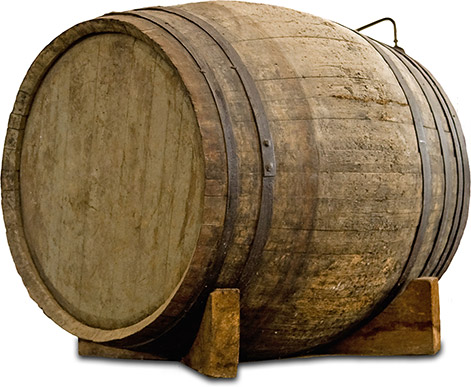
Though Herodotus mentions palm-wood casks used in shipping Armenian wine to Babylon in Mesopotamia, the barrel as we know it today was most likely developed by the Celts. Around 350 BC they were already using watertight, barrel-shaped wooden containers that were able to withstand stress and could be rolled and stacked. For nearly 2,000 years, barrels were the most convenient form of shipping or storage container for those who could afford them. All kinds of bulk goods, from nails to gold coins, were stored in them. Bags and most crates were cheaper, but they were not as sturdy and they were more difficult to manhandle for the same weight. The use of barrels for the transportation of bulk goods slowly lost its importance in the 20th century with the introduction of pallet-based logistics and containerization. However, they are still of great importance in the aging of wines and spirits. River Drive’s Role in the Barrel Industry Starting out as a reclaimed lumber company, we w
00
June 27, 2025
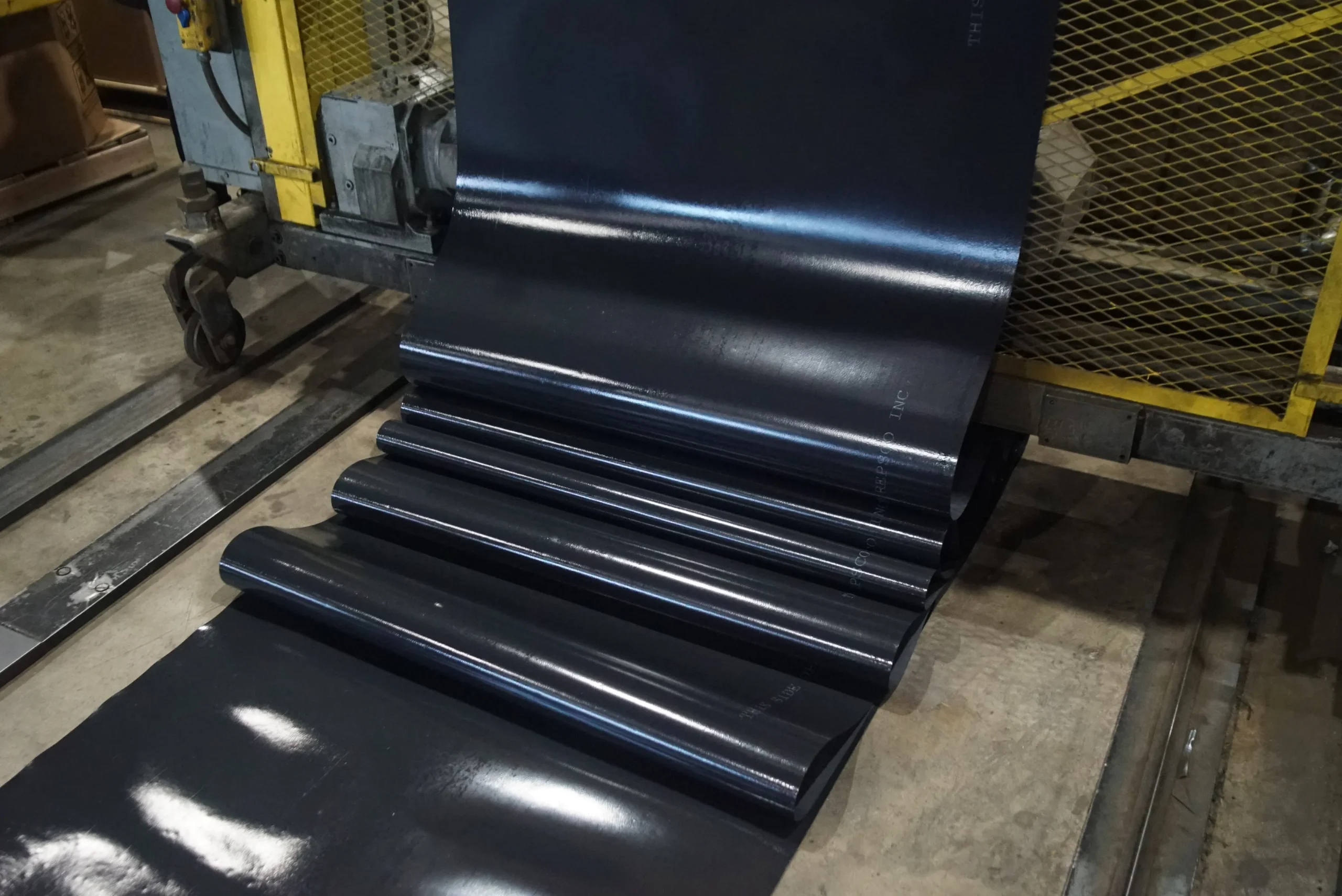
For decades, wooden pallets have been the default for shipping and material handling. But when you take a closer look at the cost, weight, space, and sustainability factors, it’s clear they’re no longer the smartest option. Businesses looking to stay competitive are moving toward a better solution: Repsco plastic slip sheets. Made from durable, recycled plastics, Repsco slip sheets offer the same load stability as wooden pallets, without the bulk. Their ultra-thin, lightweight design significantly reduces freight weight, which translates directly into lower shipping costs. Slip sheets weigh nearly 97% less than a standard wooden pallet, and their slim profile—less than half an inch thick—frees up space on warehouse floors, in trailers, and on production lines. But the benefits don’t stop at logistics. Repsco slip sheets eliminate common pallet headaches like broken boards, protruding nails, and moisture damage. That means no repair costs, no return program
00
.jpg)
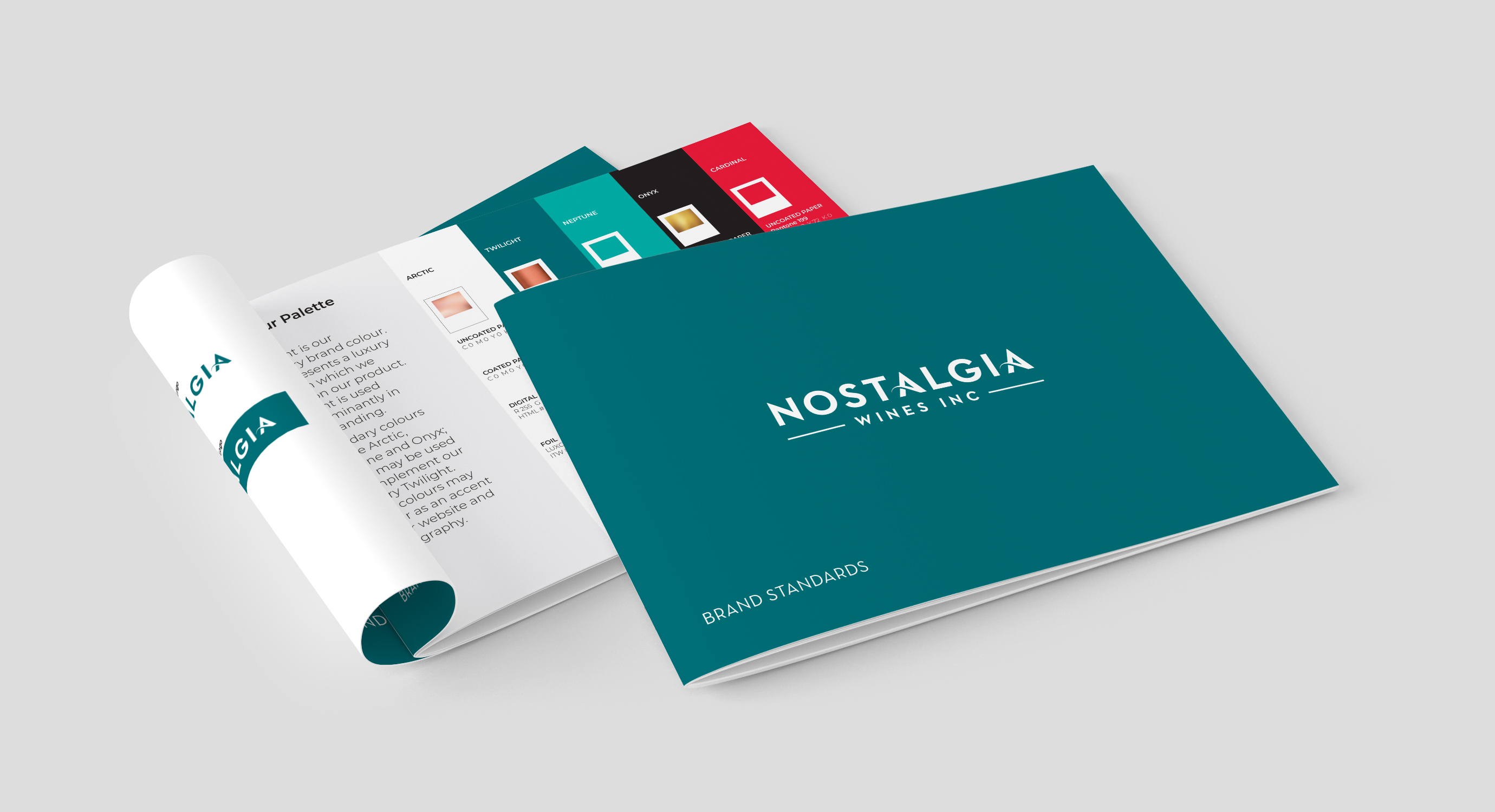
You spent time, money, and energy building a brand that people recognize. It looks good. It sounds right. People are finally starting to get it. So why are you letting it fall apart? Your brand is a reputation, not just a logo. Inconsistent fonts, weird colors, off-brand photos, and tone-deaf captions are the start of a slow slide into brand chaos. Here’s how brands get muddled: No rules, just vibes: You hand your logo to a sign maker or a friend who “knows Photoshop” and hope for the best. Without a brand standard, they’re guessing. And that guess might be Comic Sans. Template traps: Canva and AI tools are great. While these programs open a new set of opportunities it is important to use them in a way that honors your brand identity. When using pre-made templates take the time to change the fonts and colors to the ones that match your brand and use your original photos when possible, to preserve brand recognition. If you're using pre-made templates without
00