
Filter Post Type
NewsVideoProductEventLink
Sort:
Most Recent
Tagged:Low Alcohol
1–6 of 6
The surge in no- and low-alcohol wines is creating exciting opportunities for wineries to reach new consumers. But as many producers are discovering, removing alcohol changes more than just the label. It fundamentally shifts how these wines behave from a food safety standpoint. In traditional wine, alcohol plays a major role in suppressing microbial growth. Once that protection is reduced or eliminated, the product begins to behave more like a ready-to-drink beverage. This means that microorganisms, including food-borne pathogens such as norovirus, Listeria monocytogenes, and E. coli, are more likely to survive and grow if proper controls are not in place. Many winemakers are surprised to learn that their existing cleaning and sanitation programs may no longer be sufficient. Higher residual sugar levels, additional processing steps like dealcoholization and blending, and increased handling during filling all create new opportunities for contamination. Controls that worked well for trad
00
March 30, 2026

As demand for non-alcoholic wine continues to grow, more producers are exploring dealcoholization as a way to expand their portfolios. But removing alcohol is only the first step. The real challenge lies in what comes next. Alcohol plays a critical role in a wine’s structure, balance, and sensory expression. Once it is removed, the wine often loses body, aromatic intensity, and overall integration. What remains can feel thin, sharp, and incomplete. To produce a high-quality non-alcoholic wine, winemakers must shift their mindset from simple removal to thoughtful reconstruction. This process centers around four key areas: acidity, mouthfeel, aroma and flavor, and color. Dealcoholization can concentrate acids, resulting in a sharper profile that requires careful adjustment. At the same time, the loss of alcohol reduces viscosity and mid-palate weight, creating a need to rebuild texture and structure. Aromatics are often diminished during processing, requiring targeted strategies t
00
00

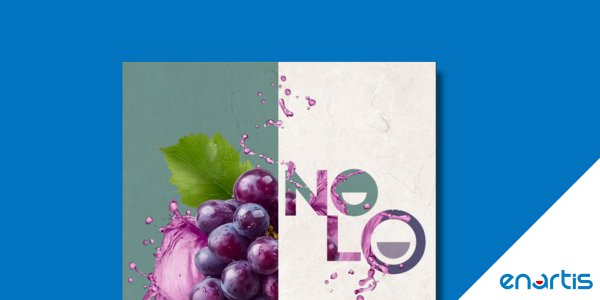
The term NOLO wine refers to wine that contains either no or lower levels of alcohol. Regulations around the world differ, with most countries defining non-alcoholic beverages as containing less than 0.5% vol. Learn more here . Brochure NOLO WINE Discover how to create a unique experience with NOLO wine: lower alcohol, greater flavor, and a world of possibilities to explore. Learn more here. Webpage A NEW FRONTIER FOR WINEMAKING The NOLO wine market is growing fast. Enartis leads the way with expertise, research, and comprehensive technical solutions to craft well-balanced, stable, and flavorful NOLO wine. Learn more here.
00
June 4, 2024
BevZero uses the most innovative equipment and operational efficiencies to ensure its customers receive the highest quality dealcoholization services.
00