
Filter Post Type
NewsVideoProductEventLink
Sort:
Most Recent
1–10 of 24


Combating declining consumption and tasting room visits is the current pressing priority for small and medium-sized wineries whose primary source of revenue has been direct-to-consumer (DtC) sales. Waiting for the situation to change is no longer an option. Instead, wineries are turning to their existing customers to maximize short-term revenue and draw in new customers to rebuild their base. This task can seem daunting, but wineries with the vinSUITE integrated DtC software platform have a powerful new tool at hand. The recently released vinSIGHT transforms the sales data automatically collected by vinSUITE into actionable insights. This new predictive analytical platform analyzes the winery’s historical customer behavior patterns and predicts wine club churn with up to 94% confidence, enabling wineries to prevent revenue loss before members cancel. Jimmy Wu, vinSUITE’s President, explains: “By the time wine club churn shows up in standard reports, that revenue is already l
00

March 31, 2026

The tasting room used to be the heart of the winery business model. Walk-ins became club members. Club members became brand ambassadors. Revenue flowed predictably, and the formula worked. That’s changing. Visitation to wine regions is softening and tasting room traffic that wineries once counted on is declining. The cohort that’s most noticeably absent? Millennials and Gen Z, the consumers who should be building the next generation of wine loyalty. For many wineries, the drop-off has been gradual enough to rationalize. Blame the economy. Blame changing drinking habits. Blame competition from craft beer and cocktails. But the reality is harder to swallow: younger consumers aren’t avoiding wine country because they don’t like wine. They’re avoiding it because the traditional tasting room experience no longer competes with how they want to spend their time and money. And if wineries don’t adapt, they risk becoming relics of an industry that waited to
00

October 28, 2025
Migrating to a new DTC platform can feel like a heavy lift. Between data transfers, integrations, and retraining staff, it is easy to delay the move until it becomes unavoidable. But waiting is not the only risk. Choosing the wrong platform can be just as costly. When Raj Patel of PATEL Napa Valley decided it was time to upgrade his winery’s technology, he knew the process would take effort. “We were originally with Vin65, which was later sold to WineDirect,” Raj said. “Over the years, we considered moving from WineDirect, but the process of migrating our data and setting up a new platform always seemed too monumental, so we postponed it. When Commerce7 acquired WineDirect, it prompted us to seriously re-evaluate our options.” Raj’s story reflects a common challenge: deciding when and how to take on a migration, and ensuring it’s the right move for the long term. Based on his experience, and what we’ve seen from thousands of win
00
.jpg)
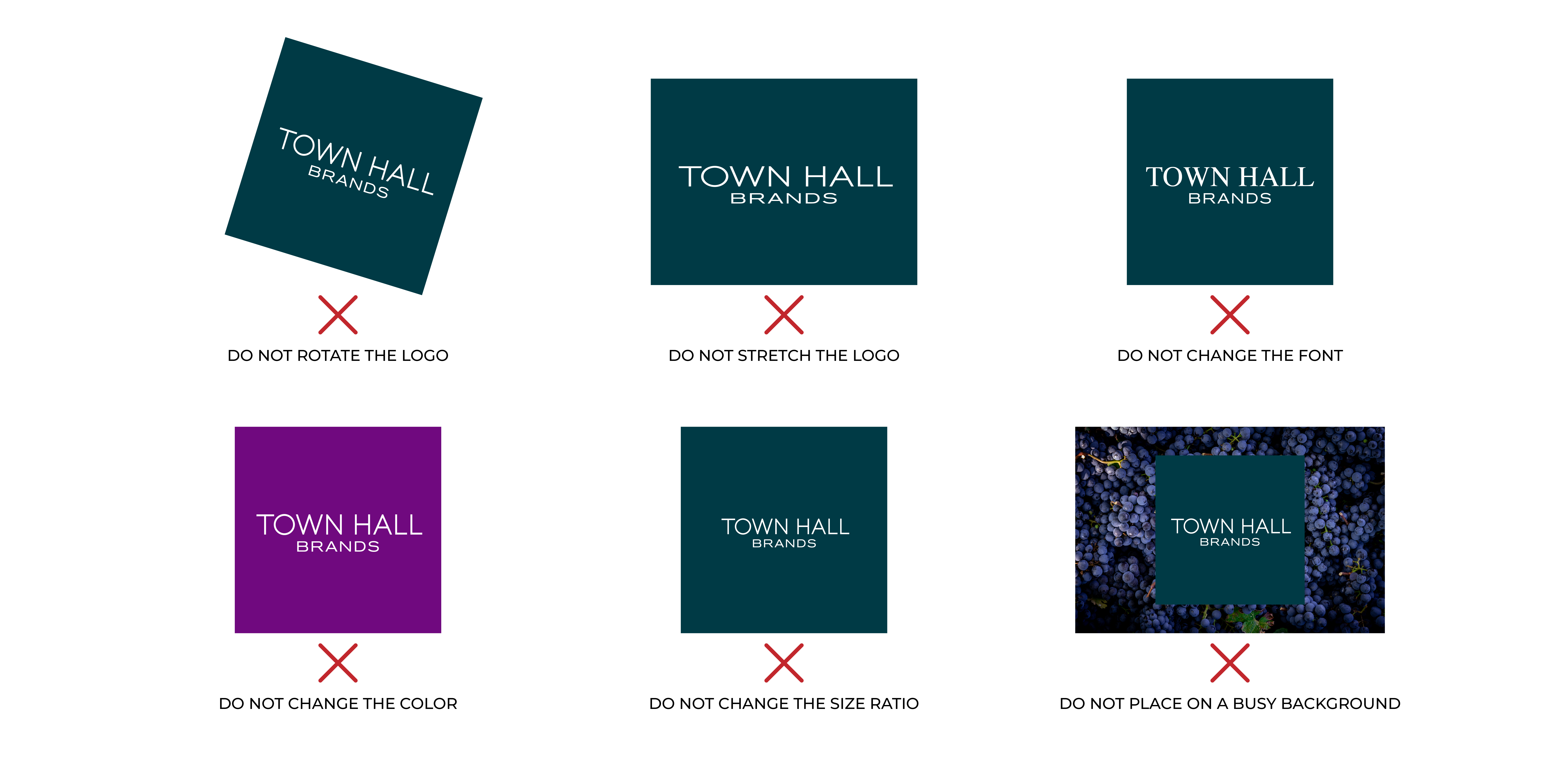
Logos are a visual symbol used to represent your brand, often a relatively simple graphic but don’t underestimate its importance. We are sharing our best practices for logo usage to preserve this important piece of brand recognition. LOGO FILE TYPES There are multiple file types used for logos, each with their own benefits and ideal uses. Selecting the file type that best matches the application will ensure your logo is looking its best. At Town Hall Brands we work with logos in three formats: JPEG, PNG and Vector JPEG is the image file extension that you may be most familiar with as it is commonly used for photographs. The benefits of this file type are compressed files that load quickly with web applications. The drawback when using a JPEG logo is the solid background, when placed over a photo or colorful background a JPEG logo will have a white background preventing the logo from integrating with the larger design. When to use: website and digital formats where small or comp
00


Valentine’s Day isn’t just for flowers and chocolates—it’s also a prime opportunity for wineries to boost sales, attract new customers, and strengthen existing relationships. This holiday of love lends itself perfectly to creative marketing initiatives that showcase wine as the ultimate romantic gift or experience. Here’s how wineries can make the most of Valentine’s Day. 1. Embrace Online Sales with a Valentine's Day Theme Ensure your website is ready to entice Valentine’s shoppers. Update your homepage with romantic visuals and feature special offers prominently. Simplify navigation to make shopping easy, especially for those making last-minute purchases. Incorporate Valentine’s Day-themed SEO keywords to improve search visibility and draw in gift-seekers. Don’t forget to clearly display shipping deadlines and offer expedited options to capture late buyers. Tip: Use Corksy’s personalization tools to create pop-ups
00


Controlling the oxygen level in wine is critical to the winemaking process. Too much oxygen can result in a shorter shelf life, color loss or browning, a shift from fresh and fruity to off-note aromas, a flat taste, and a thin, lackluster mouthfeel. Too little oxygen can lead to stuck fermentations, sulfury off-tastes, tannins that fail to soften, underdeveloped aromas, and a lack of complexity. The winemaker's solution is to eliminate oxygen in different stages of the winemaking process, including sparging, transferring the wine, and bottling. In sparging, nitrogen gas is bubbled through the wine to remove any suspended oxygen in the liquid. In the transfer process, nitrogen pushes the wine from vessel to vessel or into the final packaging. In bottling, nitrogen evacuates oxygen from the bottle's headspace to extend the wine's shelf life. There are many other applications, making nitrogen gas an essential tool in the cellar. Shrinking Nitrogen's Cost "The #1 con
00

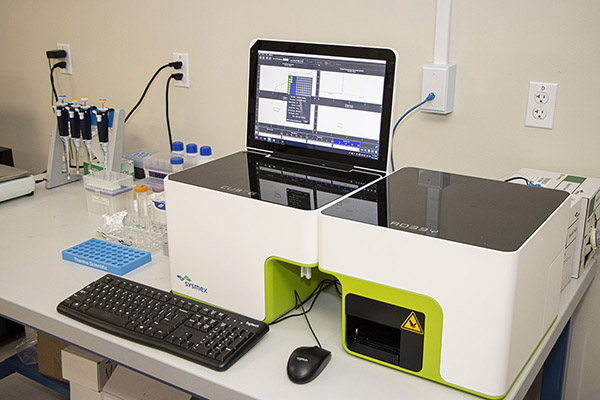
There's nothing worse than having a customer open a bottle of wine expecting pleasant aromas and instead smelling off-putting barnyard or dead mouse aromas. Because Brettanomyces bruxellensis (Brett) can ferment sugars and create unappealing flavor and aroma changes, winemakers design quality control programs to discover it early enough to correct the problem. Winemakers use several methods to identify Brett in wines and differentiate it from Saccharomyces, including microbiological culture plating. While the low cost and the average lab technician's familiarity with inoculating a sample of wine onto a nutrient agar medium to culture microorganisms make it an easy choice, there are drawbacks. "Current methods, such as microbial plating, take about seven to ten days for Brett to grow on a plate," says Daniel C. Gusmer, a program scientist in fermentation development at Gusmer Enterprises. "By that point, if you have a problem either in actively fermenting win
00

March 12, 2024

"GROUNDWATER . You can't see it, but millions of Californians depend upon it as a vital source of water for their homes and businesses." Those are not my words but the introductory words for the promotional video that appears on the SGMA (Sustainable Groundwater Management Act) website1 . The statement is a rather simply worded way to convey the obvious: that groundwater is vital to our livelihood here in California, and especially important to honoring and sustaining our agricultural heritage. While groundwater provides needed sustenance for numerous rural, as well as urban communities, it is agriculture that demands the lion's share of the resource. Central Valley agriculture turns to groundwater pumping whenever drought or poor rainfall years reduce the availability of surface water deliveries. Cries for construction of more reservoirs to capture and store more stormwater and snowmelt so that canals can be filled with more water are always being heard. Yet, apart f
00
February 12, 2024
The California Department of Food and Agriculture’s preliminary 2023 grape crush figure, published February 9th, totalled 3,668,294 tons, in line with Ciatti’s pre-harvest projections of 3.5-3.7 million tons. The crop was 8% larger than 2022’s 3.39 million tons but the fifth consecutive crop to come in below the 4-million-ton mark. At least part of the shortfall was attributable to uncontracted grapes going unpicked: Many wineries were willing to receive grapes only to the contracted volumes and then held growers to that number. Chardonnay’s total tonnage was up 24.1% versus 2022 to 651,610 tons, re-taking the crown as the state’s largest variety which it briefly lost in 2022 to Cabernet (itself up, by 14.1% to 646,941 tons). Versus 2022, some 66,000 extra Chardonay tons were harvested in Lodi and Clarksburg combined. Sauvignon Blanc experienced the same percentage growth as Chardonnay, up 24.1% to 162,765 tons, while Pinot Gris tonnage was up 19.1%
00
November 2, 2023
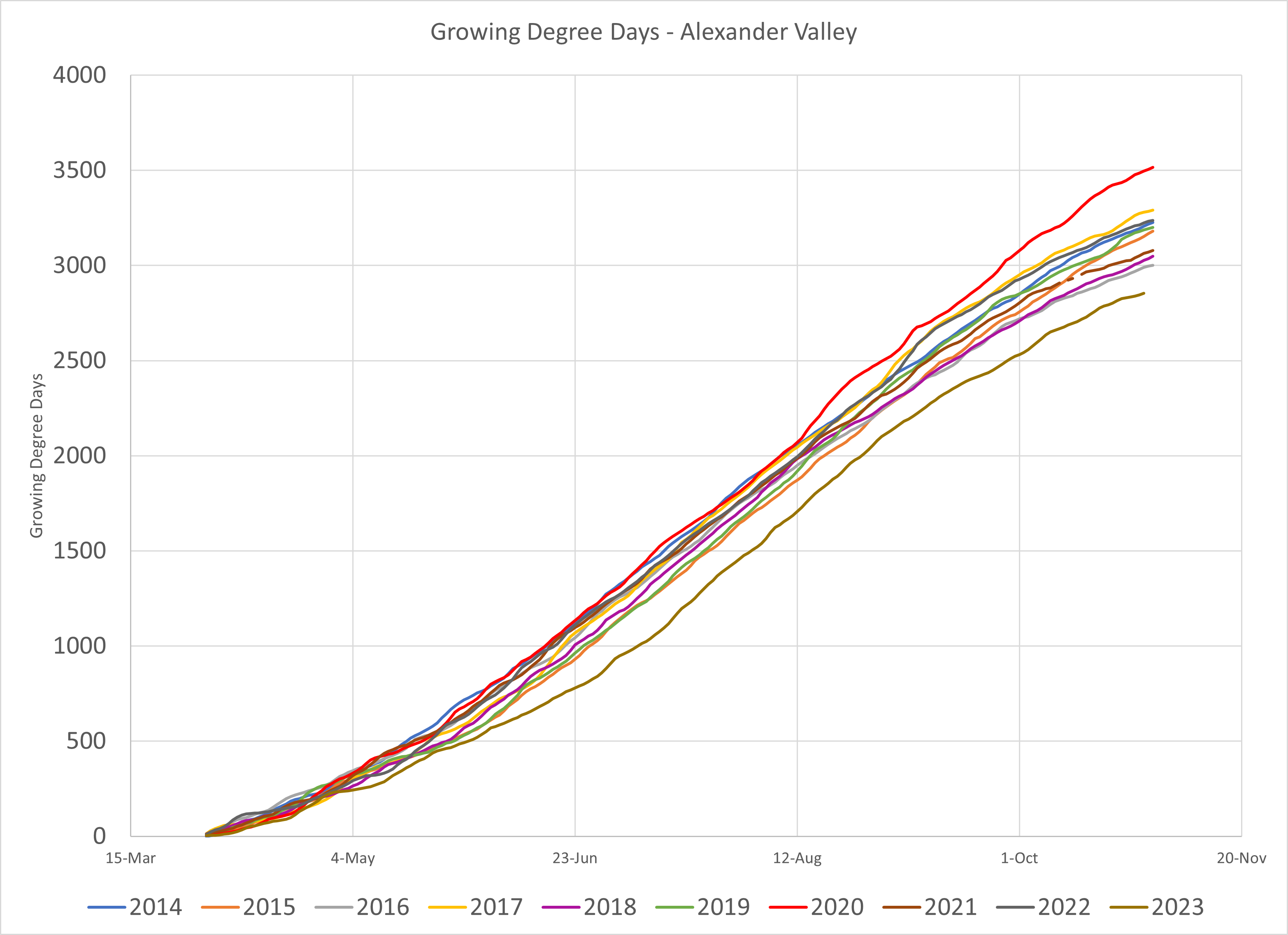
Yesterday marked the official end of the growing season and what a season it was, amiright?? 2023 has proven to be polarizing. For some growers and winemakers, this was a remarkable year for quality, and others are just thankful to have crop insurance. Let’s take a look at why this is. I wrote about how 2023 was shaping up back in July when I looked at how Growing Degree Days (GDD) were stacking up compared to other years. GDDs are typically calculated by taking the average of the daily minimum and maximum temperature and subtracting a base number, in this case 10°C (50°F). Back in July, most places sampled were around 300 GDDs behind previous years. After rerunning the temperature data this week, it looks like the season never caught up. Here's a look at Growing Degree Days in Alexander Valley The difference in some locations was extreme. At this vineyard in Eastern Paso Robles, this year was between 300 and 800 GDDs behind! Early season woes Back in July
00