
Filter Post Type
NewsVideoProductEventLink
Sort:
Most Recent
1–9 of 9
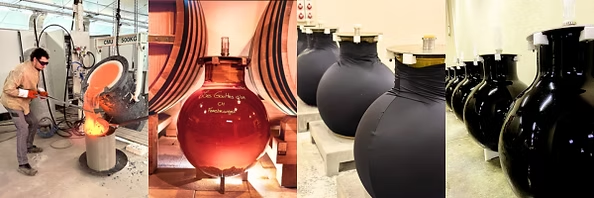
Wineglobe, produced in Bordeaux France by the Paetzold family are single-piece borosilicate glass globes which are currently available in 115L and 220L. They allow for the purest expression regarding terroir drive-wines due to the neutrality of the material: glass. The Wineglobe was created in 2015 and can be found in the most important wine regions in the world. Today it represents the ultimate reference high-end cutting edge vessel, found in the most prestigious of cellars, for the fermentation and aging of white and rosé wines and the aging of reds. Why do producers use Wineglobes? Rangeing from French references in Bordeaux, Burgundy, Champagne, Loire, Côte du Rhône and far in between, Wineglobe feedback from wine producers includes: For pure and unadulterated expression Blending No Reduction No release of elements into the wine Flawless Hygiene Decrease in the use of SO2 Easy to clean To learn more, please find below testimo
00

Wine filtration addresses unappealing murkiness or deposits, a process that goes back to the origin of wine. Over the centuries, the means of filtration have evolved from fabrics to industrial filters to sedimentation, filtration plates, and membranes. Conventional filtration moves the juice or wine perpendicularly through the filter. This transversal filtration leads to the accumulation or caking of microorganisms and particles that result in cloudiness on the filter, which increases hydraulic resistance and reduces output volume. Bucher Vaslin, a producer of high-end winery processing equipment sold worldwide, recently introduced the latest iteration of its cross-flow filtration machinery, the Flavy X-Treme 3-in-1. This innovative and unique machine allows winemakers to filter wine, juice lees, and wine lees in a single machine. Additionally, it recovers a significant portion of previously wasted lees, increasing the quantity of saleable wine. Utilizing these recovered lees, cross-
00

February 20, 2024

Afternoon Brief, February 20th
Grape Growers Being Paid 1970s Rates Say They Are at Breaking Point in Australia’s Largest Wine Region: Farmers in Australia's biggest wine grape growing region are preparing for crisis talks as prices plummet to early 1970s rates...
WineAmericaWildcat Mountain VineyardClos du Bois wineryHalcon VineyardSebastiani WinerySwan Creek American Viticultural AreaRaffaldini Vineyards & WineryMichigan Wine CollaborativeLodi WineBin to Bottle LLCConstellation BrandsMillbrook Vineyards & WineryLoire Valley WinesRack & Riddle Custom Wine ServicesThe Digest of Wine & Spirits LawCD & PowerWineWorksFathers + Daughters CellarsBoeger WineryJUSTIN Vineyards & WineryCarboy WineryKuhlman Cellars
00

By Nathan Wisniewski How would you define varietal / fermentative aromas? Varietal aromas, sometimes called primary aromas, come from aromatic compounds present in the grapes. These aromas are generally typical of specific grape varieties (thiols in Sauvignon Blanc, Colombard, Petit & Gros Manseng, terpenes in Muscat and Gewürztraminer..). On the other hand, fermentative aromas – also known as secondary aromas – are mainly produced by yeasts during the alcoholic fermentation and can be found in all types of wines. The most common fermentative aromas are esters – like isoamyl acetate responsible for banana flavor – and higher alcohols like 2-phenylethanol characterized by rose notes. What is the influence of yeast on the aromatic profile of the wine? On the aromatic profile of the wine, yeasts have a tremendous impact on the wine aromatic expression: in addition to their direct effect on fermentative aromas, they indirectly take part to the expression of
00


In last week’s blog post we talked about showing human faces in ads. A second, albeit related, scientific fact is that people respond to emotional arguments in advertising over rational ones. A recent analysis of 1400 advertising case studies in the US showed that those with emotional content performed twice as well as those with only rational content. Why is that? It’s because people feel first before they think. A Portuguese-American neuroscientist and Professor of Psychology, Philosophy, and Neurology, at the University of Southern California named António Damásio wrote a book in 1994 about this called Descartes’ Error: Emotion, Reason, and the Human Brain. The book centers on the physiology of rational thought and decision and how these faculties could have evolved through Darwinian natural selection. In the book, he chronicles time spent studying individuals with damage to the area of the brain where emotions are generated and processed. Interest
00
Bulk wine pricing around the world is generally in a stable to softening trend as a number of downward pressures on prices offset the upward pressure from elevated input costs: the stop-start nature of buying activity in most markets; some large inventory levels – primarily of reds – in Argentina, Australia, California and France; lower 2023 grape prices in Chile versus 2022; a larger than expected 2023 crop in New Zealand; Rand weakness in South Africa. It should be underlined that buying activity continues, but much of it is for short-term needs, with buyers seeking smaller volumes for quicker loading. The slow nature of most consumer sales channels in most countries has disincentivised the opportunistic buyers who might normally – especially with freight costs greatly reduced and logistics efficiency markedly improved versus a year ago – come into a long market and get creative with new brands. Instead, winery focus is on inventory adjustment, assessing
00

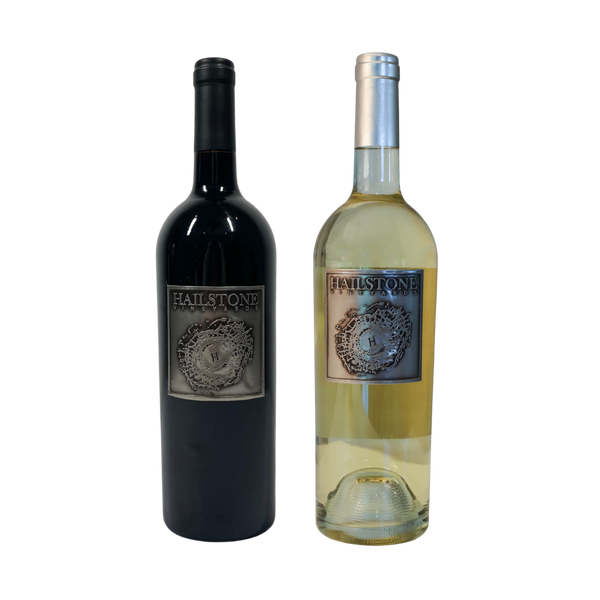
Global Package recently piloted another gorgeous pewter-adhesive label into industry stardom: the new label for Napa Valley’s Hailstone Vineyard’s release of its two Cabernet Sauvignons, the “32 Degree” Sauvignon Blanc, and “Weather Dancer” dry Rosé Sauvignon Blanc, “This pewter label is extraordinary for its depth and detail, an iconic embrace pf founder Chris Zazo’s passion for food, wine, and the weather,” says Global Package founder and CEO Erica Harrop. “His background as a chef and top-soil specialist brings a unique perspective to his wines, which is beautifully conveyed in the new pewter label.” Another pewter-adhesive label that Global Package ushered through production is for Dry Creek’s 50th Anniversary Sparkling Chenin Blanc. Designed by the Austin Design Group and handmade with Global Package in France – the luxurious label is an
00
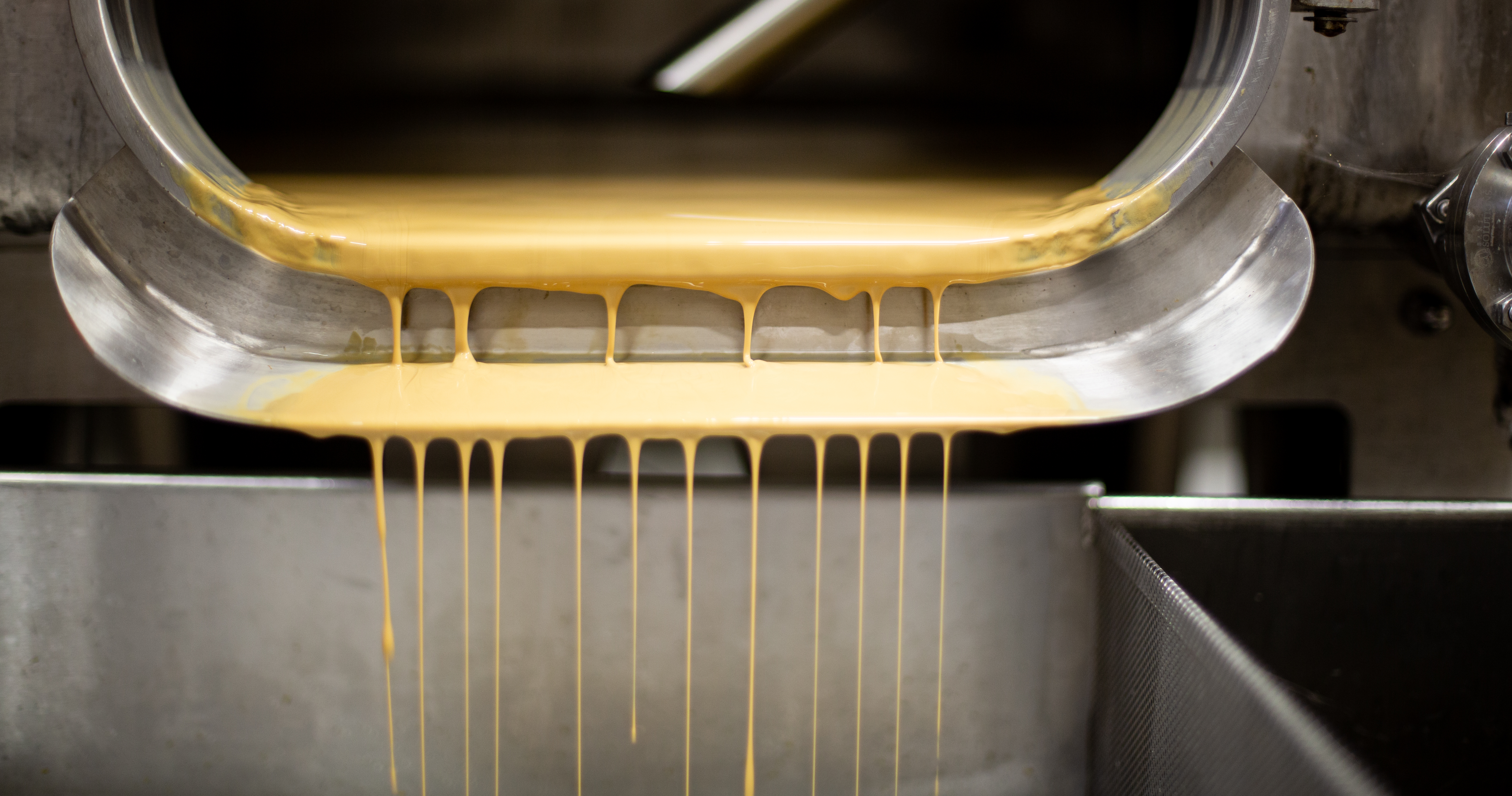
The only thing we love more than drinking a great white wine is making one✨ Here we see Chardonnay aging on its lees, known as ð˜´ð˜¶ð˜³ ð˜ð˜ªð˜¦ aging.â â ð˜šð˜¶ð˜³ ð˜ð˜ªð˜¦ (French for “on the lees”) aging sounds fairly straightforward: it is a stylistic choice to allow wine to age in contact with its lees. Though ð˜´ð˜¶ð˜³ ð˜ð˜ªð˜¦ aging has been practiced since Ancient Rome, we are still uncovering the science that enhances the complexities of the finished wines aged on their lees.â â This type of aging is typically associated with white wines, such as Chardonnay from Burgundy and Muscadet from the Loire Valley, as well as sparkling wines like Champagne.â â Head to our blog to learn about ð˜´ð˜¶ð˜³ ð˜ð˜ªð˜¦ aging of white and sparkling wines: https://gravitywinehouse.com/blog/sur-lie-aging-chardonnay-sparkling-wine
00
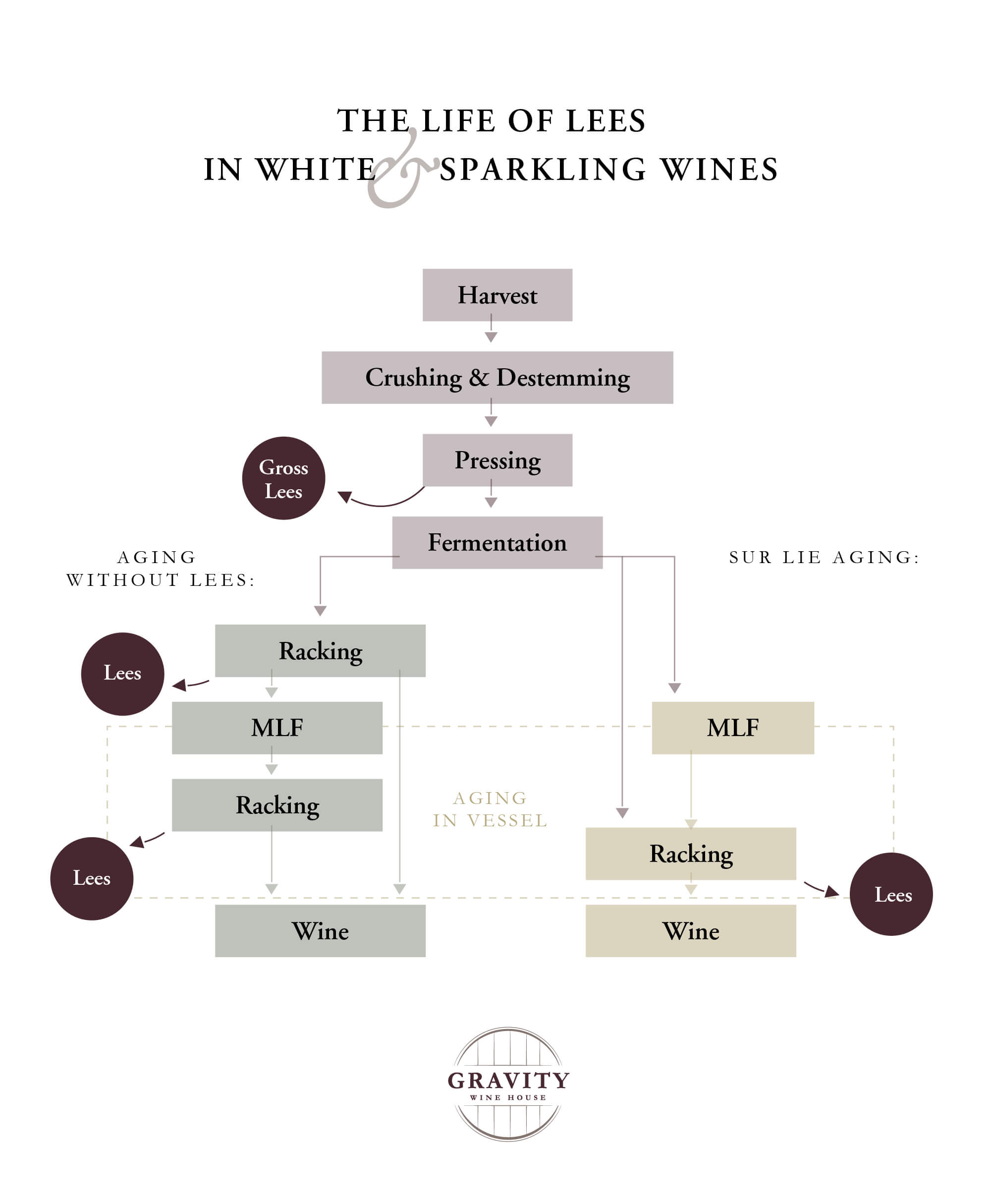
Original Post Sur lie (French for “on the lees”) aging sounds fairly straightforward: it is a stylistic choice to allow wine to age in contact with its lees. The overarching goal is to enhance the mouthfeel, body, and complexity of the wine by foregoing racking or other methods of lees removal for anywhere from 2 to 15 months or more (Patynowski, et al., 2002). During this time, yeast cells undergo a breakdown process called autolysis (“auto” meaning self, “lysis” meaning break apart) and release their contents, unlocking a treasure trove of beneficial compounds that enhance the finished wine. This type of aging is typically associated with white wines, such as Chardonnay from Burgundy and Muscadet from the Loire Valley, as well as sparkling wines like Champagne. Although less common, sur lie aging for red wines has also been gaining interest (Wang, 2014). Though sur lie aging has been practiced since Ancient Rome, we are still uncovering the science
20