
Filter Post Type
NewsVideoProductEventLink
Sort:
Most Recent
1–8 of 8
April 22, 2026
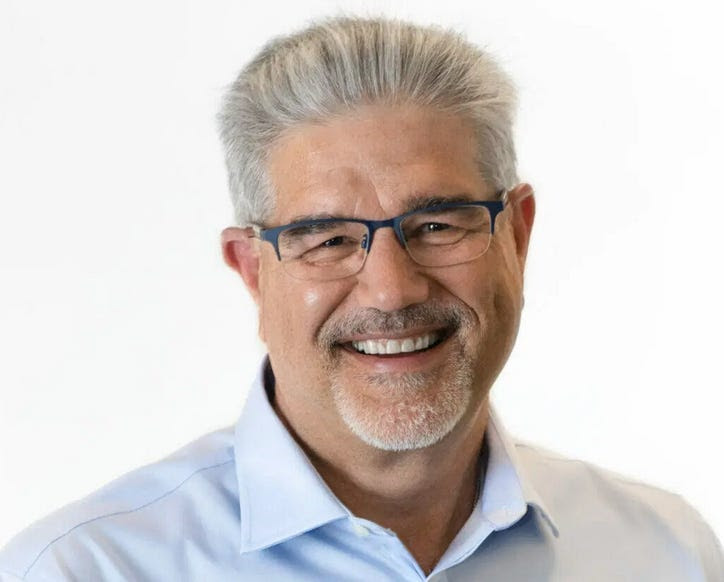
Listen now: Ciatti's Glenn Proctor speaks to Liquid Assets Glenn Proctor, partner at the Ciatti Company, was a guest on Rabobank’s latest Liquid Assets podcast – titled “Will the US wine industry ever recover from the current glut?” – discussing the current and future state of the Californian wine industry with Jeff Bitter of Allied Grape Growers and podcast hosts Stephen Rannekleiv and Bourcard Nesin. Listen Now Glenn set out bulk-wine inventory levels as of the month of March 2026 and the 12 months to March (“it has been extremely high as to where we would usually sit”), delved down into bulk inventory by vintage year (“inventory isn’t going down but some of it is getting older, making it less marketable as you go into the future”), and outlined the tough realities of the current marketplace: “One of the biggest challenges we have: Those who’d be a buyer in a normal market are currently a seller, they’ve got grapes or bulk wine to sell.” With Jeff, Glenn discussed the recently-publi
00

April 20, 2026
Recent news headlines out of France regarding wine barrel management and leasing mainstay H&A Group have sparked concerns within the global wine industry, with potential significant impacts to the domestic and local wine industry’s barrel financing programs. H&A, a Bordeaux‑based barrel leasing company with a substantial international footprint, has reportedly been placed into judicial liquidation by the Bordeaux Commercial Court in early April, after unsuccessful restructuring efforts.[1] With thousands of clients worldwide—including wineries in California—the liquidation of H&A may have significant legal, financial, and operational implications for wine producers that relied on its barrel leasing and financing structures. For approximately two decades, H&A operated as a specialized financer of wine maturation, allowing wineries to access barrels without the need for substantial upfront capital expenditures. Through barrel lease and resale agreements, H&A worked
00

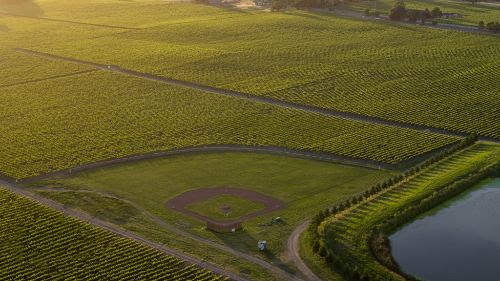
In the film Field of Dreams, a quiet voice whispers a simple promise: “If you build it, he will come.” The idea was never really about baseball. It was about creating something meaningful and trusting that the right people would be drawn to it. The wine industry is standing at a similar crossroads. For decades, wineries have operated on a simple assumption: make great wine, tell a compelling story, and consumers will come. Craft the product. Earn the accolades. Build the brand. But the next generation of wine consumers is telling us something different. Gen Z, now entering legal drinking age and shaping the future of hospitality, is not primarily seeking bottles to collect or scores to chase. Many say they are looking for something more fundamental: connection, community, and places where they can gather with friends away from the constant pull of the digital world. In other words, they are looking for a third space. For winery owners, executives, and Direct-to-Consumer lea
00
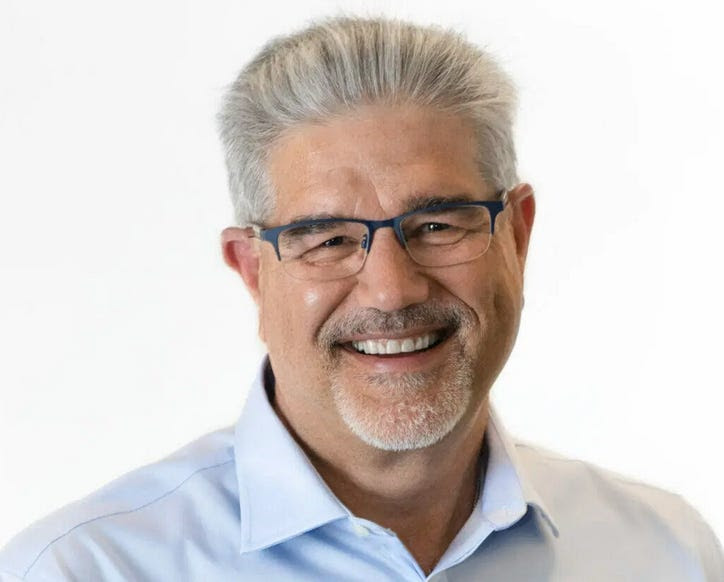
Listen now: Ciatti's Glenn Proctor speaks to Liquid Assets Glenn Proctor, partner at the Ciatti Company, was a guest on Rabobank’s latest Liquid Assets podcast, discussing the problem of wine oversupply with Jeff Bitter of Allied Grape Growers and podcast hosts Stephen Rannekleiv and Bourcard Nesin. “I’ve been in the business since the late 80s, and it’s definitely the worst I’ve experienced in terms of the imbalance and where the industry feels,” said Proctor. “What we’ve experienced over the last three years is, with the declining sales, we are adjusting inventory around that to try to get back to a balanced situation.” Proctor gave the latest figure in gallons for bulk inventory listed for sale with Ciatti, how it compares with previous years, where the inventory is located and at what pricing, and discusses the wine industry’s situation more broadly. You can listen to all 49 minutes of the Liquid Assets episode absolut
00


We’ve all been there, lost in a conversation about COGS and EBITDA and hoping no one asks you to explain what they mean let alone what the acronym stands for. Being well-versed financially is an important skill set for winemakers and business owners to make informed decisions and manage their businesses more effectively. Check out the top 30 finance terms below or download this handy PDF to keep by your desk. Accounts Payable – The money your winery owes to suppliers and other creditors. Accounts Receivable – The money owed to your winery by customers and vendors who have purchased wine or other products on credit. Accruals – Imagine accruals as the slow fermentation process of your finances. This process recognizes revenue and expenses when they are incurred or earned over time (fermented), regardless of when the cash changes hands. (I hope that made it better, not worse) Assets – Not just things that you own. More like all the things that
00

Whether you’re investing in land to plant a vineyard, finding a way to cover operating costs while your wine ages in barrel, or looking to update your equipment or facilities, the wine business can be a capital intensive endeavor. As your financial needs shift throughout the growing season, it’s important to find a financial partner who is able to structure a loan, operating line of credit or lease to support your operation’s cash flow. What may surprise you is that there are lenders with wine industry expertise who can provide smart financial solutions to help your business grow and succeed for the long term. Buying Land Land has always been essential to the business of agriculture. In the wine industry, a recent decrease in the grape supply along with the associated jump in prices has made it more appealing to invest in vineyard property. Wine-related land sales have been “moderately strong” in Northern California this year and vineyard values have been
00

May 7, 2020
With uncharacteristic prescience, last year Congress amended the U.S. Bankruptcy Code by enacting the Small Business Reorganization Act of 2019 (SBRA). Going into effect in February 2020, just in time to address the economic disaster caused by COVID-19, the SBRA is the federal government's newest effort to make bankruptcy reorganization a more attractive option for small businesses. A customary Chapter 11 bankruptcy was designed to allow a debtor to reorganize its debt structure in order to keep its business alive and pay creditors over time. SBRA has important implications for businesses. It is aimed at simplifying the Chapter 11 process for small businesses by lowering costs and relaxing the stringent requirements of the plan confirmation process. It could mean the difference between a business being able to weather the current storm or having to permanently close its doors and liquidate assets. Before SBRA, financially impaired businesses contemplating bankruptcy had two choices
00
January 15, 2020

by Mark Steranka, Partner, Advisory Services; Jay Silverstein, Partner, Private Clients Practice; and Bill Vyenielo, Senior Business Consultant, Wine, Beer & Spirits Practice
A version of this article was previously published in the December 2019 edition of Wine Business Monthly.
No matter where you are within the life cycle of your business, there are questions, decisions, and solutions that need to be determined.
Whether your business is in the start-up, growth, or maturity phase, or if it’s preparing for an exit or transition, entering a new stage is often exciting as well as challenging. Critical activities like strategic planning need to take place during each of these phases to meet future goals—and to prepare for an eventual exit. This article identifies key activities that should be focused on in each phase of your business.
Start-Up Phase
The start-up phase begins when you decide to turn your idea into a business. Start by breaking down this phase into conc
00