
Filter Post Type
NewsVideoProductEventLink
Sort:
Most Recent
1–10 of 22

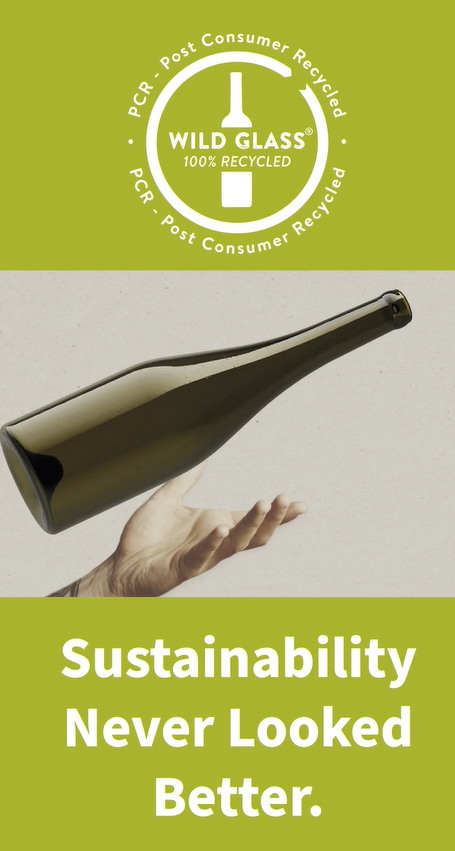
Sustainability has become a core focus across every industry sector lately, but, as lovers of the traditional, the wine and spirit industries are behind the curve on implementing sustainable glass packaging. According to the IWSR, 48% of American alcohol drinkers say that a company’s sustainability or environmental initiatives positively influences their purchasing decisions. Furthermore, according to a report by the global decision intelligence company, Morning Consult, 7 in 10 American adults would consider purchasing from a food and beverage brand that prioritizes sustainability, the highest share across all industries. In the face of ongoing environmental concerns, a growing number of media stories have cited the need for our industry to find a more sustainable package solution. And the call is validated by consumer demands. We are seeing the emergence of a new category of wine consumer: the environmentally-conscious consumer, who is choosing wines and spirits based on the s
00

The global shift toward sustainability is palpable across nearly every sector. Within the wine and spirits industries, this movement has gained remarkable traction, driven by consumers’ increasing demand for environmentally responsible products. More pressure for industry to put sustainability at the center of all operations but also provides opportunities for businesses to flourish by staying ahead of the trends in innovative and sustainable advancements. Here are four sustainability trends to keep an eye on: Regenerative practices for wine and spirits Recent years have seen a boom in conscious agricultural practices through the philosophy that all aspects of agriculture are connected. This philosophy emphasizes the careful utilization of land management to restore and regenerate the ecosystems and land we use, leaving it in better health for future generations. Regenerative principles are a push back against traditional industrial agriculture practices which are respons
00


Take a look at any number of Tasting Room Associate job ads, and it becomes apparent we need to hire unicorns – rare, mystical, and never seen in the wild except by a chosen few. We are seeking that blend of hospitality heart, wine knowledge, and hopefully sales skills. Every new opportunity to hire is the chance to go searching for unicorns, and luckily, there is a strategy to help find them! First, let’s define what a successful DTC candidate needs to have. Hospitality Heart. A Hospitality Heart, which is impossible to train for, is something the candidate either has or not. It is the rarest quality, hidden, and can be bluffed if needed. WISE calls this Service Heart. In our Mystery Shopping, we are looking for Service Heart – the deep seeded desire of that teammate to be helpful, kind, and truly wanting to be of service, and not just there to punch a time clock and collect a paycheck. At the Union Square Hospitality Group, Danny Meyer has taken great care to d
10
November 6, 2024

In a groundbreaking development towards sustainability in the wine and spirits industry, the world’s largest wind-powered cargo ship, Anemos, has successfully completed its first transatlantic journey, transporting premium wines, champagnes, and cognacs from France to New York. This innovative approach to shipping is expected to revolutionize sustainable transportation practices within wine and spirit supply chains, presenting a compelling opportunity for brands to minimize their carbon footprint while satisfying consumers’ increasing demand for environmentally conscious solutions. The Future of Eco-Friendly Shipping in the Wine and Spirits Industry Designed by the French startup TOWT (TransOceanic Wind Transport), Anemos represents a shift back to sailing vessels for commercial transport, leveraging the abundant and renewable resource of wind power. With significantly larger sails made from lightweight carbon fiber, Anemos can harness more wind than traditional vess
00

Glass packaging trends in the wine industry are always changing, but remain grounded in tradition. As leaders of the US domestic market in glass packaging, and decades of experience in the industry, Global Package have been creating these trends as much as utilizing them. Global Package has strategic alliances with innovative suppliers, designers and marketing collaborators both domestically and internationally. These strategic alliances allow us to keep up to date with trends globally from various spheres including material, design, market behavior, and digital behavior. As they allow our business to evolve, we are able to develop exciting new lines to assist our clients (you) launch and market your brands to a continually developing audience as your business evolves along with it. In this article, we’ve collected and compiled a breakdown of current trends and traditional conventions to assist in your choice of glass packaging for your wine label. Global Package wil
00

Global Package Exhibiting at the 2024 ADI Craft Spirits Conference and Vendor Expo - Booth 223 Baltimore MD The global shift toward sustainability is palpable across nearly every sector. Within the wine and spirits industries, this movement has gained remarkable traction, driven by consumers’ increasing demand for environmentally responsible products. 2024 brings about more pressure for industry to put sustainability at the center of all operations, but also provides opportunities for businesses to flourish by staying ahead of the trends in innovative and sustainable advancements. Here are four sustainability trends to keep an eye on in 2024: Regenerative practices for wine and spirits Recent years have seen a boom in conscious agricultural practices through the philosophy that all aspects of agriculture are connected. This philosophy emphasizes the careful utilization of land management to restore and regenerate the ecosystems and land we use, leaving it in better health for fu
00

The global shift toward sustainability is palpable across nearly every sector. Within the wine and spirits industries, this movement has gained remarkable traction, driven by consumers’ increasing demand for environmentally responsible products. 2024 brings about more pressure for industry to put sustainability at the center of all operations, but also provides opportunities for businesses to flourish by staying ahead of the trends in innovative and sustainable advancements. Here are four sustainability trends to keep an eye on in 2024: Regenerative practices for wine and spirits Recent years have seen a boom in conscious agricultural practices through the philosophy that all aspects of agriculture are connected. This philosophy emphasizes the careful utilization of land management to restore and regenerate the ecosystems and land we use, leaving it in better health for future generations. Regenerative principles are a push back against traditional industrial agriculture p
00


Afternoon Brief, July 18th
California Wine Grape Growers Need Support to Manage Risks from Wildfire and Smoke: Wildfire smoke exposure presents a unique challenge for viticulture as it can result in mild to severe degradation in wine grapes...
Stewart CellarsV. Sattui WineryAgrologyNational Association of Wine RetailersDel Dotto WineryPaso Robles Distillery TrailAuction of Washington WinesV Foundation for Cancer ResearchCraft Beverage ExpoVynecrest Vineyards & WineryLodi WineKind of Wild WinesRepublic National Distributing CompanyVineyard TeamAmcor CapsulesNorthBay Equipment Service & SalesPhytechCiatti CompanyAlma Rosa WinerySauvage SpectrumCataclysm Wine CoCasella Family Brands
00
June 19, 2023
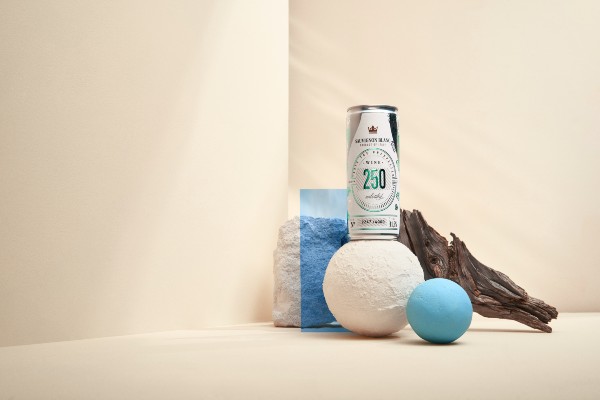
Seismic shifts are rocking wineries’ traditional methods of producing and selling wine. The industry has recognized the vital need to capture the interest of younger consumers to compensate for reduced spending by its older buyer base. Agriculture’s growing acceptance of climate change ― painfully reinforced by increasingly frequent wildfires and droughts ― has led to more sustainable vineyard and winery practices, requiring investments that have sometimes dug deep into budgets. According to Jarod Hernandez, Product Manager for Wine, Spirits, and Beverages at global label materials supplier UPM Raflatac, these shifts also impact wine packaging. “The biggest trends I’m seeing are an increasing commitment to sustainability and the market impact of Millennials and Gen Z,” Hernandez notes, “and these are converging since these consumers may not want to open a 750 ml bottle of wine and leave it open, instead preferring single-use cans or bottles.” A
00

How have natural corks stayed on top of the wine world? Antonio Amorim’s efforts to make the cork business more innovative and sustainable have a lot to do with it Antonio Amorim has seen the closure industry change dramatically during his two decades at the helm of his family's 150-year-old cork business. (Courtesy of Amorim Cork) For centuries, cork has been the primary method of closing wine bottles. Then in the late 20th century came cheaper stoppers and—though not without some controversy—the value end of the market was suddenly awash in bottles topped with colorful plastic “corks” or metal screwcaps. That would have been alarming enough for a family cork business founded in 1870. But at the same time, high-end wineries were facing a problem with TCA taint, which could make wines smell and taste like musty cardboard or—in a way even worse for the producers—muted and boring, without being obviously flawed. The problem was largely blam
00