
Filter Post Type
NewsVideoProductEventLink
Sort:
Most Recent
1–4 of 4

Achieving tartrate stability is critical for delivering wines that hold up in bottle and on the shelf. One tool that has become increasingly popular for this purpose is carboxymethyl cellulose (CMC), but not all CMCs perform the same. Understanding how CMC works, and how to properly use it, can help you avoid hazes, filtration issues, and color instability. How CMC Prevents Crystal Formation CMC helps prevent potassium bitartrate (KHT) crystals from growing by binding to the crystal surface. It does this through electrostatic attraction between the negatively charged carboxymethyl groups in CMC and the positively charged surface of the KHT crystals. The strength of this interaction depends on the molecular structure of the CMC, meaning that different CMCs vary in their effectiveness. Protein Stability: A Crucial First Step Some CMC products, particularly those with longer polymer chains, can interact with proteins in wine and cause hazes. Protein stability must be confirmed before any
00

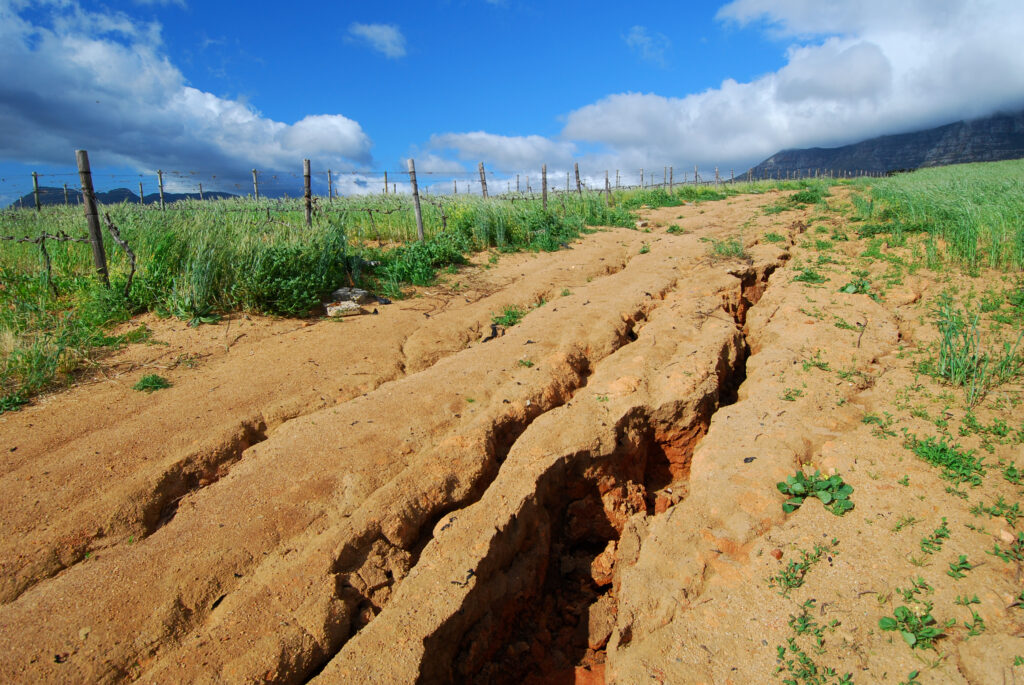
It's not for the faint of heart Going no-till certainly has been picking up steam in recent years, and overall it’s a good thing. When I first got involved in viticulture back in 2010 I was living in Italy. Like a lot of Mediterranean viticultural areas, there was a tendency to disc everything all the time. If you didn’t have a barren wasteland with vines poking out of it, you weren’t a good farmer. Anything you couldn’t get to with a tractor you sprayed with herbicide. One of my first vineyard jobs in Italy was spraying glyphosate out of a backpack sprayer all spring. I felt like I was in the final scene of the Godfather! Minus the dying part. Herbicide: the new four-letter word Mentalities have shifted since then both in Europe and here in the states. All in all it’s a good shift. We’ve all seen places that have gone on for years and years using herbicide to a point where you don’t even need to spray it anymore because that soil is so d
00

January 28, 2025

Afternoon Brief: Trump's Promise of Mass Deportations Looms over California's Wine Industry
During his presidential campaign, Donald Trump vowed to launch what he called "the largest deportation program in American history," targeting more than 11 million people...
AbridgeCopper Peak LogisticsEvan RoseIFM Efector IncKH TEC Inc.Kristin ScheelarMA SilvaMark ChaplinMaverick Enterprises IncMaxime ChapoutierPress Democrat North Coast Wine ChallengeSilicon Valley BankSommeliers Choice AwardsSouthern Glazers Wine & SpiritsStoller Family EstateSuccession WinesUC Davis Department of Viticulture & EnologyVinterActive LLCWIN Marketplace
00


Whenever the topic of wine comes up, and the discussion continues longer than it takes to uncork a bottle of the good stuff, sniffing a cork suspiciously, or say ‘hold my wine’, the conversation will invariably gravitate towards what many consider the wine capital of the world. Not quite a natural disaster, but close Not to put too fine a point on it, I firmly believe that France, and more specifically Bordeaux with its 65 appellations and more than 7,000 châteaux spanning hundreds of thousands of acres, is the wine capital of the world. And this is why recent news about the French government moving to spend €200 million to destroy 80 million gallons of excess wine utterly shocked me (read more here). What can we do about this vinous loss? Other than cracking a lame joke starting with ‘I know this guy …’ and which then delivers a punchline based on traveling to France to drink a fair portion of said doomed wine, nothing much. Which leads me t
00