
Filter Post Type
NewsVideoProductEventLink
Sort:
Most Recent
1–10 of 75
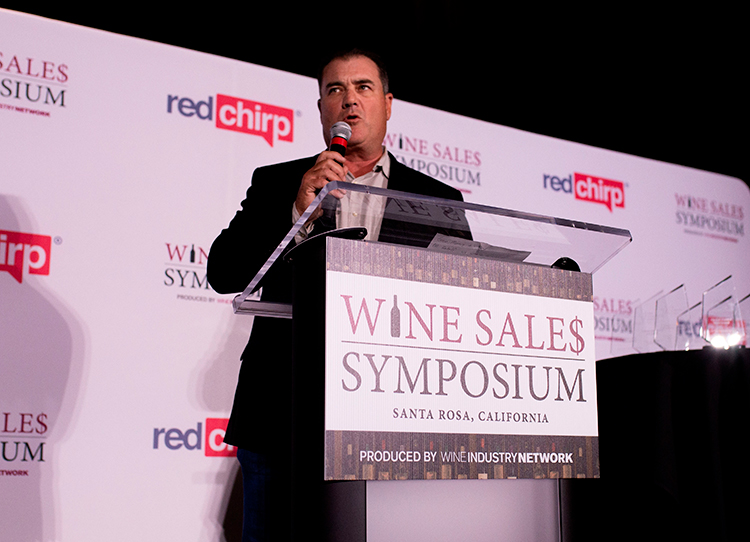
Winery leaders and industry experts explore the strategies shaping the future of wine sales. The wine industry narrative over the past two years has been dominated by decline: falling consumption, shrinking distributor portfolios, and weakening consumer loyalty. The headlines suggest an industry in freefall. But the reality is more nuanced - and more useful. Yes, overall wine consumption continues to face pressure. Consumer behavior is fragmenting in ways that challenge traditional approaches. But the full story isn’t simply decline. It’s divergence. Some wineries are still growing. Some categories are holding steady while others contract. Some sales channels are thriving while others struggle. The difference often comes down to whether wineries have adapted their strategies to match the market that exists today, not the one that existed three years ago. At Wine Industry Network’s Annual Wine Sales Symposium on May 13, Dr. Chris Bitter will present research on what’s actually happening
00
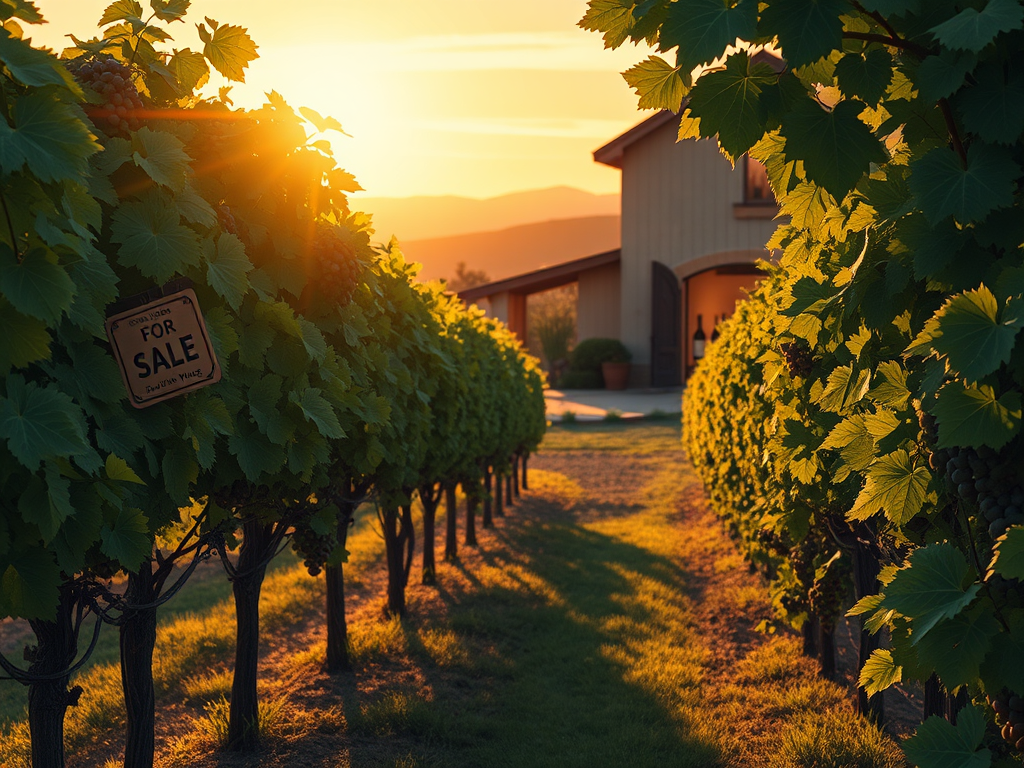
If you're thinking of selling your winery, rather than closing, this article is for you. These are the top things to consider when positioning your winery for sale in today's market. If you’re in the wine industry, you already know that this is a hard market. There are an increasing number of wineries for sale, and you likely know several others that would sell if they had the opportunity. So what do you need to do if you’re seriously considering selling your winery in the near future and want to maximize the value of that sale? Here are three areas to focus on: maximizing your cash flow, assessing your salable assets, and being honest with your expectations. Read on my Substack page. Maximize Your Cash Flow The best way to show that your winery is worth the price is to have cash flow. The highest value in a winery is, in fact, cash coming in. At the same time, most wineries consider selling because they don’t have enough of it. That tension is real, and
00
March 31, 2026
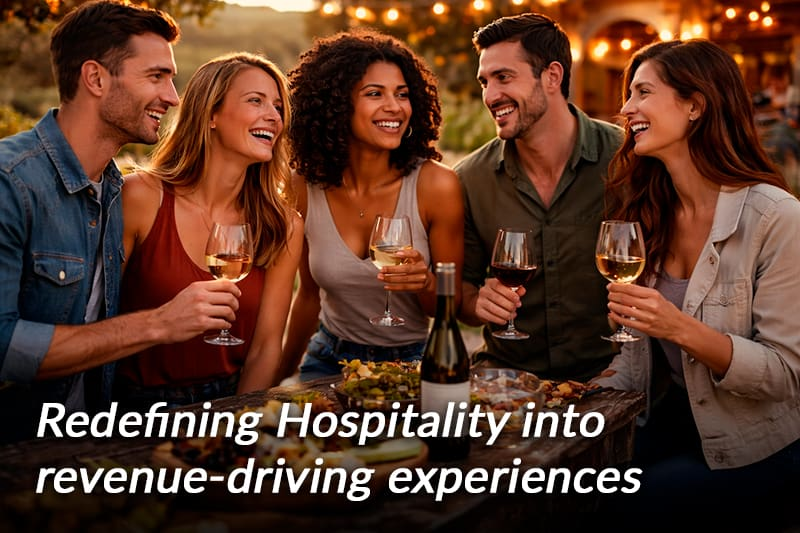
The tasting room used to be the heart of the winery business model. Walk-ins became club members. Club members became brand ambassadors. Revenue flowed predictably, and the formula worked. That’s changing. Visitation to wine regions is softening and tasting room traffic that wineries once counted on is declining. The cohort that’s most noticeably absent? Millennials and Gen Z, the consumers who should be building the next generation of wine loyalty. For many wineries, the drop-off has been gradual enough to rationalize. Blame the economy. Blame changing drinking habits. Blame competition from craft beer and cocktails. But the reality is harder to swallow: younger consumers aren’t avoiding wine country because they don’t like wine. They’re avoiding it because the traditional tasting room experience no longer competes with how they want to spend their time and money. And if wineries don’t adapt, they risk becoming relics of an industry that waited to
00
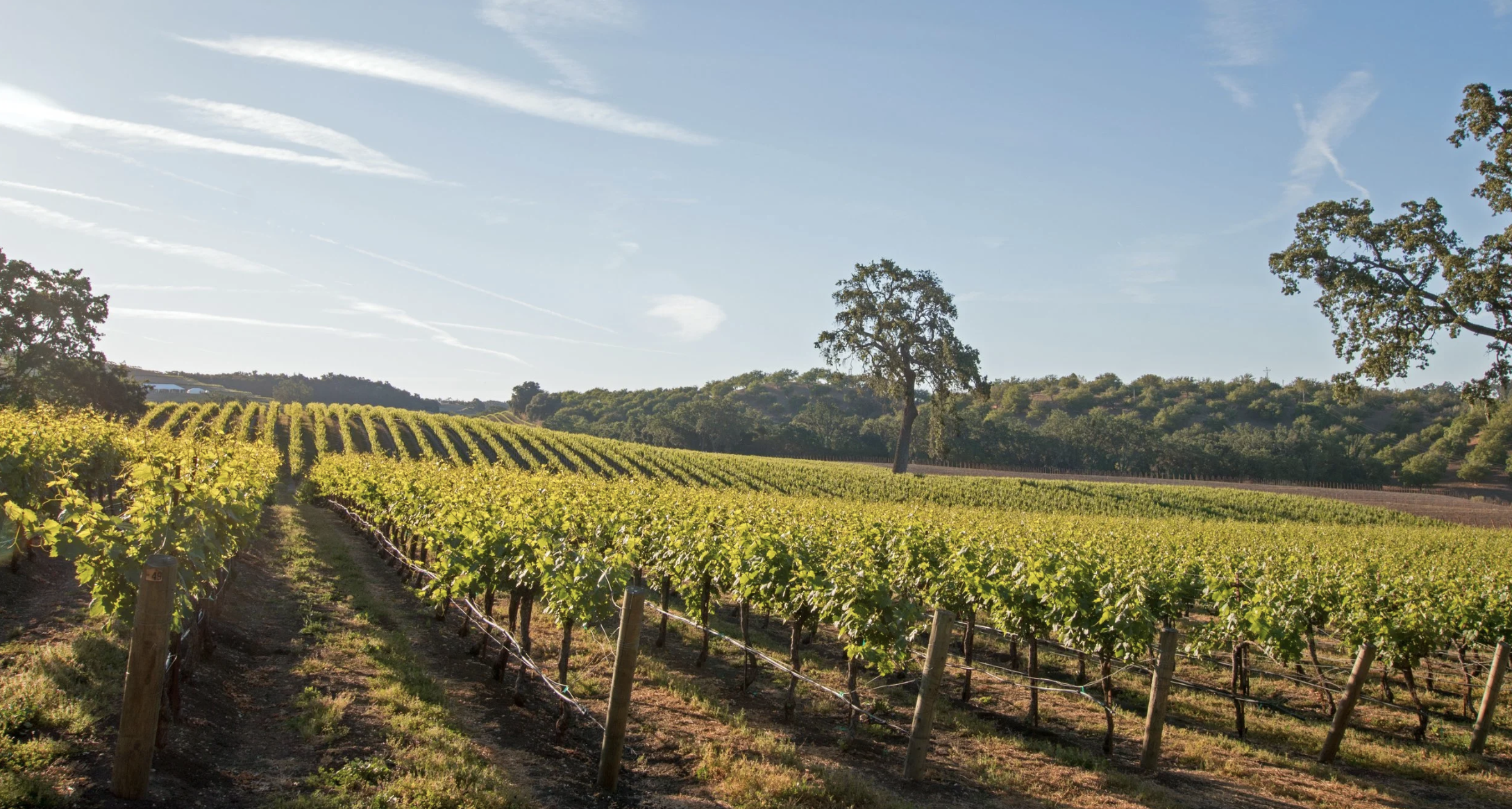
Your next customer will see your winery before they ever taste your wine. They'll see it on Instagram while planning a weekend trip. They'll see it on your website while deciding whether to book a reservation. They'll see it in an email while considering whether your wine club is worth joining. And in every one of those moments, they're making a decision based on what your visuals tell them about who you are. This isn't a trend. It's how people buy now. According to a 2023 study by Cloudinary and Harris Poll, 75% of online shoppers say product photos are the most influential factor in their purchase decisions. That number holds across categories, and it holds in wine. The difference is that wineries aren't just selling a product. They're selling an experience, a place, a feeling. Which means your visual content has to do more work than a product shot on a white background. It has to make someone want to be there. Most wineries know this on some level. Fe
00

March 16, 2026
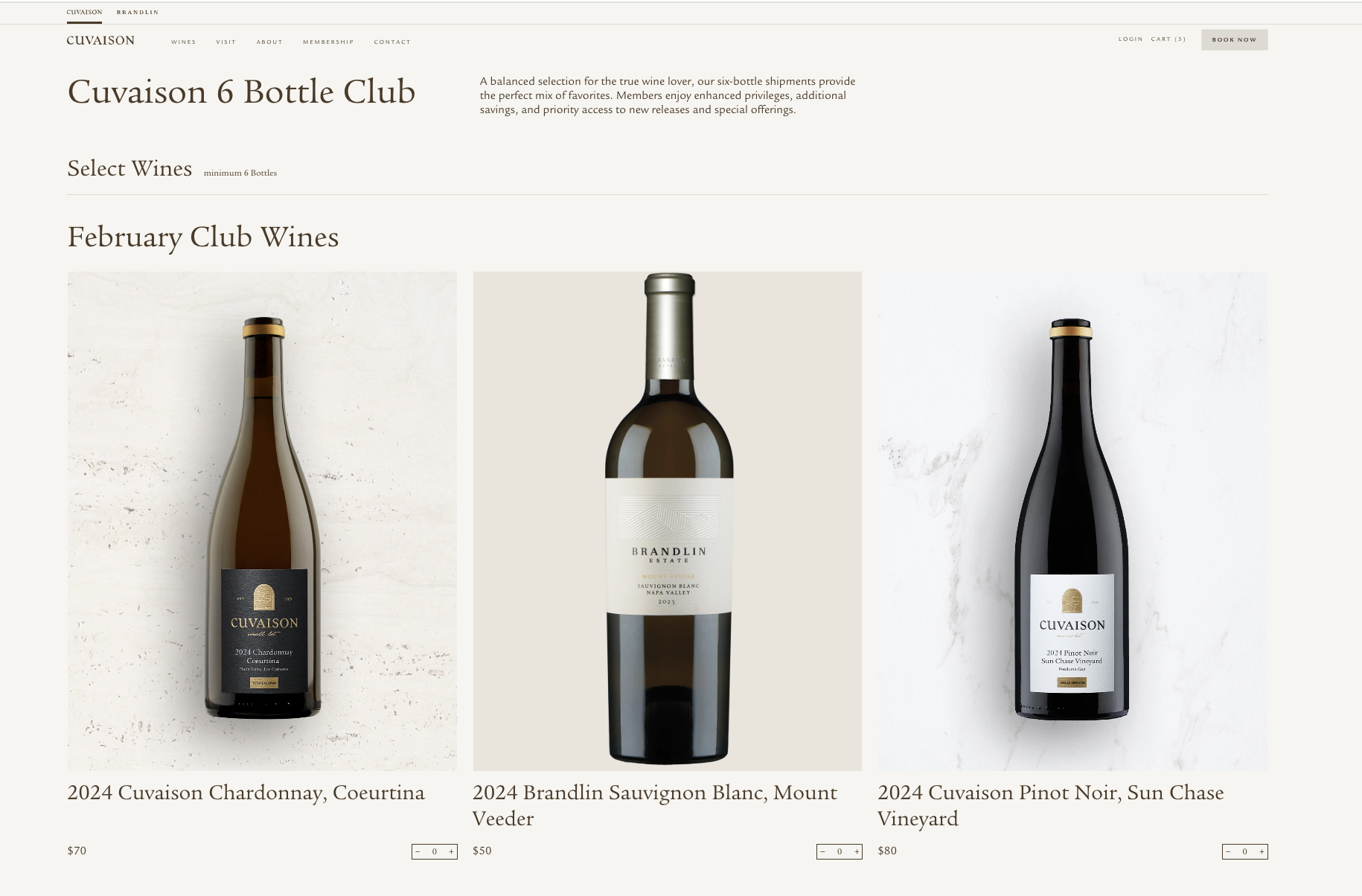
For a long time, the standard wine club model was simple: you pick the wines, you set the price, members sign up and receive what you ship them. Curated. Chef's kiss. Non-negotiable. That model still works — for the right clubs and the right member base. But the world has shifted. Members who joined in the past few years have been shaped by Amazon, Stitch Fix, and a dozen other subscription experiences that gave them control. They've come to expect customization as the default, not a premium. And the data backs this up. Wine clubs that offer member customization see measurably lower churn, higher average order values, and stronger long-term engagement. Not because flexibility is inherently better — but because it removes one of the most common reasons members leave. The Cancellation You Could Have Prevented When you look at why wine club members actually cancel, a consistent pattern appears: "I already have too much wine." "I don't dr
00
February 10, 2026

After 30 years of moving up and to the right, the American wine industry hit a wall. Not a temporary slowdown or a soft patch. A structural shift that requires a fundamentally different marketing playbook. 2025 was the reality check. 2026 is the year wineries either adapt or watch their customer base age out beneath them. The data is now unambiguous: wine sales dropped approximately 6% in 2024, marking the steepest decline in decades according to SipSource industry data. More troubling than the headline number is what's driving it. This isn't a recession blip or a bad vintage. It's a fundamental realignment of who drinks wine, how they buy it, and what they expect from the brands they choose. Here are the five trends reshaping the US wine market and what they mean for your brand's survival. The Demographic Disruption The wine industry built its growth on one generation: Baby Boomers. That generation is now aging out. The Wine Market Council's 2025 U.S. Consumer Ben
00

The wine club isn’t dying. It’s being rewritten. Wine clubs in 2026 still matter, but the way wineries build and grow them has fundamentally changed. What has changed is the lifestyle of the people in them. In 2026, the strongest force shaping wine club behavior is the Millennial generation — not because they are the only wine buyers, but because the way they live, spend, and subscribe has become the default expectation for everyone else. They are running households, hosting friends, raising families, managing busy schedules, and making more intentional purchasing decisions than any generation before them. That reality is quietly transforming what a wine club needs to be. Why lifestyle now matters more than allocations Wine clubs used to compete on bottles: how many, how rare, how discounted. That’s not how people experience wine anymore. Most members don’t think in terms of allocations or case sizes. They think in terms of how wine fits into their lives &
00
December 16, 2025
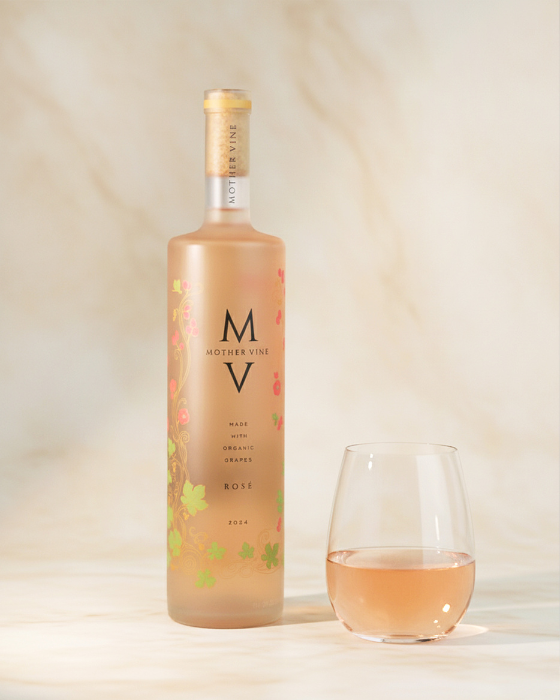
This Rosé from Shannon Family of Wines traces its lineage to “The Mother” vine — brought from Croatia in 1870. More than 150 years later, the wine carries forward a story of heritage and legacy. The bottle decoration needed to be as special as the story. The solution was frosting, a finish that elevates the glass with quiet sophistication. By keeping the design minimal, the frost enhances the surface with a clean, diffused glow. First, the artwork was printed 360° around the bottle in durable ceramic inks. The neck was decorated with the brand name, and a delicate gold band was added along the lip. Once printed, the entire bottle was frosted, preserving every detail beneath a soft, misted layer that evokes the look of chilled wine. For elevated designs, frosting isn’t just a finish. It’s a storytelling device — adding depth, quiet contrast, and visual restraint. The texture is smooth and elegant — irresistible on the shelf.
00
November 24, 2025
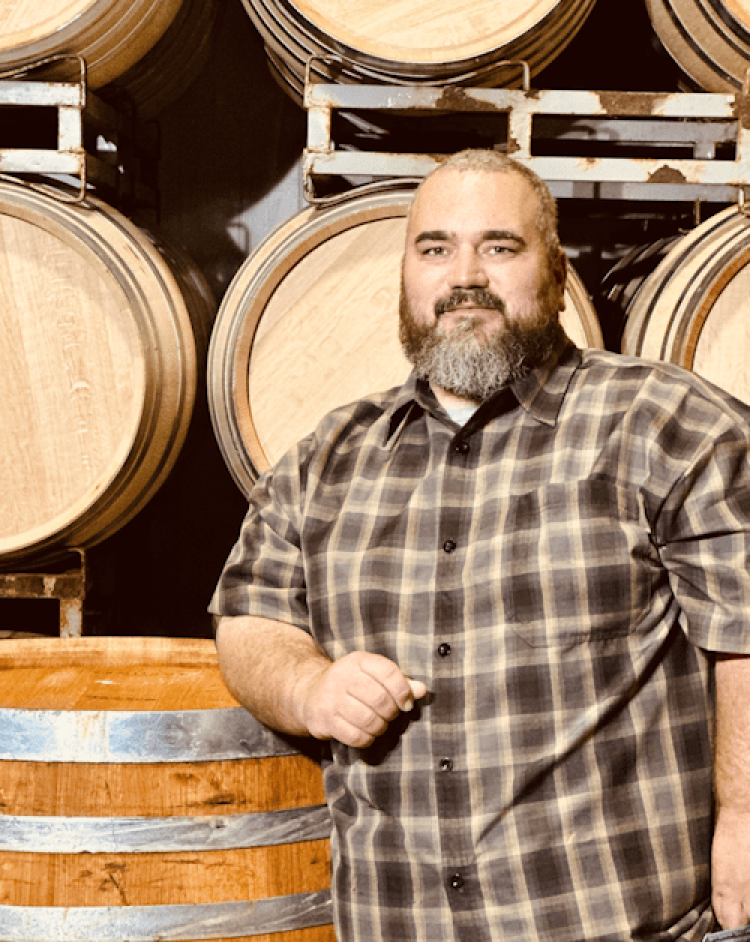
Walk into almost any winery this week and you’ll see the same thing: equipment everywhere, barrels tucked into every open spot, and crews doing their best to move fruit through a cellar that already feels packed. Harvest always brings some level of chaos, but this year the space squeeze seems to be hitting harder than usual. And when the cellar is this tight, it quietly changes how winemakers make decisions. Not in big, obvious ways — but in the small, practical choices that add up over the course of a vintage. That’s where the hidden costs start to show themselves. 1. Lots Are Being Shifted Earlier Than Planned A full cellar forces movement. Not thoughtful, deliberately timed movement — just movement. When every open vessel is already promised to incoming fruit, winemakers end up: racking earlier transferring before a lot is truly settled finishing fermentations in whatever vessel is available consolidating lots sooner than planned None of these decisions a
00
August 5, 2025
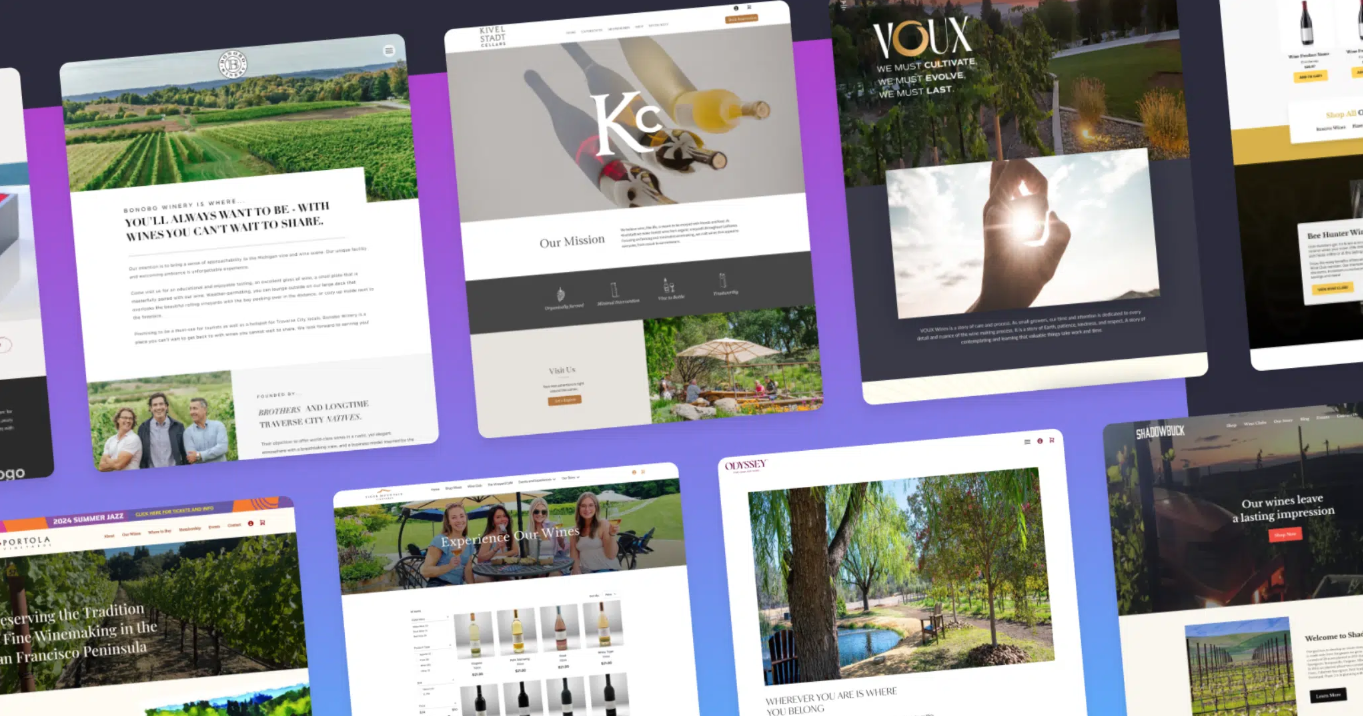
Stunning homepage photography. A poetic paragraph about the vineyard. Elegant design. But then… nothing happens. No shop activity. No wine club signups. No urgency to buy. No navigation to guide the visitor on where to go next. And if someone does find the shop or club page, they’re met with a clunky checkout or sign-up form that feels like an obstacle course, especially on mobile. This is where so many wineries fall short. Your winery website isn’t just a digital brochure; it’s your hardest-working DTC sales channel. When it’s built and optimized the right way, it’s selling wine, growing your club, booking visits, and telling your story 24/7. When it's not? You’re losing potential revenue every single day. The good news is that these problems aren’t permanent. They’re fixable, and we’ve seen wineries transform their online performance in just a few weeks once the right changes are made. After conducting hundreds of winer
00