
Filter Post Type
NewsVideoProductEventLink
Sort:
Most Recent
1–4 of 4

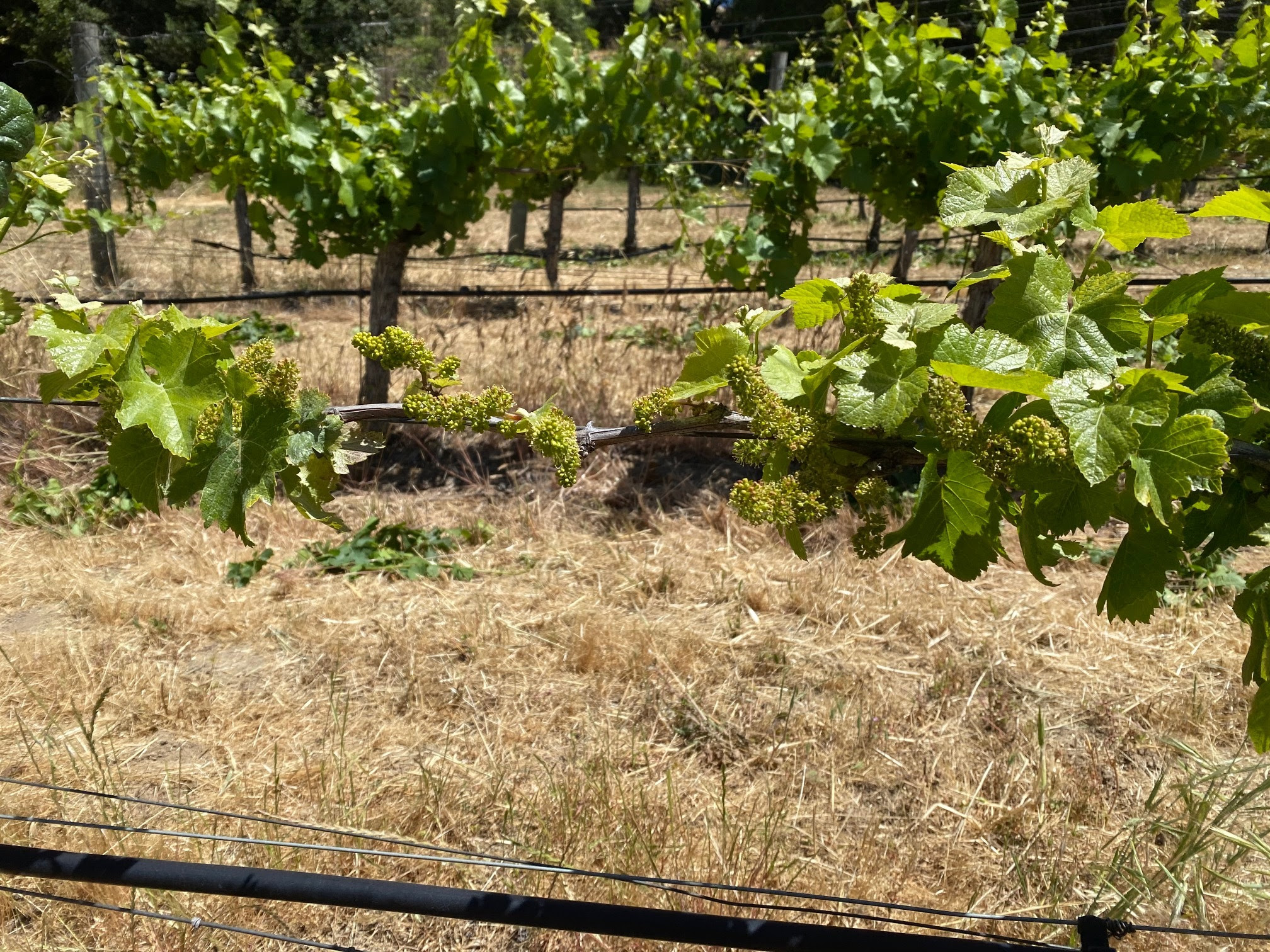
Not to state the obvious… There are a lot of factors contributing to the low yield this year. Let’s address the most glaringly obvious one: things got hot. September temperatures reached over 105° in many parts of the state and stayed that way for a week. Many places got even hotter than that. These hot and dry conditions are great for producing raisins, and unless you had a huge canopy protecting your vines or plenty of water to keep microsprinklers going, your grapes just dehydrated. We’ve discussed in past posts how little irrigation can do to combat this kind of heat stress. After veraison, the berries are pretty much cut off from the xylem (the vascular tissue that carries water up from the roots), so laying on the water isn’t going to do much. It can help keep the canopy active, but temperatures above 105° (40.5°C) can damage cells and denature enzymes. This includes enzymes vital to flavor development and ripening. Many growers in the North
00
September 8, 2022
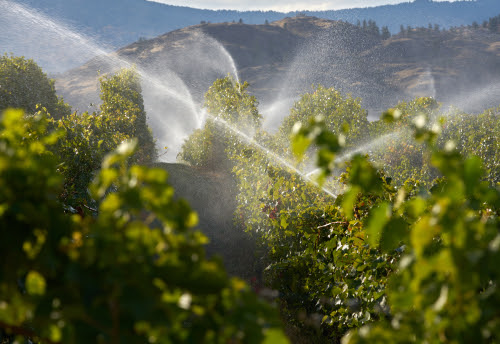
The following is an excerpt from a recent blogpost reprinted from WBM, 2009 by Mark Greenspan. The moderate climate enjoyed by the North Coast is frequently interrupted by periods of high heat. The heat waves can reach well into the 100’s, sometimes reaching above 115°F. While foliage is sensitive to heat, it has the advantage of transpiration, which is a natural way in which leaves cool themselves by evaporating water from their interiors. On the other hand, fruit lack active stomatal pores and cannot cool themselves as effectively as leaves. Pigmented fruit will absorb additional energy from the sun, as it reflects less sunlight energy than light-skinned grapes. Outer berries, exposed to direct sunlight, may reach 15°F above ambient temperature. High temperatures are detrimental to fruit and wine quality. Apart from the obvious consequences, such as sunburn, shrivel and loss of pigment, the heat may also lead to changes in flavor, aroma and mouthfeel compounds and precu
00
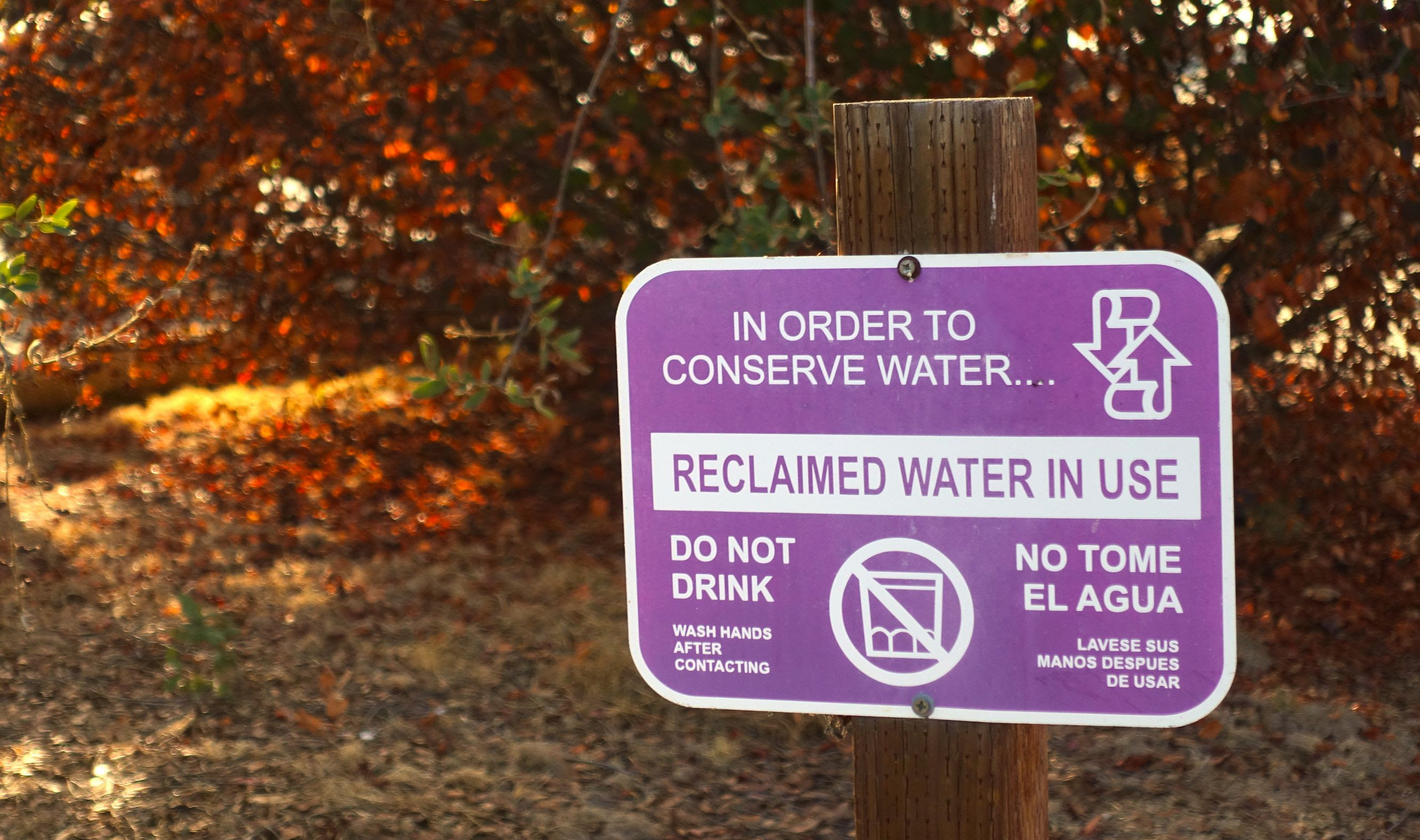
This month, Congress (barely) passed the Inflation Reduction Act, known colloquially as "The Climate Bill." This bill puts an unprecedented $369 billion towards reducing carbon emissions and investing in domestic energy production and manufacturing. A big slice of this is ear-marked for agriculture. How much you ask? Let's see... $4 billion is included specifically for drought-assistance for the West and the Colorado River Basin via the Bureau of Reclamation. $14 billion is going to support rural electric cooperatives' transition to cleaner energy and help farmers invest in renewable/more-efficient energy. This is the single largest investment in home-grown biofuels...ever. $5 billion is going to protect communities from wildfires and combat the climate crisis through climate-smart forestry. $25 million is going towards climate-smart ag and soil health innovations. Some of this can be a little nebulous, but one very clear point is that $20 billi
00

G3 Boutique caters specific equipment and solutions tailored to fit the needs of the small to mid-size producers up and down the California Coast. To learn more please visit https://www.g3enterprises.com/g3-bout.... We want to work with you!
00