



Filter Post Type
NewsVideoProductEventLink
Sort:
Most Recent
1–10 of 11
November 17, 2025

For many North Coast growers, Fleabane has gone from an occasional nuisance to a persistent challenge. Once it takes hold between rows or drip lines, it competes with young vines for moisture, slows canopy growth, and creates long-term pressure that can be costly to manage later in the season. What’s catching many growers off guard right now is timing. Fleabane does most of its damage before spring even begins. By the time it becomes tall, fibrous, and woody, mechanical removal struggles, contact herbicides lose effectiveness, and regrowth surges after bud break. Why Fleabane Persists Unlike many annual weeds that fade with summer heat, fleabane germinates and seeds aggressively over winter, forming low mats that harden into upright stalks by early spring. That’s why post-harvest through dormancy (Q4) is often the most strategic time for control, not April or May when vineyard crews are already stretched across canopy management an
00

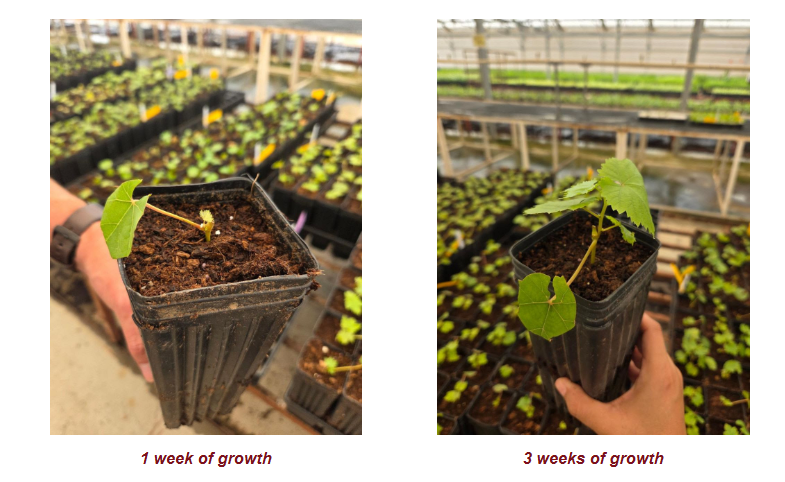
Mist propagation represents an innovative solution during periods when traditional hardwood cuttings may be limited, and is the most effective method for cultivating new rare varieties or special clones. Our nursery primarily utilizes this propagation technique when we receive new varieties from Foundation Plant Services (FPS), enabling us to establish a new mother block or expand existing ones. This method is also essential for maintaining the proper certification of the vines provided by FPS. This technique guarantees that vineyard owners receive exceptional genetic consistency with each vine produced, as every new vine is propagated from the same mother plant. With a single cutting, we can multiply the original vine to a quantity large enough to plant an entire vineyard. The Process Upon receiving the certified cutting from FPS, the cutting is first dipped in a growth hormone, and the edges of the leaves are trimmed to promote root development. This small cutting is then planted in
00
December 2, 2024

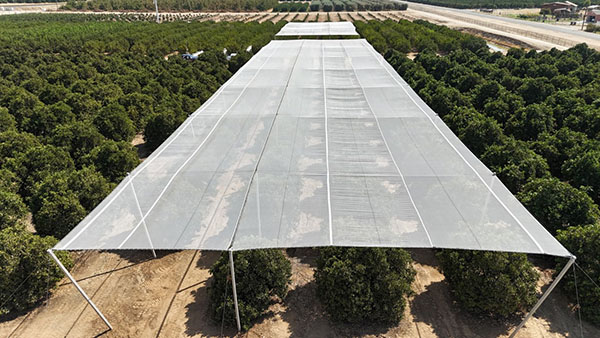
Winegrowers are nothing if not adaptable, given that the grape is a harbinger crop, or in more prosaic terms, the canary in the coal mine for agriculture. As a result, when climate shifts generate more frequent heat waves of higher temperatures and longer duration, viticulturists swing into action with a toolbox of methods to mitigate the effects. Growers use misters to cool the air around the grapes, irrigate in advance of heat waves to prevent dehydration, and even apply anti-transpirants that work like sunscreen to protect from sun damage. Medium-term options include changing canopy management to delay ripening and using regenerative farming techniques to boost water retention in the soil. The most aggressive strategies involve relocating vineyards to cooler microclimates or pulling up and replacing less heat-tolerant varietals. However, vineyard owners are unlikely to invest in these approaches while consumption and demand are declining. A better alternative wou
00

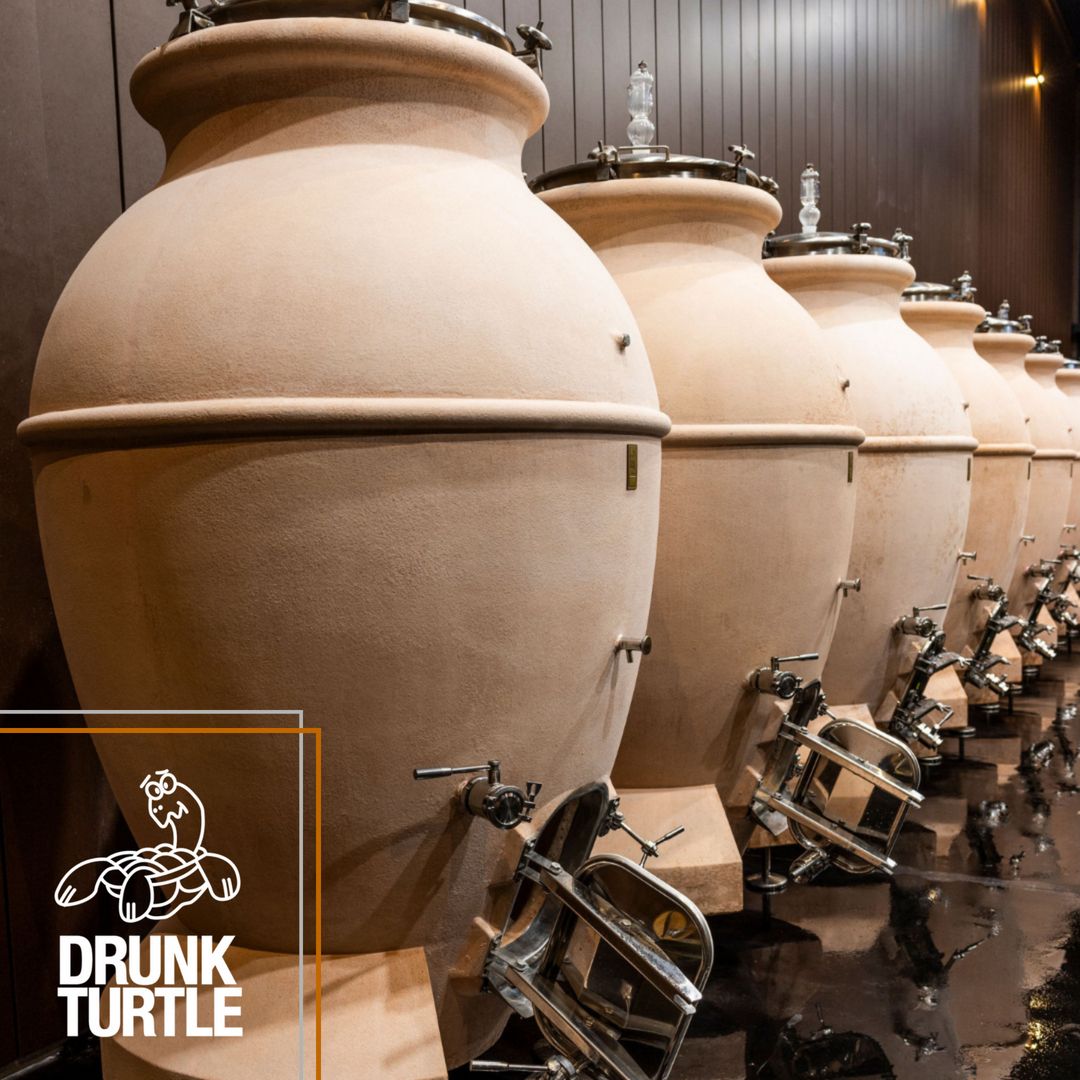
History Drunk Turtle is a family-owned company led by the Brini family and located in Pontedera, Tuscany, Italy. The company was founded in 2014 by a group of wine industry professionals, architects, and engineers who repurposed an ancient Roman concrete recipe: "Cocciopesto" for building wine fermentation and maturation vessels called Opus. The name Drunk Turtle is derived from Italy's Slow food movement, the extremely hard shell of a turtle and the love for wine. Today The Brini family are now the sole owners of the company and are also involved in the wine industry with their family winery: Il Conventino, located in Montepulciano, Italy, and their Tuscan gin brand: Ginepraio. Through years of research and development with the University of Pisa, Drunk Turtle has perfected their Cocciopesto recipe and currently produces more than 200 Opus a year which are sold predominantly in France, Italy, and other important winemaking countries. Material - Cocciopesto Cocciopest
00
August 17, 2023

Afternoon Brief, August 17th
New Sweet Spot for Direct Wine Sales: Consumers buying direct from wineries are trading up, but Napa is still too expensive for them...
St. Supéry Estate Vineyards & WineryHead High WinesLivermore Valley Wine CommunityRhone RangersHealdsburg Bubble BarColorado Mountain WinefestLearnAboutWineDomaine Rolly GassmannSevenfiftyVinepairSanctuary VineyardsJ-Harden WinesRamey Wine CellarsSemiosResource Label GroupNorthBay Equipment Service & SalesWente VineyardsLarson Family WineryJaM Cellars
00

While associated with fun and frivolity, sparkling wine is a complex wine of many moving parts that requires serious skill to make. We catch up with some of the leading lights in the fizz industry, from Champagne, Spain and England, to find out the secrets of their craft and the challenges surrounding creating a consistent sparkling wine style in an ever-changing climate. Synonymous with celebration, sparkling wines are easy to enjoy but challenging to create. Crafting quality fizz requires a skilled hand, well-trained nose, razor-sharp intuition and nerves of steel come harvest time, when deciding on the perfect moment to pick feels like a game of Russian roulette. Cellar masters are the wizards of the wine world, able to create a consistent style of wine each year from hundreds of elements amid increasingly erratic weather conditions. They have to be time travellers too, projecting themselves into the future when tasting aggressively acidic base wines, working out how they will harmo
00