
Filter Post Type
NewsVideoProductEventLink
Sort:
Most Recent
1–10 of 114

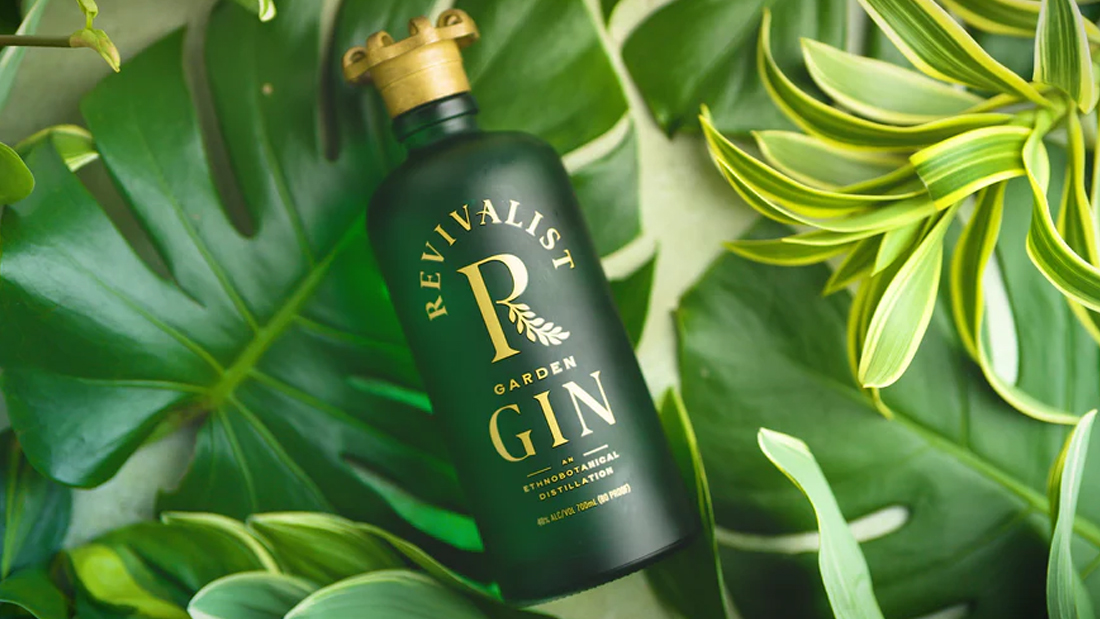
The wine and spirits industry is standing on the precipice of a major design evolution. For years, “premium” was defined by weight, excess, and tradition. For 2026, a new definition of luxury is emerging; one that values intelligence over mass, and tactile storytelling over simple visual appeal. For brand owners and procurement leaders, staying ahead of these glass packaging trends in 2026 is no longer just about aesthetics; it is a matter of strategic survival. From the rise of “quiet luxury” and right-weighted glass to the complex pressures of global supply chains, the packaging decisions made today will define brand resilience tomorrow. In this forecast, we explore how sustainable luxury, ergonomic innovation, and smart supply chain strategies are reshaping the premium landscape, and how Global Package provides the specialized glass solutions needed to help you navigate this future. The State of Glass Packaging for Wine & Spirits At Global Package, we&r
00

February 10, 2026

After 30 years of moving up and to the right, the American wine industry hit a wall. Not a temporary slowdown or a soft patch. A structural shift that requires a fundamentally different marketing playbook. 2025 was the reality check. 2026 is the year wineries either adapt or watch their customer base age out beneath them. The data is now unambiguous: wine sales dropped approximately 6% in 2024, marking the steepest decline in decades according to SipSource industry data. More troubling than the headline number is what's driving it. This isn't a recession blip or a bad vintage. It's a fundamental realignment of who drinks wine, how they buy it, and what they expect from the brands they choose. Here are the five trends reshaping the US wine market and what they mean for your brand's survival. The Demographic Disruption The wine industry built its growth on one generation: Baby Boomers. That generation is now aging out. The Wine Market Council's 2025 U.S. Consumer Ben
00
January 8, 2026
Alcohol beverage importers may finally get their answer from the United States Supreme Court this week on the validity of the Trump Administration’s tariffs issued pursuant to the International Emergency Economic Powers Act (IEEPA).[1] Recent news reports suggest that the Court’s answer may come as early as this Friday, when the Court is scheduled to issue opinions on pending cases. Based on the questions posed by both liberal and conservative justices during oral argument, many commentators expect the Court to conclude that the president exceeded his authority by invoking IEEPA to issue those tariffs. There are, however, a lot of open questions beyond just the validity of the tariffs. Most importantly, if the Court finds the tariffs are invalid, will importers that have already paid the tariffs be entitled to refunds and what will the process be for getting those refunds. Questions also remain as to whether the case will be remanded to a lower court to determine the
00
December 4, 2025
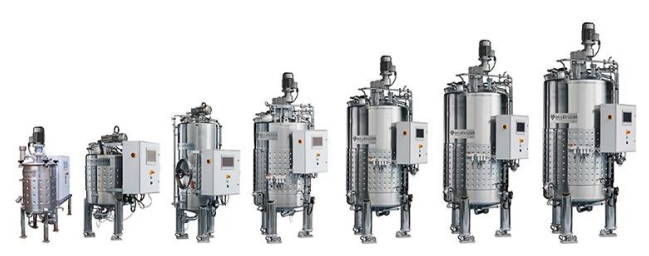
Napa, California - VA Filtration and LEV2050 have established an exclusive North American distribution agreement. VA Filtration and LEV2050 have established an exclusive distribution agreement for North America and Chile. This partnership allows VA Filtration, based in Napa, California, to be the sole distributor of LEV2050’s bioreactors and related fermentation technology. The agreement leverages VA Filtration’s established presence and expertise in wine and beverage filtration, combined with LEV2050’s innovative bioreactor systems for yeast and bacteria propagation. Through this collaboration, wineries and food producers in North America and Chile gain direct access to LEV2050’s advanced microbiology solutions, streamlining imports and support. Recent import records confirm shipments of LEV2050 bioreactors to VA Filtration, highlighting the active implementation of this exclusive distribution arrangement. “We have always been known for our innovati
00
November 10, 2025
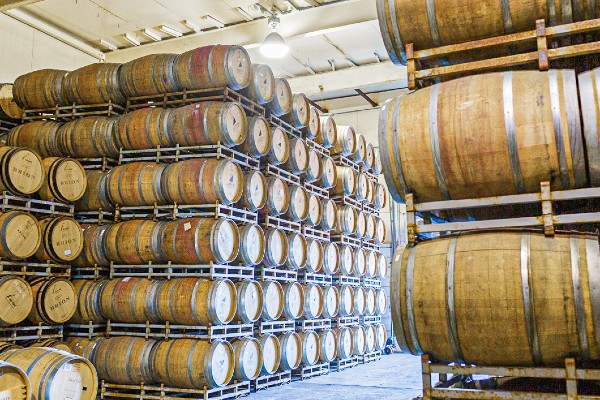
Sustainability in winemaking goes far beyond vineyards, irrigation, and lightweight glass. Increasingly, wineries are looking deeper into their production cycle—and discovering that one of the most impactful places to make change is in the cellar itself: the oak barrel. Each new wine barrel represents decades of forest growth. Most oaks used for cooperage take between 80 and 120 years to mature before they’re harvested, and each barrel requires multiple trees’ worth of wood. When those barrels are used only once or twice before being retired, the environmental cost is steep. Reusing or recoopering existing barrels extends the life of that oak, maximizing its carbon value and minimizing waste. This practice reduces demand for new trees, cuts down on shipping emissions associated with importing new oak, and prevents thousands of barrels from being discarded prematurely each year. In short, extending barrel life is one of the most practical forms of sustainability availa
00
October 27, 2025
Walk into any cellar this season and you’ll see barrels in every stage of life — new, neutral, recoopered, or quietly leaking in the corner. The challenge isn’t just keeping up with what you have; it’s knowing which barrels are still earning their place. In a softer market, where margins are thin and cellar space is tight, every barrel decision carries more financial weight than it used to. Replacing by habit no longer makes sense. Instead, wineries are learning to treat barrels like what they really are — long-term assets that deserve the same attention and strategy as any other part of production. The Barrel ROI Framework: Knowing When It’s Time Every barrel has a life cycle — and like any asset, there’s a point where the cost of keeping it outweighs its return. Instead of guessing, wineries can look at the decision through a simple ROI equation: Barrel ROI = (Years in Use × Oak Value) – Maintenance Cost – Risk of Loss
00
.jpg)

Savour Quality from Europe: Tuscany’s Wine and Olive Oil Icons Find New Fans in Canada October 2025 [Vancouver, BC] Canadians are falling in love with the real taste of Tuscany as testimonial of the European quality. This year, two of the most respected European producer groups, the Consorzio Vino Nobile di Montepulciano and the Associazione Produttori Olivicoli Toscani (APOT), are sharing their story through the European Union–funded campaign Savor Quality from Europe. The campaign celebrates craftsmanship, authenticity, and sustainability by connecting Canadians with the winemakers and olive growers who represent the heart of European culture. Why Canada’s Falling for European Products Canada is becoming one of the most exciting destinations for premium European food and wine. Consumers here want products that tell a story: where they come from, who makes them, and why they matter. The Consorzio Vino Nobile di Montepulciano and APOT see that as a perfect match for
00
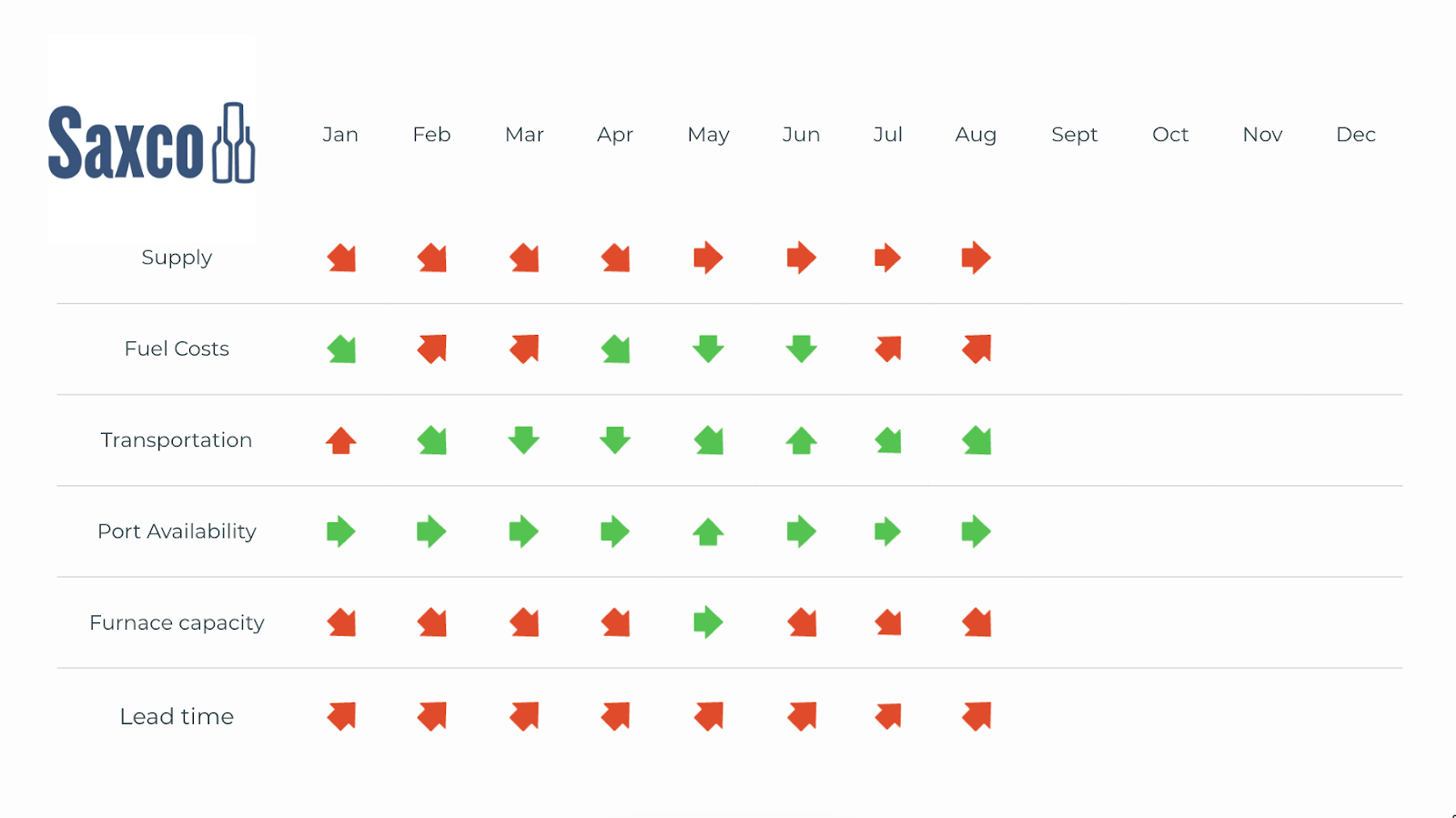
July's supply chain landscape feels deceptively calm, but the undercurrents are shifting. Fuel costs ticked upward again – $3.599 to $3.779 per gallon – putting quiet pressure on logistics, even as transportation costs eased with the surprising disappearance of peak season surcharges. That dip is a welcome but likely temporary reprieve. On the production side, capacity continues to tighten: OI’s Portland plant has officially closed, and two additional furnaces are scheduled to go offline, which continues to raise concerns about domestic supply heading into the back half of the year. Lead times have not budged from June’s elevated levels, but with fewer furnaces online, we are likely to see that stress compound by fall. Ports remain neutral, and overall supply feels steady – but for now, it is a still surface over increasingly strained infrastructure. Tariff watch: The rules are changing The new US tariff rates announced on July 31 mark a signifi
00

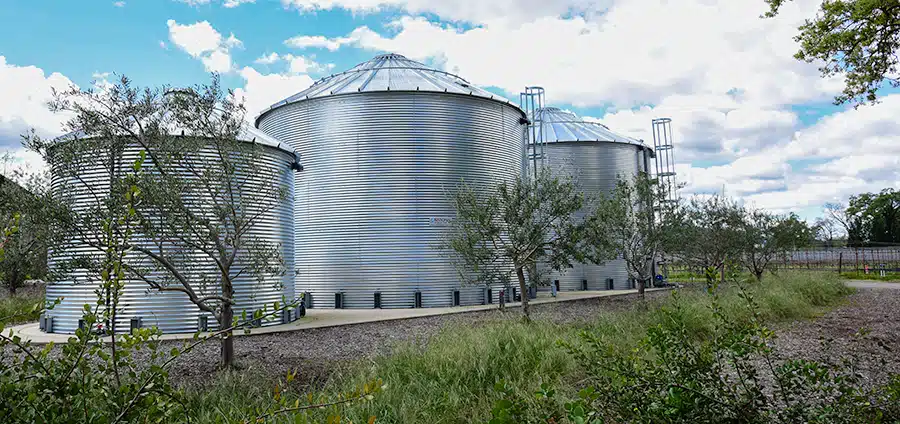
Why Delaying Your Purchase Could Cost You More Than You Think In today’s unpredictable economic climate, industries from agriculture to data centers and hospitals to municipalities face rising costs and shrinking timelines. If you’re considering purchasing a steel water storage tank, the time to act is now. National Storage Tank is here to break down the top 10 reasons why buying your steel tank today is smart and, in some cases, essential. Here are 10 reasons why buying your steel tank today 1. Rising and Unpredictable Tariffs on Steel Imports Tariffs on imported steel fluctuate, often rising without warning due to trade negotiations, global policy shifts, and protectionist economic measures. These tariffs directly increase the cost of steel, affecting all steel-related applications like Water and other liquid storage tanks. Locking in your tank price today protects you from the next price hike and is one of the surest ways to stay even close to budget on some projects.
00
May 22, 2025
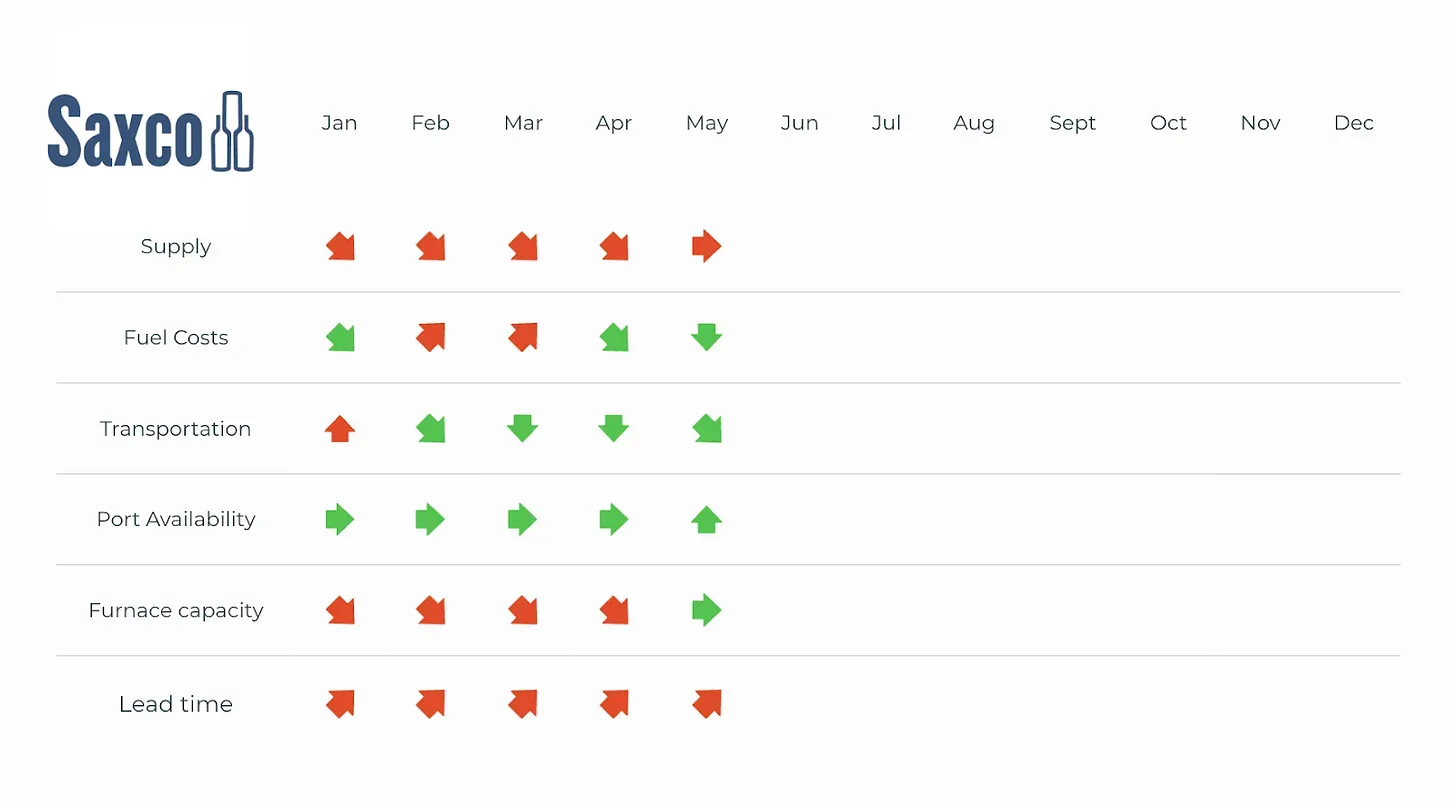
In recent years, US trade policy developments – including broad tariffs and anti-dumping/countervailing duties – have disrupted global supply chains and increased costs across multiple industries. The wine and spirits sector, in particular, continues to experience the ripple effects of trade tensions involving key packaging sources such as China, Mexico, and Canada, along with ongoing tariffs on aluminum and steel. On April 2, 2025, President Trump invoked emergency trade powers under the International Emergency Economic Powers Act (IEEPA), imposing a 10% “baseline” IEEPA tariff on most imported products from most countries, effective April 5. Higher tariff rates on imports from 57 countries were temporarily suspended for all but China, providing a 90-day reprieve. Meanwhile, China was subjected to 125% IEEPA reciprocal tariffs plus 20% IEEPA “fentanyl” tariffs, as well as any other applicable tariffs, such as the 25% China Section 301 tariffs initia
00