
Filter Post Type
NewsVideoProductEventLink
Sort:
Most Recent
1–10 of 48

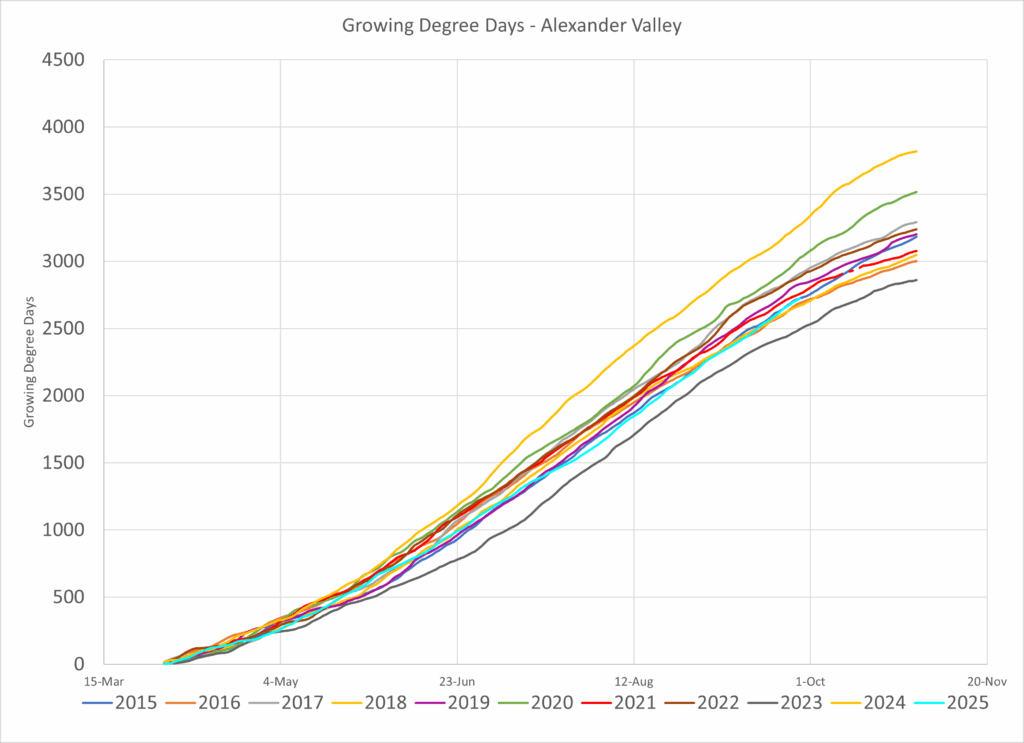
If this year is defined by a singular emotion, it’s anxiety. That’s nothing new in farming, however I’m talking about anxiety over the abysmal grape market rather than any natural phenomenon. Many of us were so busy scrambling for buyers, we may have forgotten to notice just how great the weather has been. Why wouldn’t we get handed a great year when most of us can’t sell any grapes? Let’s look at some numbers My gut feeling was that 2025 was similar to 2023 with a few big differences. 2023 saw some record high rainfall in the winter and early spring throughout California. Even the Paso Robles area got around 21” of rain from July 1st 2022 to July 1st 2023, up from a whopping 6.5” the year prior. That amounted to lots of nice canopy development early in the year and some good yield potential, provided you didn’t get shatter during the chilly springtime. This year however, the Central Coast was back to a measly <7” of rain w
00
September 8, 2025
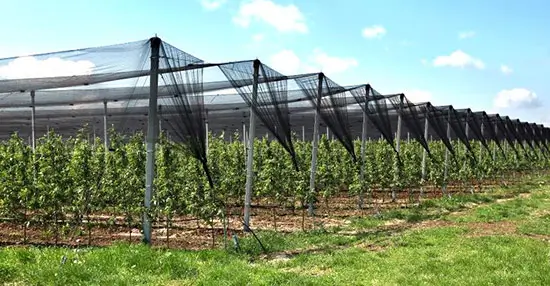
As vineyard owners adapt to record heat waves, canopy management and climate-mitigating techniques are front and center, but the real unsung hero might be the trellis system itself. Temporary fixes can only go so far when the foundation isn’t strong. That’s why growers are rethinking traditional wood and steel posts in favor of long-lasting alternatives like concrete vineyard posts, which offer the durability and strength needed to support climate-adaptive tools such as shade canopies. In extreme weather, - heat, wind, or even wildfire-prone regions - concrete posts outperform conventional materials. They’re fire-resistant, pest-proof, and strong enough to withstand the tension of netting systems without bending or warping. With the right anchor configuration, they can also be adapted to various terrain and row widths, giving growers more flexibility as their needs evolve. When combined with shade netting, concrete posts offer a stable infrastructure that lower
00
August 25, 2025
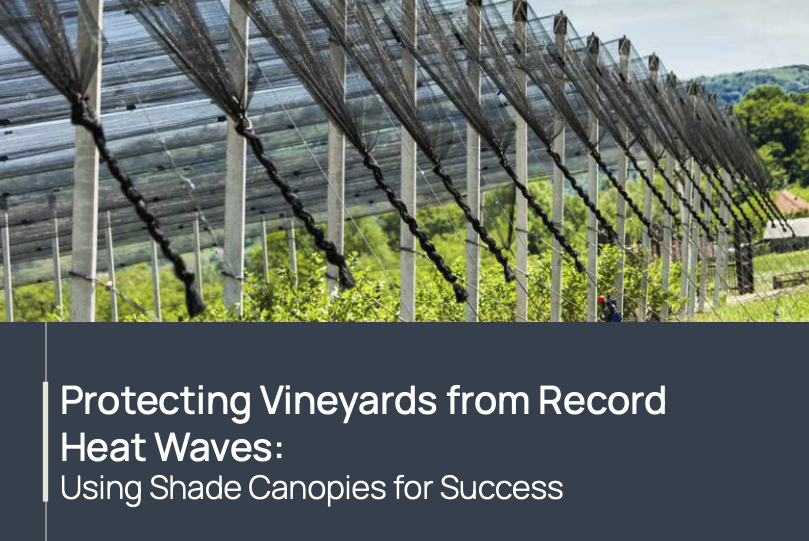
When a heat wave hits mid-season, vineyard managers face a tough choice: risk sunburned grapes or pick too early and sacrifice flavor development. But there’s a third option gaining momentum - shade canopy systems. Shade canopies are proving to be a powerful tool in protecting fruit integrity during heat spikes. Research out of UC Davis shows that these overhead mesh structures can reduce sun exposure by 30-40% and lower the fruit zone temperature by up to 12°F. This seemingly simple strategy has profound benefits: • Less shriveling means higher yields • Improved anthocyanin and color development • Better pH stability and titratable acidity • Reduced irrigation demand For growers, this translates to grapes that reach maturity without the stress-induced imbalances that compromise flavor, aroma, and longevity in wine. Even better, these systems don’t require a complete vineyard overhaul. Many can be retrofitted onto existing infrastructure with mi
00
August 18, 2025
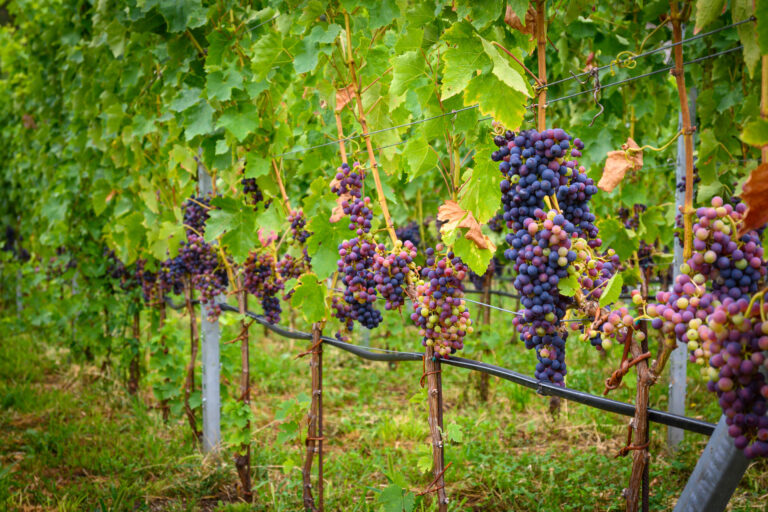
As climate extremes become more frequent, record-breaking heat waves are no longer rare events—they’re part of the new normal. For vineyard owners, the impact is immediate and severe: grapes shrivel, acid levels plummet, and fruit quality suffers. But while we can’t control the weather, we can adapt. Recent studies from institutions like UC Davis confirm what growers are seeing firsthand—heat spikes during the growing season have a direct and measurable impact on grape physiology. That translates to early harvesting, unpredictable flavor profiles, and rising losses due to sunburn and dehydration. So, how do you protect your vineyard from the next heat wave? Shade canopies are emerging as one of the most promising solutions. Acting like a sunscreen for your vineyard, these lightweight mesh structures reduce ambient temperatures around the fruit zone by up to 12°F. The result? Grapes with better color retention, reduced shriveling, and higher yields—with
00


X-ray vision into volumes. A spidey-sense for leaks. The ability to teleport from ranch to ranch. Lumo gives irrigators superpowers. Or, more practically, it’s a tool they can use to irrigate with efficiency and precision. It saves them time turning valves and walking the lines looking for leaks, and it gives them a more complete picture of their irrigation system’s health and performance. With Lumo’s block-level data and accountable automation, irrigators can better protect their crops and critical infrastructure from damage, and achieve higher levels of irrigation precision across more acres. Lumo does not replace irrigators. It makes them better. It gives them the ability to do more with less and deliver better results. Five ways Lumo helps irrigators drive irrigation system performance and precision 1. Catch leaks as soon as they happen, not hours or days later. Leaks are often only visible after the water’s been running for a few hours. And even then, an
00
June 2, 2025
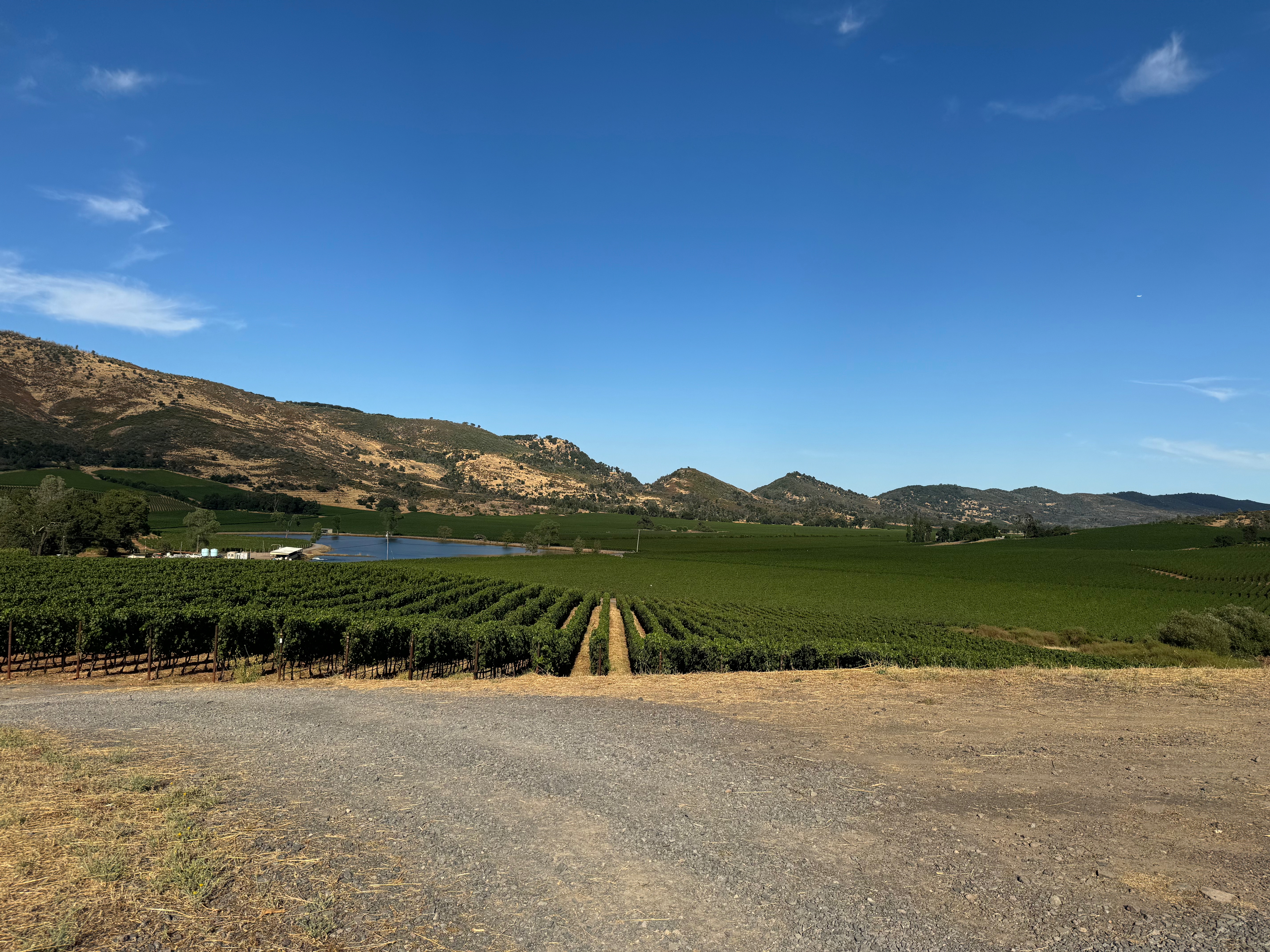
“We successfully automated almost every irrigation set last season on 60 acres of the ranch, running the pump at night and freeing up irrigator hours to irrigate other blocks on the ranch during the day. For the first time, I can say that these blocks were sufficiently irrigated, and last year’s canopy and crop proved that.” - Andrew Oliver, Vineyard Manager at Antinori Andrew Oliver, Vineyard Manager at Antinori, standing with Devon Wright, Lumo CEO, at a recent Napa RISE event. Irrigation Issues Before working with Lumo, Andrew and his irrigation team were stressed about three key irrigation challenges: Their original pump and mainline were specced for the lower vine densities that were planted in the 80’s and 90’s. After replanting the entire ranch to higher densities, their irrigation demand increased beyond what the system was capable of, especially when trying to irrigate before a heat wave They also knew they had pressure issues but we
00
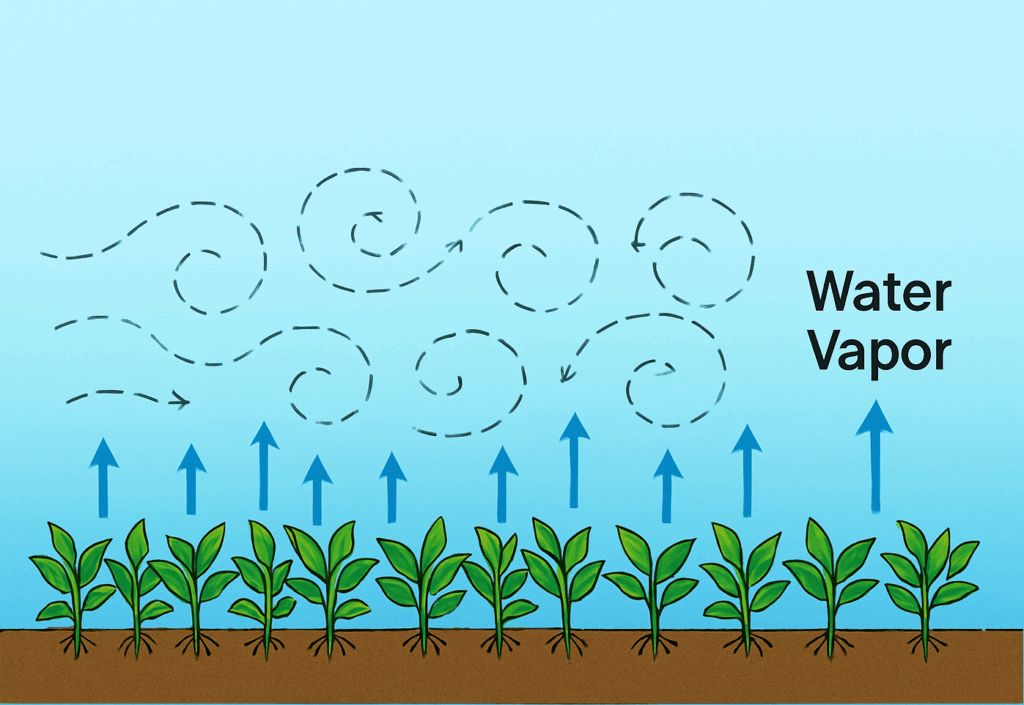
Who (or what) is this eddy you keep talking about? Efficient water management has never been more critical for agriculture and specifically for viticulture. High-end viticulture needs to manage water to not only cut costs, but to keep quality high in a market of oversupply and buyers who hold the upper hand over the grower. High production viticulture may not need the water management finesse for quality that high-end viticulture does, but regulatory demands for groundwater protection as well as limitations on water deliveries push growers into making the most out of every gallon. Here at AV, we’ve made use of impactful technologies to help growers irrigate efficiently and control vine stress to improve wine quality from their vineyards. Our primary tools have been the soil moisture probe and, more recently, the Florapulse microtensiometer. Both tools have been indispensable and even more so now that we have our own data portal to view and analyze these data streams. More recen
00
March 17, 2025

Garrison Brothers Distillery and Ledson Winery Take Top Honors (March 17, 2025) — Winners have been announced in the fourth annual Los Angeles Invitational Wine & Spirits Challenge. A merlot from Ledson Vineyards & Winery (Sonoma County, Calif.) and a small batch bourbon from Garrison Brothers Distillery (Hye, Texas.) topped their fields to be named Best of the Best. The competition was established in 2022, in conjunction with Los Angeles-based beverage professionals (representing both the on- and off-premise channels), to highlight the best of the best wine and spirits producers in the world, and to introduce those producers to the largest market of consumers in the United States. Judging took place February 25-26, 2025. Says event producer Debra Del Fiorentino of Wine Competitions Management & Production, “Year after year, our judges continue to be impressed with the depth in each category. The quality of product was fantastic!” Competition this ye
00


2.84; 20 Year Floor By Steve Fredricks As we have reported over the last several days, the California's 2024 wine grape harvest was significantly lower than recent years, representing the smallest crop since 2004. This decline is attributed to a reduction in grape acreage, lack of demand for grapes, and statewide heat waves, with the heat having an especially strong impact on the crop size in the Central Valley and the Central Coast. White grapes crushed were nearly equal to reds in 2024 with a difference of just 33k tons between them. For perspective, going back through 2000, red grapes were on average about 500,000 tons greater. This signifies weak grape and wine demand, acreage removals for red grapes, and a consumer preference shift toward white wines. The majority of this difference in tons crushed was due to the fewer red grapes harvested in the southern interior and in the Central Coast. Central Valley white varieties available late in the season were sold for use in concen
00
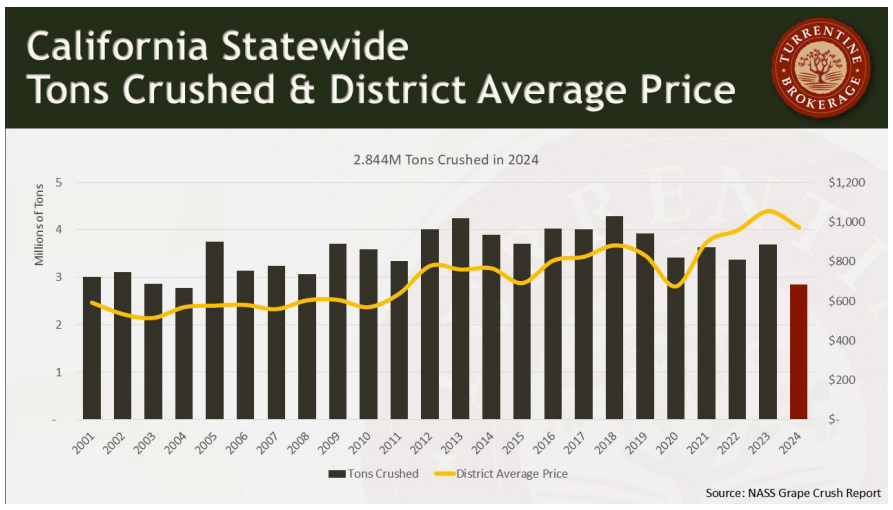
NOVATO, CA - “The fact that the 2024 California wine grape crop was 2.844 million tons is nothing short of shocking. Although the 2024 crop was generally light, and overall demand was lackluster, the industry has not seen a crop this low since 2004,” according to Audra Cooper, Director of Grape Brokerage of Turrentine Brokerage. With grape acreage being removed (and the process continuing), and growers employing mothballing techniques on some of their less marketable blocks, the question now arises: Do we have enough wine grapes for the future growth of the California wine business? According to Brian Clements, Vice President of Turrentine Brokerage, “The 2023 harvest of 3.685 million tons was a major contributing factor to the industry’s oversupply, despite the approximately 325,000 tons of grapes that were left unpicked due to quality concerns and heavy yields. 2024 brought a historically lighter crop of 2.844 million tons, yet approximately 100,
00