
Filter Post Type
NewsVideoProductEventLink
Sort:
Most Recent
1–10 of 86
May 6, 2026
FOR IMMEDIATE RELEASE Corksy and Enolytics Launch Integration to Help Wineries Turn Data Into Smarter Growth Decisions Connecting winery commerce and customer data with powerful analytics across DTC, wine club, and inventory performance Irvine, CA (May 6, 2026) — Corksy, the modern direct-to-consumer (DTC) platform for wineries, today announced its integration with Enolytics is now live for all mutual customers. The integration connects Corksy’s commerce and customer data directly into Enolytics’ analytics platform, giving wineries a clearer, faster way to understand performance and make more informed decisions. As wineries continue to invest in DTC, the challenge isn’t access to data—it’s making sense of it. This integration brings together day-to-day operational data from Corksy with Enolytics’ industry-leading data analytics, helping teams move from reports to real insights without added complexity. “At Enolytics, our goal has always been to help wineries turn data into decisions,”
00

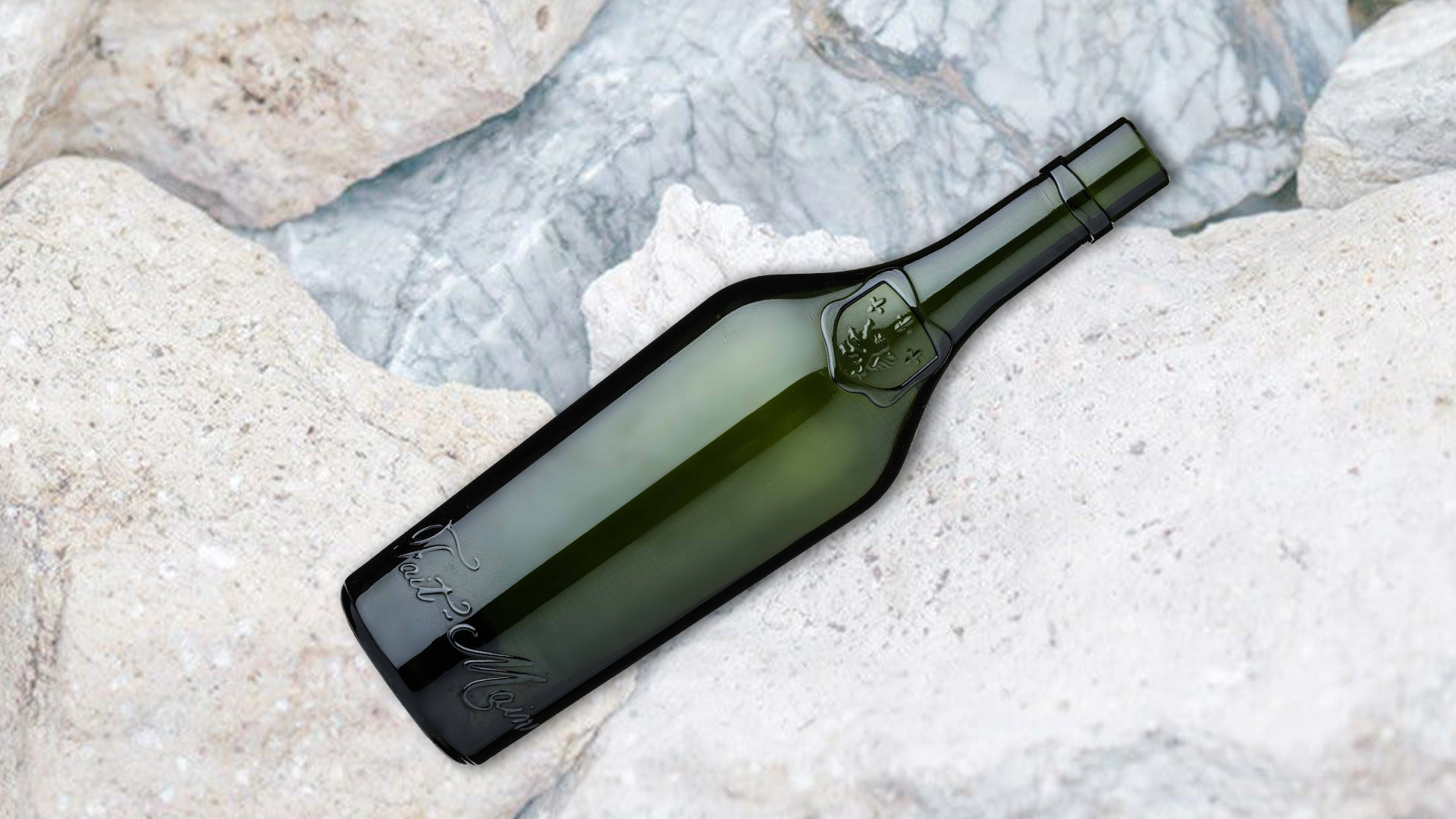
We’ve worked across custom bottle projects for wine and spirits long enough to see where they break. Most brands assume failure happens at retail. In practice, it’s set much earlier, during design, tooling, and production planning. A concept gets approved on visual appeal. It signals quality, ambition, and brand intent. Then the friction starts. Sampling reveals inconsistencies. The bottle doesn’t behave on a filling line. Freight costs climb. By the time these issues surface, timelines have shifted and margins are under pressure. Custom glass is not a surface-level design exercise. It is an engineered outcome. The brands that succeed treat it that way from the beginning, aligning design ambition with production reality. At Global Package, we support that process end to end. From initial sketch through to final delivery, we work across quoting, design, mould development, manufacturing, quality control, decoration, and supply. That continuity is what prevents early-stage decisions from
00

April 22, 2026
Sonoma, CA – April 22, 2026 – Free Flow Wines announces the winners of the 13th Annual KEGGY Awards, honoring outstanding partners who are advancing sustainability, quality, and innovation across the wine and hospitality industries. Now aligned with Earth Month, the KEGGY Awards continue to spotlight the environmental and operational benefits of wine on tap, while celebrating the growing community of wineries, distributors, and on-premise operators leading the charge. FFW & Partners’ Cumulative Impact to Date: 45,448,130 bottles saved from landfill 80,827,751 lbs. of CO₂ emissions prevented from entering the atmosphere New in 2026, Free Flow Wines has expanded its award categories to recognize excellence across a broader set of hospitality leaders. These new honors celebrate accounts that demonstrate a strong commitment to reusable stainless steel kegs, investment in draft beverage quality, and a dedication to elevating the overall guest experience. New categories include Best Ho
00
April 6, 2026

Sonoma, CA, April 1, 2026 - Free Flow Wines today announced that Richard Bouwer has stepped down as Chief Executive Officer. The company’s Board of Directors has appointed Robert Perman as President and Chief Operating Officer, effective April 1, 2026. Richard Bouwer has led Free Flow Wines since 2018, guiding the organization through growth, expansion, and meeting the milestone of over 2 million keg shipments across the US. The Board thanks him for his leadership and contributions to the company and wishes him continued success in his future endeavors. Robert Perman brings 15 years of operations leadership, with a demonstrated ability to scale complex organizations, enhance production and supply chain performance, and maintain rigorous quality and safety standards. He previously served as Vice President of Operations. “I am honored to take on the role of President and Chief Operating Officer and look forward to continuing to drive operational excellence and long-term growt
00


Ten Ways Wineries Can Evolve From Selling Bottles to Creating Experiences That Resonate With a New Generation. If I told you a winery just opened with no vineyard, no winemaker on staff, and no interest in talking about terroir… would you visit? What if I told you it had a silent disco in the barrel room, a drag brunch series, and a 3-month waitlist for a zero-proof pairing menu? Those wineries exist. And they’re thriving. Because for a new generation of visitors, the wine isn’t the reason—it’s the reward. It’s not about what you pour anymore. It’s about how you make people feel. And we used to excel at this. But then we woke up one day… and it wasn’t working like it used to. The same offers stopped converting. The same messages started falling flat. The same visitors didn’t come back. And it’s not because we got worse at what we do. It’s because the customer changed. What they want. How they behave. Where t
00

March 4, 2026
Papapietro Perry Winery and Four Roses Bourbon Take Top Honors (March 6, 2026) — Winners have been announced in the fifth annual Los Angeles Invitational Wine & Spirits Challenge. A pinot noir from Papapietro Perry (Sonoma County, Calif.) and a small batch bourbon from Four Roses Distillery (Lawrenceburg, Ky.) topped their fields to be named Best of the Best. The competition was established in 2022, in conjunction with Los Angeles-based beverage professionals (representing both the on- and off-premise channels), to highlight the best of the best wine and spirits producers in the world, and to introduce those producers to the largest market of consumers in the United States. Judging took place February 18-19, 2026. Competition this year was stellar, says event producer Debra Del Fiorentino of Wine Competitions Management & Production: “Year after year, our judges continue to be impressed with the depth in each category. The quality of product was fantastic!” Wh
00
February 19, 2026
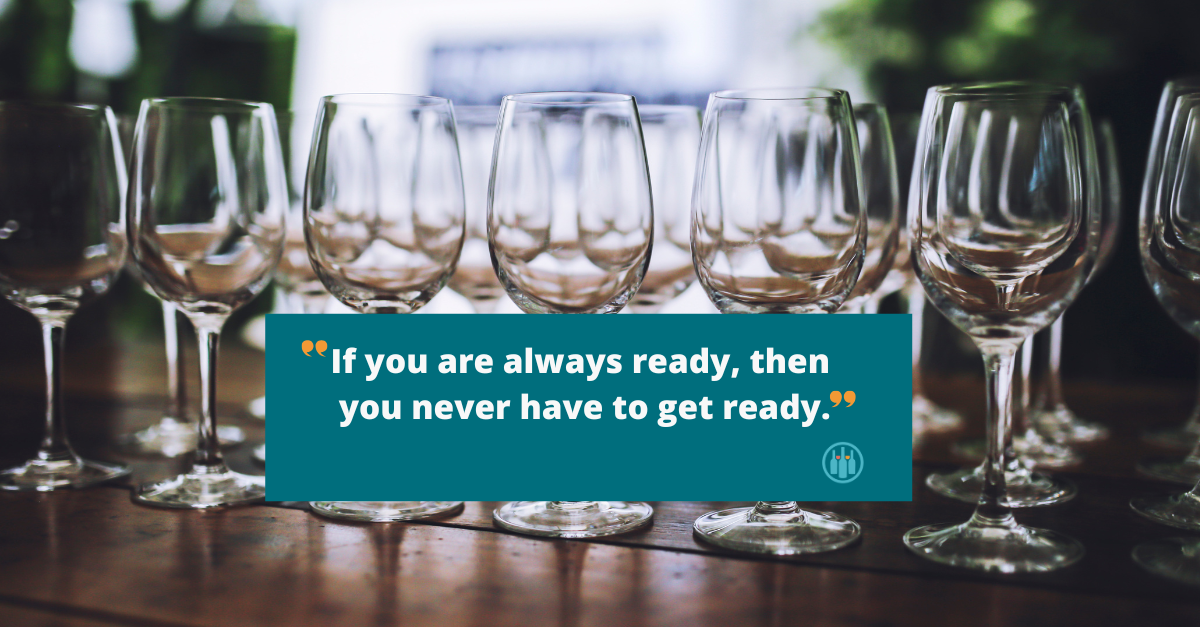
At LibDib, one of our core cultural mantras comes from our longtime technology leader, Richard Brashears: “If you are always ready, then you never have to get ready.” It started with our engineering team. If someone asked for a demo, the answer was yes. If someone wanted to see progress, it was ready. No scrambling. No excuses. Just an advanced preparation meeting opportunity. That mindset now runs through the entire company. And, in today’s beverage alcohol environment, it may be one of the most important philosophies a Maker can adopt. Change Is No Longer the Exception Distributors are exiting markets. Large houses are consolidating. Portfolios are being rationalized. Big alcohol companies are selling brands, triggering redistribution across states. Executive teams are shifting priorities. Inventory resets are forcing hard decisions about which brands get attention and which do not. You may suddenly find your distributor leaving a state. Or you may find yourself al
00
2025 reviewed; 2026 opportunities set out This month’s Global Market Report reviews the bulk wine and grape markets of 2025 and sets out, country by country, the opportunities – and the potential pitfalls – that 2026 brings. Will this be the year that wine consumption in Europe and North America finally stabilises, so the wine industry can turn its attention from rationalisation to growth? We asked the same question a year ago of 2025 and, ultimately, the answer was a firm ‘no’. The “vibecession” that characterised 2024 – a disconnect between reasonably stable economic indicators and consumer perceptions of the economy – continued into 2025, exacerbated by political volatility around the world. Earnings increases have continued to lag the 2021-23 inflation spike induced by the pandemic, and some more localised inflation since, shortening the shopping list of grocery items consumers consider necessities and extending the list of ite
00

January 16, 2026

The 2026 State of the U.S. Wine Industry Report, published by Silicon Valley Bank and authored by Rob McMillan, provides a comprehensive, data-driven assessment of current conditions in the U.S. wine market. Built on more than 25 years of industry research, the report combines results from SVB’s annual winery survey, its Direct-to-Consumer (DTC) survey, demographic and cohort consumption modeling, and a wide range of third-party wholesale, retail, and population datasets. The conclusion is clear: while the industry continues to face structural headwinds, wineries are not experiencing these conditions equally. A widening performance gap has emerged between those adapting to changing demand and those struggling to do so. 2025 Performance: A Difficult Year for Many By nearly every measure, 2025 was a challenging year for the U.S. wine industry. Roughly half of the surveyed wineries rated the year negatively, citing slowing demand, rising costs, margin pressure, and inventory ch
00
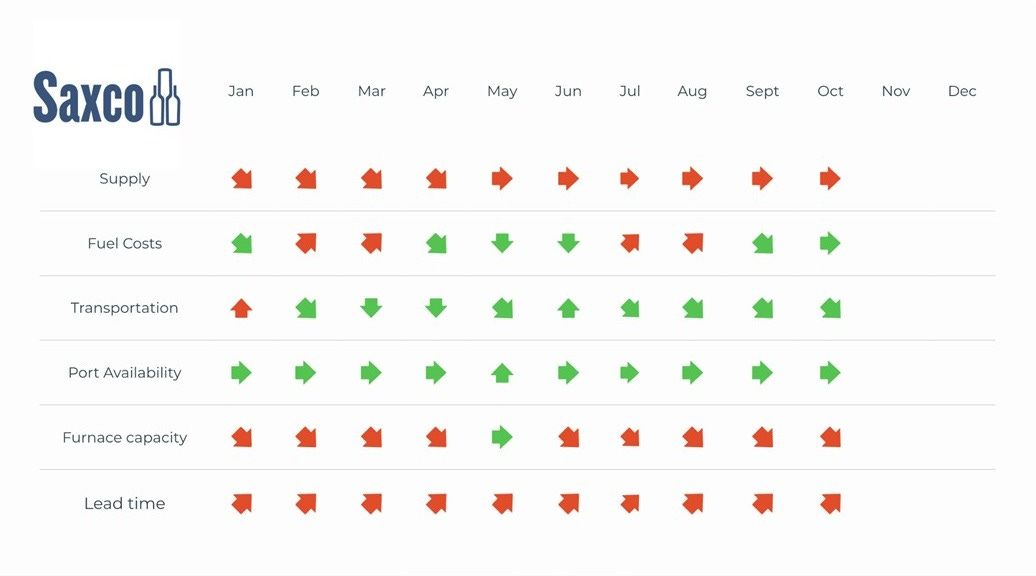
This month: Soft seas, more questions, and a consumer that’s anxious and cautious about tomorrow. October’s here, and the supply chain feels eerily quiet. Not calm exactly – just slow. There is movement, but it’s more drift than direction. Freight rates are down, not because we have gotten more efficient, but because demand is low. Fuel is holding steady, but only because the broader economy seems reluctant to surge. There are no logjams at the ports, yet there is not much urgency, either. Glass remains tight. Lead times are still creeping. And while retail shelves are being reset for the holiday sprint, the pace feels tentative. Brands are pushing forward, but many are doing so with a wary eye on cost, conversion, and the uncertain mood of the American shopper. The story of October is about the tension between the inertia of supply and the jitteriness of demand. Between short-term calm and long-term concern. Market overview Fuel costs rose imperceptibly from $3
00