
Filter Post Type
NewsVideoProductEventLink
Sort:
Most Recent
1–9 of 9

April 8, 2026
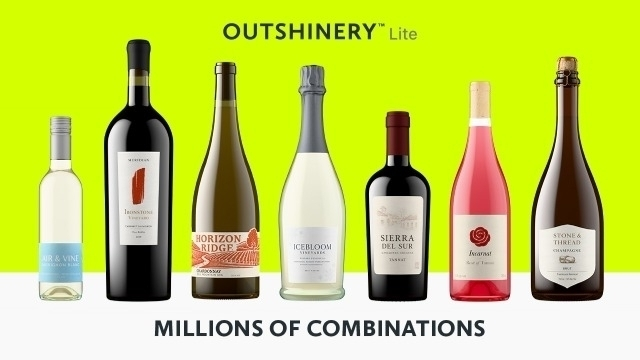
Self-serve wine bottle shot tool reaches four million configurations six months after launch Outshinery Lite, the self-serve wine bottle shot tool from Outshinery, now supports over four million unique image configurations through its proprietary 3D container library. The milestone reflects six months of expansion since the tool's September 2025 launch. The container library maps every variable a winery needs to produce a photorealistic bottle shot: bottle shape, glass color, liquid shade and opacity, closure material, and size. Unlike AI image generators that produce different results each time, each Lite configuration is deterministic. The same inputs produce the same photorealistic output, every time. "Wineries tell us the same thing: they need images that are consistent across every SKU, every vintage, every channel," said Laurie Millotte, founder and Chief Amazement Officer of Outshinery. "We did not build four million images. We built a system of configurable
00

During a recent fining trial of a problematic wine that was fermented with a problematic yeast, the conversation briefly touched on protein stability and I started reminiscing about the very first blog that I wrote for Laffort South Africa. Said blog post (click here to read it) was about bentonite and its affinity for various proteins or the lack thereof. Bentonite – Jack of all trades, master of some Whether you love it or hate it, this bentonite stuff really is a very versatile oenological additive. For those that are a bit hazy (see what I did there) on the subject, here is a quick recap on what bentonite is and what it does. Bentonite, which is essentially a very useful negatively charged clay, is mainly composed of plates of silicon and aluminium oxide, along with calcium and sodium ions. Upon rehydration, the above-mentioned plates separate, thereby creating a huge surface area that allows the sodium and calcium ions to interact with positively charged heat unstable prote
00

April 11, 2024

Hazy Mountain Vineyards and Winery in Afton, Virginia, within the Monticello AVA, is hiring a new position for their winemaking team, Associate Winemaker. Click Here to Learn More
00


Glass bottle packaging is a preferred choice among wineries and distilleries for good reason. Not only does glass have the functional benefits of being durable, its sleek and elegant aesthetic elevates your product’s visual appeal. There are a number of considerations that go into choosing a glass bottle for your spirit or wine brand. To make the most of your bottles, it is important to know how to properly care for and maintain them, especially if there is leftover glass after bottling. Why should I look after my glass bottles? There are numerous reasons as to why maintaining glass bottles can be beneficial. Taking care of your glass bottles is good for the environment. This blog contains some tips and tricks on how to correctly store and look after your glass bottles upon delivery. Storing Your Glass Bottles It is important to ensure that the glass bottles are stored properly so they are safe to use. Upon receiving the glass, inspect the bottles for da
00

January 3, 2023

Afternoon Brief, January 3rd
These Elite Napa Estates Are Releasing Wines from a Fire-Ravaged Year. Do They Taste Smoky?: Two years after the hazy, chaotic days of the 2020 wine harvest, a season bookended by sprawling wildfires, some Napa Valley winemakers are coming out with a surprising announcement: They made wine in 2020. And they’re proud of it...
Rombauer VineyardsYoungberg Hill VineyardsThe Donum EstateFrank Family VineyardsEarly Mountain VineyardsChalice VineyardsShannon Family of WinesWineAmericaColorado Association for Viticulture & EnologyVinepairDeep PlanetWECOVinexpo America | Drinks AmericaGeorge Petersen Insurance AgencySta. Rita HillsSt. AnselMaryhill Winery
00
December 5, 2022

Outlook Hazy for Wine Industry Through the Holidays and into 2023
Usually during the holidays, even the most-tightfisted among us tend to unclench. But this year, things may be different. By Kathleen Willcox How are wine sales going so far for […]
00

The 2021 growing season in Europe has been one of the most challenging for many years, with severe frosts occurring post-budbreak followed by a very wet or drought-hit summer, depending on location. France, arguably the most affected, is officially forecast to see a crop down 25% in size on the five-year average, which – because of vine pull-outs over recent decades – would make it the smallest crop on record. However, in southern France, Chardonnay, Sauvignon Blanc and other white varietals are coming in below even this estimate, at closer to a 50% shortfall. Italy’s total crop shortfall is expected to be significantly less dramatic, at 9% down from last year’s 49 million hectolitres, though some areas – such as EmiliaRomagna (-15%) and Abruzzo (-18%) – are expected to fare worse than that. Spain’s crop, too, is now expected to come in shorter than the long-term average, with tonnages in La Mancha on the first grapes to be picked –
00

Occasionally when making ciders things can go wrong and the finished product can end up bad. In beverage making, we all know things do not always go according to plan. We've put together a list of easy-to-spot signs that can help you determine if you've got a bad batch on your hands. Sign 1: Slimy Pulp When using dessert apples in cider-making, there is a tendency for pectin to leach out the cells of the apples and be partially broken down by the natural fruit enzymes. This results in a layer of slimy pulp which will clog up press cloths and make it extremely difficult for the juice to soak through. You’re unlikely to experience slimy pulp if you use genuine cider apples and don’t keep them stored too long. Using a mixture of different apples will help to offset the poorer characteristics of the dessert fruit. Sign 2: Powdery Film Floating on the Surface It’s unlikely problems will arise in a good and active fermentation. For those that prefer a slow fermentat
00
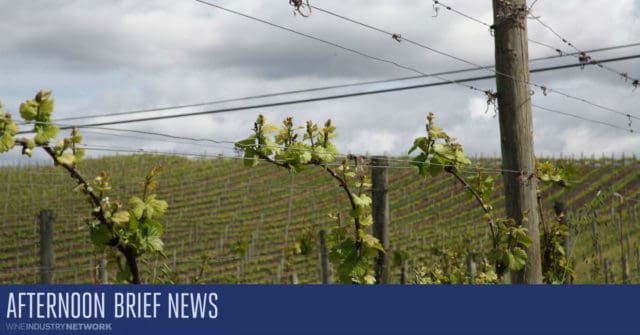
California Farmworkers Say They Didn’t Get Masks During Wildfires: Availability of N95 masks for farmworkers looked as hazy as the orange sky in California this week...
The post Afternoon Brief, September 16 appeared first on Wine Industry Advisor.
Url:https://wineindustryadvisor.com/2020/09/16/afternoon-brief-1697?utm_source=rss&utm_medium=rss&utm_campaign=afternoon-brief-1697
Published Date:Wed, 16 Sep 2020 21:58:54 +0000
00