
Filter Post Type
NewsVideoProductEventLink
Sort:
Most Recent
1–7 of 7
September 3, 2025
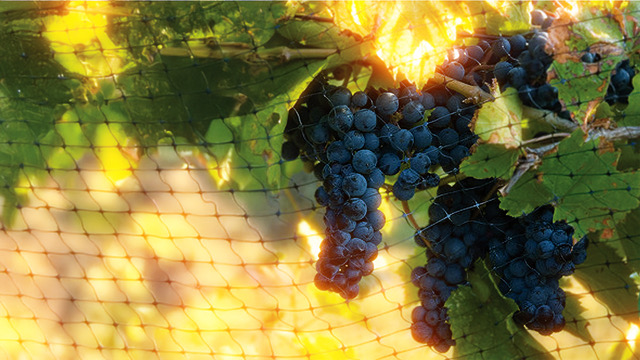
For vineyard owners, harvest season brings both excitement and anxiety. As grapes ripen and sugar levels climb, they become an irresistible target for birds, deer, raccoons, and other hungry visitors. A single flock of starlings or a few persistent deer can cause significant crop loss — not just in volume, but in quality. For growers working tirelessly all season long, these setbacks can be devastating. That’s why more and more vineyards are turning to physical deterrents like netting — a simple yet powerful solution that protects the fruit without compromising the vineyard’s aesthetic or farming practices. At Trident Fence, we’ve worked with growers across the country to provide vineyard netting that’s durable, easy to install, and incredibly effective. Whether you operate a boutique winery or manage acres of vines across varied terrain, netting may be the smartest step you take toward a more secure and profitable harvest. Why Netting Works fo
00
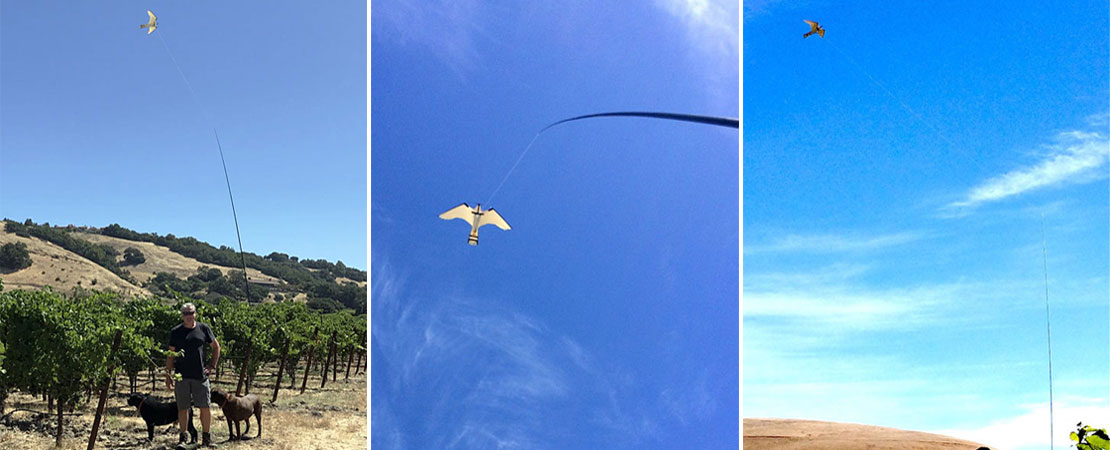
One of a vineyard manager's worst early morning sights is walking among their vineyard and finding fruit damaged by birds. To combat this force of nature, growers have traditionally tried expensive and labor-intensive methods of mitigating bird damage in their vineyard. They've used sound-emitting devices, introduced other large birds of prey, placed netting in the fruiting zone and even tried netting the entire canopy, ultimately learning that nothing has truly provided an economic or socially acceptable solution to the problem. Luckily, the industry has been buzzing about a new solution that has shown spectacular results from guarding against bird damage without any netting whatsoever. Falcon Crop Protection has developed a falcon-shaped kite that is attached to a moveable pole and behaves like a real bird of prey. Their "FrightKite" looks like the real deal and has proven highly effective in fending off birds that would otherwise do damage to valuable crops. We
00
January 21, 2025
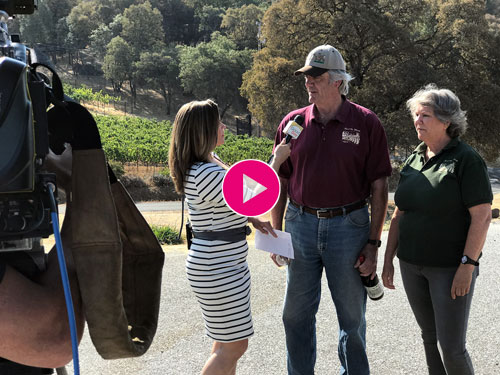
Silent, cost-effective, and eco-friendly, the FrightKite™ is helping vineyard owners protect their crops while increasing yields—one quiet vineyard at a time. Viewers of Good Morning Sacramento were treated to some footage of the Falcon Crop Protection FrightKite™ in action - although "action" may not be quite the right word. As you'll see from the clip (linked below), a section of grapes nearing harvest at Fawnridge Winery and Vineyards in Auburn, Calif. looked particularly quiet and absolutely idyllic during the report, filmed one Tuesday morning in late August 2018. But of course, quiet was the whole point - what was missing from the picture were the hundreds of squawking birds that normally flock to the vineyard looking for a free meal of ripening berries. "We were faced with spreading some nets over the top of the canopy of these vineyards. That's a big job," said Stewart Perry during the news report. Perry, who owns Fawnridge with his
00
July 19, 2024
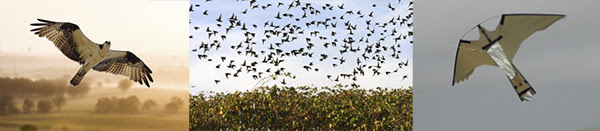
After veraison, as grapes develop their enticing color in the vineyard, the age-old battle between man and nature — in the form of hungry birds — begins. Vintners and farmers have experimented with gas cannons, reflective flash tape, sonic sound systems, drones and netting to scare off their voracious flying opponents. But, the noise of cannons and sonics can irritate neighbors, and drones and netting are labor intensive, making them too expensive to maintain. Nature often provides the best solution, and in the case of birds raiding vineyards, the natural solution is birds of prey like falcons. Small birds' instinctive fear of their natural predators causes the flock to shift direction, saving the crop from invasion. After five decades in the bird abatement business, Falcon Crop Protection has an intimate knowledge of bird behavior and has brought this knowledge to wine country after their marketing manager moved to Healdsburg, launching Falcon Crop Protection to help
00
July 27, 2023
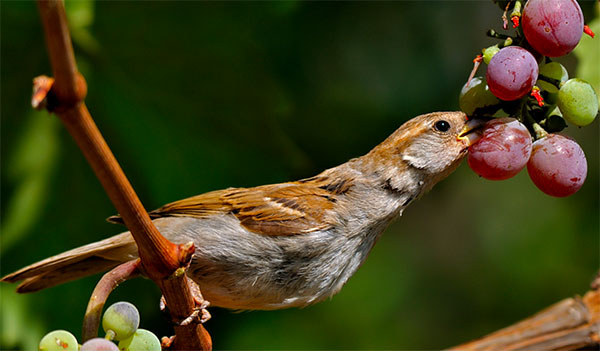
Viticulturists in California's Central and North Coasts predict a delayed harvest this year due to the cold, rainy spring. This postponement poses a potential threat to the grape crop, leaving it vulnerable to challenges from autumn rains, cooler temperatures, and smoke taint from wildfires. The delay does, however, provide grape growers with more time to prepare for a persistent challenge to wine grapes – bird damage. The critical moment is after bud break and before veraison when vineyards become prime targets for birds searching for food and a place to roost. "The time to act is when the sugar content begins to rise and attract the birds," asserts Dave Crockett of Kenwood's The Dirt Farmer, vineyard services company. "Once the birds are drawn in, there's nothing you can do to deter them. The key is to prevent them from noticing the ripening grapes in the fields below. With this year's harvest delayed by one to four weeks, there's st
00
September 8, 2020
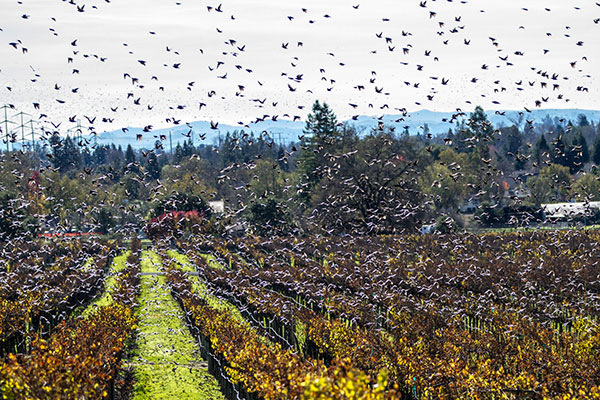
Every year in California alone, vintners and farmers lose millions of dollars to birds feeding on their grapes, seeds, and crops. Veraison is a particularly difficult time for vineyards. Grapes are at their most vulnerable when they are approaching their peak – birds love those juicy berries! To combat this force of nature, growers have traditionally tried expensive and labor-intensive methods of mitigating bird damage in their vineyard. Falcon Crop Protection launched The Falcon Frightkite™ to reduce grape loss due to birds in a more effective, environmentally friendly, and cost-effective way than any other solution, including gas cannons, reflective flash tape, sonic sound systems, and netting.
Falcon Frightkites™ save growers 95-100% of the costly damage caused by finches and other small birds flocking into vineyards during and after veraison to eat grapes just as they ripen. These kites activate small birds’ instinctive fear of their natural predators by
10

Repel Pest Birds from Your Vineyards with Amazing Frightkite™
Have you ever watched a peregrine falcon hunt? It flies high over the vineyard watching for its prey — small birds. When it sights a target, it stoops, tucking curved wings under itself to create an airfoil, and dives at over 200 MPH. The power behind the fastest bird in the world is enough to kill or stun the bird it targeted.
Now think of seeing the falcon from a bird’s point of view, one happily feeding on your sweet juicy grapes. Flocking birds like starlings and blackbirds are the most aggressive avian species in inflicting damage on vineyards. They don’t just take one grape here and there. Instead, they peck here, there and everywhere and keep right on going until they ruin whole bunches. And once the grape meat is exposed, the bees come in and exacerbate the problem.
When a flock of birds see a falcon in the air their first reaction is to evade the threat and create distance between the p
00