
Filter Post Type
NewsVideoProductEventLink
Sort:
Most Recent
Tagged:Gravity Wine House
1–10 of 14

February 2, 2026

Afternoon Brief: Wineries for Sale, but Buyers Scarce
Some people are walking away from the California wine industry as tough times see wineries left unsold...
American AgCreditUnified Wine & Grape SymposiumVinterActiveWISE AcademyOak Solutions GroupHospices de Nuits-Saint-Georges Wine AuctionProtea FinancialThe Personnel PerspectiveRyan WilkinsonCentury VineyardsJesse KatzAperture CellarsMorgan LeeLaurent DelaunayMichel BarraudBourgogne Wine BoardThe Weinheimer GroupSunridge NurseriesAdmeo Inc.Gravity Wine HouseDuckhorn VineyardsJennaMarise WinesSyncline Winery
00
March 14, 2024
Afternoon Brief, March 14th
Wine Blogger from New Jersey Disappeared in Italy 5 Years Ago—FBI Seeks Help Trying to Find Him: The FBI is asking for the public’s help as they continue to search for a New Jersey native and self-described wine blogger who was last seen nearly five years ago in northern Italy...
ProweinNational Association of Wine RetailersNorth Coast Wine ChallengeCharles Krug WineryCabernet CorpTexas Hill Country WineriesChianti Classico ConsortiumInternational Organization of Vine & WineSouthern Glazer's Wine & SpiritsAshes & Diamonds WineryBennati WinesEmpson USAVinesOSAffinity Creative GroupGravity Wine HouseVineyard TeamMaterra wineryMom JuiceReustle-Prayer Rock VineyardsAmbar EstateStar Wine List
00
January 3, 2024
Afternoon Brief, January 3rd
U.S. Wine Market Dips 2% By Volume, but Sees First Value Increase Since 2020: With the U.S. wine market facing uncertain economic conditions and increased competitive pressure from other drinks categories, total volume decreased an estimated 2% to 322 million 9-liter cases in 2023, according to Impact Databank...
Treasury Wine EstatesBeer Marketers’ InsightThe Wine GroupSouthern Glazer’s Wine & SpiritsSpirit of GalloE & J GalloZinfandel Advocates & ProducersInternational Wine Tourism ConferenceVinteractive LLCVinepairStoller Wine GroupCalifornia Association of Winegrape GrowersBella VineyardsGravity Wine HouseGlobal PackagePackagingartsSonoma State Wine Business InstituteSonoma County WinegrowersSmothers WineryOff-Piste WineTexas Corners Brewing CompanyLawton Ridge WineryAndiamo
00
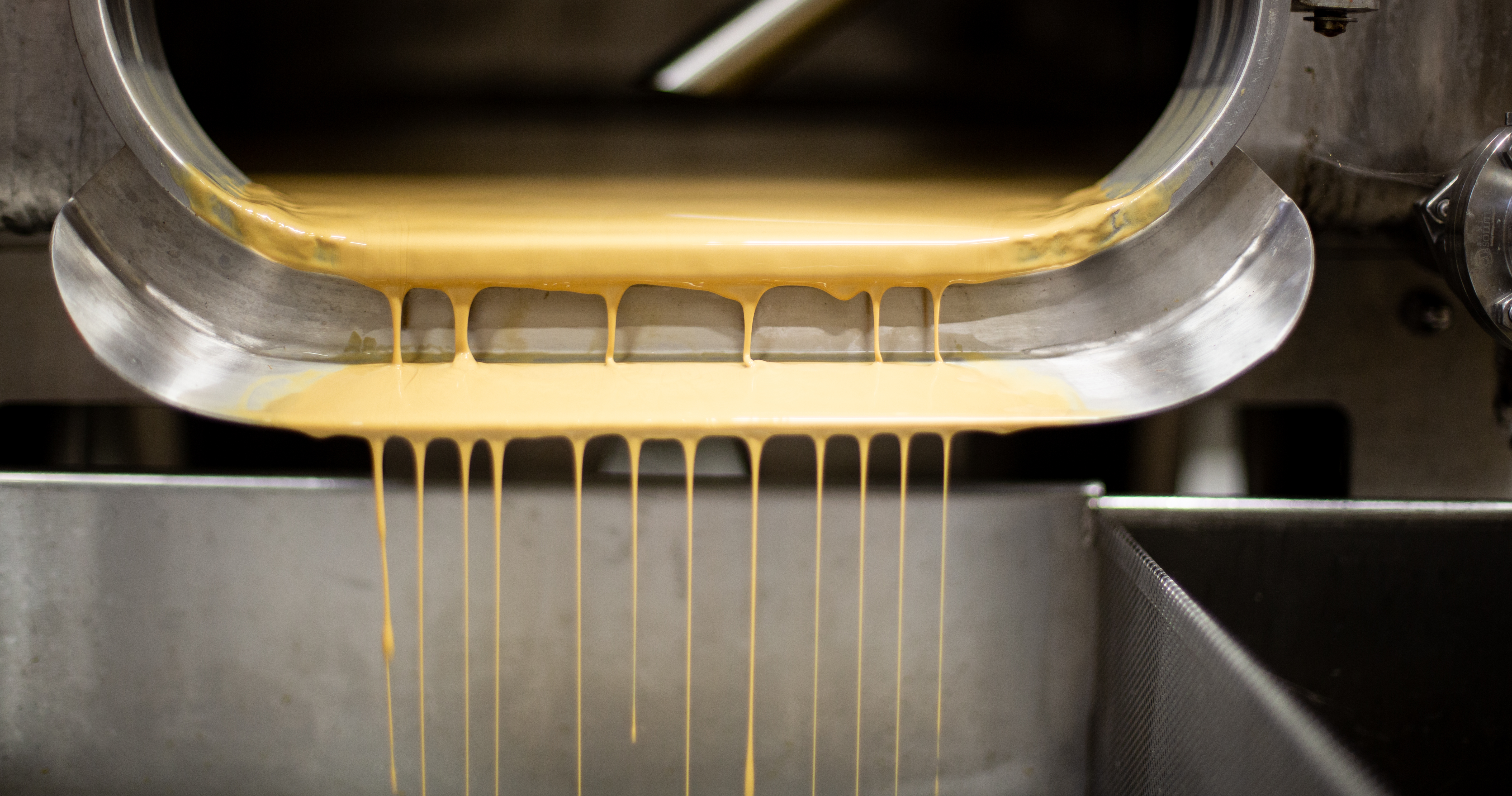
The only thing we love more than drinking a great white wine is making one✨ Here we see Chardonnay aging on its lees, known as ð˜´ð˜¶ð˜³ ð˜ð˜ªð˜¦ aging.â â ð˜šð˜¶ð˜³ ð˜ð˜ªð˜¦ (French for “on the lees”) aging sounds fairly straightforward: it is a stylistic choice to allow wine to age in contact with its lees. Though ð˜´ð˜¶ð˜³ ð˜ð˜ªð˜¦ aging has been practiced since Ancient Rome, we are still uncovering the science that enhances the complexities of the finished wines aged on their lees.â â This type of aging is typically associated with white wines, such as Chardonnay from Burgundy and Muscadet from the Loire Valley, as well as sparkling wines like Champagne.â â Head to our blog to learn about ð˜´ð˜¶ð˜³ ð˜ð˜ªð˜¦ aging of white and sparkling wines: https://gravitywinehouse.com/blog/sur-lie-aging-chardonnay-sparkling-wine
00

Today we invite you to visit our website and take a closer look at the offerings from Gravity Analytical Laboratories (GAL). We are happy to have launched a new section of our site devoted to GAL and all that we do in the lab, including individual analysis and analysis panels. Gravity Analytical Laboratories (GAL) At GAL, we are inspired by the innovative technology available to the field of enology and its ability to inform the winemaking process. You may have read informative blog posts authored by our GAL chemists or watched one of our recent videos filmed within the lab. We are so excited to share with you all that is possible on your winemaking journey with Gravity. Be sure to bookmark gravitywinehouse.com/analytical-laboratories as we will be adding more offerings to this page over time!
00
January 6, 2022

Have you met Gravity Wine House founder, Jeff Pisoni? Jeff loves making wine—and considers himself a lifelong student of enology. It’s the craft that his father inspired him to explore, study and pursue since he was just a toddler. Through his role as a winemaker, Jeff developed a passion for exchanging information and insights with the winemaking community, all with the goal of driving for higher quality wine and methods. This passion is seen through our work with clients on both our mobile bottling line and in the cellar. Jeff recently spoke with Wine Industry Advisor on the reasons behind using the Armbruster Rotovib for unprecedented grape processing quality for Pisoni Family Vineyards, as well as our clients at Gravity Wine House. Read the full article on Wine Industry Advisor
00
Winemaking is driven by a rich microbial ecosystem. Saccharomyces cerevisiae is responsible for converting the sugars in grape juice into alcohol during primary fermentation. Oenococcus oeni carries out the malolactic fermentation that is responsible for transforming crisp, acidic malic acid into softer lactic acid and improving microbial stability. However, other microbes can produce undesirable, volatile compounds that spoil wine with off-odors and flavors. Luckily, the yeast and bacteria responsible for spoilage can be easily managed if caught early in production. Brettanomyces, Lactobacillus, and Pediococcus are the common culprits of microbial spoilage. Here at Gravity Analytical Laboratories, we use a polymerase chain reaction, or “PCR,” to check for the presence of all three microbes. PCR is a molecular biology tool that allows us to assess the presence of these microbes by screening for their DNA in a juice or wine sample. We can detect these mic
00
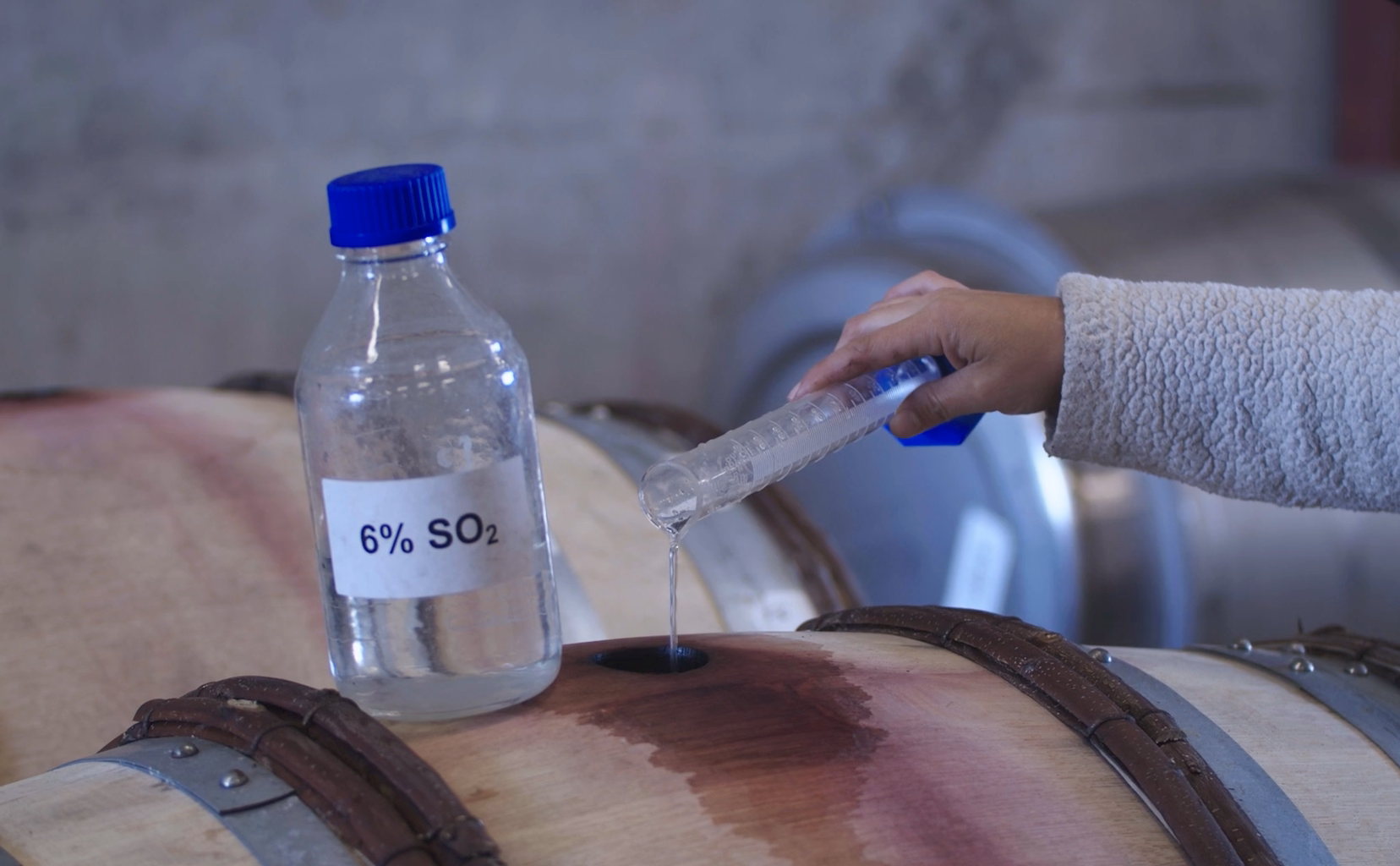
Are Sulfites in Wine Bad for Your Health? With the ominous contains sulfites label that accompanies most wine bottles, consumers have grown wary of sulfur in wine. Despite the recent push for natural and sulfite-free wine, these titles create havoc for winemakers who do not use these descriptors. What most don’t realize is that sulfur is a byproduct of fermentation. Thus, sulfur not only plays a role in maintaining the freshness and flavor of wine, but its presence is a natural part of the winemaking process. The Use of Additives in Wine Throughout the Years While natural wine has become a trendy concept, the product itself isn’t new; wine labels that tout their product as natural merely are referring to the traditional methodology of making wine from unaltered grape juice with no additives, which stands in contrast to other wines found on your local supermarket shelf. Some use many of the 62 government approved additives [CFR 24.246], such as fake
00
July 12, 2021
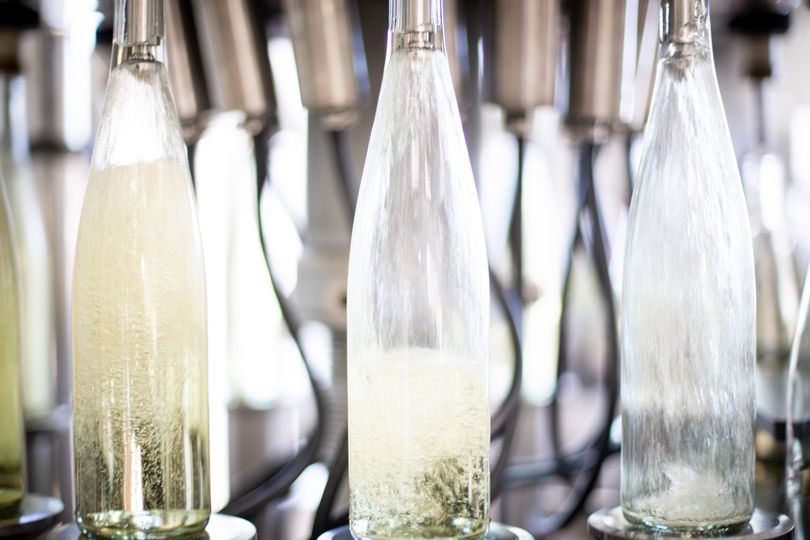
ðð¨ððð¥ðž ð‚ð¨ð¥ð¨ð« The choice of color for a wine bottle depends on several considerations and each client makes unique and custom decisions that are right for their brand. ð‘¾ð’† ð’ð’ð’—ð’† ð’‰ð’ð’˜ ð’‚ ð’„ð’ð’†ð’‚ð’“ ð’ƒð’ð’•ð’•ð’ð’† ð’‚ð’ð’ð’ð’˜ð’” ð’•ð’‰ð’† ð’ƒð’†ð’‚ð’–ð’•ð’š ð’ð’‡ @ð’„ð’‚ð’Žð’“ð’ð’”ð’†ð’˜ð’Šð’ð’† ð‘ºð’‚ð’–ð’—ð’Šð’ˆð’ð’ð’ ð‘©ð’ð’‚ð’ð’„ ð’•ð’ ð’”ð’‰ð’ð’˜ ð’•ð’‰ð’“ð’ð’–ð’ˆð’‰ ð’Šð’ ð’•ð’‰ð’†ð’Šð’“ ð’“ð’†ð’„ð’†ð’ð’• ð’—ð’Šð’ð’•ð’‚ð’ˆð’†, ð’‘ð’Šð’„ð’•ð’–ð’“ð’†ð’… ð’‰ð’†ð’“ð’†. ð‹ðšð›ðžð¥ ð’ð¢ð³ðž ðšð§ð ð’ð¡ðšð©ðž Bottles are labeled on the bottling line, after being filled. When designing your label, it is important to consider the bottle shape, as it can affect how your label adheres to the glass. ð‚ð¡ð¨ð¨ð¬ðž ð²ð¨ð®ð« ð¬ðžðšð¥ Foils, wax, screw
00
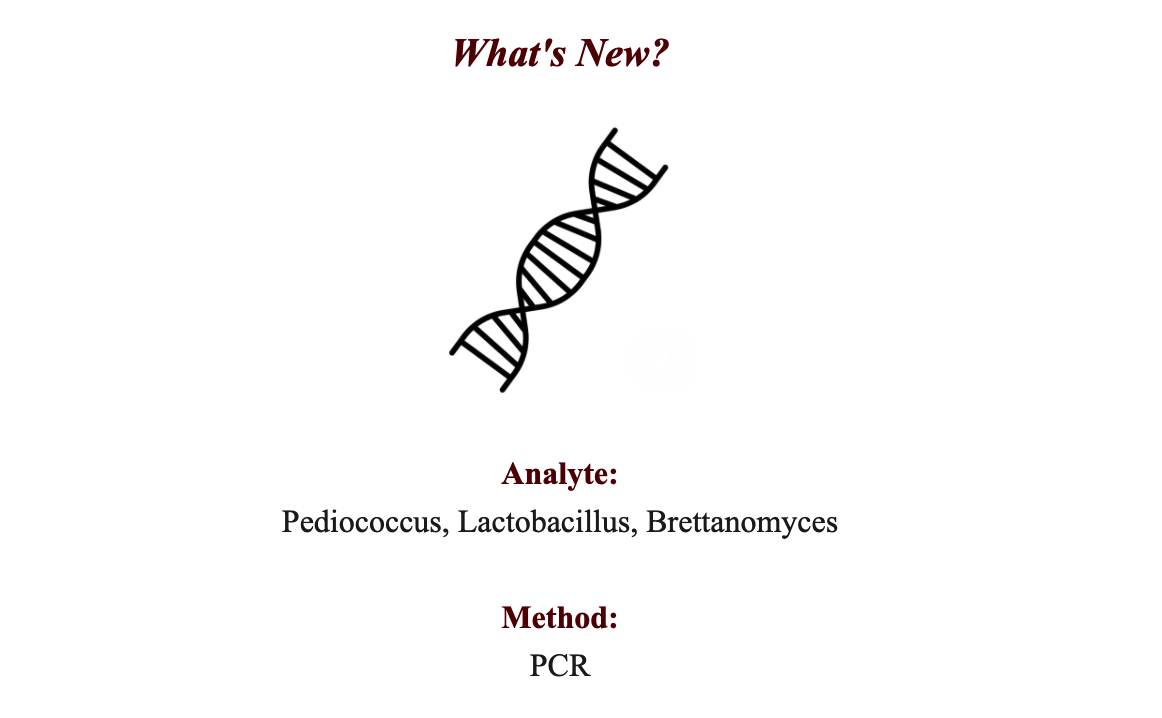
Our laboratory is equipped with a broad selection of fine-tuned and precise equipment that provides an in-depth analysis of your wine. We are happy to be expanding our offerings over the next few months to continue helping you produce the best product possible. We can use a PCR to test for Brettanomyces, Lactobacillus, and Pediococcus in wine. These are three microbes that are often the culprit of microbial spoilage. What is PCR? Polymerase Chain Reaction, or PCR, mimics the DNA replication process that occurs prior to cell division within in a cell. This common molecular biology tool amplifies the target DNA if it is present in the sample. Download Lab Offerings PDF
00