Filter Post Type
NewsVideoProductEventLink
Sort:
Most Recent
Tagged:Graphic Design
1–7 of 7

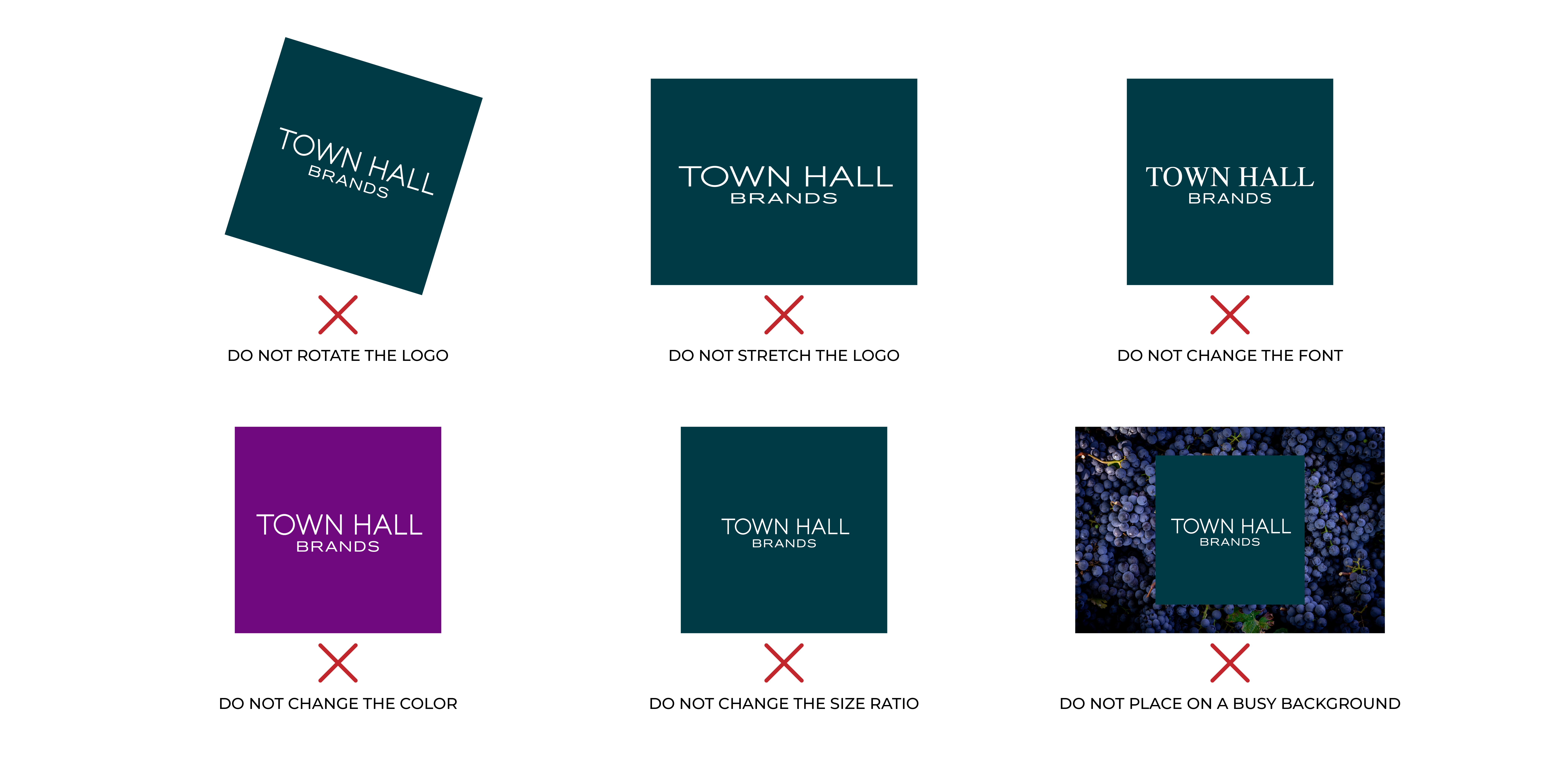
Logos are a visual symbol used to represent your brand, often a relatively simple graphic but don’t underestimate its importance. We are sharing our best practices for logo usage to preserve this important piece of brand recognition. LOGO FILE TYPES There are multiple file types used for logos, each with their own benefits and ideal uses. Selecting the file type that best matches the application will ensure your logo is looking its best. At Town Hall Brands we work with logos in three formats: JPEG, PNG and Vector JPEG is the image file extension that you may be most familiar with as it is commonly used for photographs. The benefits of this file type are compressed files that load quickly with web applications. The drawback when using a JPEG logo is the solid background, when placed over a photo or colorful background a JPEG logo will have a white background preventing the logo from integrating with the larger design. When to use: website and digital formats where small or comp
00
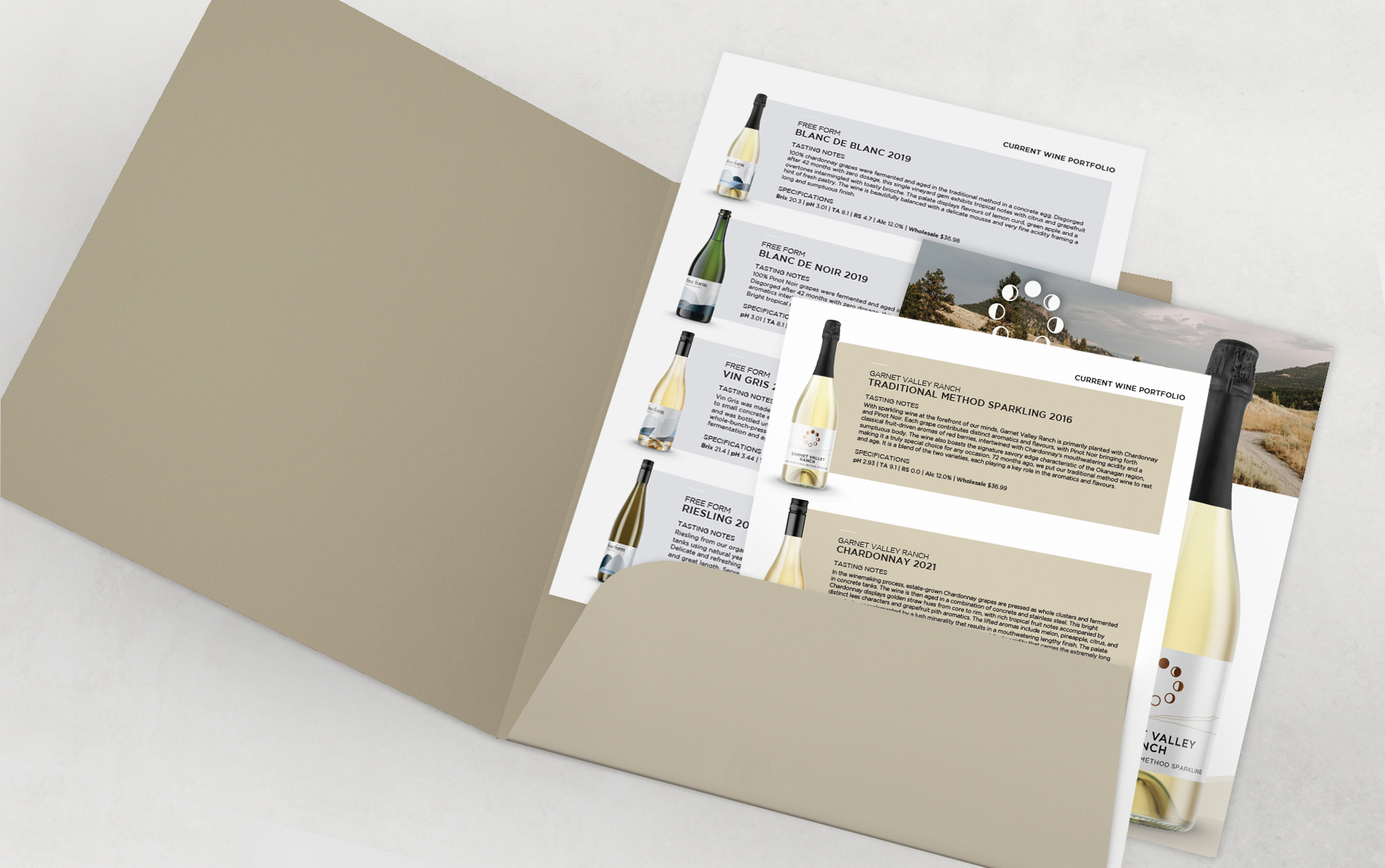
Are you and your importer/distributor both eager to tell your story in a way that translates into sales? Consider equipping your sales team with consistent and professional materials (a sales tool kit) that tell your authentic story. A sales tool kit is a toolbox, containing the items that make it easier for your customer to understand your wine, and make room for it on their shelves. What’s in a sales tool kit? At the minimum it should include a portfolio sheet listing all of your wines, but a great sales tool kit will include several items that make it easier for the buyer to sell your wine to consumers. Sales Tool Kit Checklist: Portfolio Sheet/Booklet Technical Information Sheets Sell Sheets Shelf Talkers Neck Tags Business Cards Tasting Cards So, how can you create a sales tool kit? Here’s the process we go through to create one: Strategy The first step is to have a strategy and determine which pieces of information will be used where (such as what accolades or review
00
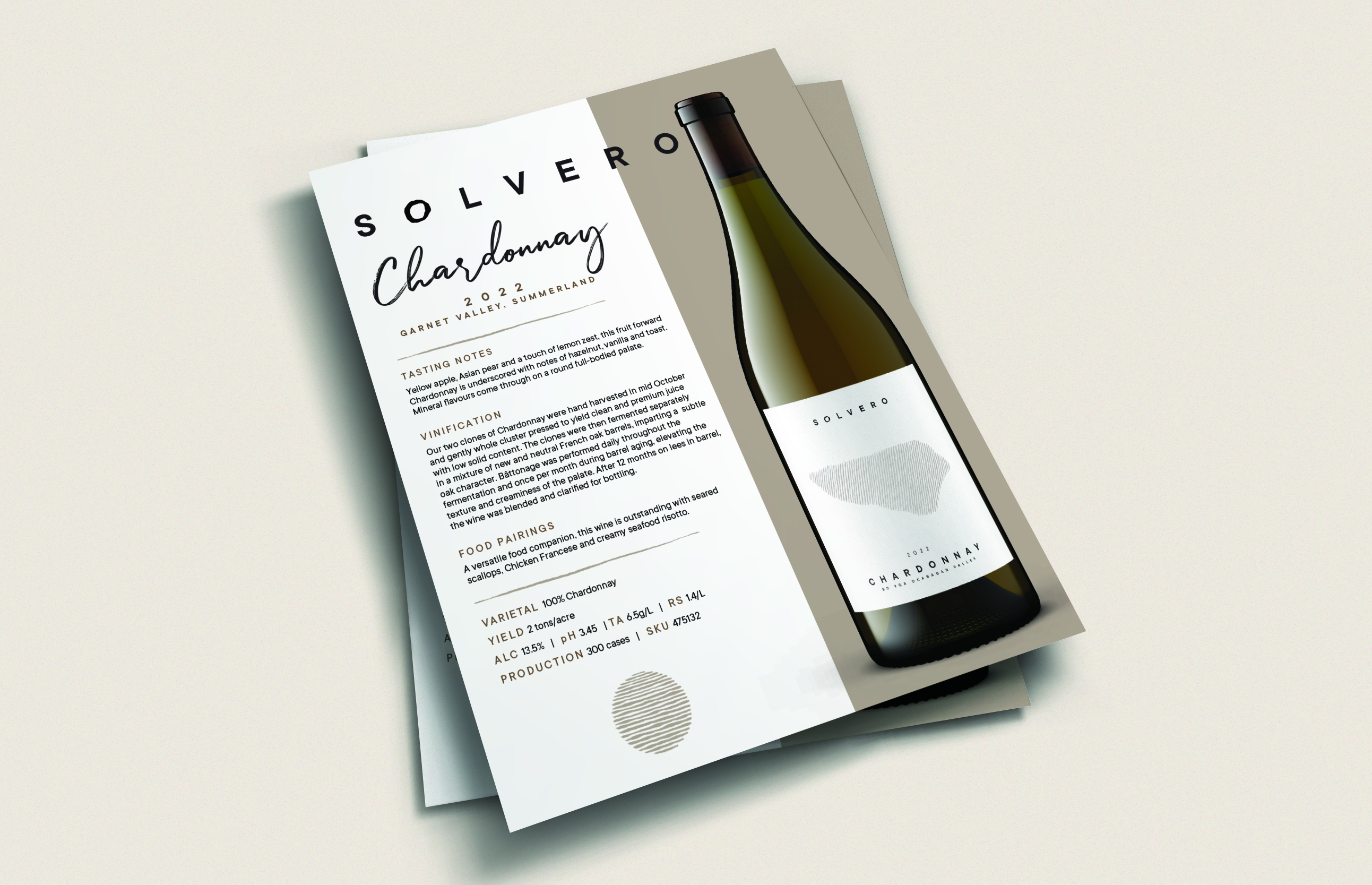
Each wine has a story to tell but the details of the flavor profiles, food pairing and technical information doesn’t always fit on the label. This is where the technical sheet comes in, all the details in one place makes it easy to share with your sales team and consumers. The most standard information on these sheets include: Company name and logo Name of wine Vintage of wine Bottle shot image Flavor profiles Food pairings Alcohol percentage pH TA RS SKU Price Website and social handles Company contact information Additional information to bring your technical sheets to the next level could include: Accolades Awards Viticulture and Composition Winemaker’s Notes Bottling date Production in cases Having a professionally-made technical sheet can give your company polish, legitimacy, and make your brand more reliable. For more information on technical sheets, how they can work to help you sell wine, or to get some created, contact us today at info@townhallbrands.com.
00

Contrary to popular belief, you don’t need a huge budget to execute effective marketing strategies. A small marketing budget can still deliver results! Here are three ideas to get you started on your winery’s marketing journey: 1. Directory Domination Be sure to keep your business information current on platforms like Google Business and local directories, making it easier for potential customers to find you. And always remember to keep your own website hours and information up to date. Google Business profile of TIME Family of Wines, a Town Hall Brands client 2. Email Engagement Build a loyal customer base through email marketing. Send personalized newsletters that include exclusive offers, engaging stories, and product updates. Utilize free or low-cost email marketing platforms to streamline your efforts. 3. Collaborative Brainstorming Gather your team and embark on a brainstorming session. Encourage innovative thinking to address c
00

Blossoming in North America’s scenic landscape, winery businesses face a unique challenge: how to effectively market themselves without breaking the bank. Here are three marketing tips that can help you breathe some life into your wine brand, while on a budget: Tip #1: Strategic Social Media Focus your efforts on a relevant social media platform and be consistent. Interact meaningfully with your audience, responding to comments and messages promptly. Amplify your reach with strategic use of hashtags, and utilize free scheduling tools to maintain a steady online presence. Tip #2: Collaboration for Elevation Forge collaborations with local eateries, influencers, and complementary businesses. Cross-promote each other's offerings, exposing your wine brand to new audiences. A collaborative Grape Stomping event hosted by Taste of Abby and Tourism Abbotsford at Singletree Winery Tip #3: Showcase User Reviews Transform happy customers into your
00

In the world of wine, marketing can take a backseat due to tight budgets. Here are some cost-effective marketing strategies that can help rejuvenate your wine brand: Creating a Unique Brand Identity Every drop of your wine carries a piece of your story. Captivate your audience by crafting a compelling brand identity. Your brand should reflect your values, history, and workmanship. Distinguish yourself through your label design, packaging, and narrative, creating an emotional connection with your customers. A gorgeous new label for Haywire Winery Smart Content Creation Leverage the power of visuals and storytelling. Armed with a smartphone, you can capture stunning images of your vineyards and production processes. Share behind-the-scenes glimpses, engage your audience with the journey of your creations, and repurpose content across different platforms for maximum impact. Data-Driven Decisions Don't overlook any insights hidden in data. Utili
00

In a saturated market where traditional marketing techniques are commonplace and it seems like everything has been done, finding truly innovative ways to promote your winery or cidery in British Columbia can be a challenge. However, by embracing emerging trends, you can captivate your audience and leave a lasting impression. 1. Augmented Reality (AR) Labels Revolutionize your bottle labels with augmented reality technology. By integrating AR elements into your labels, you can bring them to life with interactive content, such as 3D animations, educational videos, or tasting notes. This interactive approach adds a touch of magic to your products and enhances the overall consumer experience. 2. Gamification Tap into the growing trend of gamification to engage and entertain your audience. Gamification is applying some elements of game playing (like point scoring, competition with others, rules of play) to other areas of activity, typically as an online marketing technique to encoura
00