
Filter Post Type
NewsVideoProductEventLink
Sort:
Most Recent
1–10 of 113
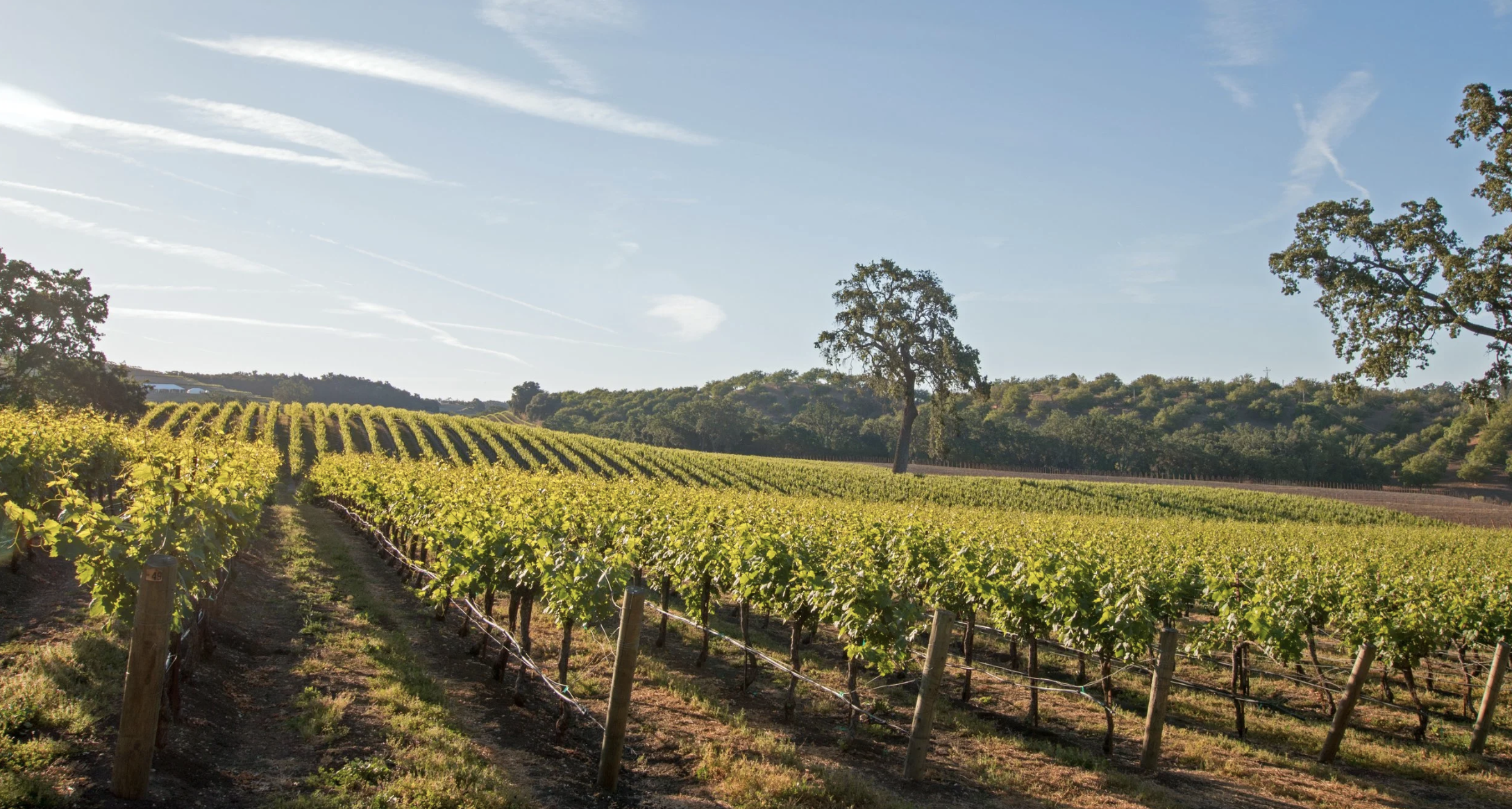
Your next customer will see your winery before they ever taste your wine. They'll see it on Instagram while planning a weekend trip. They'll see it on your website while deciding whether to book a reservation. They'll see it in an email while considering whether your wine club is worth joining. And in every one of those moments, they're making a decision based on what your visuals tell them about who you are. This isn't a trend. It's how people buy now. According to a 2023 study by Cloudinary and Harris Poll, 75% of online shoppers say product photos are the most influential factor in their purchase decisions. That number holds across categories, and it holds in wine. The difference is that wineries aren't just selling a product. They're selling an experience, a place, a feeling. Which means your visual content has to do more work than a product shot on a white background. It has to make someone want to be there. Most wineries know this on some level. Fe
00

March 23, 2026
The Duckhorn Portfolio, North America’s premier luxury wine company, has selected InnoVint as its winery operating system following a comprehensive evaluation and RFP process. The decision reflects Duckhorn’s focus on modernizing its winemaking operations with a platform and a partner capable of supporting both current complexity and long-term growth. Why The Duckhorn Portfolio Chose InnoVint The Duckhorn Portfolio sought a modern, scalable solution to unify winemaking operations across multiple facilities while maintaining accuracy, compliance, and operational visibility. InnoVint was selected not only for its integrated, production-first platform, but for its deep industry expertise and proven ability to guide complex wineries through system transitions with confidence. “InnoVint stood out as more than a technology provider,” said PJ Alviso, Vice President of Winegrowing at The Duckhorn Portfolio. “During our evaluation of the winemaking software options
00


Ten Ways Wineries Can Evolve From Selling Bottles to Creating Experiences That Resonate With a New Generation. If I told you a winery just opened with no vineyard, no winemaker on staff, and no interest in talking about terroir… would you visit? What if I told you it had a silent disco in the barrel room, a drag brunch series, and a 3-month waitlist for a zero-proof pairing menu? Those wineries exist. And they’re thriving. Because for a new generation of visitors, the wine isn’t the reason—it’s the reward. It’s not about what you pour anymore. It’s about how you make people feel. And we used to excel at this. But then we woke up one day… and it wasn’t working like it used to. The same offers stopped converting. The same messages started falling flat. The same visitors didn’t come back. And it’s not because we got worse at what we do. It’s because the customer changed. What they want. How they behave. Where t
00

ATPGroup is pleased to announce the addition of Brendan Loftus and Georgetta Dane to its Enology Sales team, reinforcing the company’s commitment to technical expertise, regional support, and long-term partnerships with winery customers. Brendan Loftus joins ATPGroup as an Enology Sales Representative covering Napa and Lake Counties. A Sonoma County native raised in Healdsburg, Brendan studied Enology at Cal Poly San Luis Obispo before spending several years working harvests across major wine regions in both the northern and southern hemispheres. His international experience includes time in Argentina, Chile, Hungary, and other established wine producing countries. He later returned to Northern California, where he most recently worked at Rack and Riddle, gaining broad hands-on experience from grape to bottle. Georgetta Dane joins ATPGroup as a Sales Representative serving the California Central Coast, Texas, and the Southeast states. She brings more than two decades of winemakin
00
.png)
December 10, 2025
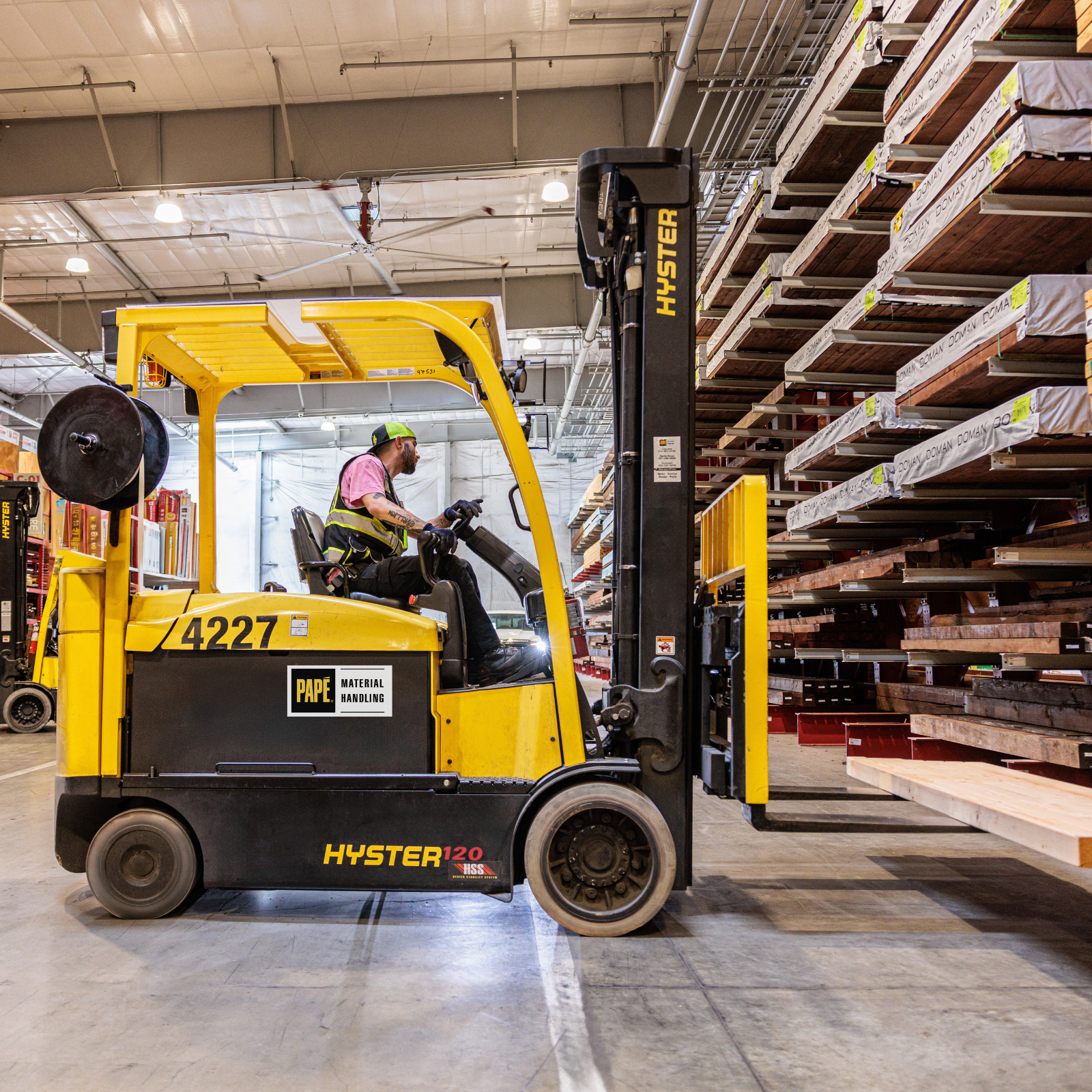
If you’ve been waiting for real-world proof that electric material handling vehicles (MHVs) can outperform internal combustion in busy, space-constrained operations, this is it. Our new white paper, Electrifying Material Handling Vehicles, shows how Golden State Lumber made the switch to an all-electric fleet and increased uptime, safety, and cost control. Below is a short overview of what you’ll learn in the full paper, and we’ll explain why now is the time to get serious about your own electrification roadmap. Why the Shift to Electric Is Accelerating Electrification isn’t just an environmental initiative; it’s an operational upgrade. Modern electric forklifts offer consistent power, instant torque, and whisper-quiet operation. With electric MHVs, communication is clearer, and air quality is high. And with fewer moving parts, they also tend to require less time in the shop, helping reduce the total cost of ownership over the life of the vehicle. Add in
00

Afternoon Brief: Learn From the Best - Tap into the Minds Shaping the Future of Wine
Members of the wine industry seeking solutions to their most pressing problems will have a suite of experts providing insights, advice and answers to the industrys most complicated questions at the 13th Annual WIN Expo on December 4, 2025...
UC Agriculture and Natural ResourcesGravesend Wine Merchant & EateryMichigan Wine CollaborativeThe 2025 Golden Vines AwardsBarons of BarossaSommelier Association of IndiaHighway 29 CreativeCMB Family of WinesTwo Sisters VineyardsBrooks WineryCrealisJuniper EstateRahrBSGKnights Grapevine Nurseryun Solar Electric INC.DH Wine ComplianceWineTankBrokerWinesecretsAdmeo Inc.PairAnythingArcher Roose WinesFrank Family Vineyards
00

October 29, 2025

San Jose, CA — October 29, 2025 — Liberation Distribution (LibDib), the leading web-based wholesale alcohol distributor, today announced the availability of Alana-Tokaj’s acclaimed portfolio of Tokaji wines in California, Washington, D.C., Florida, and Pennsylvania, with New York coming online soon. Among the releases is the 2013 Essencia, recently awarded 99 points by Wine Enthusiast—the highest-scoring Tokaji of 2025. Only 60 bottles were imported to the United States, making this a rare opportunity for fine-wine Buyers and collectors. “Akin to drinking silk, this is next-level Tokaji,” wrote Wine Enthusiast’s Emily Saladino. “Ripe pineapple, caramel, clementine, and juicy mango flavors marry delicate bergamot on the palate. The seemingly endless finish manages to be simultaneously sweet, tart, and intoxicatingly rich.” Library vintages from 2006 and 2007 are also available now on LibDib,
00
October 24, 2025
Afternoon Brief: Cheers to Overcoming Fearmongering on Spirits Shipping in California
With the passage of California Assembly Bill 1246, residents of the Golden State will continue to be allowed to receive direct shipments of spirits from in-state and out-of-state distillers at least for another year...
00

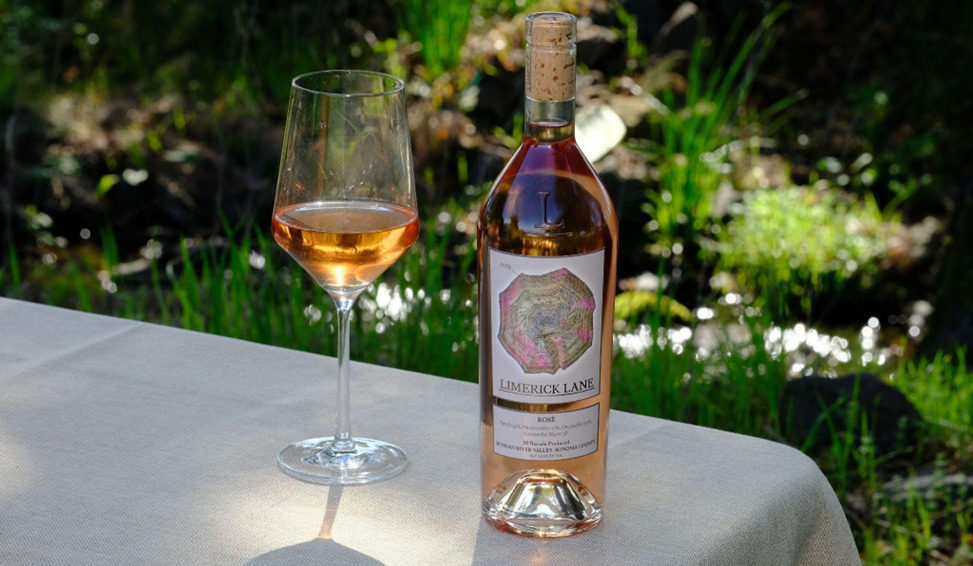
Why Is Glass Bottle Packaging Important? Wine can be packaged in a variety of ways; however, consumers continue to prefer the conventional glass bottle packaging format, which is by far the most popular. Although glass bottle packaging has less flexibility in its ability to capture attention than labels , it can still convey a lot of information to the consumer and increase brand standout in-store. Purchasing wine is seen as having a high level of risk. People don’t want to risk purchasing wines that result in poor wine quality, financial risk, or social embarrassment. Therefore, consumers search for information when browsing in-store to lower risk: price, varietal, region, brand/winery, or in-store recommendation. The majority of people who aren’t particularly interested in wine conduct their informational searching in-store and rely primarily on visual cues. A customer is more likely to buy wine if they recognize the brand name or have already tried it. Factors like
00

October 7, 2025
Beyond SMS & Email: 2 Proven DTC Channels for More Wine Sales in 2025 New Direct Mail Strategies & Affordable Mobile Apps Deliver Quick Wins As we barrel into OND — the most critical sales quarter for wine brands — many DTC marketing teams are staring down a sobering reality: sales are slumping, inboxes are saturated, and SMS campaigns are losing steam. The two primary direct marketing channels most wineries rely on — email (used by 85% of brands) and SMS (used by 15%) — are showing serious signs of fatigue. Promotional emails are increasingly buried in spam folders, and just last week, some of the industry’s leading SMS providers urged wineries to limit their use of SMS this holiday season due to deliverability concerns. So what now? If you’re a wine marketer looking for incremental sales this year without taking big risks, it’s time to revisit two proven channels that have quietly regained their edge: direct mail and affordabl
00