
Filter Post Type
NewsVideoProductEventLink
Sort:
Most Recent
1–10 of 18

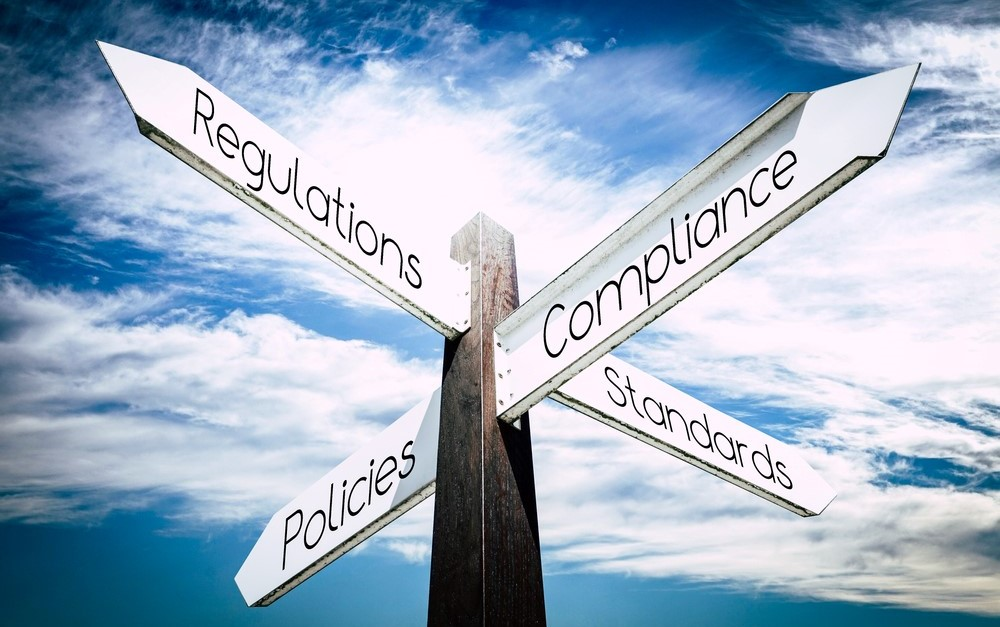
The calendar flip from 2024 to 2025 heralded several new packaging regulations, rulemaking updates, and bills with significant implications for consumer packaged goods in North America and Europe. Recent packaging legislation is reshaping packaging requirements for waste reduction, recyclable materials, circularity, and sustainability. However, actions by the Trump Administration may defer regulatory action at the U.S. federal level and shift packaging-related policies. EPR Packaging Laws Five U.S. states—California, Colorado, Oregon, Maine, and Minnesota—have passed extended producer responsibility laws for packaging. While each state's requirements vary, they share common goals of reducing packaging waste, enhancing recycling efforts, and holding producers (e.g., brand owners) accountable for the life cycle of their products. Since the start of the year, nine states have introduced or re-introduced EPR packaging bills. They include Washington, Tennessee, Hawaii
00
July 24, 2024
What is PAGA? Since 2004, California’s Private Attorneys General Act (“PAGA”) has allowed an individual employee to “stand in the shoes of” the State to recover civil penalties from an employer for Labor Code violations—not only for violations against the single employee bringing suit, but for violations against all aggrieved employees. In this way, a PAGA lawsuit is a representative action like a class action. However, PAGA actions do not play by the same rules as class actions. How is PAGA different from a Class Action? Because an employee bringing a PAGA action is (in theory) acting as a private attorneys general to enforce State laws, PAGA actions are not treated like traditional civil lawsuits. Instead, they are treated as administrative enforcement actions brought by the State. For this reason, many of the limitations on class action lawsuits do not apply to PAGA actions. For example, PAGA actions cannot be waived, worker class certification an
00


New legislation can be complicated. We've covered the basics on Cal Recycle's newest bill so you can prepare for the changes in the new year. Wine Sold in California Will Be Impacted Next Year The California wine industry is preparing for a significant change set to roll out in January 2024. With sustainability at the forefront of consumer and industry concerns, California has taken a bold step by implementing a new recycling bill that will substantially impact wineries across the state. SB 1013 was approved by Governor Gavin Newsome in 2023. The bill brings wine and distilled spirits into the California Beverage Container Recycling Program (BCRP) starting January 1, 2024. Understanding the New Cal Recycling Bill The primary objective of the Beverage Container Recycling Program is to attain an 80% recycling rate for aluminum, glass, plastic, and bimetal beverage containers sold within California, thereby diminishing the prevalence of littered beverage containers in the state.
00
June 12, 2023
In September of 2022, California Governor Gavin Newsom signed into law Senate Bill 1162, also known as SB 1162, the Pay Transparency Act, which went into effect on January 1 of this year. This new pay transparency law adds new requirements for payroll, hiring, and recruiting in the state of California. SB 1162 sets new expectations for businesses operating and hiring in the state of California regarding pay scale and pay data reporting, making adherence to the new requirements especially important for payroll, hiring, and recruiting. This new development highlights the ever-changing nature of the landscape of California employment law and the importance of having HR support specialists who focus on these California requirements on your side. How California Expands Pay Transparency Requirements In an earlier blog post, we looked into the key points from SB 1162, namely its new requirements for pay scale and pay data reporting. For hiring and recruiting personnel, the former is most pert
00
October 4, 2022

California’s COVID-19 Supplemental Paid Sick Leave (SPSL) extended until December 31, 2022 California’s COVID-19 Supplemental Paid Sick Leave (SPSL) has been extended until December 31, 2022 under AB-152; however, this extension does not provide employees with additional hours of SPSL. The bill also allows employers to require additional COVID-19 testing in certain circumstances. The state is also establishing a grant program to reimburse qualifying small businesses and non-profits for SPSL costs. Governor Gavin Newsom signed AB-152 into law on September 29, 2022. Here are the highlights of the newest changes: SPSL Extension COVID-19 SPSL is now extended through December 31, 2022; it was previously set to expire on September 30, 2022. This extension doesn’t provide employees with additional hours of SPSL; employees who have already used or exhausted their SPSL bank(s) are not entitled to more. Employees are still subject to a cap of 80 total hours of SPSL in 2022. &nb
00
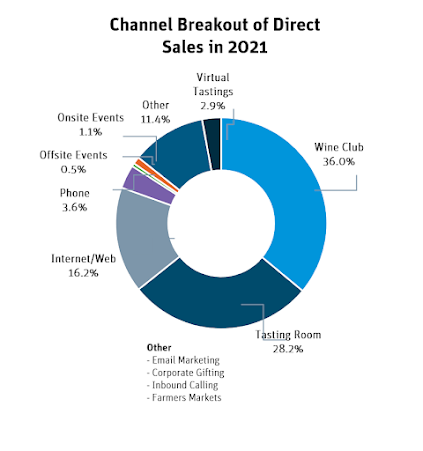
Selling Wine in a Pandemic What an insane past few years! But doesn't it feel wonderful to be moving into spring and at the same time into the endemic phase of this crisis? With fewer mask mandates now, maybe we'll be able to smell the spring flowers! But before we linger too long on the warmer days ahead, we still have some work to do. So let me take you back to the start of this crisis in 2020 when the COVID case numbers began picking up. At that point in time, I wrote a piece called Selling Wine in a Pandemic which is one the most-read pieces I've posted. I wrote it on March 15th, 2020 - a date that is etched in my mind and probably yours if you live in California. If you don't recall, that was the date Governor Newsom first issued the shelter-in-place orders and closed tasting rooms, restaurants and bars. I finished writing that blog on March 15th in the morning, but by late afternoon, I had to go back and update it when news of the lock-downs came o
00
November 17, 2021
California Governor Gavin Newsom’s 2020 Executive Order (AB1346) is aimed at banning the sale of internal combustion engine-powered vehicles by 2035. It also included banning smaller gas-powered equipment irrelevant to transport, such as gas-powered pressure washers and other industrial cleaning equipment, lawn equipment, generators, golf carts and other off-road equipment that contribute to CO2 emissions. While we support the goal of seeking ways for California to have a greener future, this significantly impacts small businesses that focus on the production and sales of these products, including North Bay Equipment and Hotsy Pacific, which have been serving our communities for over 35 years. Pressure washers are an integral part of companies, schools and municipalities cleaning, sanitizing and maintaining their premises to ensure safe and clean environments for the public, children and employees. We ask you to please reach out to your State representatives and ask t
00
September 29, 2021
This week, Governor Gavin Newsom signed three bills that expand certain winery off-site tasting room privileges and grant alcohol beverage manufacturers the right to advertise and promote charitable donations in connection with the sale of alcohol. The laws will become effective on January 1, 2022. We have summarized the new bills and how they amend current law below. Number of Winery Off-Site Tasting Rooms (SB 19) Under current California law, Type 02 wineries are permitted to operate tasting rooms only at their licensed Type 02 premises (i.e., the same premises where the winery’s wine is crushed and fermented), and at an off-site Duplicate Type 02 premises (where crushing and fermentation of wine is not permitted). Current law permits a winery to operate only one off-site Duplicate Type 02 tasting room. SB 19 amends Section 23390.5 of the California Alcoholic Beverage Control Act (“ABC Act”) to increase the number of Duplicate Type 02 locations
00

September 24, 2021
Afternoon Brief, September 24th
California Farm Worker Union Marching to the French Laundry After Newsom Vetoes Labor Bill: Gov. Gavin Newsom on Wednesday vetoed a bill that would have allowed farm workers to vote by mail in union elections, a change the United Farm Workers pressed for after the U.S. Supreme Court earlier this year dealt a setback to its organizing practices...
00
May 19, 2021

Keynote at the 2021 ASEV Conference to Address Hydrogen Sulfide and Sulfur Dioxide in Wine
DAVIS, Calif., May 19, 2021 – Dr. Gavin Sacks, Professor and Associate Chair of Food Science at Cornell University, New York, will be the keynote speaker for the 72nd ASEV National Conference. His address, “Reducible Complexity – The Knowns and Unknowns of Hydrogen Sulfide and Sulfur Dioxide in Wine,” will take place at the 72nd ASEV National Conference on Tuesday, […]
10