
Filter Post Type
NewsVideoProductEventLink
Sort:
Most Recent
1–10 of 24

April 6, 2026

As technology advances, the wine industry is beginning to embrace smart automation to improve efficiency, reduce downtime, and maintain the highest product quality. Wineries are no longer just looking for equipment that works—they want systems that think ahead. From temperature sensors in fermentation tanks to automated humidity control in barrel rooms, integrated smart systems are revolutionizing how wineries operate. DW Mechanical stays ahead of the curve by offering solutions that integrate smart technologies into plumbing and refrigeration systems. For example, remote monitoring and automated alerts can notify staff of changes in temperature, pressure, or humidity, preventing problems before they escalate. Automated flushing systems for pipes and self-regulating glycol chillers are just a few of the innovations that make wineries more efficient and less reliant on manual intervention. If your winery is ready to future-proof its mechanical systems, DW Mechanical can help you
00

August 18, 2025
Last month at the ATMO Summit (June 11, 2025), our COO, Scott Timms, hit the stage to share a real-world case study featuring our Elite 290 propane chiller in action at New Belgium Brewing. It was a great chance to show how natural refrigerants—especially R290 (aka propane)—aren’t just better for the environment, but also a smart, real-world solution for a wide range of industries. From breweries and food processors to industrial facilities and beyond, propane is proving it can deliver serious cooling power—without the climate cost. Why Are People Switching to Natural Refrigerants? Let’s face it—HFCs are on the way out. With new rules rolling in and environmental pressure mounting, more businesses are looking for refrigerants that are low-impact, energy-efficient, and future-proof. That’s where propane (R290) comes in: Ultra-low GWP (Global Warming Potential) High efficiency = lower energy bills It’s been used safely in system
00
.jpg)
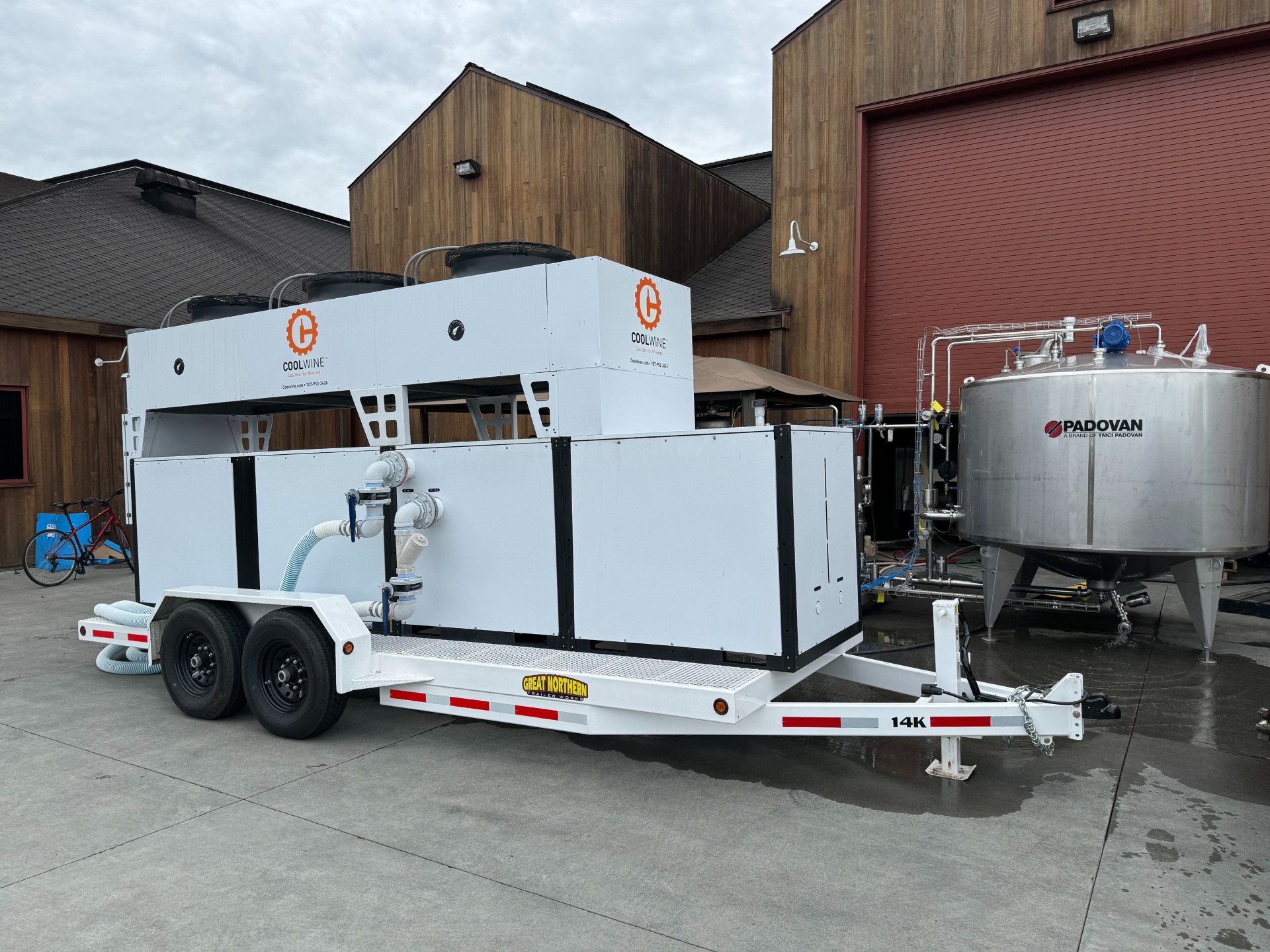
Purchase Process Describe your needs via email, phone or text We will provide you with an estimate based on equipment required Once we have received a 50% down payment we will order the equipment Prior to delivery, final payment is required Delivery and setup is then arranged after final payment is provided CoolWine is positioned to purchase from any chiller manufacturer in our industry. Based on quality and technical service we usually select G&D equipment. G&D is located in Oregon and we are the largest distributor of their equipment on the West Coast. We are here to solve your BTU Challenge Note, everything we sell we also rent. Delivery CoolWine has a custom-built truck outfitted to provide local deliveries and set-up. We carry all the required glycol hose, quick connect fittings, electrical plug cord ends, and glycol to get you up and running quickly! Electrical Setup We ask that you text or email us a picture of the proposed electrical service
00
.jpg)
August 4, 2025
The Future of Winery Automation isn't a sterile environment free of human interaction or simply producing bland salt-free crackers (so to speak) regarding the uniqueness of our wines. Power is at the center of winery automation with refrigeration being a massive power hog that demands our attention. Let's get into a one of the key categories that VinWizard excels at mastering this world of temperature control: Pulse Cooling 🟰 Efficient cooling without the ice or overkill. Pulse Cooling replaces the traditional method of continuous coolant flow with a smarter, more efficient cycle. Introduced to VinWizard customers in 2017, this technique delivers coolant to the tank jacket in controlled bursts, then holds it in place to maximize heat transfer — before cycling fresh coolant back in. Why it works: Rather than forming a layer of ice (which insulates rather than cools), Pulse Cooling ensures direct contact between the wine and the jacket — making cooling m
00


In vineyards, propane serves essential roles throughout various stages, ensuring optimal winemaking conditions from harvest to bottling. Unlike row crops such as peanuts and corn, grapes in vineyards don't require drying, but propane remains indispensable: During Harvest: Propane powers equipment such as de-stemmers, presses, and pumps for sterilization and crush pad heating. This is crucial for early-morning or cold-climate harvests. Fermentation: While glycol chillers are common, propane may be used to heat tanks, enabling precise control over fermentation restarts and management. Barrel Room & Tasting Rooms: Propane maintains ideal aging temperatures (55–60°F), ensuring quality preservation especially during colder months. Bottling: Propane heats water or steam for thorough cleaning and sanitation of bottling lines, maintaining hygiene standards critical to product quality. Propane's versatility supports sustainability goals by providing a low-emission energy
10
Get Your Cooling System Ready for the Season Ahead As spring arrives and vineyard life begins to bloom again, it’s the perfect time to wake your chiller from winter hibernation. A smooth startup now means reliable cooling when you need it most — whether you’re cold-soaking rosé lots or prepping for bottling. Below is a helpful step-by-step guide to safely and efficiently hook up and prepare your chiller for winery use this season: Spring Chiller Startup Checklist 1. Clean the Condenser Coils Spring debris like cottonwood, pollen, and leaves can restrict airflow. Use a soft brush or coil-safe cleaner to remove buildup. For heavy grime, a gentle rinse with water may help — just avoid damaging the fins. Straighten bent fins with a fin comb if needed. 2. Remove Winter Protection Take off tarps, overhangs, or insulation used for winter protection. Ensure there’s no trapped moisture, which can lead to rust or mold. 3. Inspect Power & Electrical Conne
00

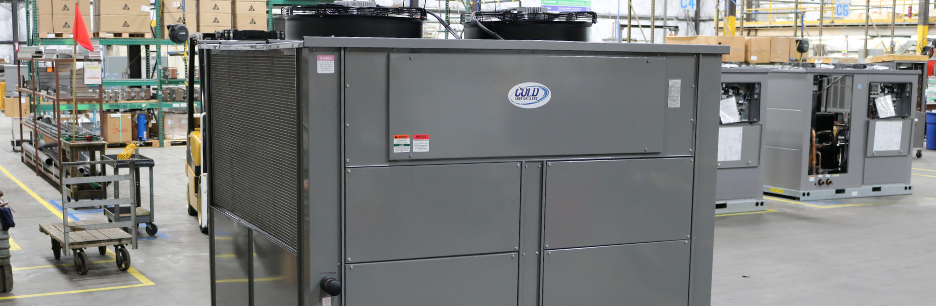
Buying used industrial equipment is common, and chillers are no exception. With potentially lower costs and faster availability, it can seem like a great deal. But is it the right move for your operation? Let’s walk through it together. The Refurbishment Process for Chillers Not all used industrial chillers are the same. Some are sold “as-is,” while others go through a refurbishment process. A properly refurbished chiller typically includes: A full inspection of key components (compressor, evaporator, condenser, controls) Replacement of worn parts (seals, gaskets, fans, etc.) Refrigerant recharge and leak testing Updated wiring and controls if needed Full performance test before shipping Here’s the difference: a used water chiller might have been sitting in a warehouse for years. A refurbished one has been cleaned, tested, and often upgraded by professionals – either from the original manufacturer or a qualified third party. Refurbishment isn’t a gu
00
May 9, 2025
Temperature control is not just essential for fermentation and storage—it’s also crucial during transportation and shipping. If the refrigeration systems in place are not designed specifically for the demands of the wine industry, it can result in spoilage, loss of quality, or even complete product loss. DW Mechanical provides state-of-the-art refrigeration solutions, specifically designed to handle the unique needs of wineries. From portable glycol chillers for transportation to fixed installations in cellar rooms, our systems ensure that your wine stays at the optimal temperature throughout its journey, preserving quality from production to bottle. Our expertise in refrigeration systems makes us a trusted partner in ensuring the longevity and consistency of your wine. Contact Us Today
00
April 14, 2025
G&D Chillers Unveils New Sustainable Refrigeration Technology and Industry Innovations G&D Chillers, known for producing the most reliable premium chillers used in commercial brewing, wine, cannabis, food processing, biogas and other manufacturing industries for more than 30 years, is proud to announce a series of groundbreaking innovations set to redefine the refrigeration landscape in 2025. From sustainable cooling technology to expanded industry partnerships and advanced training programs, G&D Chillers continues to drive the future of industrial chilling solutions. Revolutionizing Sustainability: Elite 290 Microseries & New Belgium Installation G&D Chillers proudly introduces its latest environmentally friendly innovation in alternative refrigerant-based chilling: the Elite 290 Microseries is designed to deliver unparalleled efficiency while significantly reducing carbon footprints. These advancements mark a major step forward in sustainable cooling solution
00
April 10, 2025
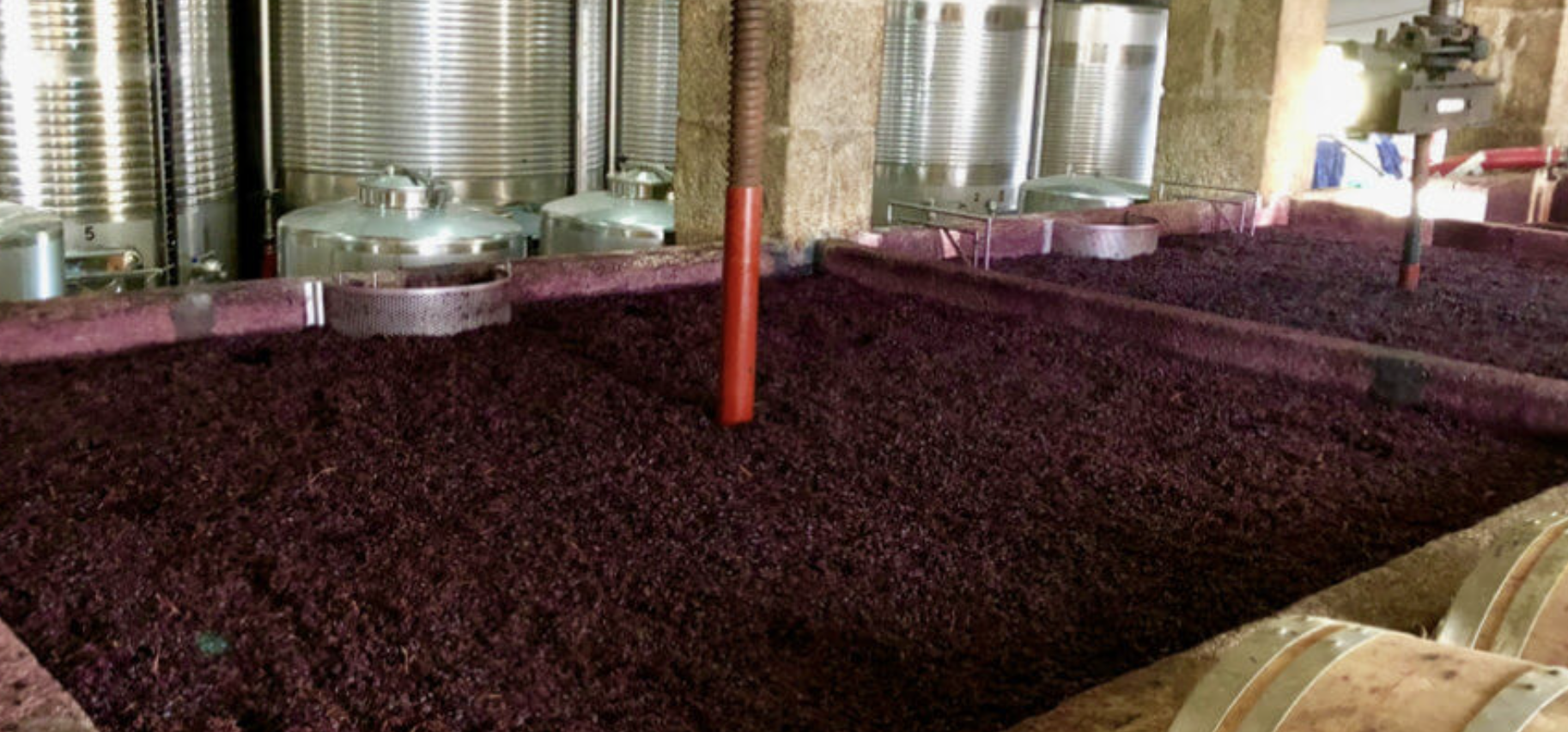
The process of making wine is deeply influenced by several factors, including grape fermentation, yeast strain, and fermentation temperature. Among these, temperature control methods are essential for achieving a well-balanced and high-quality finished wine. Attempting to ferment wine in extreme conditions (either too cold or too hot) can negatively impact the entire fermentation process, resulting in poor flavor development and an unbalanced profile. Understanding the best temperature for fermentation based on the type of wine being produced ensures that complex flavors, aroma retention, and structural integrity are preserved. What is the Best Temperature to Ferment Wine? Finding the best temperature for wine making is not a one-size-fits-all approach. Different wines require different conditions for fermentation, which is why winemakers must carefully monitor and regulate temperatures throughout the process. As a general rule, red wines ferment at higher temperatures for shorter per
00