
Filter Post Type
NewsVideoProductEventLink
Sort:
Most Recent
Tagged:Fructose
1–5 of 5

Is your lab ready for the coming year? Are you using the best instrumentation for your wine analyses? To learn more, visit Astoria-Pacific, booth number 623, at the WIN Expo on Dec 5, 2024!
00
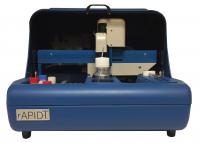
Need a little help with your wine analyses? Astoria-Pacific offers a very affordable system for the automated analysis of Acetic Acid, Glucose+Fructose, Malic Acid, Total Sulfites, Ammonia and NOPA. We understand that trying to analyze these tests manually and/or using handheld devices start becoming impractical for many wineries as they grow ... and, truthfully, there is also significant "sticker shock" when trying to look for other automated solutions. Therefore, trust in us to provide you with the most affordable analyzer for these core tests in the wine industry. Also, benefit from driving your costs down from $4 - $7 per test to ~$0.50 - $0.70 per test via automation... Hmmm ... do you have an FT-IR but still need a way to it calibrate every year? An inexpensive rAPID-T can do that and also be that additional layer of testing when your wine nears completion. Astoria-Pacific ... yes, we're obviously trying to sell you something ... but we're also trying to he
00
Please visit our booth 253 at the Oregon Wine Symposium, Feb 13 - 15, this month. We can discuss various wine analyses, including our new Free Sulfite analyzer, which will be available later this year. We look forward to talking with you.
00


In the heart of a winery, amidst the sprawling vineyards and the rhythm of the harvest season, lies a critical hub of activity—the winery laboratory. As the last tank of grapes is pressed, the role of the laboratory in quality control (QC) becomes paramount. This is where science meets art in the pursuit of crafting exceptional wines. After the last tank of grapes is pressed in a winery, the laboratory conducts a range of tests and analyses to ensure the quality, stability, and safety of the wine. These tests are essential for fine-tuning the winemaking process and ensuring that the wine meets desired specifications. Here are some of the key tests and analyses typically performed in a winery laboratory after the final tank is pressed: Acidity: Monitoring total acidity, including tartaric acid, malic acid, and citric acid, is crucial for assessing the wine's freshness and acidity levels. pH Level: pH affects the wine's color, stability, and tast
00