
Filter Post Type
NewsVideoProductEventLink
Sort:
Most Recent
1–10 of 20

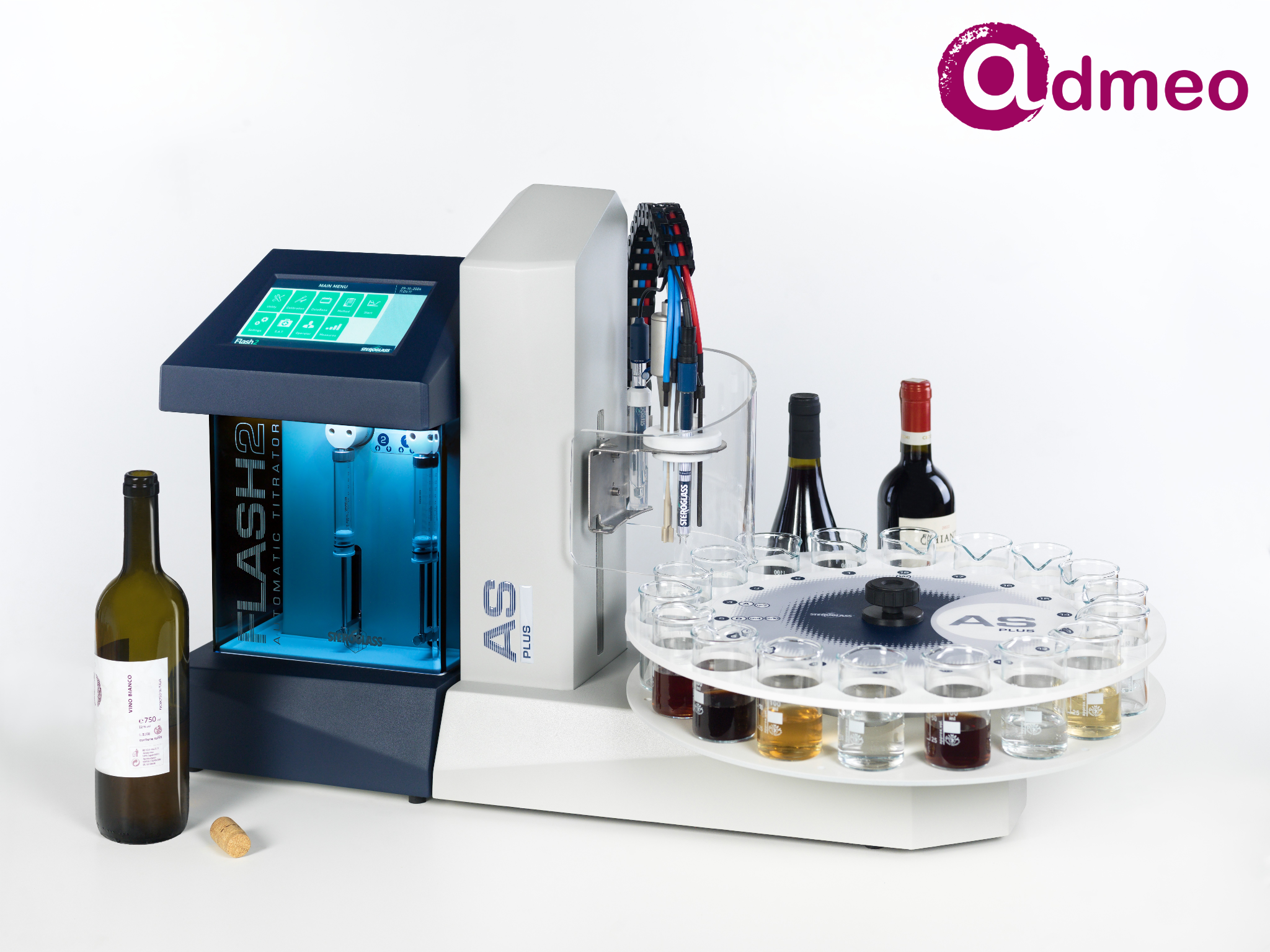
Precision and repeatability are essential in wine quality control. Steroglass' FLASH2 automatic titrator performs rapid and reliable analyses on key parameters such as pH, total acidity and free and combined sulfur dioxide, with automatic equivalence point detection. A compact, intuitive instrument that is perfect for improving efficiency in wine laboratories, reducing errors and working times.
00

March 11, 2026
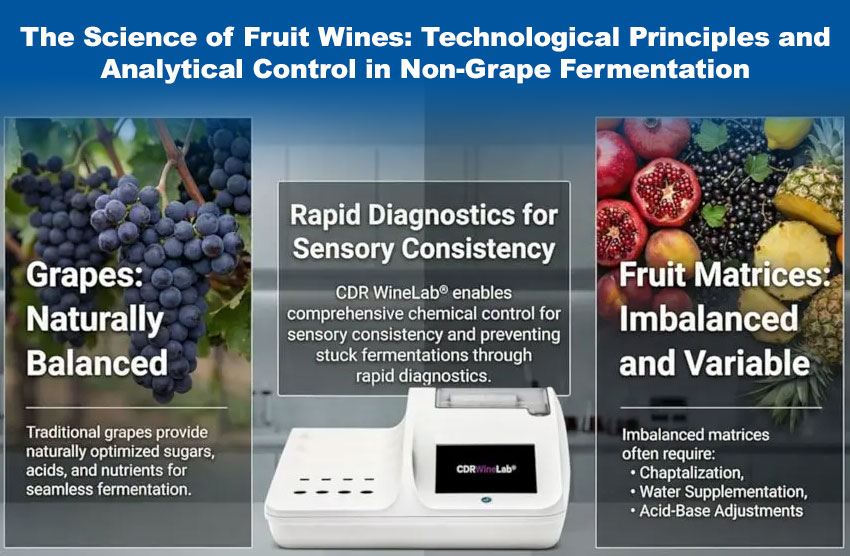
** CDR WineLab In-Stock - Immediate shipping available ** The Science of Fruit Wines: Technological Principles and Analytical Control in Non-Grape Fermentation Defining Fruit Wines: Chemical and Technological Distinctions In modern oenology, fruit wine production has transcended its origins as a rural craft to become a highly specialized sector of food science. The transition from artisanal production to a global industrial category relies on a deep-seated understanding of the unique chemical matrices presented by non-grape fruits. Unlike viticulture, where the raw material is often naturally optimized for fermentation, alternative fruit substrates—such as pomegranate, fig, and various berry species—exhibit diverse polyphenolic profiles and acid concentrations that demand precise technological interventions to ensure product stability and commercial viability. Fruit wines are characterized as non-distilled alcoholic beverages, typically containing 5% to 13% alcohol
00

Thiamine, also known as vitamin B1, is an essential micronutrient for yeast metabolism. The thiamine content typically found in grapes ranges from 80 µg/L to 1.2 mg/L. Although most yeasts, including Saccharomyces cerevisiae, can synthesise thiamine, they prefer to absorb it from grape must. This preference conserves energy, which can be used for cell growth and the production of vital fermentation metabolites. In fact, yeasts can absorb all available thiamine in the must within the first six hours after inoculation. A thiamine deficiency in the must can have practical consequences, such as sluggish or stuck fermentations and an altered aromatic balance. Thiamine’s role in yeast metabolism and fermentation Thiamine and its biologically active forms serve as cofactors in central carbon metabolism (sugar breakdown). Without thiamine, several enzymes cannot function, risking incomplete fermentation. Thiamine also exhibits antioxidant activity, protecting yeasts from free-rad
00
Adjust pH Naturally and Precisely with Oenodia STARS® Technology Traditional pH adjustment tools like tartaric acid and potassium carbonate often lack precision and can alter wine flavor, especially after fermentation. Oenodia’s STARS electrodialysis process is a smarter way to fine-tune pH, enhancing flavor, color, and SO₂ performance. Learn More Why Adjust Acidity? STABILITY ENHANCE SO₂ EFFECTIVENESS Sulfur dioxide is most effective within a specific pH range to protect wine from microbes and oxidation. When pH>3.65, its effectiveness drops, requiring higher free SO₂ levels. Lowering pH helps maintain wine stability with less intervention. SENSORY ADJUST FLAVOR AND COLOR pH plays a key role in a wine’s sensory profile and visual appeal. A lower pH can sharpen flavor balance, reduce flabbiness, and enhance freshness. pH also influences color, especially in reds and rosés. pH adjustment is a natural way to shift color. FLEXIBL
00
Adjust pH Naturally and Precisely with Oenodia STARS® Technology Traditional pH adjustment tools like tartaric acid and potassium carbonate often lack precision and can alter wine flavor, especially after fermentation. Oenodia’s STARS electrodialysis process is a smarter way to fine-tune pH, enhancing flavor, color, and SO₂ performance. Why Adjust Acidity? Stability: Enhance SO₂ Effectiveness Sulfur dioxide is most effective within a specific pH range to protect wine from microbial contamination and oxidation. When pH>3.65, its effectiveness drops, requiring higher free SO₂ levels. Lowering pH helps maintain wine stability with less intervention. Sensory Adjust Flavor and Color pH plays a key role in a wine’s sensory profile and visual appeal. A lower pH can sharpen flavor balance, reduce flabbiness, and enhance freshness. pH also influences color, especially in reds and rosés. pH adjustment is a natural way to shift color. SHIFT pH ± 0.05 - 0.5 WITH PR
00

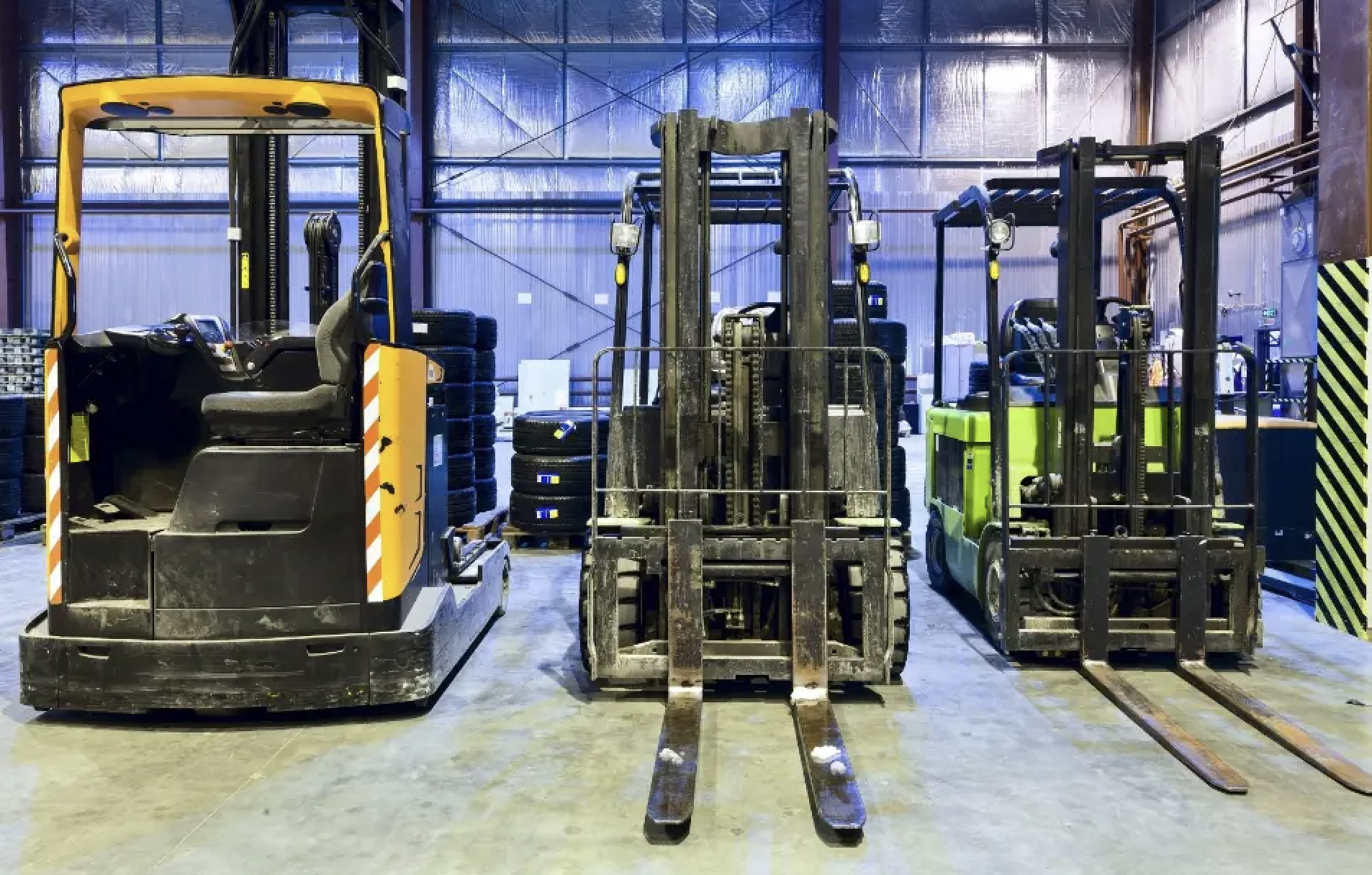
Working with heavy equipment and lift trucks requires a sufficient power source, and lead-acid and lithium-ion batteries are often excellent solutions. There are numerous advantages to choosing batteries for your applications, but it helps to know which option is right for your situation. What Are Lead-Acid and Lithium-Ion Batteries? Lead-acid batteries contain lead dioxide, sponge lead plates and sulfuric acid. These batteries require a longer charge time but reduced maintenance, making them great for equipment operators and fleet managers. Lithium-ion batteries consist of lithium compounds and graphite. They are lighter than their lead-acid counterparts and are well-known for their fast charging capabilities and impressive life spans. Both lead-acid and lithium-ion batteries have their place in the world of lift trucks. The type of equipment you choose and your unique power needs will determine what technology is included with a vehicle from the manufacturer. Advantages of Lead-Acid
00

For over 30 years, we’ve partnered with wineries of all sizes to provide expert winemaking services tailored to real-world harvest needs. From precision alcohol adjustment and dealcoholization services to fermentation troubleshooting, BevZero is here to take complexity out of the crush season and help you produce your best wine, every time. We don’t just support winemakers, we work alongside them. Our global team of winemakers, food scientists, and beverage technologists are embedded in the industry, bringing first-hand experience and scientific expertise to every solution. Why BevZero? A Partner Rooted in Innovation Founded in 1991, BevZero pioneered vacuum distillation for alcohol reduction in wine, a process that quickly became a standard in the industry. But our commitment to innovation didn’t stop there. Today, BevZero operates globally, offering advanced winemaking support from our facilities in the U.S., Spain, and South Africa. Our services are designed to sol
00
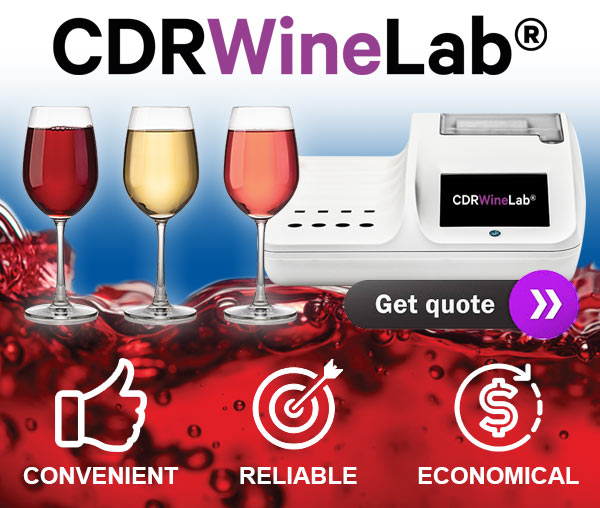
CDR WineLab Overview Video (3 minutes) ** CDR WineLab In-Stock ** Immediate shipping available CUSTOMER SUCCESS STORY “The CDR WineLab Junior has expanded our winery’s in-house analysis capabilities. It is an excellent option for copper analysis and a tool we use constantly for wine bottling preparation and quality control. The equipment is easy to use, easy to maintain, and easy to replenish consumables due to the constant communication and support that Gusmer provides its customers." Victoria Mayer – J. Lohr Winery Lab Supervisor Paso Robles, CA CDR ANALYSIS ON WINE AND MUST • Alcohol by Volume • Acetic acid (volatile acidity) • Fermentable Sugars • Total Acidity • L-Lactic Acid • L-Malic Acid • Free sulfur dioxide • Total sulfur dioxide • Yeast Assimilable Nitrogen (YAN) • Galacturonic Ac
00

August 16, 2024
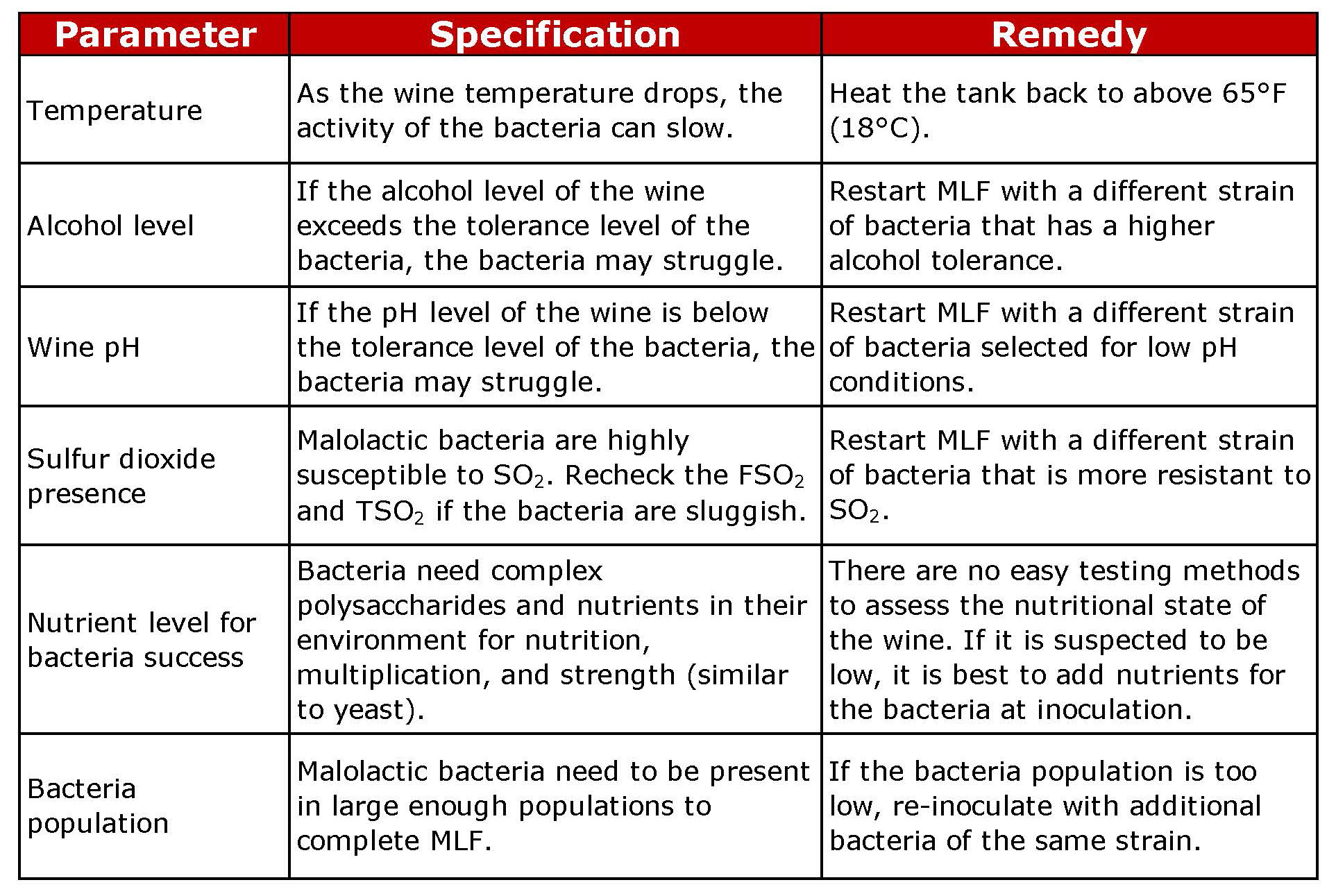
Malolactic fermentation (MLF) is crucial in winemaking for reducing acidity, enhancing flavor, and improving stability. By converting sharp malic acid into softer lactic acid, MLF softens the wine, creating a smoother, more palatable profile while also adding complexity, such as buttery or creamy notes, particularly in wines like Chardonnay. This process, which typically occurs after primary fermentation, also stabilizes the wine by preventing potential spoilage from spontaneous malic acid fermentation. MLF is common in red wines and some white wines and is often induced by inoculating the wine with a selected bacterial strain to achieve a specific texture, flavor, and overall quality of the wine. MLF is much slower and less turbulent than primary (alcoholic) fermentation; taking weeks, even months, to complete. The fermentation is complete when malic acid levels are measured below 0.1 g/L. Recommended practices for a successful MLF: For easier acclimatization, keep the wine belo
00
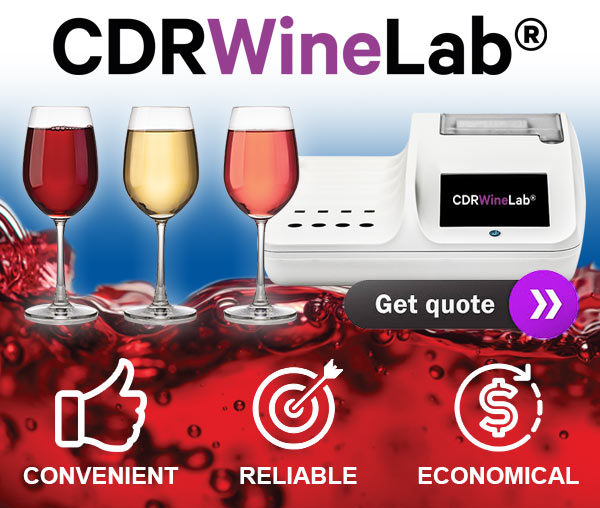
CUSTOMER SUCCESS STORY “The CDR WineLab Junior has expanded our winery’s in-house analysis capabilities. It is an excellent option for copper analysis and a tool we use constantly for wine bottling preparation and quality control. The equipment is easy to use, easy to maintain, and easy to replenish consumables due to the constant communication and support that Gusmer provides its customers." Victoria Mayer – J. Lohr Winery Lab Supervisor Paso Robles, CA CDR ANALYSIS ON WINE AND MUST • Alcohol by Volume • Acetic acid (volatile acidity) • Fermentable Sugars • Total Acidity • L-Lactic Acid • L-Malic Acid • Free sulfur dioxide • Total sulfur dioxide • Yeast Assimilable Nitrogen (YAN) • Galacturonic Acid • Calcium • C
00