
Filter Post Type
NewsVideoProductEventLink
Sort:
Most Recent
1–1 of 1

November 17, 2025
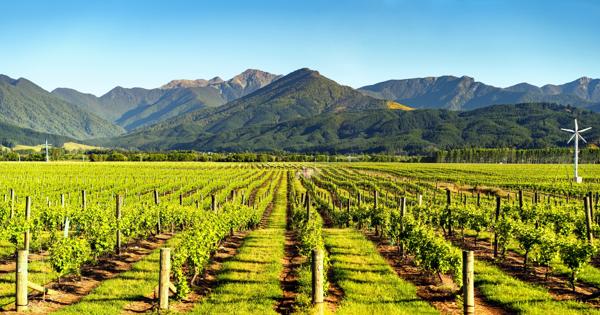
For many North Coast growers, Fleabane has gone from an occasional nuisance to a persistent challenge. Once it takes hold between rows or drip lines, it competes with young vines for moisture, slows canopy growth, and creates long-term pressure that can be costly to manage later in the season. What’s catching many growers off guard right now is timing. Fleabane does most of its damage before spring even begins. By the time it becomes tall, fibrous, and woody, mechanical removal struggles, contact herbicides lose effectiveness, and regrowth surges after bud break. Why Fleabane Persists Unlike many annual weeds that fade with summer heat, fleabane germinates and seeds aggressively over winter, forming low mats that harden into upright stalks by early spring. That’s why post-harvest through dormancy (Q4) is often the most strategic time for control, not April or May when vineyard crews are already stretched across canopy management an
00