
Filter Post Type
NewsVideoProductEventLink
Sort:
Most Recent
Tagged:Fermentation
1–10 of 46

Multiply yeast & bacteria on-site with a cost effective Bioreactor Yeast and lactic acid bacteria multiplication, lysate production, and multiplication of microorganisms for vineyard use (biocontrol, biofertilisation and biostimulation). Choose from a complete range of sizes designed to support your production needs. The entire product line is available for delivery across North America.. Reduce reliance on purchased yeast by 90% Reduce bacteria purchases by 75% Generate yeast nutrients on-site Fully automated cycles Eliminate yeast activators Biomass provides greater vitality and viability Strong fermentations Wild or native yeast multiplication process No juice required Sales and service supported in USA Email us or give us a call to set up and demo and walk you through the potential savings and control you can have with this machine.
00

December 8, 2025

Are you concerned about temperature fluctuations jeopardizing your wine quality during fermentation? Manual temperature management can lead to higher risks and prevent stable fermentations. The solution is here! Introducing the VinWizard STC (Smart Tank Controller), the intelligent tank controller designed to give you full control at your fingertips and ensure precision fermentation. With the STC, say goodbye to uncertainty and hello to: Real-Time Temperature Control: Precise temperature control, both local and remote. Consistent and Safe Fermentations: Ensures stability and provides consistent and safe fermentations. Risk and Cost Reduction: Minimize temperature deviations and reduce wine quality downgrades. Smart Automation: Includes automated pump-overs and oxygen control. Ease of Use: Intuitive touchscreen and instant alarms (App, Email, SMS). Ready to guarantee your wine quality and optimize your winery costs? Let's talk about how the VinWizard STC can protect your
00
December 8, 2025
LEV2050’s bioreactors enable controlled multiplication of microorganisms – notably yeast and bacteria used in wine fermentations - reducing yeast and bacteria purchase costs by up to 90%.
00

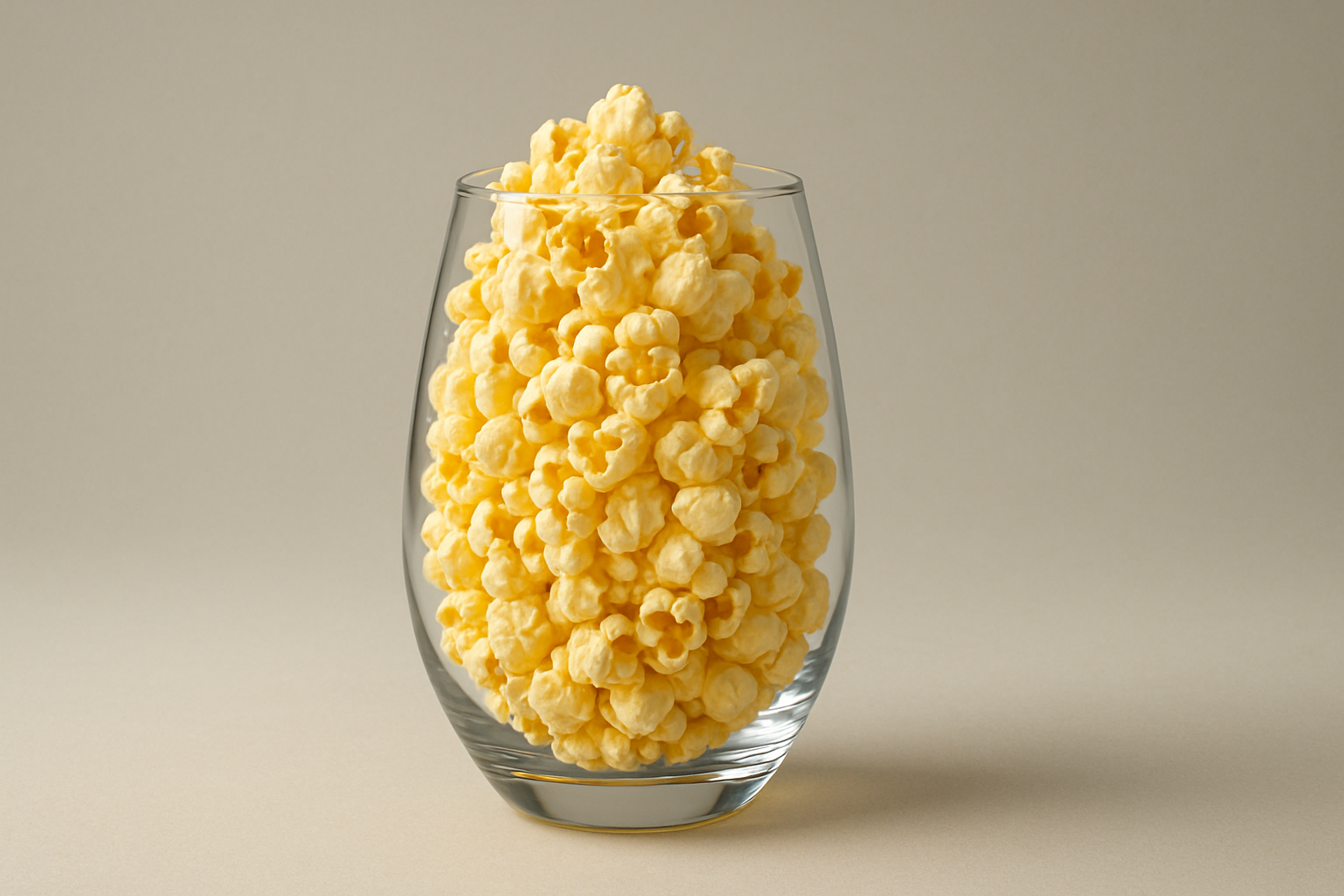
To Butter or Not to Butter... One notable byproduct of malolactic bacteria (other than lactic acid!) is diacetyl, a compound that imparts buttery or popcorn-like aromas. While some aim to promote this character in their wines, others may prefer to minimize it. Read on to learn more about winemaking decisions that influence diacetyl production. Tips for Managing Diacetyl Strain Selection Some ML strains like PN4™and BETA™ produce more diacetyl, while strains like VP41™, O-MEGA™, and ML PRIME™ produce less. Inoculation Timing Co-inoculation of yeast and bacteria minimizes diacetyl, since yeast consumes it as bacteria produce it. Lees Contact Yeast and bacteria in the lees aren't necessarily dead; they can remain alive for months. Lees contact allows for the consumption of diacetyl, decreasing the total amount in the wine. SO2 Management Adding SOâ‚‚ just after MLF protects diacetyl. SOâ‚‚ binds to diacetyl in a reversible reaction. Initiall
00
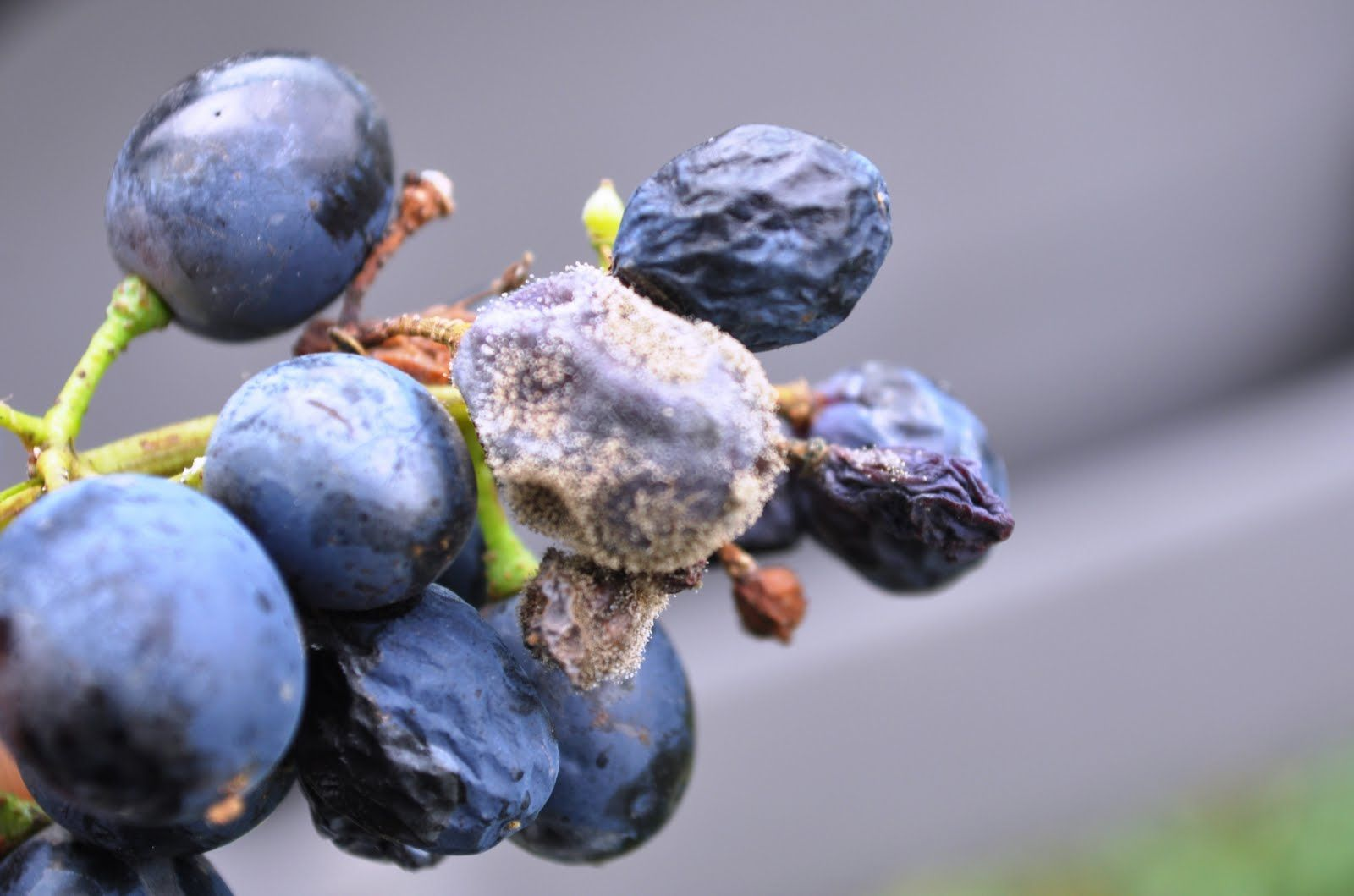
Myriad challenges keep winemakers up at night. Don't let rot-affected fruit be one of them. While daunting, rot doesn't have to define your wine. With proactive management and LAFFORT's targeted Rot Protocol, you can protect your wine's quality from vineyard to bottle. Our targeted approach: Vineyard/Crush: Bioprotection with EGIDE to safeguard fruit quality. Fermentation: Protective tannins & enzymes for clean extraction. Aging: EXTRALYSE to break down glucans for stability and clarity. Rot is a challenge, but it doesn't have to be a deal-breaker. Let's discuss a strategy for your cellar. Tap the link for our full Rot Protocol. Contact us - we're here to help.
00

Troubleshooting Sluggish and Stuck Fermentations—Can you Get Back on Track without a Restart? There are several factors that affect the success of fermentation, and sometimes a small adjustment can get things back on track without the need for a full restart. Below we outline some common causes of problematic fermentations and advice for next steps. TEMPERATURE STRESS Each yeast strain has an optimal temperature range and anything outside of this range can cause yeast stress. If the temperature was too high or spiked, the yeast may not be viable and a restart may be needed. If it is too low, try slowly warming the wine to 70°F. INADEQUATE MIXING If the tank isn’t mixed, yeast may settle and lose access to nutrients and sugar. This can slow fermentation or cause it to stall. Gentle mixing during fermentation helps keep yeast active and fermentation on track. WINE MIGHT NEED DETOXIFICATION When yeast become stressed, they can produce compounds th
00
September 29, 2025
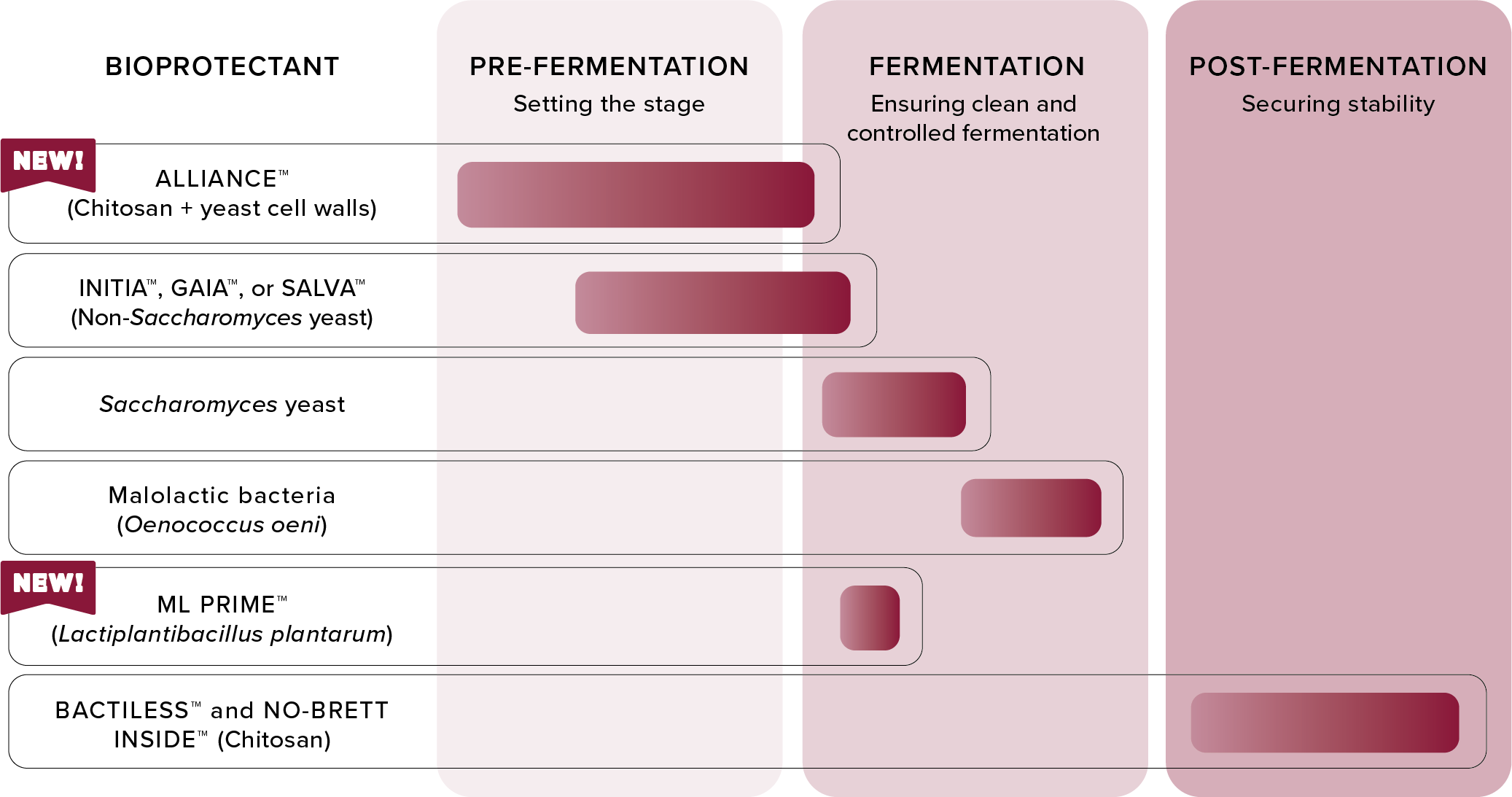
Pre-fermentation bioprotection tools can help control unwanted yeast and bacteria, limiting off-odors and flavors, and setting the stage for a clean fermentation. With so many options available, choosing the right tool for your winemaking style isn't always as straightforward. Basic Protection LEVEL2 INITIA™ (for whites and rosés) and IOC GAIA™ (for reds) are broad-spectrum Non-Saccharomyces yeasts that are ideal for protecting healthy fruit. They help control spoilage microbes and support a clean start to fermentation. Advanced Protection For damaged fruit or higher microbial pressure, stronger tools are needed. LEVEL2 SALVA™ (Suhomyces pyralidae) helps guard against Brettanomyces pre-fermentation. ALLIANCE™ (chitosan + yeast cell wall blend) is ideal when rot is present and spoilage organisms are unknown. Check out our entire portfolio of bioprotection tools and see how they may fit into your winemaking approach. Learn More
00
September 11, 2025

A smooth, complete fermentation doesn’t happen by chance, it starts with balanced yeast nutrition. When yeast has access to the right nutrients at the right time, you avoid sluggish or stuck fermentations, reduce the risk of Hâ‚‚S and VA, and unlock the full aromatic potential of your grapes. Why Yeast Nutrition Matters? Nitrogen is the main driver of yeast growth and fermentation activity. Saccharomyces can assimilate only ammonium ions (DAP), amino acids (organic nitrogen), and small peptides (organic nitrogen). Amino acids are strategic: they are taken up early, stored, and used gradually. Some of them also act as aroma precursors (thiols, esters, acetates). Vitamins & minerals (thiamine, Mg, Zn) act as cofactors in enzymatic reactions and have a role in cell growth, fermentation activity, and nitrogen metabolism. Sterols & long-chain fatty acids are essential for membrane structure, stress resistance, and survival. Click here for all fermentation tips & gui
00
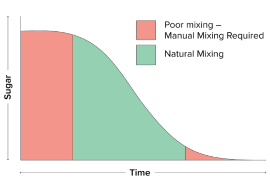
Why Proper Fermentation Mixing is Essential It’s a common myth that fermentations “self-mix" when in fact this is only true during the most active stages of fermentation. Recent research (Schwinn et al., 2019) has shown that without manual mixing, yeast can struggle to stay in suspension, causing yeast stress and other unwanted impacts. The Benefits of Mixing LIMIT STRATIFICATION Without mixing, yeast and nutrients can crowd the bottom of the tank, leading to different fermentation rates and progression in different parts of the vessel. PREVENT OFF-AROMAS Ensuring even distribution of yeast and nutrients limits stress, reducing the risk of off-aromas like hydrogen sulfide, acetic acid, and acetaldehyde. IMPROVE YEAST PERFORMANCE Even distribution of yeast and nutrients also keeps yeast healthy, active, and efficient, improving fermentation kinetics and tank turnover. WHEN TO MIX Mixing is most important during early fermentation and near the end. At both o
00

New Yeasts, Yeast Derivatives, and More Innovation doesn’t hit pause, and it doesn't always wait for the Handbook! We’re excited to introduce a few new products that weren’t quite ready for the handbook, but are here just in time for harvest. LEVEL2 SALVA™ Non-Saccharomyces Yeast Specific bioprotection against Brettanomyces, including SOâ‚‚-resistant strains. LALVIN ICV MILADY™ Yeast Balance and varietal fruit expression in red wines. CAUDALYS™ Yeast Derivative Nutrient Enhances minerality and lengthens finish in white and rosé wines. QI FINE™ Fining Agent Clarifies and removes astringent and oxidized phenolic compounds; non-animal alternative to PVPP. All New Winemaking Products Download our full New Products Brochure to explore all the latest additions this year. Download PDF
00