
Filter Post Type
NewsVideoProductEventLink
Sort:
Most Recent
1–10 of 18
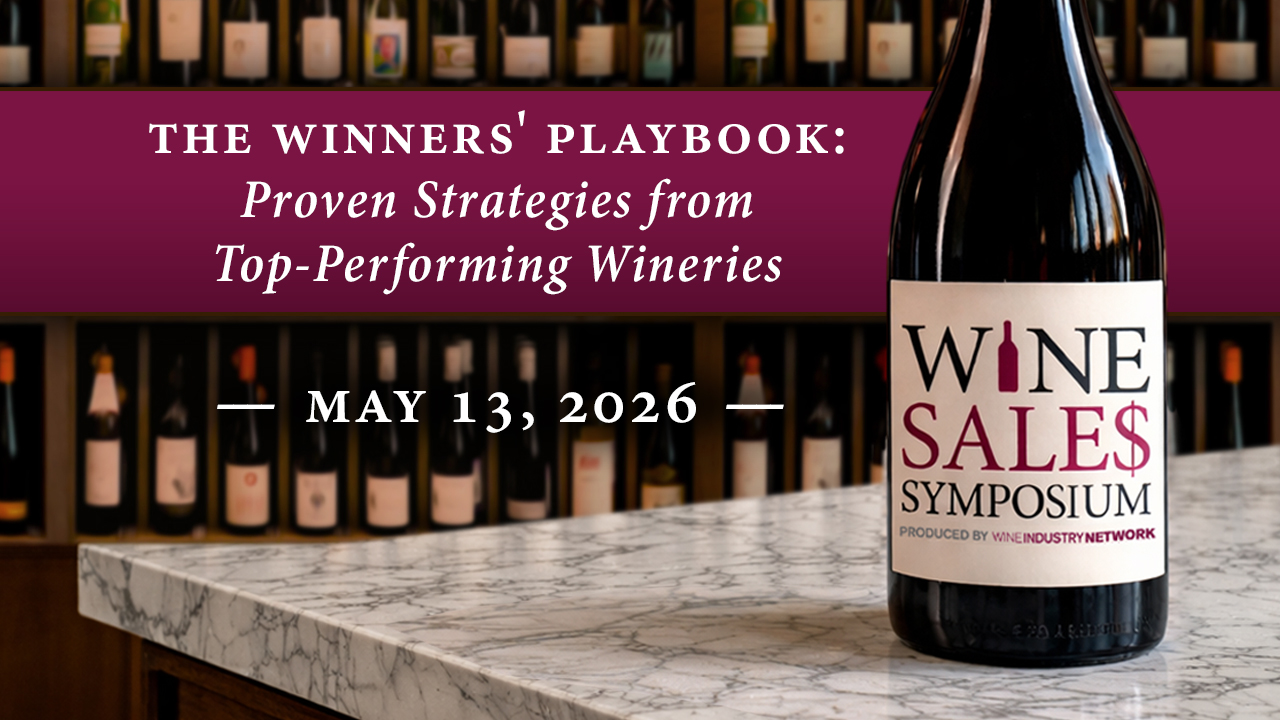
Join winery leaders and industry experts to explore the strategies shaping the future of wine sales. The wine industry is entering a period of significant change. Consumer behavior is shifting, visitation patterns are evolving, and the traditional paths to market are being redefined. To succeed in this environment, wineries must rethink how they attract customers, build lasting relationships, and grow their brands. The Wine Sales Symposium, taking place on Wednesday, May 13, brings together winery leaders and industry experts for a full day focused on the strategies shaping wine sales today and in the years ahead. This year’s program explores critical topics that will cover: • Hospitality Innovation: Reimagining tasting room experiences to attract Millennials and Gen Z through values-driven programming, experiential design, and strategic partnerships • Wine Club and Customer Retention: Data-driven approaches to reducing churn, building membership value,
00
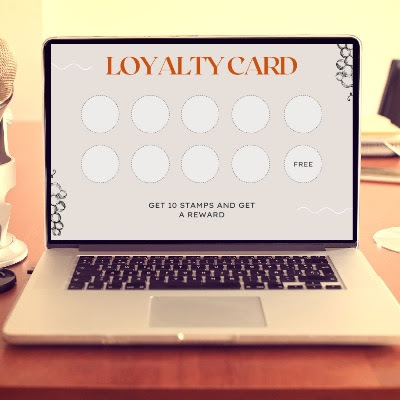
For years, discounting has been the default lever wineries pull to spark sales and reward loyal customers. But in today’s crowded marketplace, deep discounts can erode brand value and condition customers to buy only when the price drops. There’s a better way: loyalty points programs. Retention, without discounting, comes from making customers feel known, valued, and part of something special. They’ll stay not because it’s cheaper, but because it’s theirs. Instead of discounting away margin, wineries can encourage repeat visits and purchases by offering rewards that feel aspirational, personalized, and memorable. Loyalty points add up over time, giving guests a reason to come back again and again, all the while protecting your brand’s premium image. 10 Reasons Why Loyalty Points Work Shift from price to experience. Points reward frequency and engagement, not bargain hunting. The program should reinforce experience, access, and emotional loyalty, not
00
September 1, 2025

Your Customers Check Texts Faster Than Emails, So Why Are You Still Only Relying on Inboxes? The typical American checks their phone 96 times a day, that's once every 10 minutes. While your carefully crafted email campaign sits unopened among dozens of others, text messages get read within minutes. The numbers don't lie: SMS messages have a 98% open rate compared to email's paltry 20-30%. Even more telling, 90% of text messages are read within the first three minutes of delivery. For wineries competing for attention in crowded digital spaces, this isn't just a nice-to-have channel, it's the most direct line to your customer's attention. Why SMS Works Specifically for Wine Brands Wine isn't software or fashion, it's experiential, emotional, and often enjoyed in specific moments. This unique position makes SMS particularly effective for wineries in ways other industries can't match. First, wine consumers are increasingly mobile-first. When planning wee
00
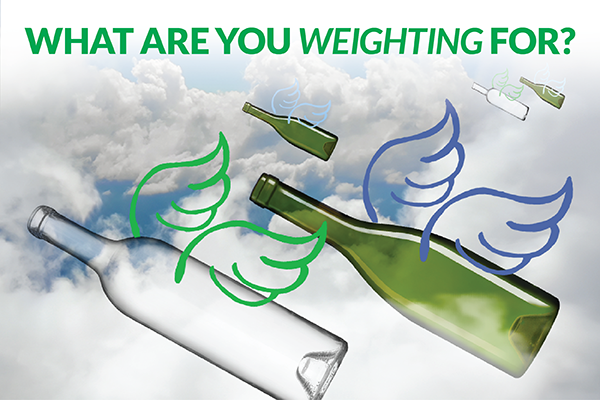
The beauty of the wine business is that wineries have the potential to draw a direct line from growing the grapes to selling the finished bottles of wine. The ability to trace wine production through every step is a valued asset in a food and beverage marketplace where transparency has become more important to consumers. Today’s marketplace has placed an imperative on attracting younger generations rather than simply relying on established consumers. The industry has expended significant time, energy and effort to understand what appeals to these consumers and how to reach them. Some core lessons learned: sustainability and authenticity matter to these consumers; moderation is trending; and theirs is an on-the-go, experiential lifestyle. With these new trends in younger consumers, wineries are adjusting everything from how they grow grapes to their messaging to share their sustainability journey. One of these transitions is in how wine is bottled, and it is driven by cost savings
00
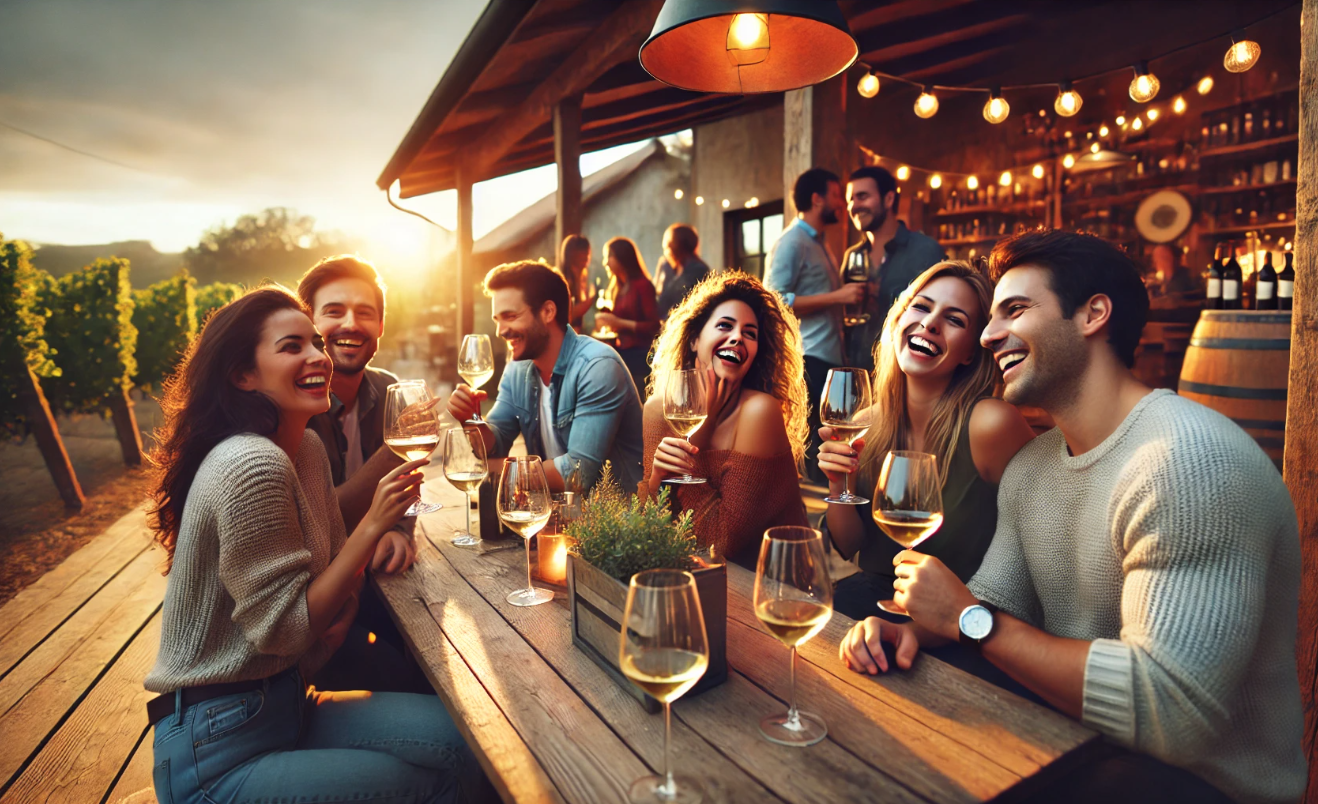
A well-told story can transform casual buyers into lifelong fans. Your winery’s brand isn’t just about the wine—it’s about the moments it becomes a part of. The way your customers experience your brand, whether visiting your tasting room, joining your wine club, or opening a bottle at home, determines whether they come back for more. Your Winery’s Story: More Than Just a Bottle of Wine What do you want people to feel when they experience your wine? Not just when they taste it—but when they visit your winery, when they join your club, when they open a bottle at home with friends. Do you want them to feel like they’re part of something special—a family tradition passed down for generations? Do you want them to feel like an insider—someone who discovered a bold, independent winery rewriting the rules? Do you want them to feel inspired—that every sip connects them to the land, the craft, and the passion behind it? Find Your
00
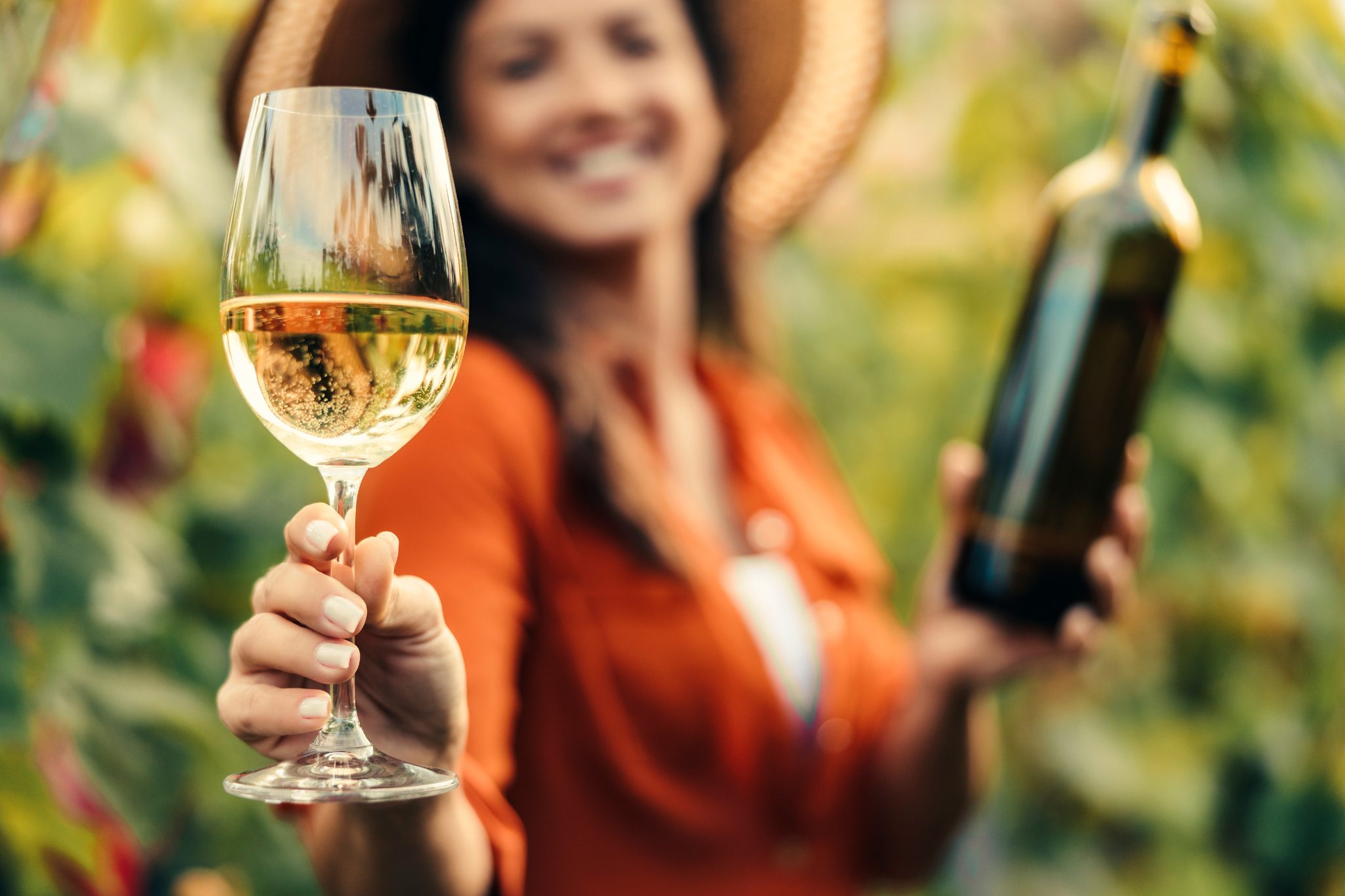
It’s the same conversation in boardrooms, discussion boards, symposiums, and industry reports: “Younger consumers just aren’t drinking wine like previous generations.” Sure, the concern is valid. But the narrative misses key nuances. The reality is that younger consumers are still just that—young. Their drinking habits, lifestyle priorities, and financial realities don’t yet match those of past generations at the same life stage. But instead of writing off Gen Z or younger Millennials, the wine industry needs to adjust its approach. The traditional playbook doesn’t account for how younger consumers live, what they value, or how they engage with brands. If wineries want to stay relevant, it’s time to rewrite the script. 1. Younger Consumers Will Age Into Wine—Just Like Boomers Did A common misstep in the industry’s current panic is comparing a 23-year-old Gen Zer to a 45-year-old Gen Xer. The latter has had decades to develop
00

WHY WISE? WISE – which stands for Wine Industry Sales Education – we believe a rising tide lifts all boats and that the wine industry deserves strong leaders, healthy teams, DTC mastery and winery success. We serve by continually raising the bar for professionalism and leadership in the wine industry. We provide opportunities for experiential learning that changes behavior. We are wine industry leaders in professional development, focused on both DTC & General Leadership. We provide Relevant Classes, Mystery Shopping, Coaching, Consulting and Leadership Programs. WISE WIN Expo Booth: 522 WISE (Wine Industry Sales Education) offers a comprehensive curriculum designed specifically for wine industry professionals. Built from a belief that direct- to-consumer (DTC) results are the key to success in the wine industry, WISE offers the first wine industry education, training and certification program dedicated to DTC sales and marketing.
00
September 9, 2024
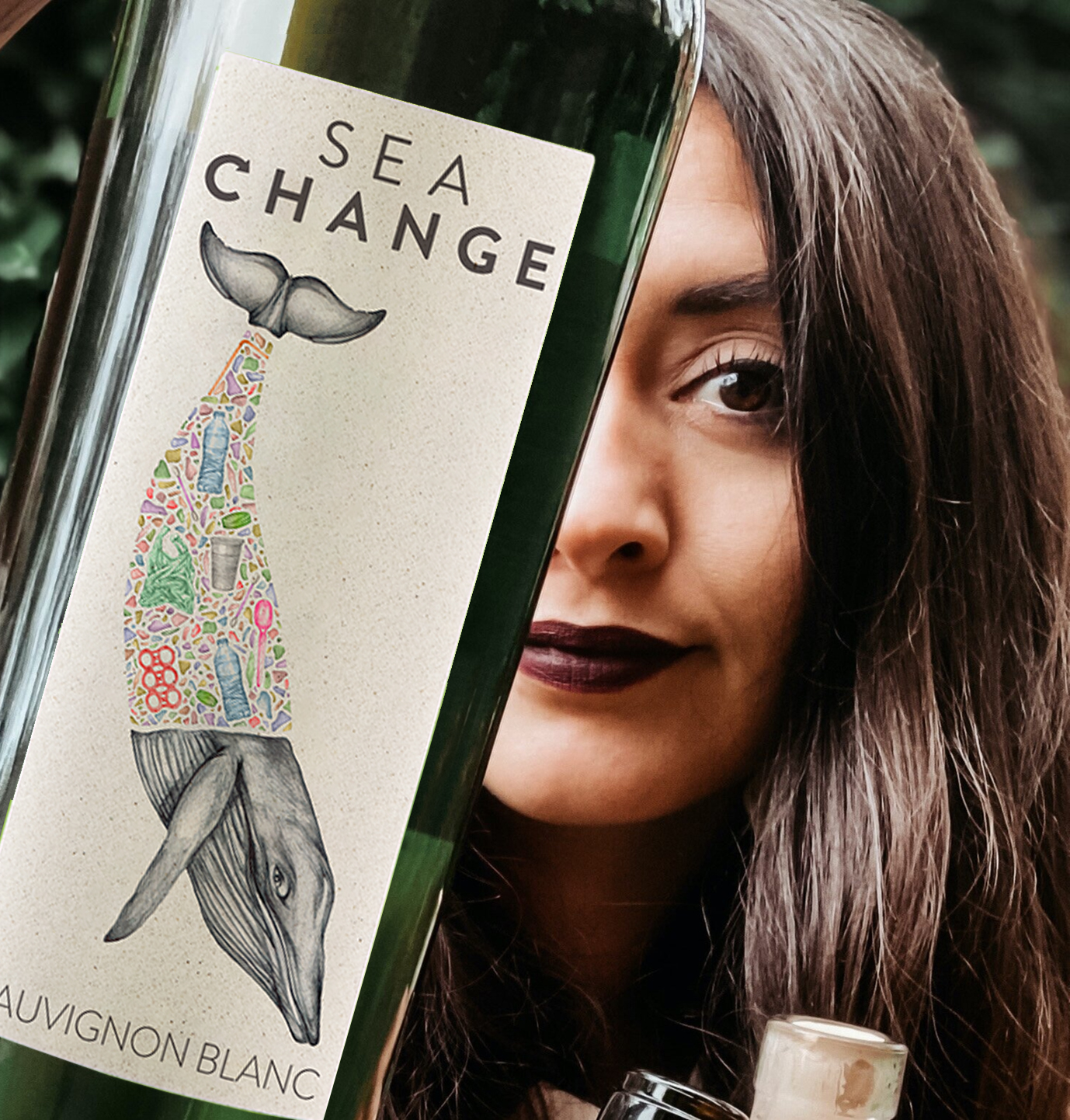
Quest for Well-being, Thirst for Experimentation, and Pursuit of Sustainability: Verallia unveils its 2025 Trends for the Wine and Spirits Market Each year, Verallia, the European leader in glass packaging, presents its Trend Book for the wine and spirits market. Created this year in collaboration with Barcelona-based agency Morillas, the Trends Book aims to inspire and highlight key sector developments and future directions. For 2025, four major trends emerge in response to more engaged consumers seeking new experiences and prioritizing well-being above all. This Trends Book will also introduce new designs ready to be developed by Verallia’s teams. Reflecting new wine and spirits consumption practices, the 2025 Trends Book is viewed through the lens of three distinct consumer profiles. The Drink Personas shaping new market horizons The Eco-activists: Concerned with environmental issues, they favour brands committed to sustainability (local production, recyclable packaging,
00

Wine clubs are essential for many wineries, providing a reliable revenue stream, helping with financial forecasting, and creating a community of brand ambassadors. Club members often account for a significant portion of wine sales, both within and outside their allotments, making clubs a critical aspect of a winery’s success. This guide provides unique ideas for enhancing your wine club, including experiential benefits, loyalty rewards, and sales strategies for growth, both online and in person. Create Unique Wine Club Offerings With so many wine clubs to choose from, let’s start with what makes your wine club unique. To truly stand out and captivate your wine club members, pushing the envelope on exclusivity and personalization is key. Here are some innovative ideas to elevate your wine club’s offerings: Enhanced Experiential Benefits Collaborative Experiences: Forge partnerships with local artisans, chefs, and businesses to create one-of-a-kind experiences. Collabo
00
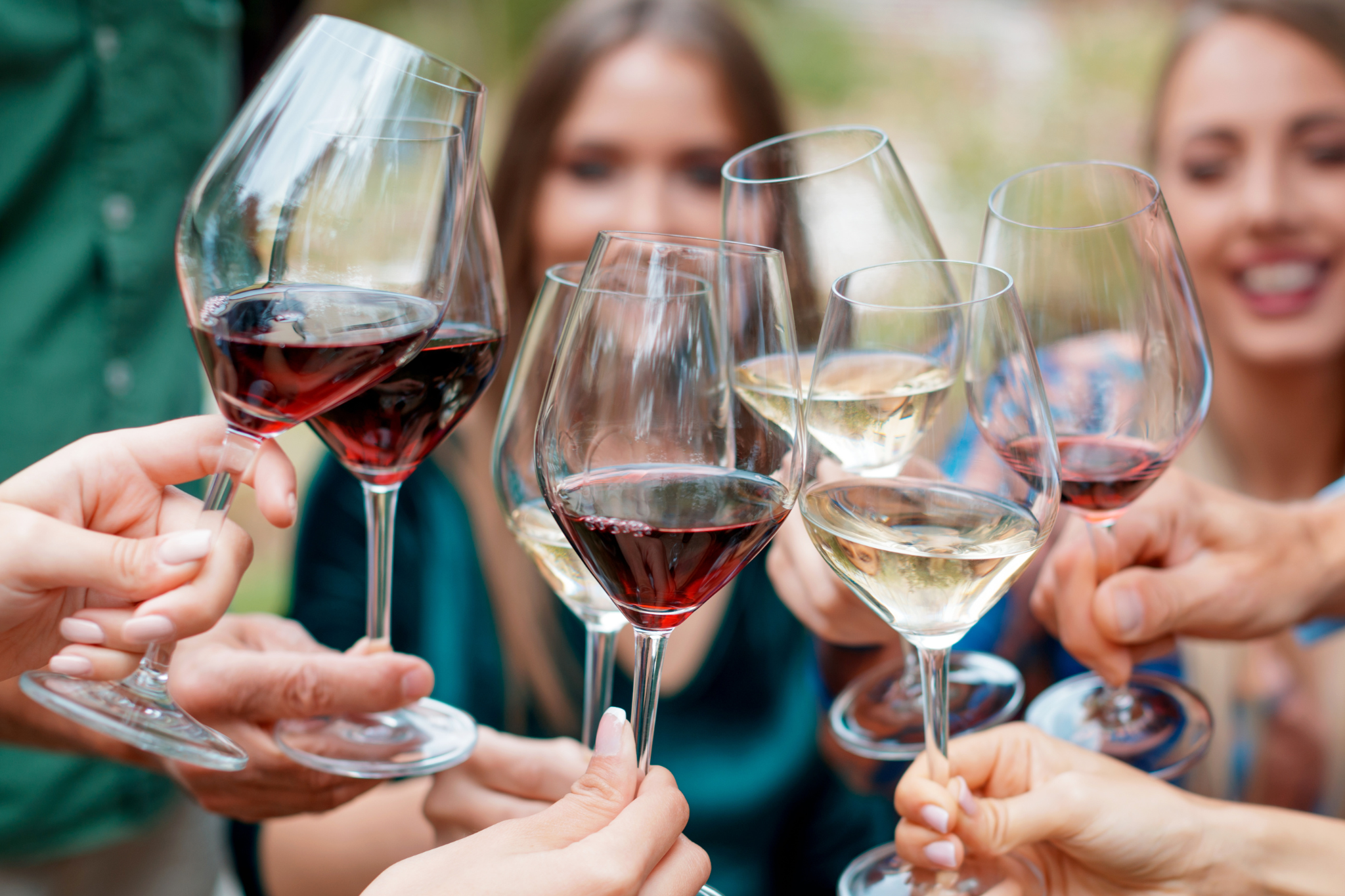
In the evolving wine industry, wine clubs are no longer just subscriptions; they've become essential tools for revenue forecasting and DTC growth. As 2024 unfolds, wine clubs take center stage, necessitating wineries to retain their core audience while strategically captivating Gen Z and Millennials. This article delves into innovative strategies to optimize wine clubs and cater to diverse demographics. Digital Dominance: Online Acquisition Tactics Leverage Social Media Advertising: Engage potential members through targeted social media ads. Platforms like Instagram and Facebook allow wineries to create visually appealing content, showcasing exclusive benefits and promotions for club members. Interactive Website Experience: Enhance your winery's online presence by creating an interactive and user-friendly website. Implement features like virtual tastings, personalized recommendations, and easy sign-up processes to attract and convert visitors into wine club members. Op
00