
Filter Post Type
NewsVideoProductEventLink
Sort:
Most Recent
1–10 of 10

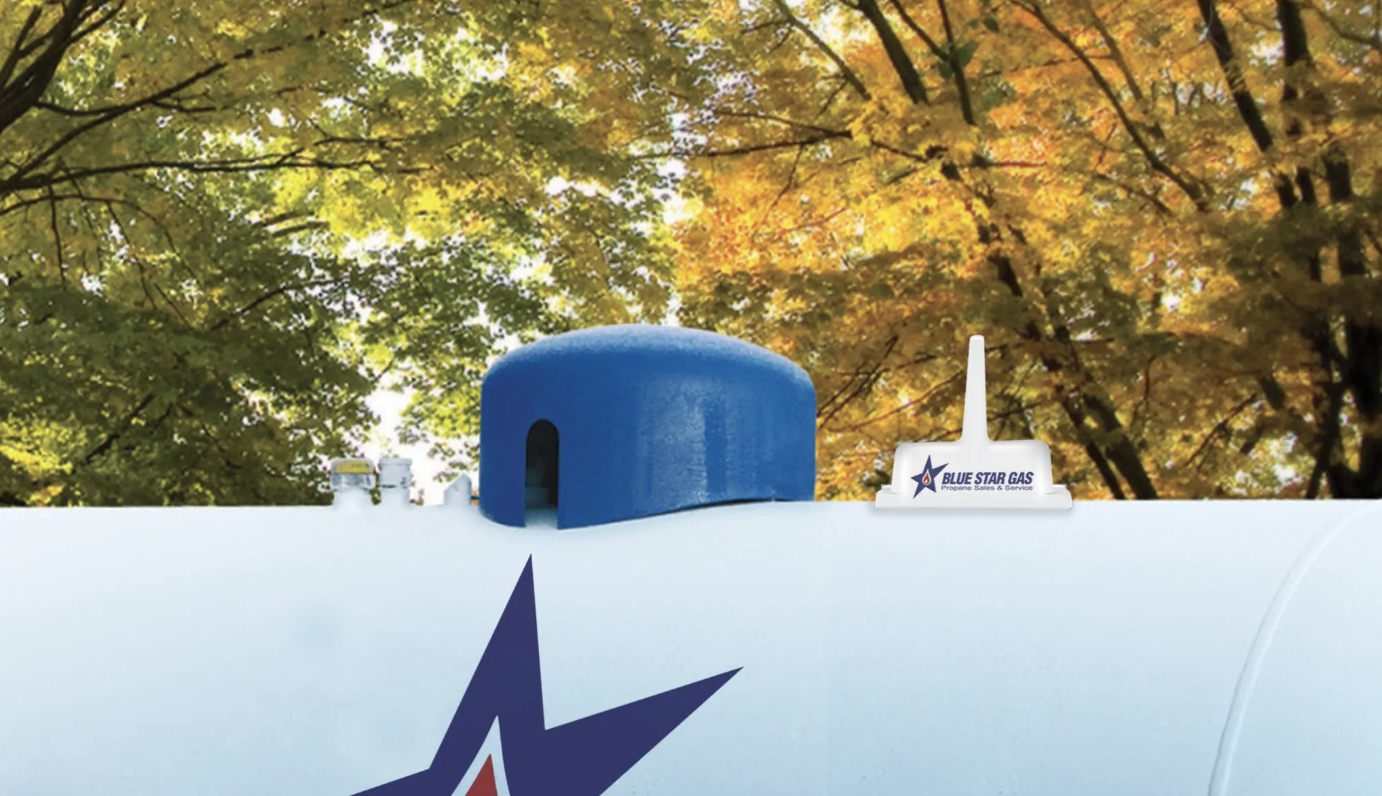
In the wine industry, operational reliability, energy efficiency, and sustainability aren't just buzzwords—they’re necessities. Whether it’s keeping fermentation tanks at precise temperatures, fueling equipment in remote vineyards, or ensuring production doesn’t stop during blackouts, propane has quietly become a critical tool for modern wineries. And no one understands this better than Blue Star Gas. Why Propane Makes Sense for Wineries Wineries have unique energy needs. Many are located off the beaten path, where access to natural gas is limited or unreliable. Others face seasonal demands, requiring scalable energy solutions that can adapt as production ramps up. Propane checks all the boxes: Reliable Energy – Propane systems offer consistent power without dependence on aging electrical infrastructure. Lower Operating Costs – Propane appliances are energy-efficient, reducing fuel usage and utility bills over time. Environmental Benefits &ndash
00

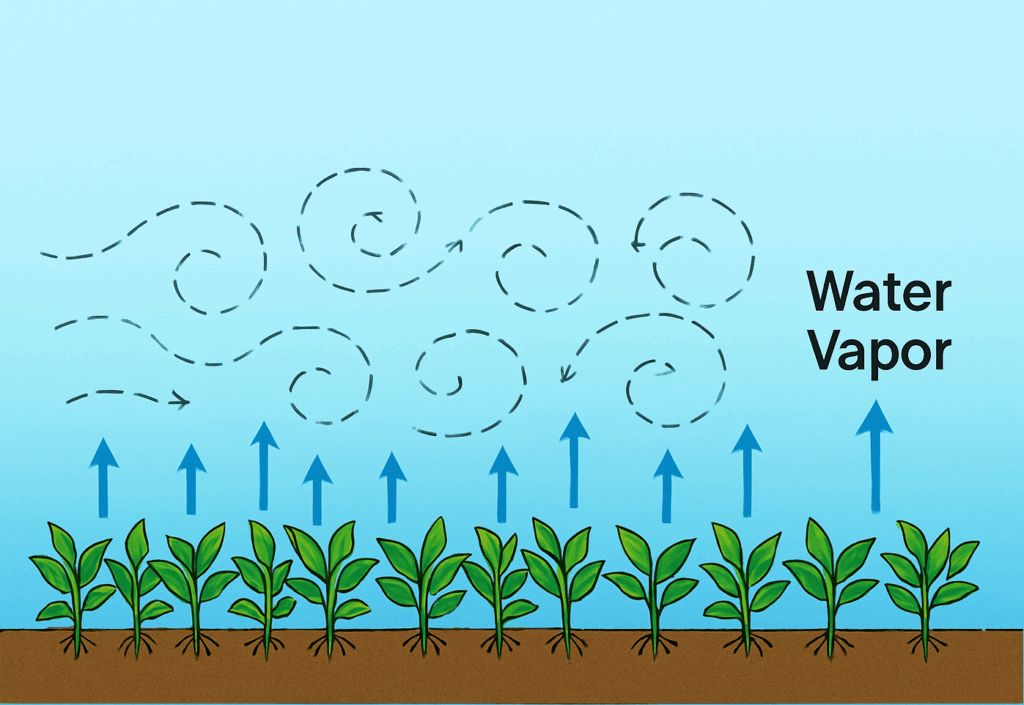
Who (or what) is this eddy you keep talking about? Efficient water management has never been more critical for agriculture and specifically for viticulture. High-end viticulture needs to manage water to not only cut costs, but to keep quality high in a market of oversupply and buyers who hold the upper hand over the grower. High production viticulture may not need the water management finesse for quality that high-end viticulture does, but regulatory demands for groundwater protection as well as limitations on water deliveries push growers into making the most out of every gallon. Here at AV, we’ve made use of impactful technologies to help growers irrigate efficiently and control vine stress to improve wine quality from their vineyards. Our primary tools have been the soil moisture probe and, more recently, the Florapulse microtensiometer. Both tools have been indispensable and even more so now that we have our own data portal to view and analyze these data streams. More recen
00

April 1, 2025

As sustainability becomes a priority in the wine industry, energy-efficient cooling and heating systems are essential for reducing costs and minimizing environmental impact. Properly designed glycol systems can deliver substantial energy savings while maintaining the precise temperature control required for winemaking. At DW Mechanical, we specialize in high-performance glycol systems engineered for efficiency, reliability, and longevity. Our solutions help wineries lower operational costs, reduce energy consumption, and ensure consistent temperature regulation throughout production—all without compromising performance. Plus, our systems are designed for easy maintenance, so you can focus on crafting exceptional wines while we handle your heating and cooling needs. Upgrade to a more sustainable, cost-effective solution today. Contact DW Mechanical
00
The Case for Propane: Efficient Heating Solutions for Wineries For wineries operating in colder climates, maintaining consistent indoor temperatures is not just a matter of comfort—it is essential to ensuring the integrity and quality of the wine. As wineries seek sustainable and cost-effective heating solutions, propane emerges as a compelling choice, offering efficiency, reliability, and environmental benefits. Ensuring Consistent Temperature Control Temperature stability is one of the most critical factors in winemaking. Fermentation requires precise temperature regulation to achieve desired flavor profiles and prevent spoilage. Similarly, storage areas must remain within optimal temperature ranges to preserve wine quality. Propane heaters offer an immediate and controllable heat source, ensuring that winery environments remain stable regardless of external weather conditions. Unlike electric heating, which can be susceptible to grid reliability issues, propane provides
00

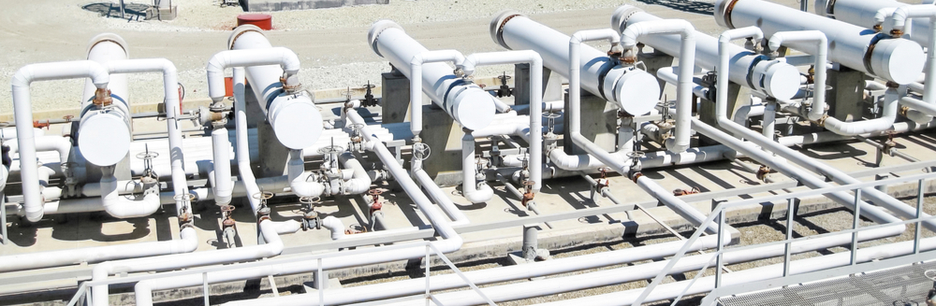
What are water-cooled condensers? How do they relate to water chillers? Well, they’re key to keeping industrial systems cool and running smoothly. Find out what makes these condensers so effective and why they’re a go-to for businesses that need reliable cooling. What Are Water-Cooled Condensers? A water-cooled condenser is a chiller component that removes heat generated by industrial or commercial processes. It plays a crucial role in maintaining optimal temperatures and ensuring the smooth operation of various systems. How Does a Water-Cooled Condenser Work? A water-cooled condenser works by removing heat from refrigerant vapor and transferring it to water. Here’s a breakdown of the process: 1. Refrigerant Vapor: The refrigerant, heated during the cooling process, enters the condenser as a hot, high-pressure gas. 2. Heat Exchange: Inside the condenser, the refrigerant vapor passes over coils or tubes filled with water. The water absorbs the heat from
00
February 26, 2024
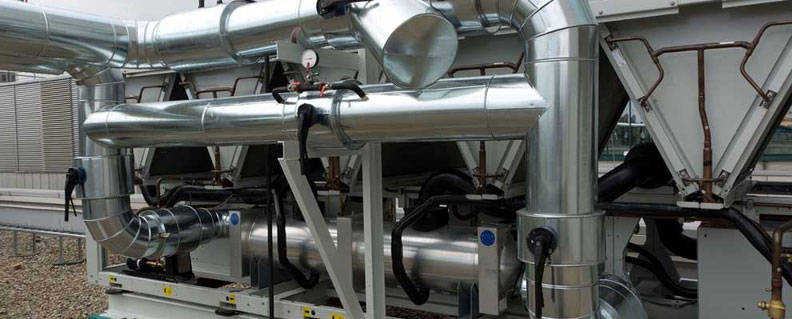
As a leading water chiller manufacturer, we understand the critical role that HVAC units play in various industrial settings. These systems are essential for maintaining optimal temperatures, ensuring the efficiency of operations, and protecting valuable equipment. However, one aspect that is often overlooked is the importance of applying protective coating to HVAC systems. Below, we’ll explore why protective coating is essential for ensuring the longevity and performance of process cooling equipment in industrial environments. What are Protective Coatings? Protective coatings are specialized coatings applied to various components of heating, ventilation, and air conditioning systems to provide enhanced durability, corrosion resistance, and performance. These coatings act as a barrier against environmental elements, chemicals, and pollutants, protecting critical components. Overall, protective coatings play a huge role in maintaining the integrity and functionality of process co
00

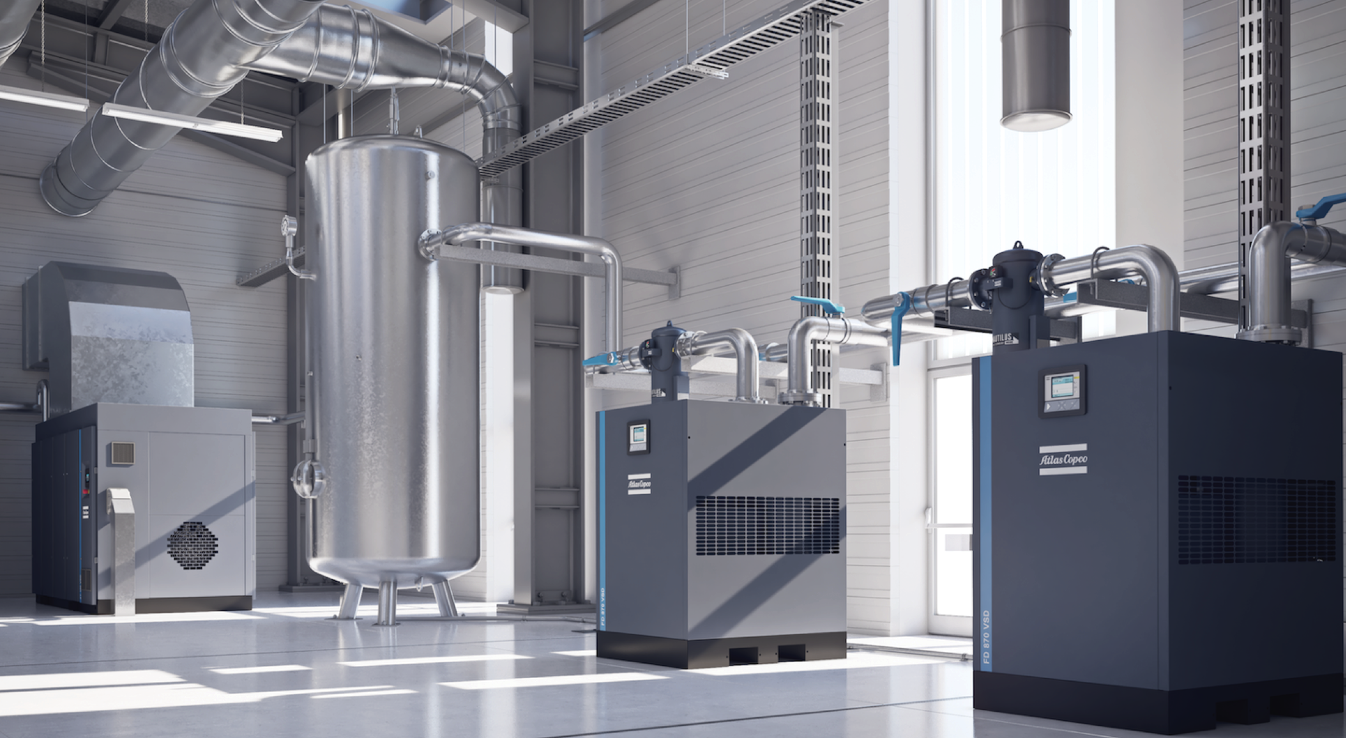
A new year means a fresh start and new resolutions. But have you thought about a resolution for your compressed air system? Doing so can lead you to energy recovery and added efficiency towards your operations. If you're not sure where to start, check out our five suggestions to think about as we kick off the new year. Take a look UP Your piping system could be the key to significant savings. With an air leak estimated to cost around $2,500 per year, those pipes are a potential goldmine for savings. Remember that not all air leaks are audible, so ultra-sonic equipment might be needed to inspect those pipes thoroughly. If you’ve never had an AIRScan, make 2024 the year to put that right. www.atlascopco.com/tagit Energy Recovery Did you know that an air compressor could also be the key to reducing fossil fuel usage? By reusing the heat of compression, you can get a head-start on the need for warm water and, as one example, save thousands on your heating bill. In many instances
00
September 18, 2023
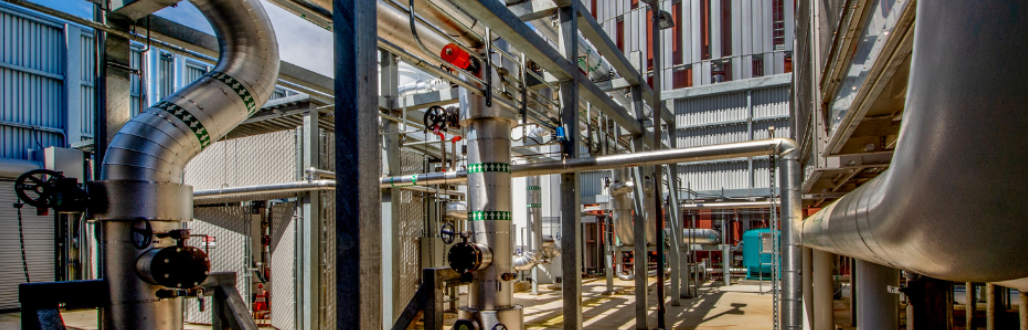
In the world of HVAC (Heating, Ventilation, and Air Conditioning), water chillers and air handling units play a significant role in maintaining a comfortable, healthy indoor environment. These systems are often used in large commercial buildings, hospitals, and industrial settings. Let’s delve into understanding these two types of equipment. Understanding Water Chillers and Air Handling Units What is a Water Chiller? A water chiller is a mechanical device that facilitates the heat exchange from water to a refrigerant in a closed-loop system. The refrigerant is pumped to a location where the waste heat is transferred to the atmosphere. In essence, water chillers are responsible for cooling and dehumidifying the air in commercial and industrial facilities. What is an Air Handling Unit? An air handling unit (AHU), on the other hand, is a device used to regulate and circulate air as part of an HVAC system. It takes in outside air, reconditions (filters, cools, heats, or humidif
00
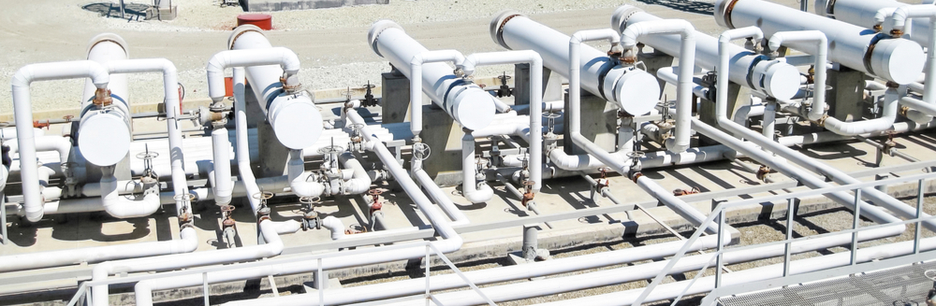
What are water-cooled condensers? How do they relate to water-cooled chillers? This guide will go over how they work and other essential information you need to know. What Are Water-Cooled Condensers? A water-cooled condenser is a chiller component that removes heat generated by an industrial or commercial process. Condensers can be considered a form of heat exchanger, as they both serve similar functions. Therefore, water-cooled condensers are essentially heat exchangers that remove heat from refrigerant vapor and transfer it to the water running through it. A heat rejection loop is involved in the process, in which condenser heat is dissipated to the surrounding environment via water. The condenser’s inner workings are responsible for the effectiveness of this process. Its water-cooled design allows the condenser to function as a specialized heat exchanger, condensing hot, high-pressure gas from the compressor into a liquid. Benefits of Water-Cooled Condensers
00
Blue Star Gas Partnered with Rinnai and Ruby's Inn (Utah) to install new, energy-efficient Water heating systems.
00