
Filter Post Type
NewsVideoProductEventLink
Sort:
Most Recent
1–10 of 83

May 4, 2026
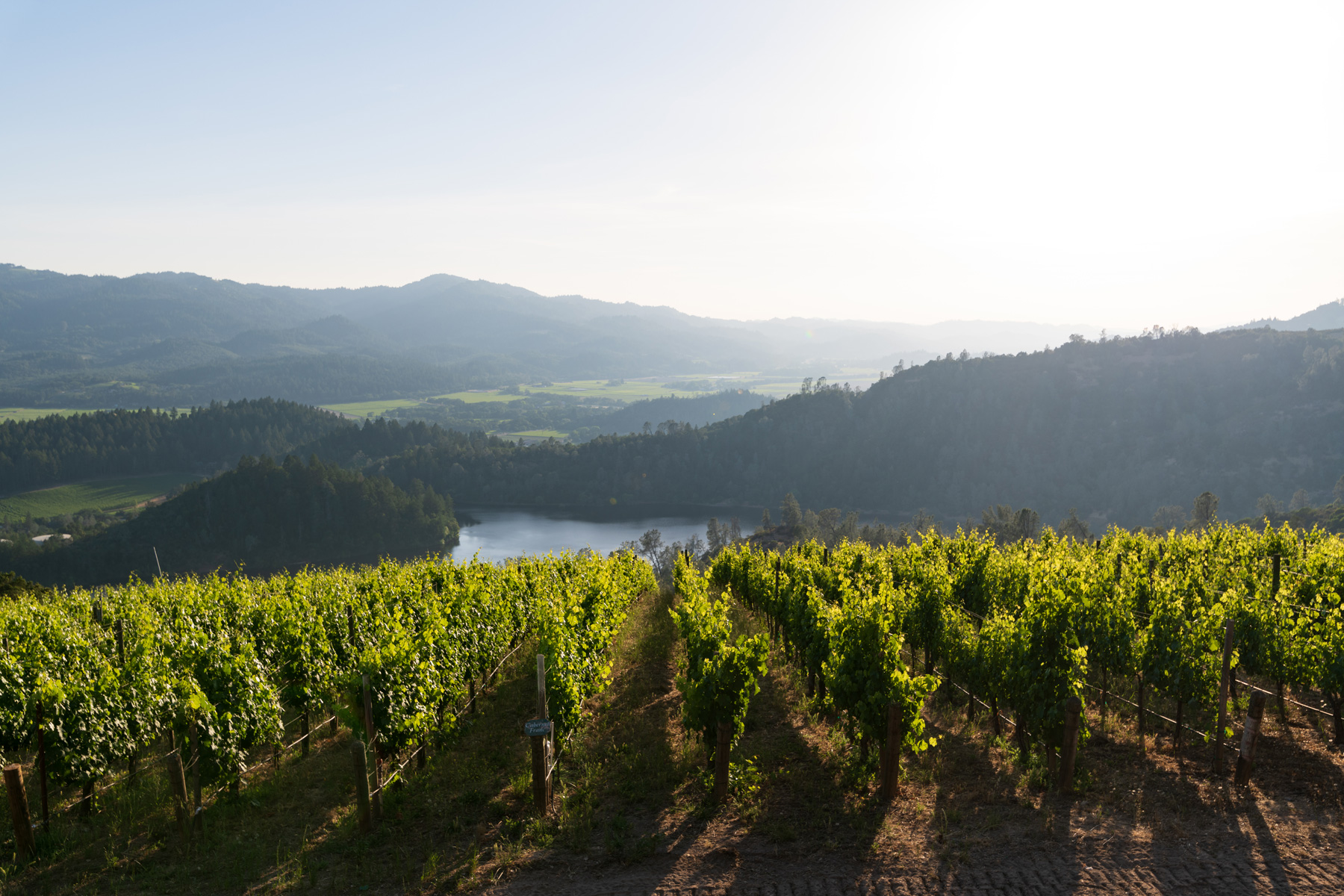
Hillside Cabernet Franc, Elevated
Now available:
Premium Cabernet Franc grapes from the Crystal Springs AVA in Napa Valley
— a rare opportunity to source fruit from one of the region’s newest and most distinctive hillside appellations.
Crystal Springs is defined by its
rugged volcanic soils, steep slopes, and elevations reaching up to 1,400 feet
, creating ideal conditions for producing fruit with
intensity, structure, and layered aromatics
.
Cabernet Franc thrives in this environment, developing
deep color, expressive aromatics, and a balance of ripe fruit and mineral character
that makes it highly desirable for both blending and premium standalone wines.
With vineyard sourcing decisions actively underway, listings like this offer wineries the chance to
secure distinctive, site-driven fruit early
and build future vintages around emerging Napa terroir.
00

April 22, 2026

Sonoma, CA – April 22, 2026 – Free Flow Wines announces the winners of the 13th Annual KEGGY Awards, honoring outstanding partners who are advancing sustainability, quality, and innovation across the wine and hospitality industries. Now aligned with Earth Month, the KEGGY Awards continue to spotlight the environmental and operational benefits of wine on tap, while celebrating the growing community of wineries, distributors, and on-premise operators leading the charge. FFW & Partners’ Cumulative Impact to Date: 45,448,130 bottles saved from landfill 80,827,751 lbs. of CO₂ emissions prevented from entering the atmosphere New in 2026, Free Flow Wines has expanded its award categories to recognize excellence across a broader set of hospitality leaders. These new honors celebrate accounts that demonstrate a strong commitment to reusable stainless steel kegs, investment in draft beverage quality, and a dedication to elevating the overall guest experience. New categories include Best Ho
00


Oh sure, there’s a ton of romance and history in the origins of winemaking. And every boutique enterprise, no matter how large or small, has a charming tale to tell about their artisan craft and how it all got started. But at the end of the day, wineries live or die by their numbers No matter how compelling the story or how good the wine, if the numbers don’t work, the business is bound to fail. To avoid that, it’s imperative for wineries to have rock-solid data on their day-to-day fiscal operations so they’re able to determine the overall health of their organization. That’s where having the right financial infrastructure in place becomes critical. Set Up for Wine Industry Protea Financial is an outsourced, operational financial partner intentionally focused on the complexities and challenges of wineries. Winery owners need accurate bookkeeping, timely reporting and proactive inventory management in order to drive profitability. With 12+ years in the business, Protea Financial
00
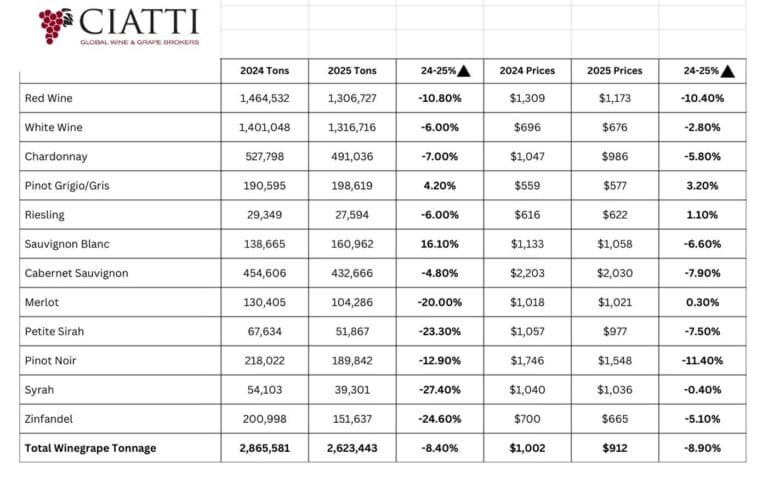
The later-than-usual release of the Grape Crush Report had everyone doing what this industry does best: guessing. And when the number finally dropped, it landed somewhere between “not great” and “not nearly low enough to matter.” At approximately 2.6 million tons, the 2025 crush came in higher than most had hoped, and, more importantly, higher than many believe the market actually needs. The Facts: What the Crush Report Tells Us Data released by the California Department of Food and Agriculture shows that the 2025 grape crush totaled approximately 2.6 million tons. That represents a decline of just over 8% from the prior year and marks the smallest crop since the late 1990s. On the surface, that’s a meaningful shift. After several years where production consistently exceeded 3 million tons, supply is clearly beginning to respond. But the details matter. Key premium varieties such as Cabernet Sauvignon, Chardonnay, and Pinot Noir all declined, while certain
00

March 16, 2026

The U.S. Department of Agriculture (USDA) is offering up to $1 billion of financial aid to American producers of certain specialty crops, including growers of wine grapes, through its new Assistance for Specialty Crop Farmers (ASCF) program. Per USDA’s recent press release, the goal of the ASCF program is to “help address market disruptions, elevated input costs, persistent inflation, and market losses from foreign competitors engaging in unfair trade practices that impede exports.” USDA’s Farm Service Agency (FSA) is responsible for administering the ASCF program and will issue one-time bridge payments to qualifying farmers. To be eligible for an ASCF payment, specialty crop producers must meet the following requirements: Be actively engaged in farming; Have risk and interest in the eligible planted commodity; and Report 2025 planted acreage to FSA by 5 p.m. ET on March 13, 2026. ASCF payments will be calculated based on reported 2025 planted acres, and commo
00
Market slow; older stocks skew availability picture In this month’s Global Market Report, all countries are united in reporting the symptoms of an industry entering the fourth year of a challenging environment: late loadings, late payments, cashflow shortages, and vineyard removals. Already gathering momentum is a belief that 2026 will be another “transitional” year before market stability finally arrives, hopefully in 2027. But many wine industry operators are running out of time for things to improve. On the supply side, strides have been made over the past two years, assisted by shorter winegrape crops across the world: thanks to a combination of Mother Nature and human hand, global production in 2024 was estimated to have been the lowest since 1961, and 2025 production registered only a slight uptick. A significant challenge is the “polluting echo” of older inventory, which gives buyers a skewed perception of abundance. Current or recent-vintage suppl
00

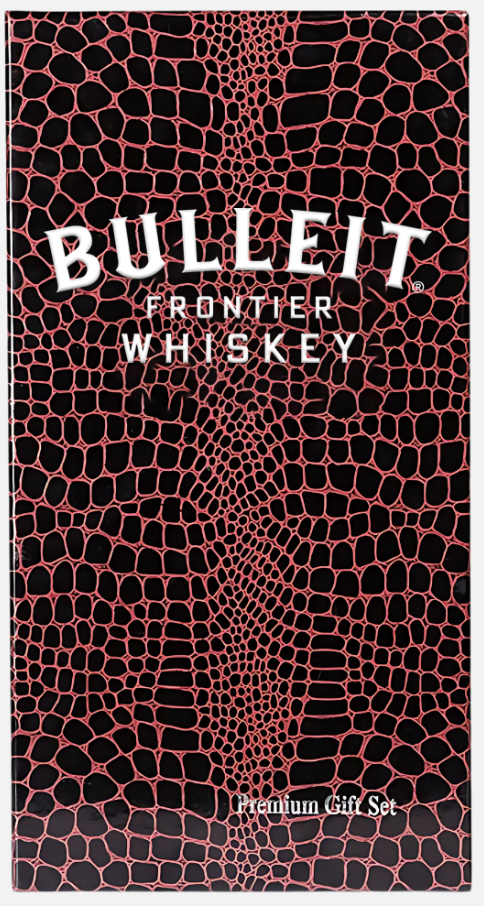
Looking for a thoughtful, elevated way to package wine for clients, club members, or special releases? Wine-N-Gear’s wholesale bespoke wine gift boxes are designed to turn a bottle of wine into a complete gifting experience. These boxes are fully customizable, making them a strong option for wineries and wine businesses looking to incorporate branded packaging without reinventing the wheel. With a range of styles, sizes, and finishes available, they work equally well for corporate gifting, wine club shipments, holiday programs, and special events. Beyond presentation, the boxes are built with durability and logistics in mind, offering a practical solution that still feels premium when it reaches the recipient. For businesses thinking ahead to upcoming releases or client outreach, this is an easy way to add perceived value without adding complexity. Explore Our Full Collection of Bespoke Wine Gift Boxes
00

January 19, 2026
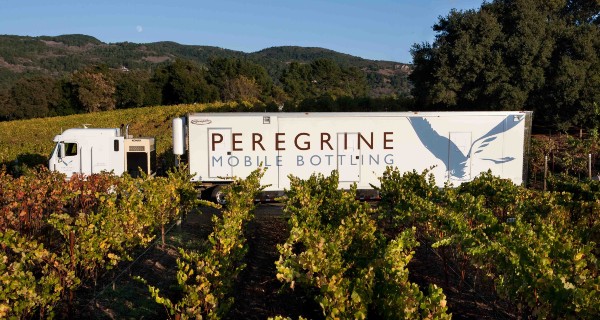
In an era when wineries face rising production costs, shifting consumer behavior, and increasing pressure to do more with less, one company has quietly reinvented itself from a mobile bottling provider into a vintner solutions partner. What began 17 years ago has evolved into something far broader—and far more essential for today’s market and industry landscape. “When Peregrine first started, the core of the business was—and still is—mobile bottling. But as the company grew, wineries began turning to us for help with challenges far beyond the bottling days,” recalls Founder and CEO Thomas Jordan. “Filtration issues, oxygen control, production bottlenecks, tenting needs, hauling, last-minute project support… Over time, we realized something important: we had already become much more than a bottling company. In practice, we were the partner wineries called when they needed a solution—not just a single service.” That realizatio
00

January 15, 2026

Demand decline improving with stabilization on the horizon Silicon Valley Bank (SVB), a division of First Citizens Bank, today released its 2026 State of the US Wine Industry Report. Widely regarded as the leading source of market trends in the premium wine sector, SVB’s 25th annual report provides an analysis of current market conditions, success strategies, and forecasts for the year ahead. The 2026 report estimates the following industry sales totals for 2025: Total volume of ~329 million cases (down from 335.9 million in 2024) Total value of ~$74.3 billion (down from $75.5 billion in 2024). The wine industry is moving through a multi-year demand correction, largely driven by value wines at the under $12 price point. Industry sales in 2025 declined 2.0% (by cases) and 1.6% (by dollars), yet both represent improvements compared to 2024. The industry ended the year with both profit margin compression and higher levels of inventory. The premium industry will likely experience its
00


For years, discounting has been the default lever wineries pull to spark sales and reward loyal customers. But in today’s crowded marketplace, deep discounts can erode brand value and condition customers to buy only when the price drops. There’s a better way: loyalty points programs. Retention, without discounting, comes from making customers feel known, valued, and part of something special. They’ll stay not because it’s cheaper, but because it’s theirs. Instead of discounting away margin, wineries can encourage repeat visits and purchases by offering rewards that feel aspirational, personalized, and memorable. Loyalty points add up over time, giving guests a reason to come back again and again, all the while protecting your brand’s premium image. 10 Reasons Why Loyalty Points Work Shift from price to experience. Points reward frequency and engagement, not bargain hunting. The program should reinforce experience, access, and emotional loyalty, not
00