
Filter Post Type
Sort:
Most Recent
Tagged:ETS Laboratories
1–9 of 9
Yeast Count and Viability
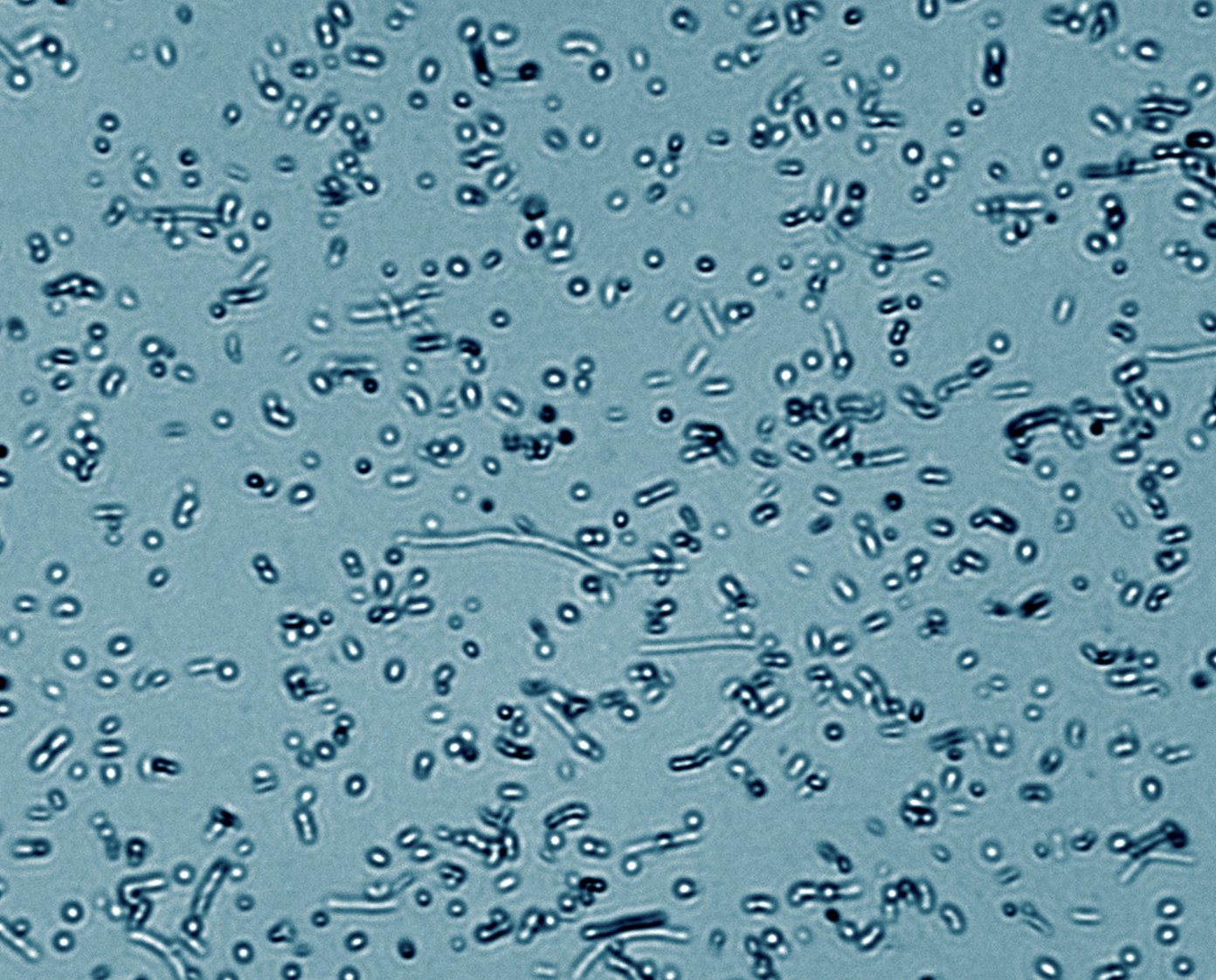
ETS’ automated method reports yeast viability and total cell count within hours, using 100 times the volume examined in standard microscopic methods, vastly increasing the accuracy of your results. How It Works Our automated analysis uses the widely accepted dye exclusion method to determine cellular viability. Live yeast cells have selective cell membranes that exclude dye compounds. When yeast cells die, their cell membranes become permeable, allowing the dye to seep in.  The dead, or non-viable, cells become stained and appear darker than the viable cells. Improved Speed & Consistency Traditional methods using a microscope suffer from human error in preparation and the subjectivity of visual measurements using the human eye. ETS uses an automated method that couples standard staining methods with advanced optics and flow cytometry to report yeast viability more accurately and precisely. This real-time microscopic flow image analysis also examines 100 times the volum
00
Phenolic Panel for Grapes
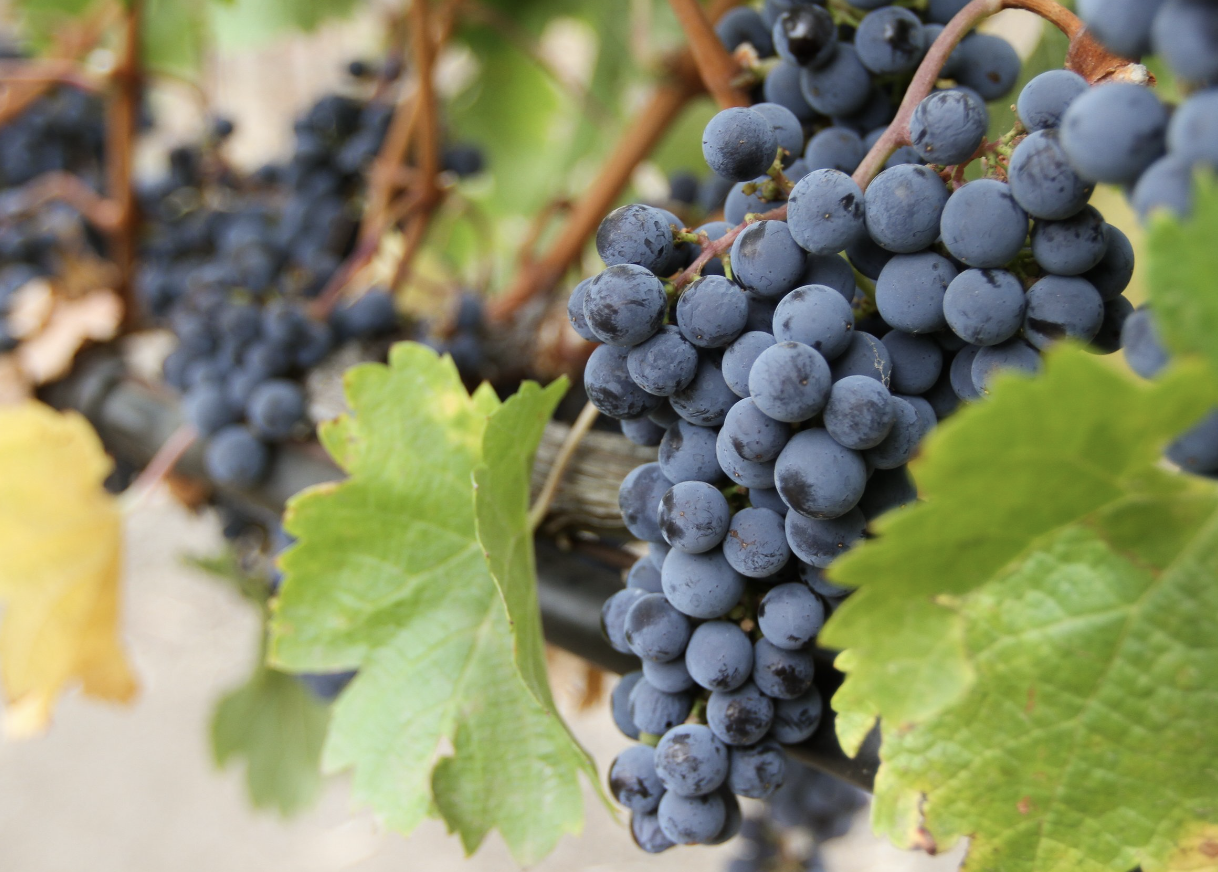
A measurement of phenolic content of grapes describes grape potential. It characterizes grape maturation, block to block variation, and variation between vintages. It is an important part of describing raw material coming into a winery and is often the first indication that a wine lot may have poor color, high or low tannin or unripe seeds. Grape Water Content Clients have best results sampling directly from the vineyard rather than from picking bins. Sampling mechanically harvested fruit from gondolas or sampling direct from a fermenter does not give reliable results.  The panel consists of a wine-like extract of the grapes followed by HPLC analysis. The panel is designed for red grapes and the extraction process is intended to mimic red wine fermentation.  Reported compounds include total, monomeric and polymeric anthocyanins, tannin, catechin and quercetin glycosides. Two ratios are also reported: the catechin/tannin ratio and polymeric anthocyanins/tannin ratio.  Gr
10
Monitoring Green Bell Pepper Characteristics in Grapes
Green Bell Pepper Characteristics (IBMP) IBMP (3-Isobutyl-2-methoxypyrazine) is the main compound responsible for the “green bell pepper” aroma in wine.  In a white wine such as Sauvignon Blanc, the compound adds an often desired “grassy” character. In red wines however, this flavor is largely unpopular. Excessive IBMP levels in red wines, typically Cabernets or Cabernet-based blends, can lead to disappointing ratings and mixed success in the marketplace.  The “green bell pepper” flavor in wine depends primarily on IBMP levels in harvested grapes. Once grapes have been picked, IBMP levels are not easily altered by standard winemaking processes. Testing and Application The intensity of “green bell pepper/grassy” characters in wines can be predicted by measuring IBMP in grapes right before harvest. Grape screening of IBMP helps identify “problem” vineyards or blocks.  Since IBMP decreases during grape maturation,
00
Understanding Ellagitannins
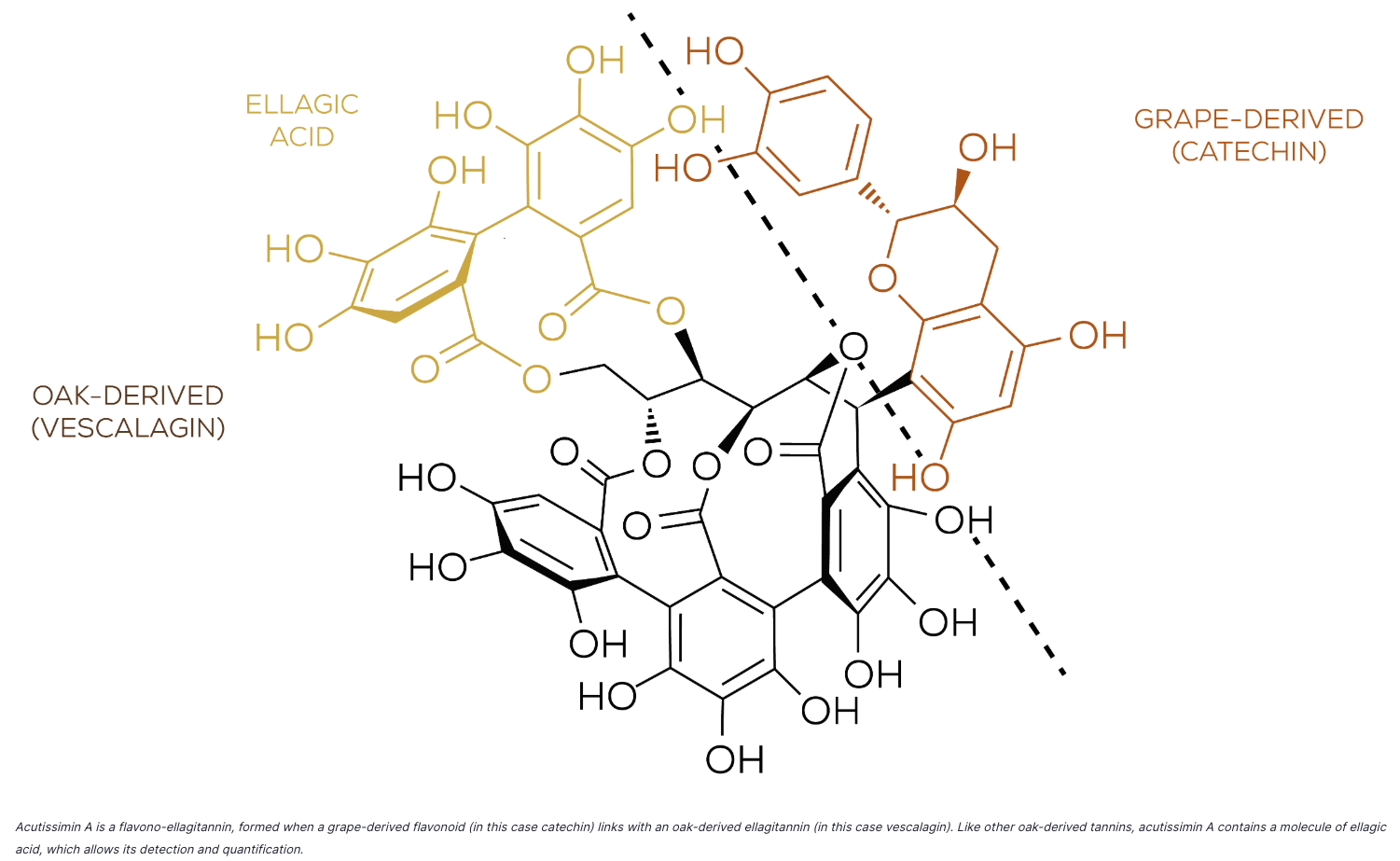
It is widely accepted that oak tannins can have a very significant influence on the tannic structure of wines. Besides their influence on mouthfeel, oak tannins are also antioxidants, and are viewed with renewed interest for their protective effect against wine oxidation. This hasn’t always been the case.  Measuring tannins contributed by oak barrels (or barrel alternatives) is a challenging task. Analysis methods have consistently failed to adequately measure these compounds in wines, preventing both researchers and winemakers from fully understanding and assessing their impact. Why Do Oak Tannins Seem to Disappear in Wine? Oak tannins are ellagitannins, relatively complex molecules containing ellagic acid as a main building block. Ellagitannins belong to a class of tannins known as hydrolysable, due to the fact that they easily degrade in acidic aqueous solutions, like wine. Degradation by oxidation is also a cause of their decline in wine. For a long time, it could be ar
00
Today's wine business news for wine industry professionals...

Grim Reports Have the Wine Industry in Knots. But Should We Just Calm Down?: Lately, conversations within the wine industry have been punctuated with doom and gloom. Sales are erratic, the climate is unpredictable, overproduction is rampant and drinkers are hesitant to spend...

00
Today's wine business news for wine industry professionals...

In-Person 5th Annual Wine & Weed Symposium Is Success: Wine Industry Network (WIN) hosted the 5th Annual Wine & Weed Symposium on August 5th at the Hyatt Regency Sonoma Wine Country in Santa Rosa, CA...

00