
Filter Post Type
NewsVideoProductEventLink
Sort:
Most Recent
1–10 of 31

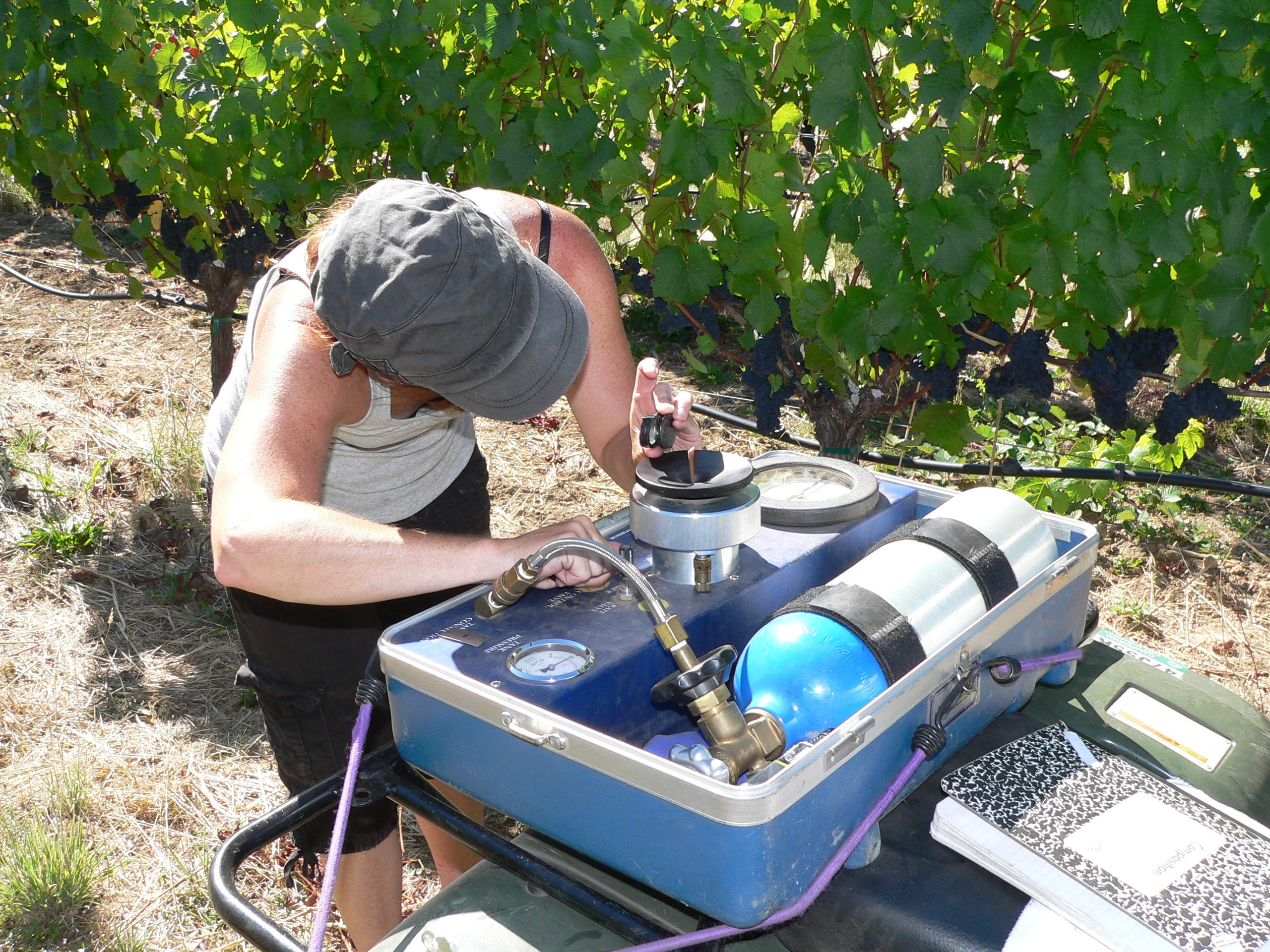
Two years ago, I wrote an article on AI in the vineyard for WBM. Feel free to read that article here…if you want. Otherwise, my basic argument was that although AI will eventually play a role in how we farm grapes, it’s a long way off compared to other industries and even other crops. We who grow grapes are the last ones to see such innovation. And since then, AI has grown exponentially. If two years ago you were playing around with Chat GPT to create bizarrely distorted images and learn about tax loopholes, you can now go onto the likes of Claude and have it just create a website for you from a single prompt. Chatbots like this have essentially eliminated the need for entry-level coders. However Claude is a computer, so it makes sense that it’s gotten very good at writing code for other computers. Similarly Chat GPT has digested the entire internet, and curates any answer for you by plucking it from its vast network of information. Sometimes its correct, and other t
00

February 10, 2026

February 10, 2026 (Napa / Sonoma, CA) — On Wednesday, March 4, 2026, from 3:00 – 5:30 p.m., the Winemaking & Viticulture Roundtable of the Napa-Sonoma chapter of Women for WineSense (WWS) will host a timely proprietary technical presentation, “Vintage 2025 ETS Insights and New Tech Updates for Red Blotch and Smoke Taint.“ The event opens with a networking wine mingle at Crocker & Starr followed by a behind-the-scenes production tour and an engaging technical viticulture and winemaking research presentation and discussion with guest experts from ETS Labs research scientists Dr. Rich DeScenzo and Dr. Eric Hervé. This presentation will focus on actionable information to help winemaking and viticulture attendees get a strategic first look at vintage 2025 overall, plus the latest technological updates related to Red Blotch disease and smoke taint. Attendees will hear this first synthesis of proprietary 2025 data and the additional research,
00

January 23, 2026
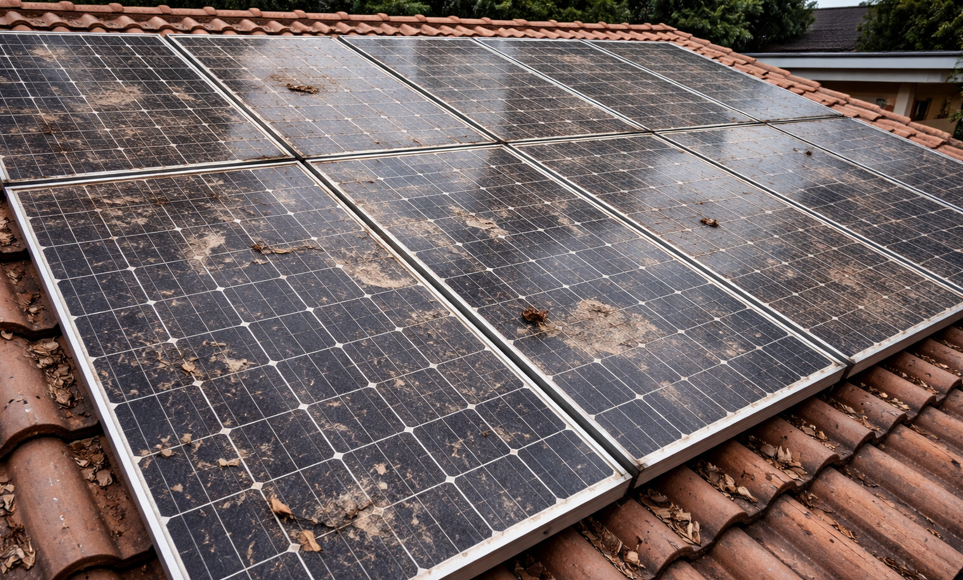
Key Takeaways Regular solar panel cleaning helps maintain energy output by removing dirt, salt residue, and debris that block sunlight and reduce efficiency. Most homeowners should clean solar panels once or twice per year, with coastal and high-dust areas often needing more frequent service. Professional solar panel cleaning protects your investment by safely removing buildup without damaging surfaces, wiring, or warranties. Solar panels are designed to be low maintenance, but that does not mean they are maintenance-free. Over time, dirt, dust, pollen, bird droppings, and coastal salt can reduce how much sunlight reaches your panels. When that happens, your system produces less energy, and your savings take a hit. Here on California’s Central Coast, solar panel cleaning plays a bigger role than many homeowners realize. This guide explains how often solar panels should really be cleaned, what affects cleaning frequency, and how proper maintenance protects your investment. Our par
00


Membrane filter cartridges are an essential tool for wine clarity and microbiological stability, but they do not have to be a disposable expense. With the right regeneration practices, wineries can restore flow, maintain sterility, and significantly extend cartridge life, which reduces both cost and waste. Instead of replacing filters as soon as they show pressure spikes or reduced throughput, regeneration allows winemakers to return a used cartridge to near-new performance. The result is better filtration economics and more predictable bottling runs. The Case for Regeneration ✔ Restores flow and keeps pressures low ✔ Preserves pore integrity for sterile filtration ✔ Minimizes premature replacement ✔ Reduces landfill waste and supplier spend ✔ Protects wine quality through consistent performance Most clogged filters are not worn out. They are simply loaded with colloids, yeast, and fine solids. Regeneration removes that load and resets the membrane. Typical Regenera
00
October 22, 2025
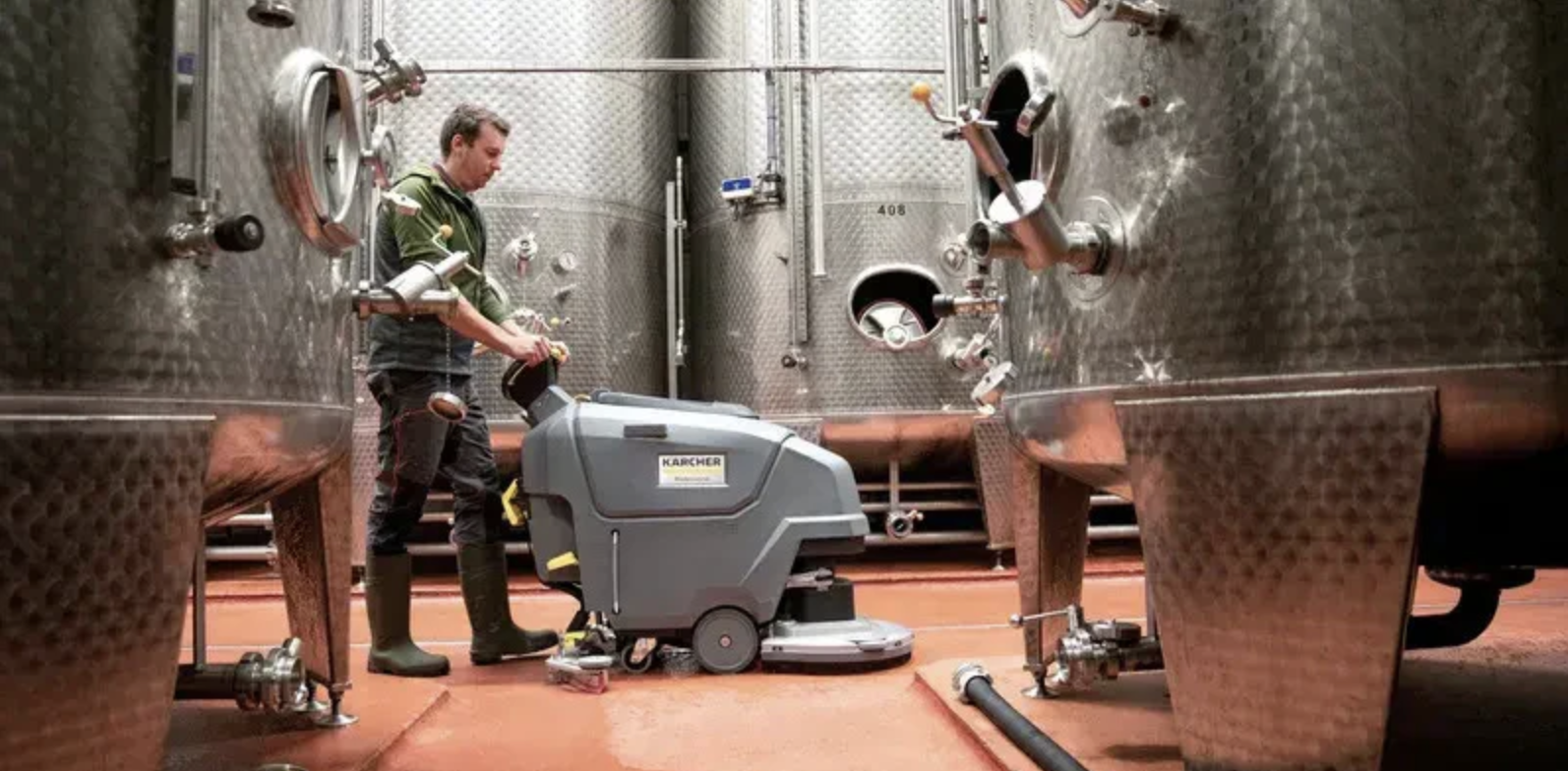
Using a floor scrubber in a wine cellar is important for maintaining hygiene, preventing contamination, and protecting your investment. Traditional cleaning methods like mopping can spread microorganisms that thrive in the cellar's humid environment, potentially spoiling the wine. Superior Hygiene and Contamination Prevention Remove mold and bacteria: Wine cellars are dark and humid environments, which are perfect breeding grounds for mold and bacteria. A floor scrubber thoroughly cleans and disinfects surfaces, removing the organic residues (like spilled wine or grape solids) that microorganisms feed on. Prevent off-flavors: Contamination from floor microbes can be aerosolized during cleaning or dragged into contact with equipment and barrels. This can introduce unwanted flavors into the wine, compromising its quality and taste. Clean porous surfaces: While seamless polymer floors are ideal, many cellars have concrete floors, which are porous and can harbor contamina
00


Our expert technicians share essential tips to help you beat the heat and prevent common compressor issues during the hottest months of the year: 1. Keep Coolers Clean: Dust, debris, or buildup in the cooler quickly leads to overheating. Make sure coolers are thoroughly cleaned and clear of obstructions before the heat sets in. 2. Inspect Drains: Hotter weather = higher humidity, and that means more condensate. Check that your drains are fully functional and ready to handle the increased moisture to prevent backups or overflow. 3. Check Air and Oil Filters: Clean filters ensure steady airflow and reduce unnecessary energy use. Replacing dirty filters helps maintain consistent pressure for your grape pressing, bottling, and labeling processes. 4. Check Compressor Oil: High outdoor temperatures reduce the lifespan of your oil. Stick to recommended service intervals and use genuine compressor oil and filters to protect your equipment and ma
00

From the bottoms of pleasure boats to the undercarriages of trucks, tractors, trailers, cars and more, dirty bottoms are no laughing matter. Dirty bottoms are notorious for transporting social undesirables. These hitchhikers can include invasive species such as golden mussels and creepy crawlies, contagious bacteria and viruses (think e-coli and bird flu’), as well as soil and manure build up, and even corrosive road salt and brine. There’s a surprisingly simple solution to clean your bottom… Sneaky Hitchhikers: Bacteria and viruses can catch a ride on vehicles including boats. Just to name a few… E-coli can survive for months on surfaces. Some strains are able to produce toxins that can damage the digestive tract and lead to severe complications. Bird flu(avian influenza) has been found on both dairy and poultry farms and the virus can survive on surfaces for extended periods. It can travel via vehicles between farms. Salmonella can spread via vehicles, par
00
August 7, 2024

Summer is upon us, and whether you’re a brewer trying to keep up with the summer rush, a winemaker preparing for harvest, or in any other application where a chiller is used, keeping your chiller running at peak performance is critical. Activate remote monitoring today and you’ll be able to monitor your chillers’ performance anytime, anywhere. The system sends text and email alerts for any abnormal conditions – offering peace of mind that your equipment is operating smoothly. Learn more about remote monitoring here! Here are 5 helpful tasks you can do yourself to keep your chiller running smoothly. Summer temperatures cause high head pressure, which reduces your chiller’s capacity. To get the best efficiency and capacity from your chiller, it is essential to keep its condenser coils clean and ensure unrestricted air circulation.Cleaning the condenser is easy. First, shut down the chiller and turn off the power. Then, with a water hose, gent
00

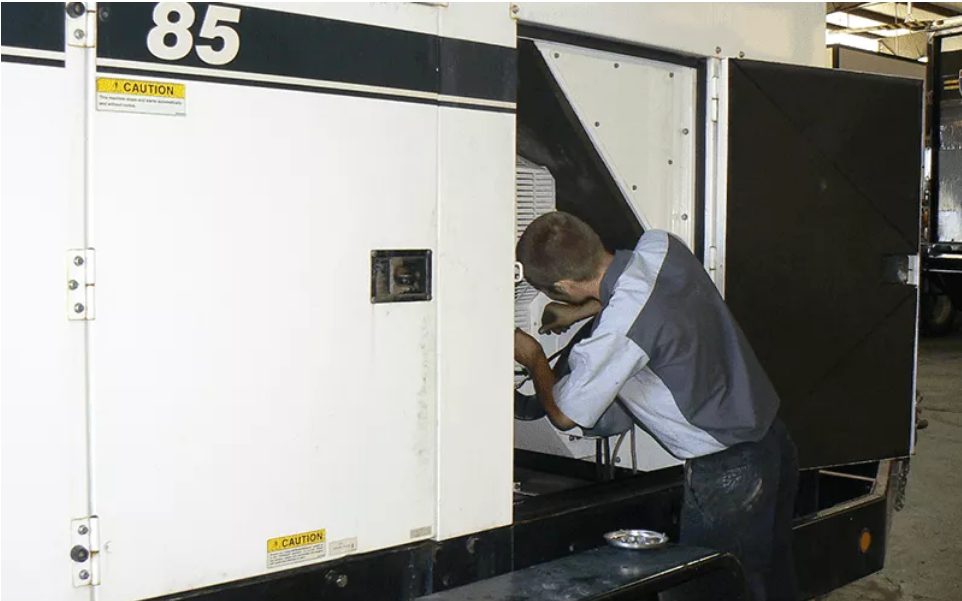
In an era where uninterrupted power supply is critical for both residential and commercial applications, generators have become indispensable. They provide a reliable backup power source during outages, ensuring that essential services and activities continue without disruption. However, like all machinery, generators are prone to wear and tear and require regular maintenance and repair to function optimally. Common Generator Issues Generators can encounter a variety of issues, some of which are relatively easy to fix, while others may require professional intervention. Below are some common problems and troubleshooting steps. 1. Generator Fails to Start One of the most common issues is a generator that refuses to start. This can be caused by several factors: Dead Battery: Ensure the battery is charged and connections are secure. Low Fuel: Check the fuel level and refill if necessary. Clogged Fuel Filter: Inspect the fuel filter and replace it if clogged. Faulty Spark Plug:
00

July 11, 2023

Compost Is Not a Dirty Word: Domaine Bousquet Focuses on Composting in Quest for Carbon Neutral Status
July 11, 2023, Tupungato, Argentina --Intent on becoming carbon neutral by the end of 2023, Argentinas Domaine Bousquet has become as preoccupied
00