
Filter Post Type
NewsVideoProductEventLink
Sort:
Most Recent
1–9 of 9
September 3, 2025
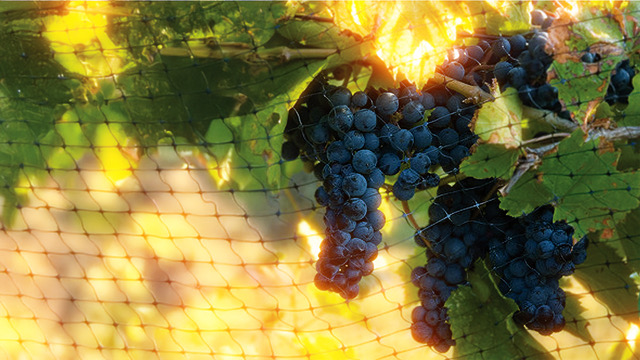
For vineyard owners, harvest season brings both excitement and anxiety. As grapes ripen and sugar levels climb, they become an irresistible target for birds, deer, raccoons, and other hungry visitors. A single flock of starlings or a few persistent deer can cause significant crop loss — not just in volume, but in quality. For growers working tirelessly all season long, these setbacks can be devastating. That’s why more and more vineyards are turning to physical deterrents like netting — a simple yet powerful solution that protects the fruit without compromising the vineyard’s aesthetic or farming practices. At Trident Fence, we’ve worked with growers across the country to provide vineyard netting that’s durable, easy to install, and incredibly effective. Whether you operate a boutique winery or manage acres of vines across varied terrain, netting may be the smartest step you take toward a more secure and profitable harvest. Why Netting Works fo
00
February 12, 2025
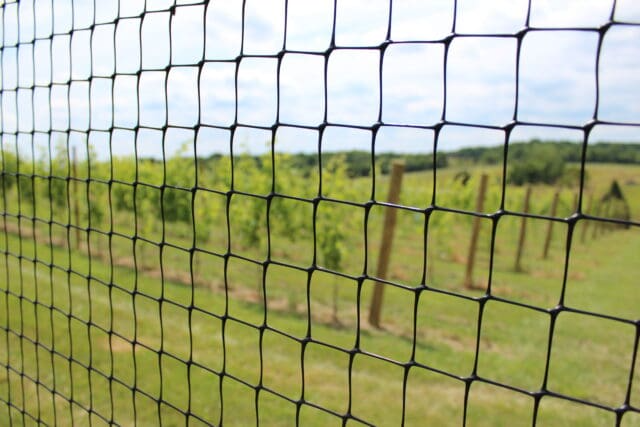
Cost-Effective Fencing for Small and Medium Vineyards For small and medium vineyards, balancing crop protection with budget constraints can be a challenging task. Wildlife damage, particularly from deer, can significantly impact yields and threaten a vineyard’s bottom line. While large-scale vineyards often have the resources to invest in high-tech solutions, smaller wineries need affordable yet reliable options to safeguard their vines. The Challenges of Wildlife Management for Small and Medium Vineyards Smaller vineyards often face unique challenges when it comes to wildlife management. Limited budgets can make it difficult to invest in extensive control systems, while the smaller scale of operations means even minimal wildlife damage can result in significant revenue loss. Additionally, managing labor and maintenance costs further stretches already limited resources, leaving vineyards vulnerable to the impact of deer and other wildlife. “We’ve seen time and time ag
00

May 24, 2024

The 3rd annual Healdsburg Wine and Food Experience was a weekend-long celebration that featured the best of Sonoma County and world-renowned food and wines. This year's festival showcased the region's makers – farmers, growers, winemakers and chefs – alongside globally recognized wines, highlighting the vibrant culinary diversity, deep connection to agriculture, and sustainable farming practices of Sonoma County. HWFE is deeply involved in the Sonoma County community, making substantial donations from this year’s ticket sales and sponsorships to local organizations that make a meaningful difference in the lives of farmers and their families, including the Sonoma County Fundación de la Voz de los Viñedos. These funds will help support the Leadership Academy and workforce development for vineyard employees and their families, fostering future leaders in both the industry and the community. As well as being co-founders of HWFE, Sonoma County Winegro
00
April 22, 2024
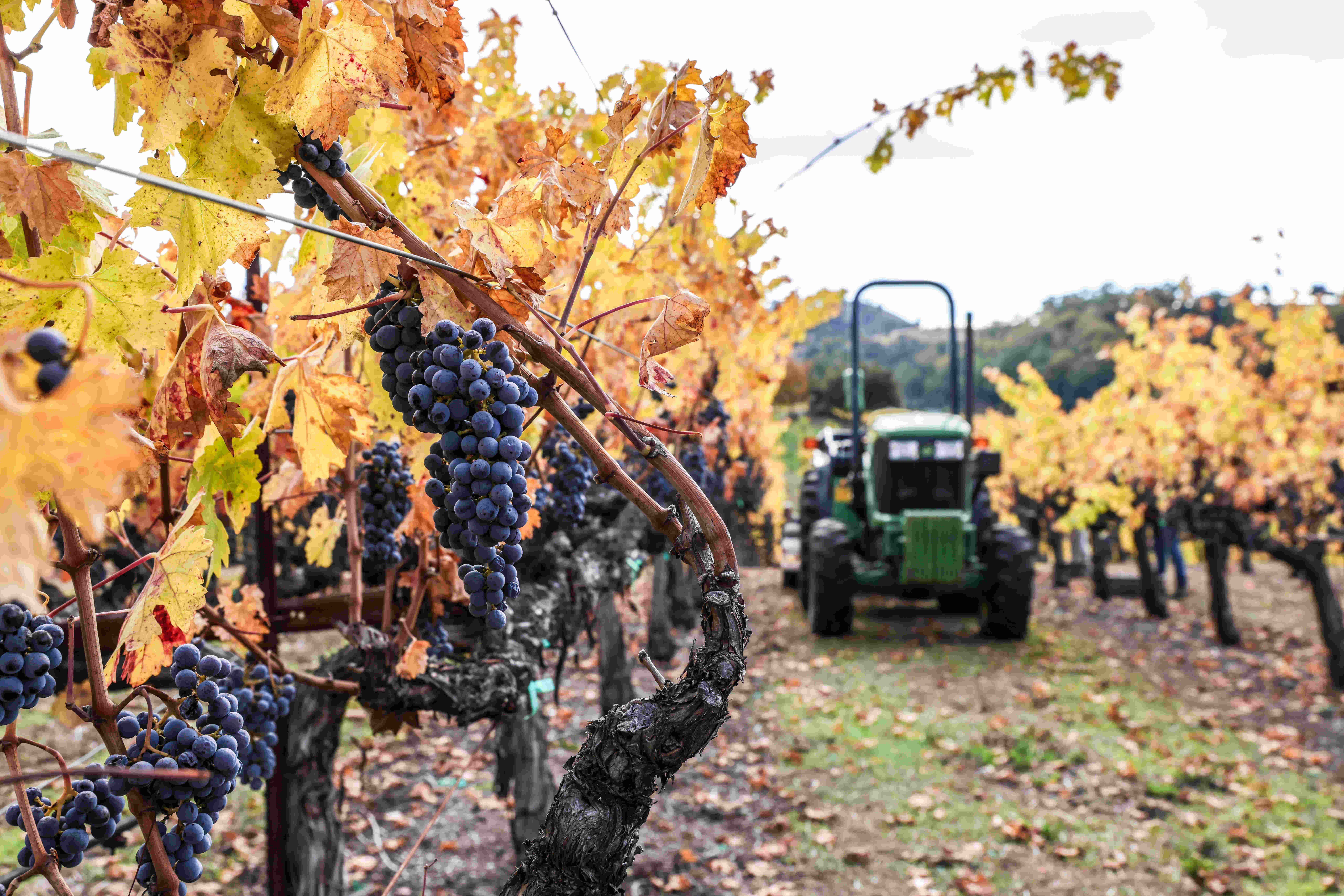
Global Leader Continues to Expand Environmental Commitment Few organizations or businesses have been as proactive in addressing environmental concerns and lessening their impact than the Sonoma County Winegrowers (SCW). Ten years ago, Sonoma County Winegrowers announced its intent to become the nation’s – and likely the world’s – first 100% certified sustainable wine region by 2019. It was a bold, ambitious declaration but Sonoma County’s winegrowers were committed and, together, they succeeded in meeting their target in just five years. Today, Sonoma County has a record 99% of its local vineyards certified sustainable. Five years ago, Sonoma Winegrowers became an exclusive participant in the California Land Stewardship Institute’s (CLSI) Climate Adaptation Certification program marking the first-time participating growers could obtain certification for a comprehensive greenhouse gas reduction and carbon sequestration program. &n
00
June 8, 2020
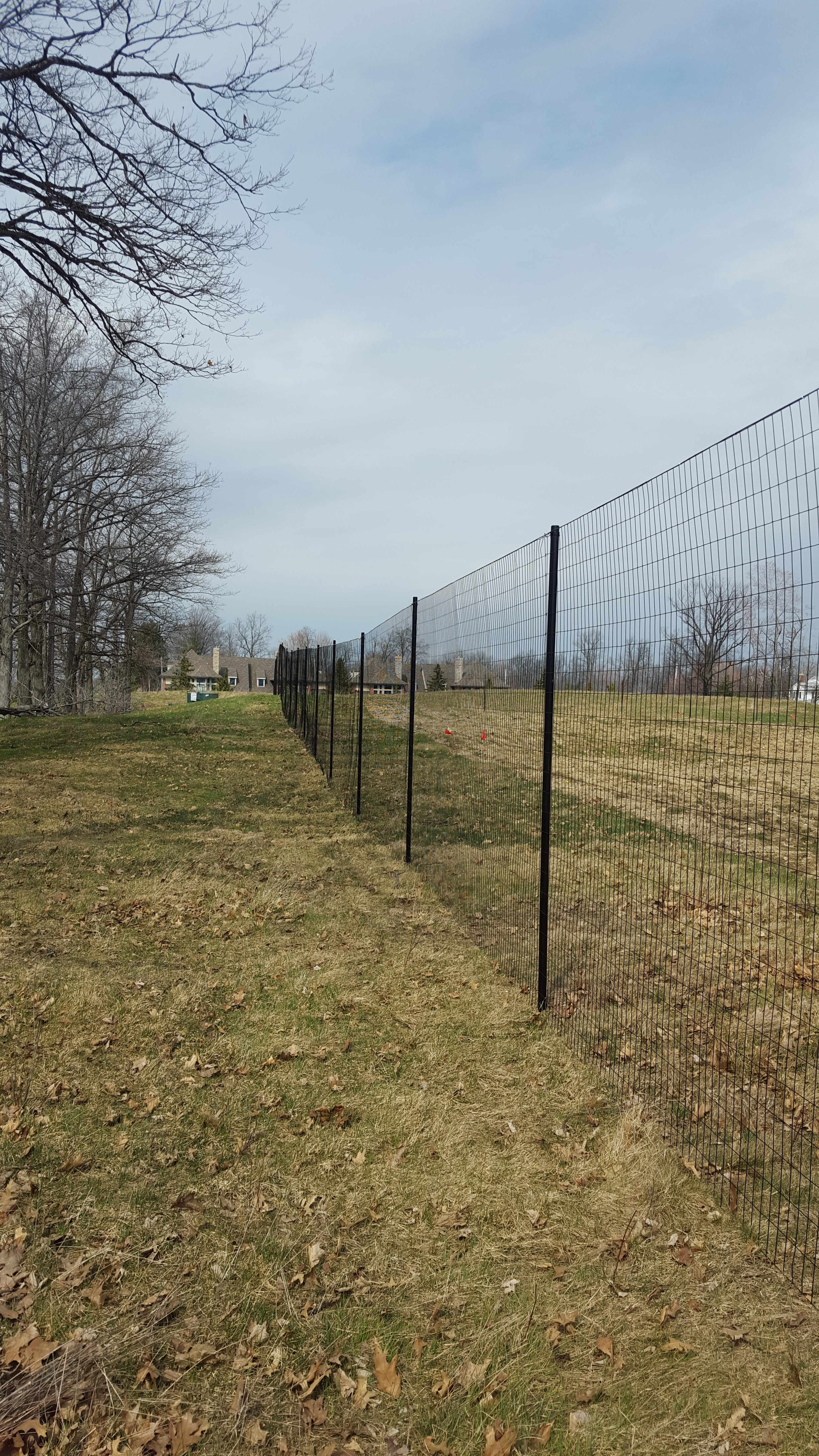
Deerbusters.com 14-gauge weld wire fence is made from galvanized steel and coated in PVC to create a finished 12-gauge steel fence for deer management. Vineyards choose welded wire fence to protect organic gardens against chewing animals such as deer, coyotes, wolves and even small critters. Order today and get 10% off with "FENCES" at checkout. https://www.deerbusters.com/14-gauge-pvc-coated-welded-wire/
00
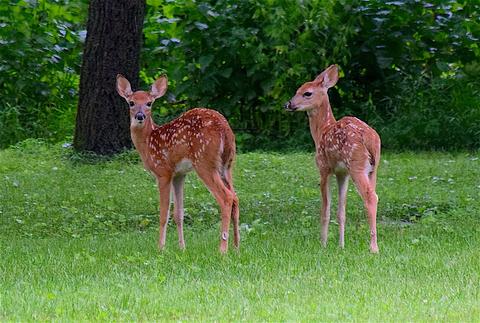
We'll be the first to admit that fawns are adorable - with their Bambi eyes and white fluffy spots, who could resist? Veteran gardeners know better than to get excited when they see baby fawns. Here's why. Deer birthing season begins in April and runs until June. During this time, doe deer will deliver between 1-3 babies where they will teach them all they know including how to devour plants from vineyards. Lady doe will leave their fawns behind in an undisclosed area to search for food in the morning hours, returning to fawns in the afternoon. While fawns may appear abandoned to the untrained eye, mama deer are usually not far away - and they will attack humans, pets and other wildlife if they feel their young are being threatened. In general, spring and summer are prime months for deer damage in vineyards when plants are abundant. Now, wineries will see more than double trouble thanks to deer births. To protect growing sites from deer browsing, wineries will need to be p
00
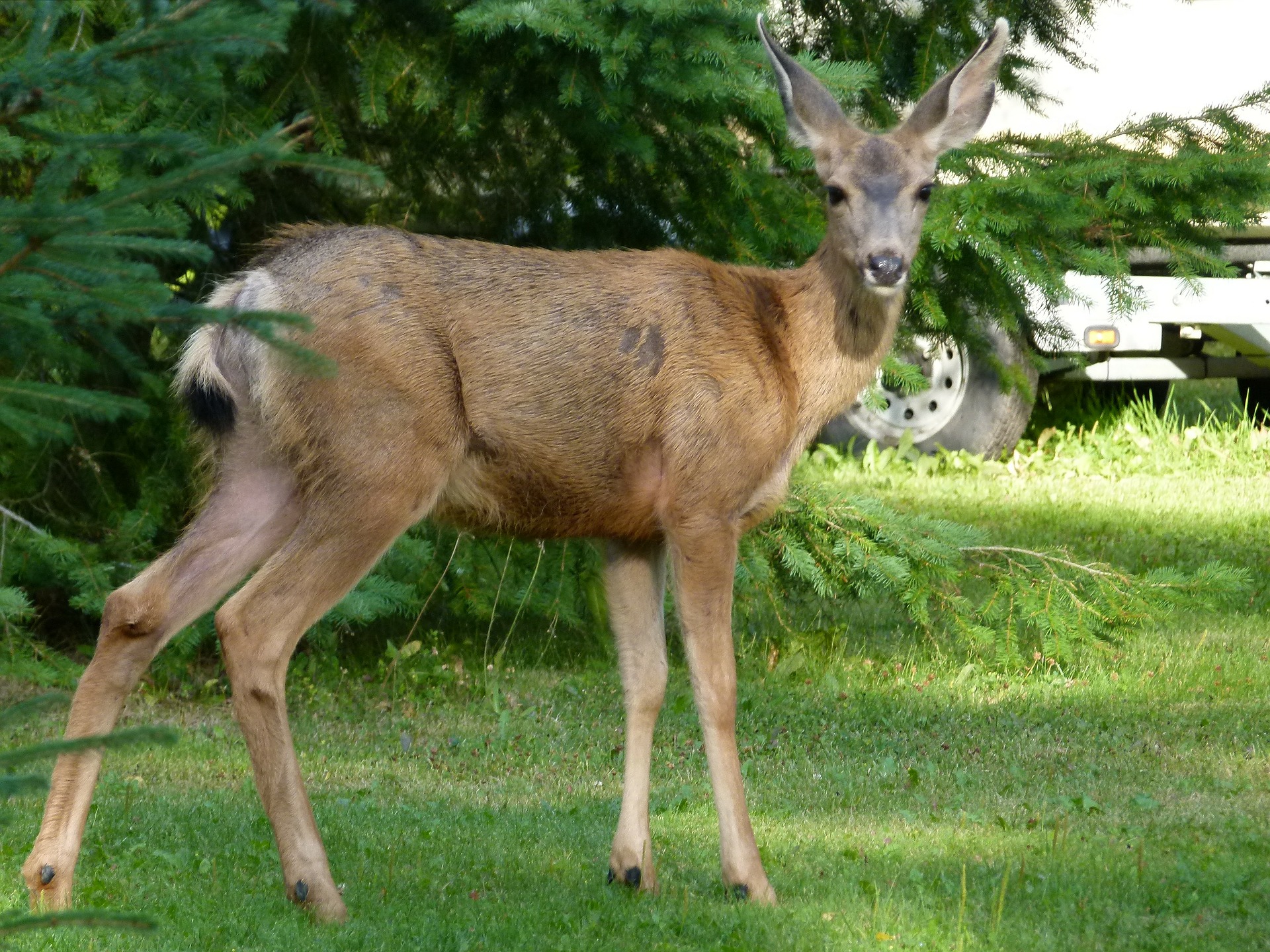
Social distancing is a term that was created in lieu of the Coronavirus, aka COVID-19. It's a way for family, friends, pets, and community members to stay safe from the spread of the flu-like virus while out, keeping a distance of at least 6 feet. Since we are doing this with people and pets, can wildlife please, please, please do this with our plants? They think not; but we think they should. Here are what home gardeners will need to do to keep deer at bay. First things first, home gardeners are encouraged to install deer fencing - but not the cheap stuff found at big box stores. We are talking about heavy duty grade polypropylene fence or steel fence coated with plastic. These types of deer fences are UV-stabilized to stand up to weather elements and are long-lasting - averaging about 15-20 years to start. Deer fencing will need to be at least 7.5' to 8' feet high in order to keep deer away from home gardens. Home growers will also need to plant deer-resistant flowers, he
00
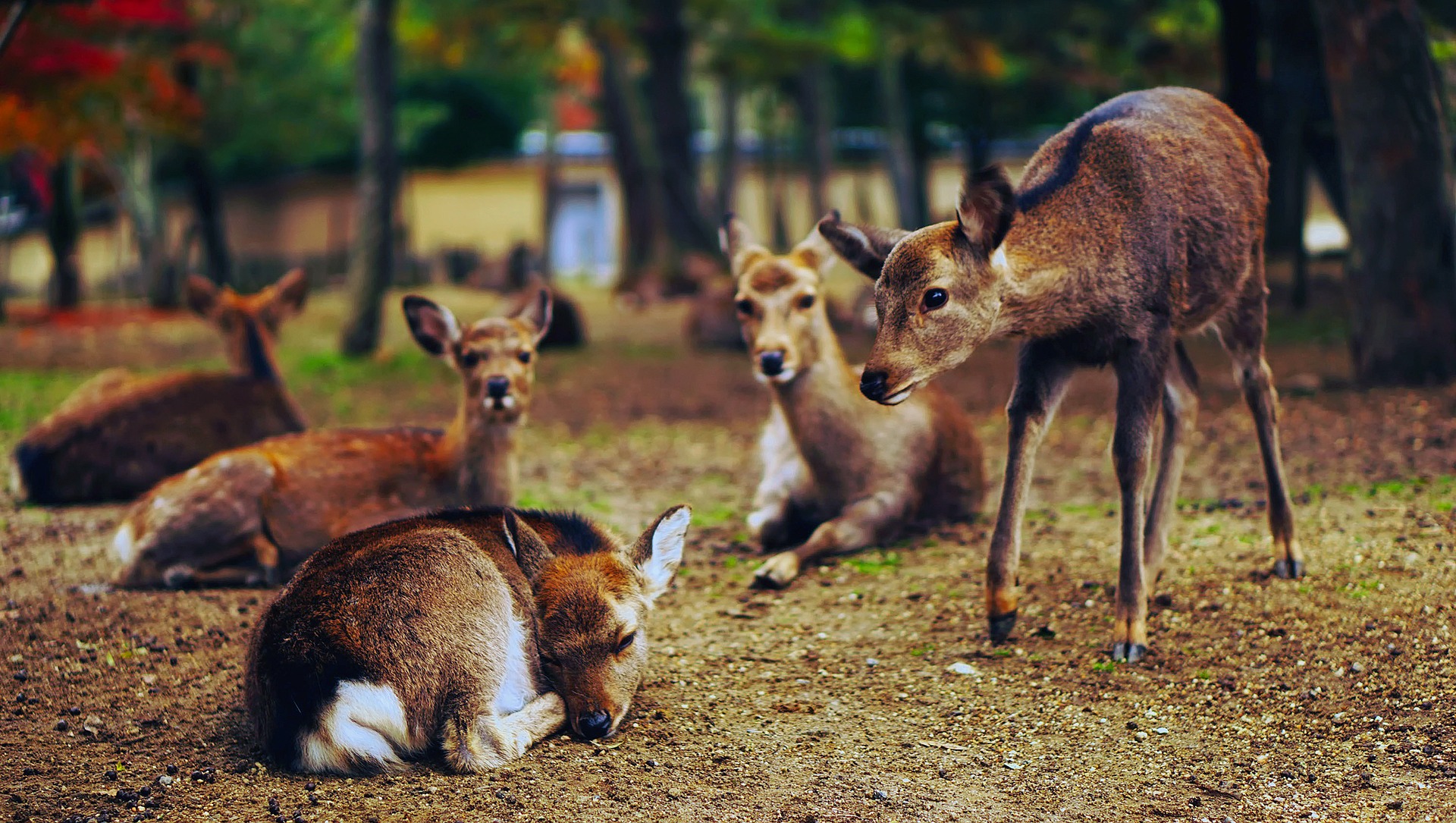
Spring is the best time of year for starting a backyard garden as the snow melts and the grass turns from yellow to green. For gardeners, it's an exciting time to begin a vegetable garden full of asparagus, beets, carrots, lettuce and other earthy crops. For deer and other wildlife, it gets even better; as the herds sit and wait for gardeners to walk away from their landscape. Spring is the most active season for deer and wildlife movement; and there are some things that home growers should keep in-mind: Deer For starters, the rut season ended at the end of the year; and now, does are preparing to give birth to fawns between late April and early July. This means that homeowners will need to worry about agriculture damage from both the mama deer and her baby fawn during this time period. Natural resources were scarce in the wintertime; and deer were left eating twigs and leaves; but now that warm weather is here to stay, whitetails have a buffet of options. In the spring, white-tail
00
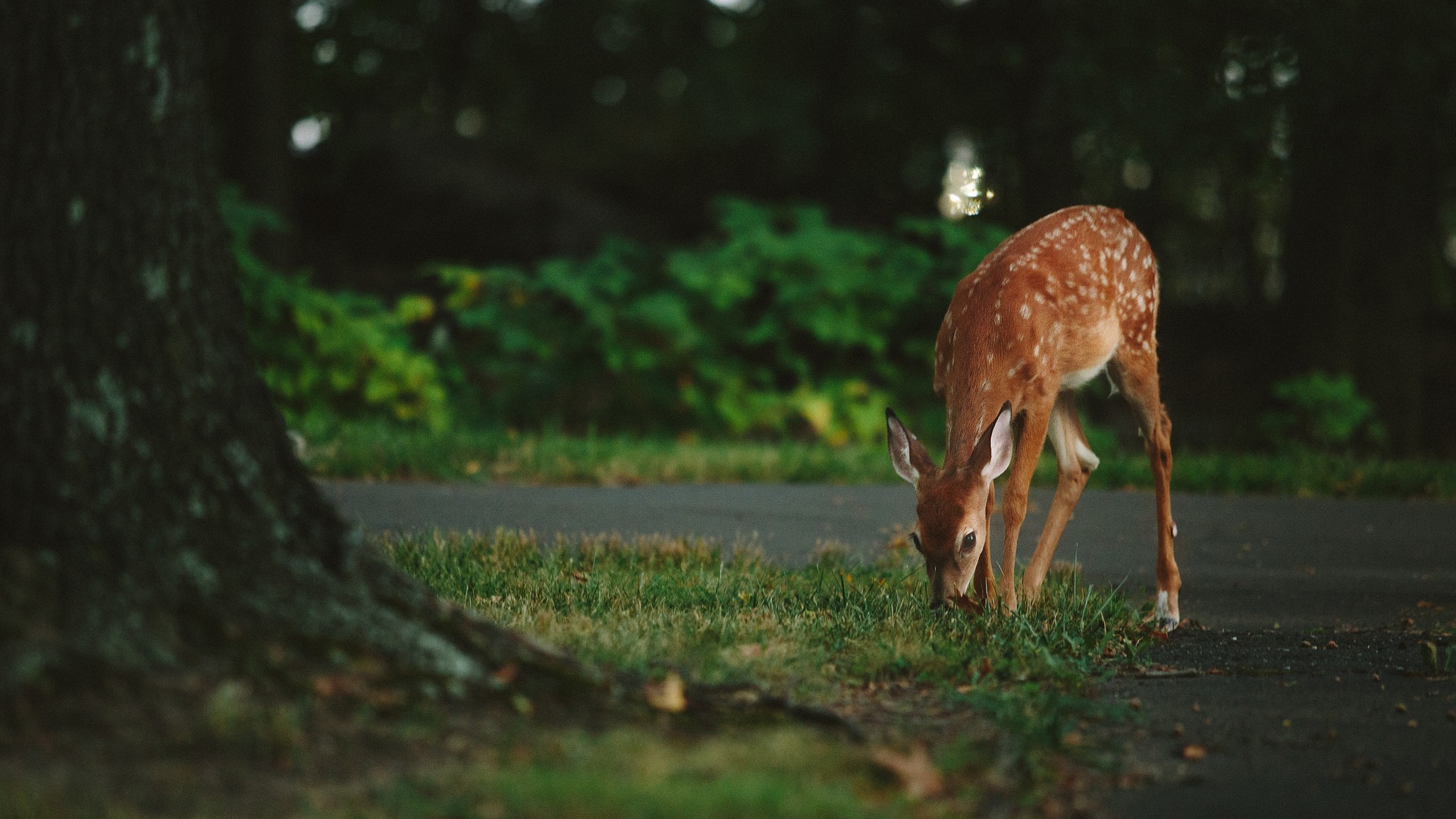
Excited about Spring? You aren't alone. Deer eat nothing but twigs and leaves in the wintertime; and once spring begins to bloom, deer are ready to dive into home gardens to get first dibs on plants.
Deer will approach lawns and gardens without hesitation; but they will do so in the early morning and late evening hours when homeowners are asleep or away from their homes. They will not say no to fruits, vegetables, nuts and anything they find from home gardens.
Spring is prime time for deer damage in gardens; and home growers must be prepared for the influx of deer they will see in gardens. Before spring, it is recommended that gardeners implement deer management strategies including: deer fence installation (7.5-8 foot high); planting deer-resistant flowers; and sprinkling deer repellents on the yard to keep deer at bay.
00