
Filter Post Type
NewsVideoProductEventLink
Sort:
Most Recent
Tagged:Deer Fence
1–3 of 3
October 31, 2025
Wildlife Challenges Don’t End at the Vineyard Edge When vineyard managers think about wildlife threats, the focus is almost always on protecting grapes from browsing deer, hungry birds, or burrowing rabbits. But the reality is, animals can—and often do—cause problems well beyond the vines themselves. From chewing cables to nesting in outbuildings, wildlife can interfere with harvest operations, damage valuable equipment, and even create food safety concerns in processing areas. As harvest season approaches and activity around the winery ramps up, the potential for these issues often increases. “A lot of managers focus on exclusion fencing for the vineyard blocks, which is critical—but the work doesn’t stop there,” says George Horetsky, senior sales representative for Trident Fence. “If wildlife can access your equipment yard, storage areas, or crush pad, you’ve still got vulnerabilities that can cost time and money.” The Hidd
00

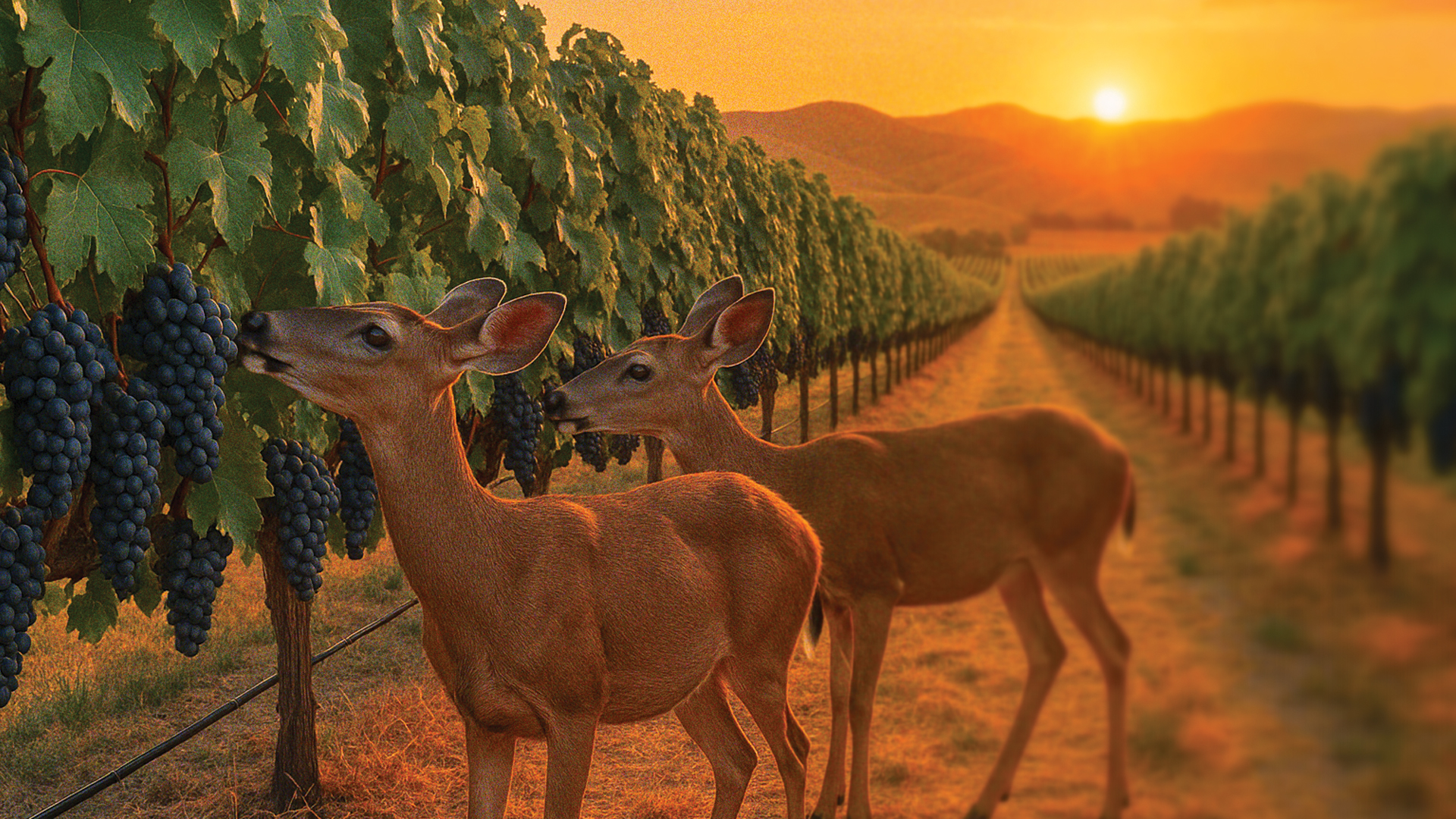
Deer can be a nuisance in your vineyard. To keep them out, consider using a deer exclusion fencing solution. In order for a fence to be effective, the fence has to be high enough. Deer are excellent jumpers and can clear a 7 ft. fence with ease. To combat these high-flying creatures, we offer 8 ft. fences in a variety of materials. The reason a tall fence is more effective for deer is due to how their eyes work. Being on the side of their head, it gives them a full 360-degree vision range compared to the 180-degree range of a human. While being able to see on all sides has its advantages, it also comes with a disadvantage – depth perception. Deer are not able to gauge how high something is due to their lack of depth perception. This comes in handy when deterring deer from jumping into your yard or garden. They will typically not want to risk injury by jumping without being able to judge the height. In this instance, deer would prefer to simply go around the obstacle. We also reco
00

During the autumn months, deer tend to move around more frequently. This is because fall is rutting season for bucks. Rutting season is when a mature buck will travel large quantities a day in search of a mate.
In the time leading up to the rut, deer tend to increase their food consumption, so they have enough fat stored for their mating journey. That means that your vineyards may be in trouble. Deer are not very picky creatures. Their diet will vary greatly depending on what is immediately available to them. If one of these curious creatures happens to stumble across your backyard garden, your yield may become smaller.
The rut itself tends to subdue a buck's appetite because they spend most of their energy searching for a doe. Since they do not eat as much, they are traveling more frequently. This spells danger to gardens that would not typically have a deer problem. The rut causes deer to stray further from their typical feeding grounds and stop at food sources along th
00