
Filter Post Type
NewsVideoProductEventLink
Sort:
Most Recent
1–10 of 46

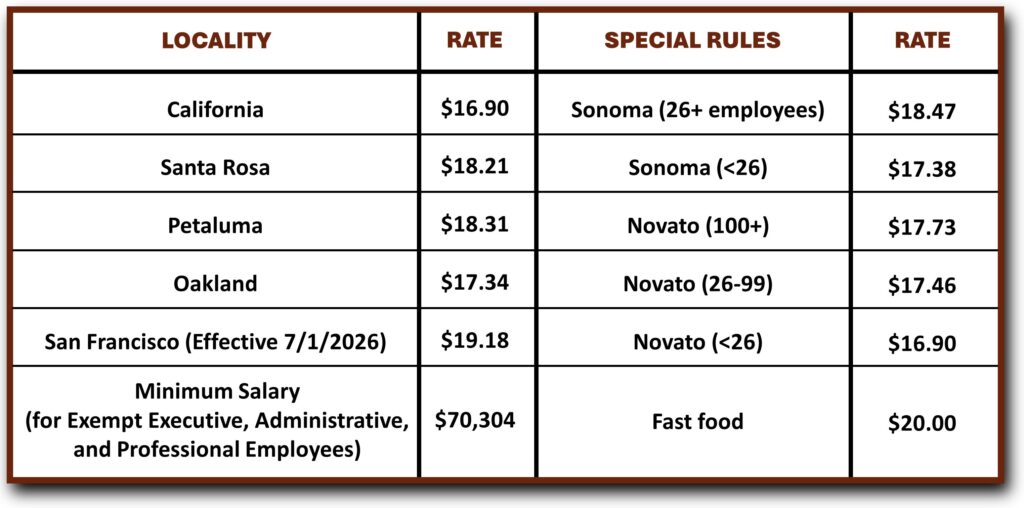
It is time to dust off the employee handbook, review your policies and procedures, and make sure they comply with all the new laws, regulations, and interpretations that went into effect during 2025, became effective in late 2025, or January 1, 2026. Below, we have identified our “top 10” changes. Please keep in mind there were hundreds of laws, regulations, and changes implemented at the local, state, and federal levels throughout 2025. This summary highlights selected changes most likely to impact California employers and is not intended to be exhaustive. So, if you need a handbook/policy review or have any questions, please call us! 1 – Minimum Wage Update: Updates happen every year. It’s best to put a calendar reminder in November, to make sure your payroll is ready! Action: Review your payroll to ensure all employees are being paid the new minimum wage, send written notice of the wage change to affected hourly employees, and be sure your salari
00
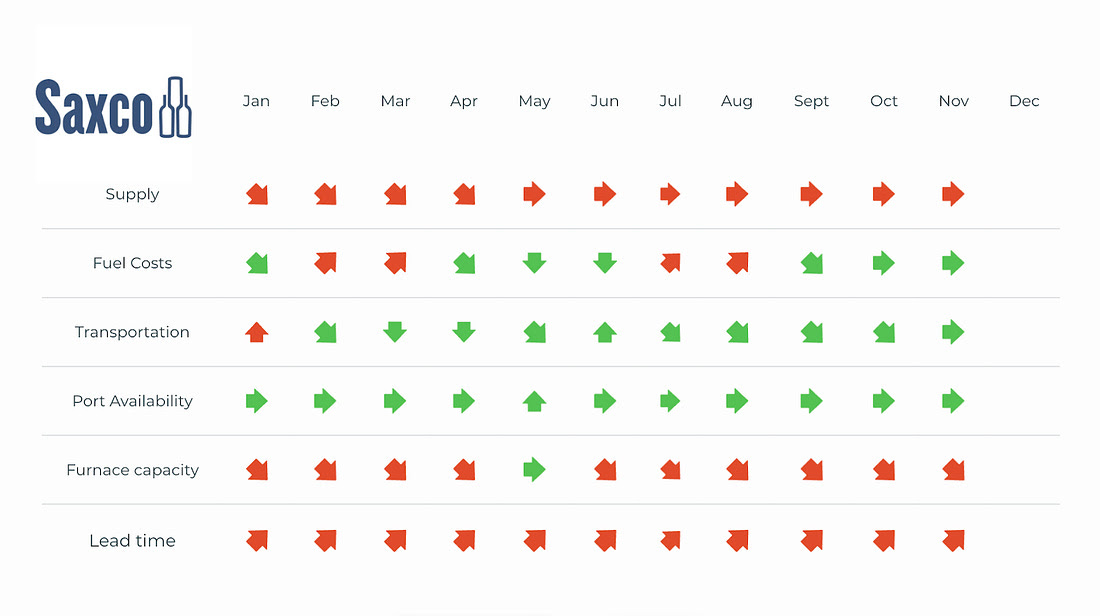
A pause in the fever dream of instability October arrived not with fanfare but with something rarer: Quiet. After a year of collective anticipation for more and more problems, what occurred was a respite. The tariffs are stalled, and the early indications from the Supreme Court suggest they are still in flux and will be a topic for discussion on a future date. Fuel costs have stabilized, as have ocean freight rates. There is a peculiar quality to this pause. It is that in-between moment that makes it hard to understand if wineries should keep their guard up or, finally, tentatively lower their shoulders. The glass half empty, half full The supply chain in October was like a strange dance. Everything remained unchanged – neither improving dramatically nor deteriorating. Just... holding. Diesel slipped from $3.748 to $3.679 per gallon, a decline so modest it barely registers as movement. But after months of upward pressure, even sideways feels like progress. Ocean rates hit bottom
00


If you’re like me, the first thing you’ll think reading this title is “you can’t know that; people hit invisible targets by mistake all the time!” Touché. Can we move on, smart aleck? (Takes one to know one.) A lot of wine and spirits brands are doing the professional equivalent of heading to the gun range blindfolded, with high hopes to grow their business year over year. The lunacy is less apparent only because the BevAlc business isn’t a matter of life and death—at least not what Peter Attia calls “fast death.” We romanticize hustle: more accounts sold, more calls made, more activity. But activity without visibility isn’t strategy — it’s superstition. Until recently, wine & spirits suppliers operated with a very limited view of what was happening on the ground: depletions delivered on a monthly basis, already outdated. Account-level insights? Rare. Shared priorities between suppli
00
.jpg)
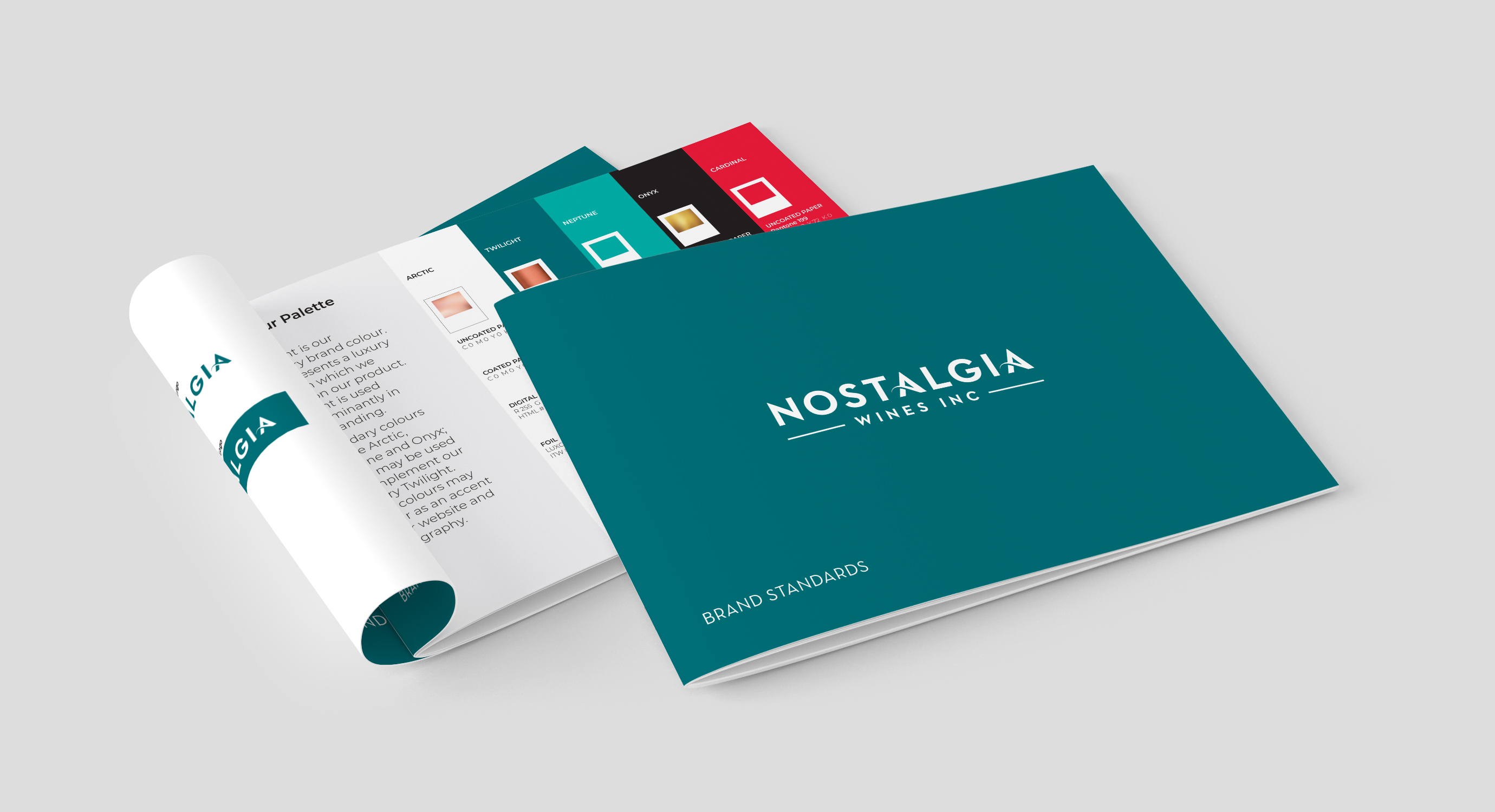
You spent time, money, and energy building a brand that people recognize. It looks good. It sounds right. People are finally starting to get it. So why are you letting it fall apart? Your brand is a reputation, not just a logo. Inconsistent fonts, weird colors, off-brand photos, and tone-deaf captions are the start of a slow slide into brand chaos. Here’s how brands get muddled: No rules, just vibes: You hand your logo to a sign maker or a friend who “knows Photoshop” and hope for the best. Without a brand standard, they’re guessing. And that guess might be Comic Sans. Template traps: Canva and AI tools are great. While these programs open a new set of opportunities it is important to use them in a way that honors your brand identity. When using pre-made templates take the time to change the fonts and colors to the ones that match your brand and use your original photos when possible, to preserve brand recognition. If you're using pre-made templates without
00

January 7, 2025
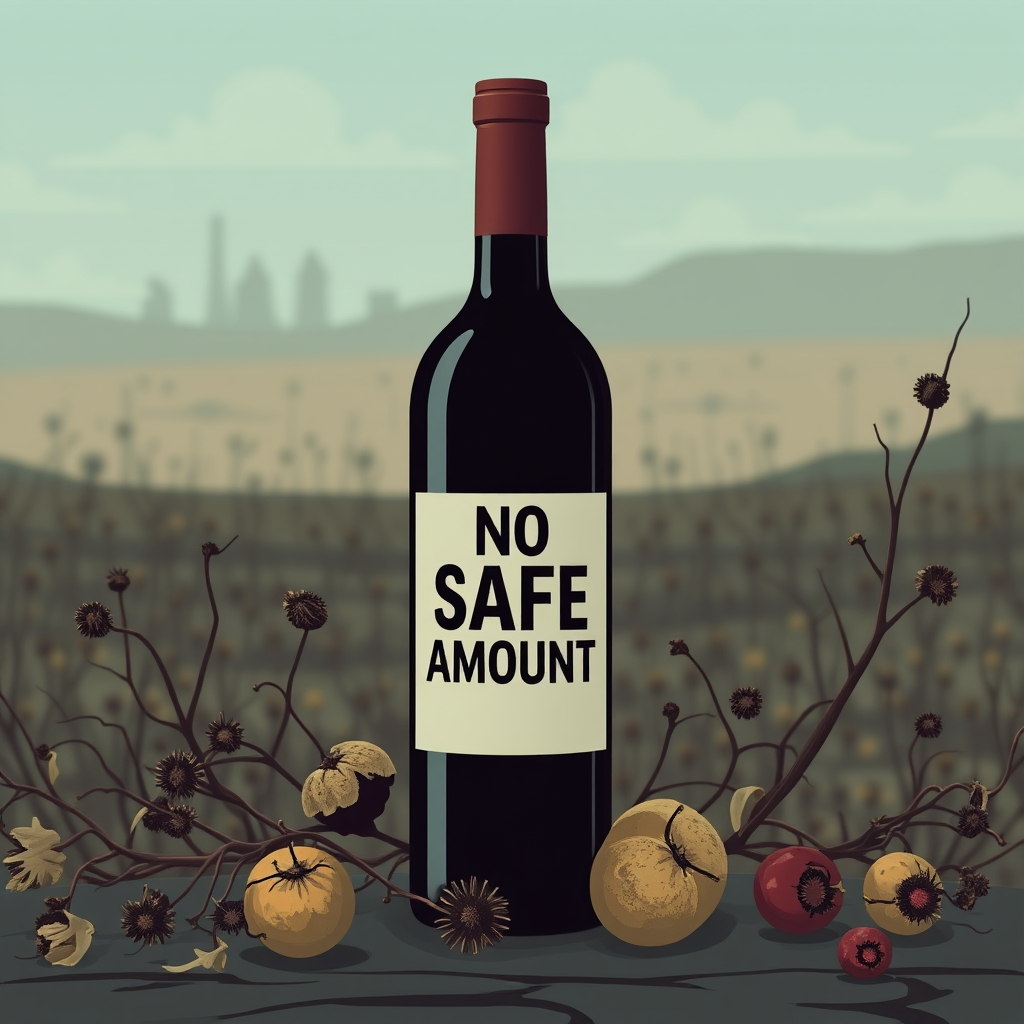
The Political Tug-of-War The title of this post reflects the actions the Surgeon General is promoting. It's part of a long-term, well-thought-out, and well-funded campaign against consuming alcohol - any amount of alcohol. The campaign runs circles around anyone wanting to point out the other positive health science behind moderate consumption. But this report shouldn't be a surprise to anyone. In a September 2019 blog post titled "Get Ready For Cancer Warnings on Wine Labels," I discussed the developing impact of the Cumulative Negative Health Message spread by neo-prohibitionists. Even then, there was a growing push to add enhanced cancer warning labels. By now, you've undoubtedly heard the latest iteration of this skirmish, but if not, let me get you up to speed. On January 3rd, when many were resetting their circadian clocks back to work time after an extended holiday break, the outgoing Surgeon General released an advisory about alcohol consumpti
00


Afternoon Brief: U.S. Surgeon General Issues New Advisory on Link Between Alcohol and Cancer Risk
The Surgeon Generals Advisory includes a series of recommendations to increase awareness to help minimize alcohol-related cancer cases and deaths, including updating the existing Surgeon Generals health warning label on alcohol-containing beverages...
00
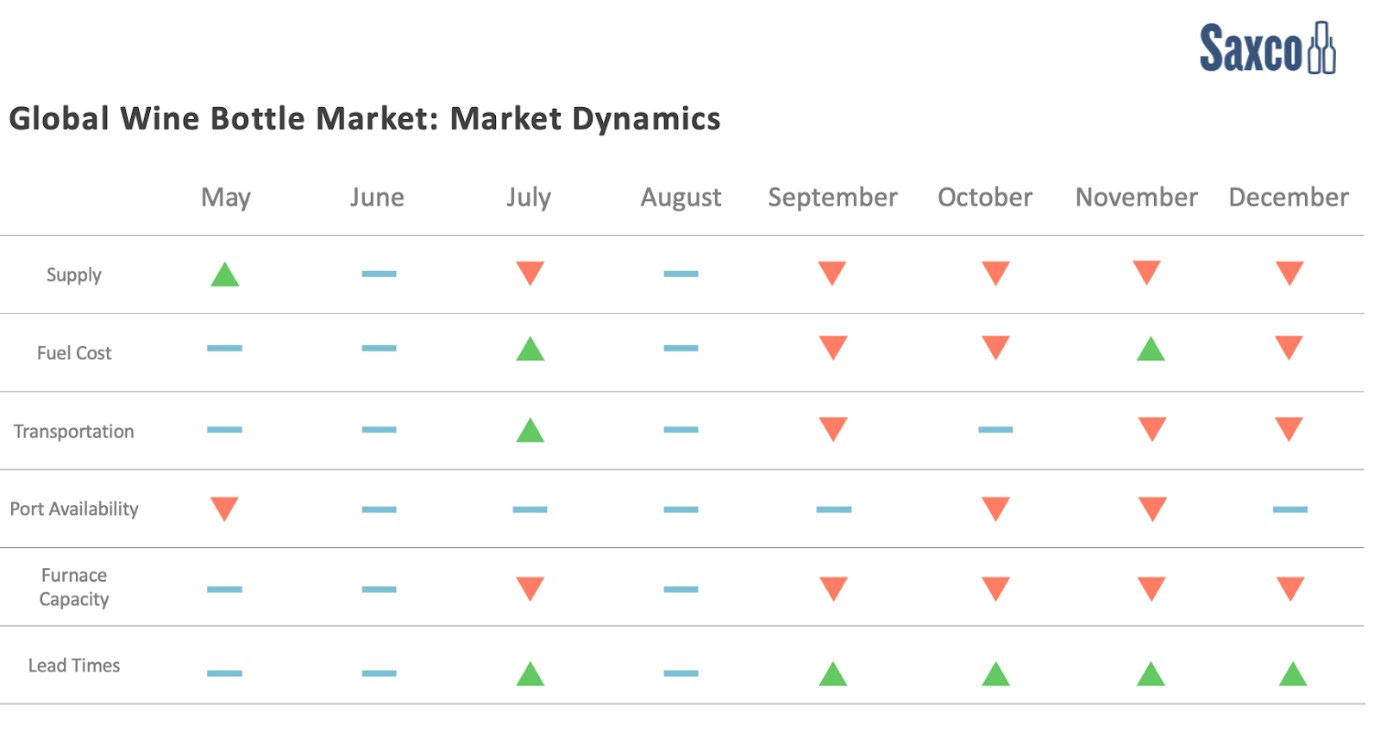
The Saxco family hopes you had a fantastic holiday filled with laughter, excellent food, and wine that continues through the end of the year. May Santa Claus bring you everything on your list and more. The whole industry is tentatively hopeful for solid holiday sales, yet there is a shadow of concern due to the potential imposition of tariffs in 2025. This looming threat could affect imported wines and essential materials such as bottles and boxes and possibly prompt retaliatory tariffs. For wine packaging, the threat of 25% tariffs on Mexico and Canada, as well as the potential 10% China tariff increase, could result in substantial increases in goods costs and demand for US glass manufacturing. We are already seeing an increase in the tightening of demand for domestic glass, increasing its lead time. We recommend you speak with your partners and know where they source your packaging goods in anticipation for any future changes in duties. While most things are stable, gas prices have
00

Afternoon Brief: Man Dies After Inhaling Toxic Fumes in Winery
In yet another winery death caused by such fumes, the worker was found unconscious at the bodega in Valdepeas DO last week. Athough a medical team was sent to the scene, they could only certify his death, according to reports...
Atlas Wine Co.Beverage Trade NetworkCalifornia Association of Winegrape GrowersNapa Valley VintnersLodi Winegrape CommissionTexsomMichigan Wine CollaborativeHaliotide WinesFolded Hills WineryVintraceBartholomew Estate WineryeCellarBarrels Ahead Wine & Craft MarketingWine Glass MarketingAngelsmith inc.GiesenPhifer Pavitt WineryKobrand Corporation
00

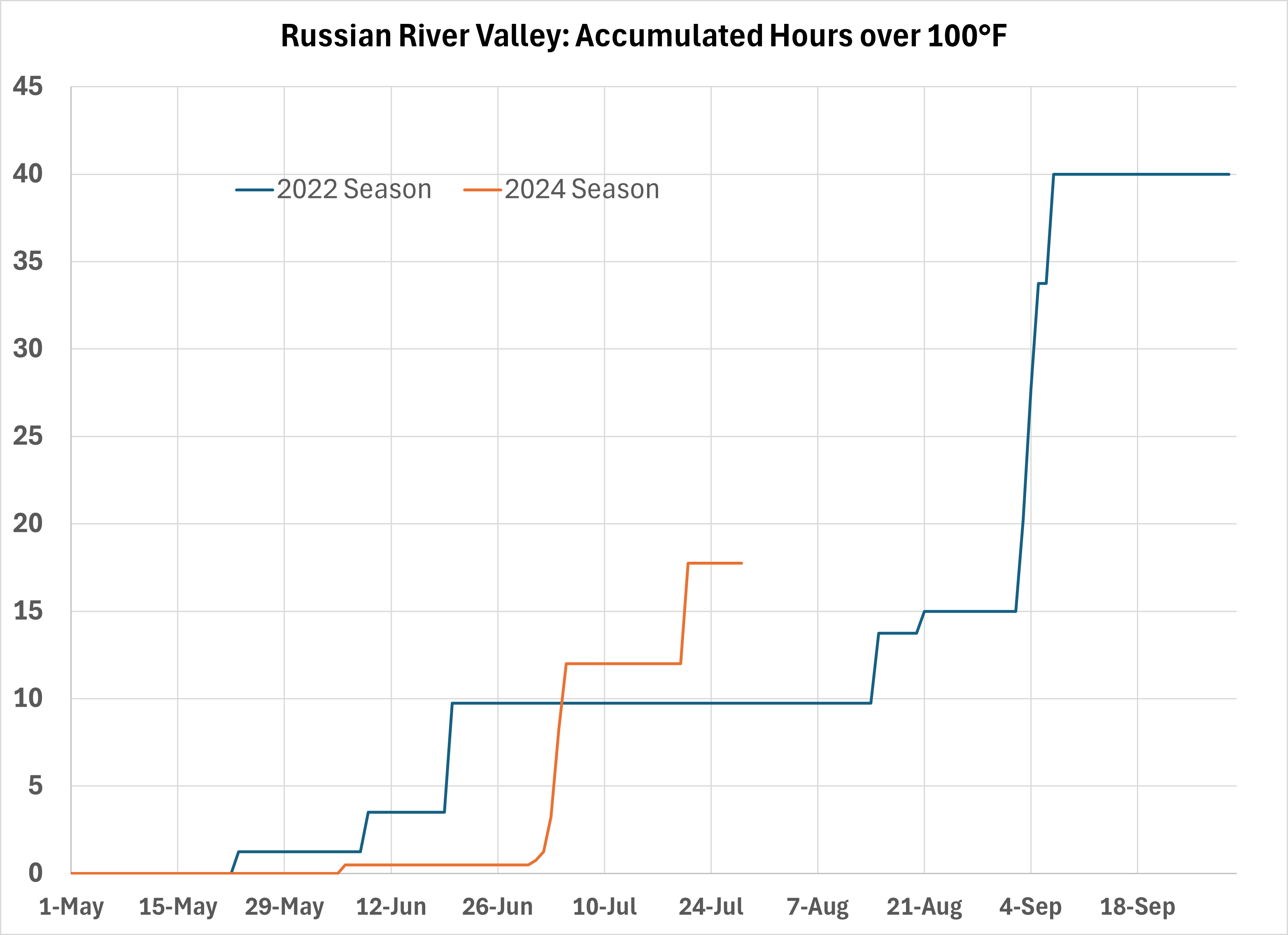
We are wrapping up a particularly hot July. The last time I had to write about heat stress was 2022, so this year seems to be making up for 2023’s persistent coolness. We all remember 2022. We had a couple hot days in late June that did quite a bit of damage in some vineyards. Then in late August, the sun parked itself right on top of California for three weeks, frying everyone’s hope of a decent harvest. This year, the heat has come earlier and hasn’t quit. One measure Mark Greenspan and I like to look at is amount of time temperatures exceed 100°F and 105°F thresholds. Anything over 100 usually slows down vine growth and metabolism. Anything over 105 causes serious damage. Here’s a comparison of 2022 and 2024 so far in the Russian River Valley. And here’s Calistoga… At least in Calistoga, 2024 is just a shifted version of 2022. Now, these are ambient air temperatures. Fruit exposed to full sun can be as much as 15°C (27°F) over
00

July 30, 2024

Death, taxes, and wildfires are some of the earth’s events that are difficult to control and generally inevitable. With recent fires along the West Coast, down through South America and Australia, and even throughout Spain and Portugal, many of the globes most prized wine regions have been affected. Exposing grapes to smoke can result in wines that develop unfavorable sensory profiles. Compounds in the smoke bind with the grapes and usually lead to characteristics that are described as burnt, smokey, bacon-like, medicinal, and ashy. But if this does occur, all may not be lost! Researchers suggest several options to minimize the effect of smoke taint, including the addition of barrels, wood adjuncts, and tannins. Science has shown that increasing wines’ complexity can reduce and even refine the unexpected profiles brought on by smoke. Brewers and distillers have long been capitalizing on the unrivaled flavors pulled from fresh used barrels sourced from all cor
00