
Filter Post Type
NewsVideoProductEventLink
Sort:
Most Recent
1–10 of 65
April 15, 2026
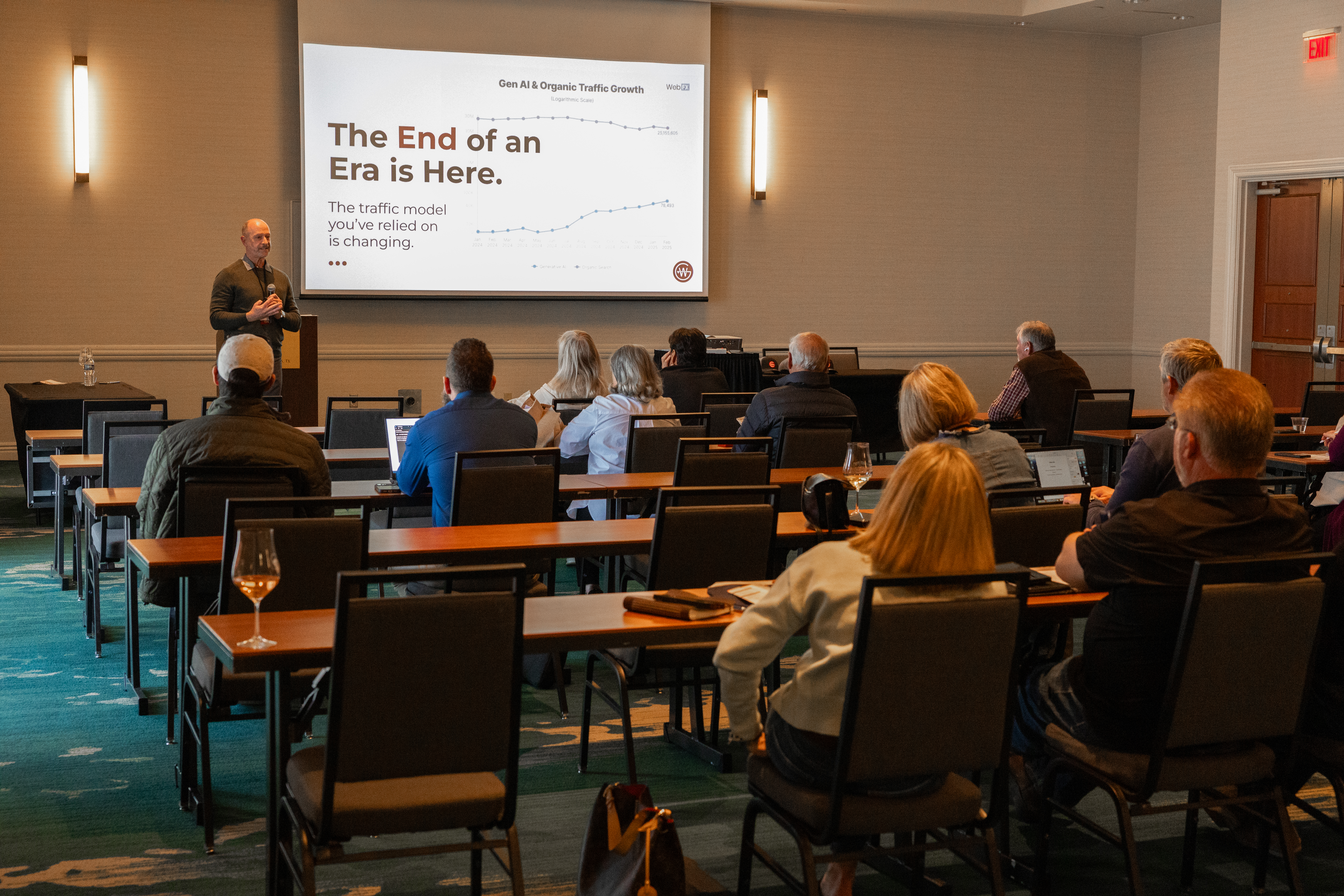
Observations from an AI Marketing Consultant on AI for Winery Brand Growth I’ve spent a lot of time this past quarter talking with winery owners, marketers, and operators. Mostly listening. What’s coming through isn’t hype or resistance to AI. It’s curiosity… mixed with a bit of uncertainty about where it actually fits in day to day. Questions like: How are people really using AI to find my winery? Does this actually impact tasting room traffic or DTC or not? What should we be doing differently right now, if anything? Good questions. With my feet wet, once again, now only 65 business days in the wine industry, what stood out to me in Q1 is that this shift is already happening, just unevenly. Some wineries are starting to show up in AI-driven discovery in meaningful ways, while others aren’t even aware of how they appear, and that's okay. I'll be releasing my Winery AI Marketing Readiness Survey findings next week which I hope will be
00
If you work in the wine industry, take a few minutes to share your thoughts and help shape the 2026 DtC wine report. Click here.
00
Your ongoing participation in our DTC wine surveys and events has been invaluable to the understanding of trends impacting the industry. Today, you’re invited to participate in our latest DTC survey. For more than 25 years, we have supported the wine industry with research, analysis and insights. With your help, we plan to continue. Our new survey will be available until March 30th. To participate in this year’s survey, simply click below.
00
February 10, 2026

After 30 years of moving up and to the right, the American wine industry hit a wall. Not a temporary slowdown or a soft patch. A structural shift that requires a fundamentally different marketing playbook. 2025 was the reality check. 2026 is the year wineries either adapt or watch their customer base age out beneath them. The data is now unambiguous: wine sales dropped approximately 6% in 2024, marking the steepest decline in decades according to SipSource industry data. More troubling than the headline number is what's driving it. This isn't a recession blip or a bad vintage. It's a fundamental realignment of who drinks wine, how they buy it, and what they expect from the brands they choose. Here are the five trends reshaping the US wine market and what they mean for your brand's survival. The Demographic Disruption The wine industry built its growth on one generation: Baby Boomers. That generation is now aging out. The Wine Market Council's 2025 U.S. Consumer Ben
00
January 20, 2026
The wineries with the most loyal wine clubs aren't the ones with the best discounts. They're the ones with the strongest emotional identity. This will sound counterintuitive to anyone who's ever tried to stem club churn by sweetening the deal with free shipping or an extra bottle. But the data tells a different story. Companies with strong emotional connections to customers outperform competitors' sales growth by 85%. Not 8.5%. Eighty-five percent. The question isn't whether emotional connection matters. It's how you build one. Enter brand archetypes: a framework rooted in Jungian psychology that helps wineries create the kind of deep, identity-based loyalty that discounts can never buy. When wineries align their story, experience, and messaging with a core archetype, wine club loyalty stops being a battle against churn and becomes a natural expression of who they are. What Are Brand Archetypes? (And Why They Work in the Wine Industry) Brand archetypes are 1
00
January 16, 2026
The 2026 State of the U.S. Wine Industry Report, published by Silicon Valley Bank and authored by Rob McMillan, provides a comprehensive, data-driven assessment of current conditions in the U.S. wine market. Built on more than 25 years of industry research, the report combines results from SVB’s annual winery survey, its Direct-to-Consumer (DTC) survey, demographic and cohort consumption modeling, and a wide range of third-party wholesale, retail, and population datasets. The conclusion is clear: while the industry continues to face structural headwinds, wineries are not experiencing these conditions equally. A widening performance gap has emerged between those adapting to changing demand and those struggling to do so. 2025 Performance: A Difficult Year for Many By nearly every measure, 2025 was a challenging year for the U.S. wine industry. Roughly half of the surveyed wineries rated the year negatively, citing slowing demand, rising costs, margin pressure, and inventory ch
00


If you’re heading to the DTC Wine Symposium in Monterey, we’d love to invite you to join the eCELLAR team for a relaxed Bubbles & Bourbon Happy Hour on January 21st in our hospitality suite. Swing by between 5:30–7:00 PM to enjoy bubbles, bourbon, small bites, and good music, all in great company. It’s an opportunity to unwind, connect, and spend time with fellow colleagues and the eCELLAR team before the evening continues. Please RSVP if you’d like to join!
10
October 7, 2025

Your Current Marketing Won't Work for Younger Wine Drinkers The generational shift in wine consumption is happening faster than most wineries are prepared to handle. According to Wine Intelligence's US Wine Consumer Trends 2025 report, millennials will surpass baby boomers as the largest wine-consuming demographic by value this year. Meanwhile, the oldest members of Gen Z (born 1997-2012) are now turning 28 and developing their own distinctive wine preferences. The problem? Most wineries continue marketing as if their primary audience is still over 55. The messaging, channels, and tactics that worked for boomers actively repel younger buyers. Let's examine what actually works when marketing to these crucial demographics. What Younger Wine Consumers Actually Want Millennial Wine Drinkers (Ages 29-44) Millennials approach wine fundamentally differently than their parents: What They Value: Transparency about production methods and ingredients Sustainable and ethical busines
00
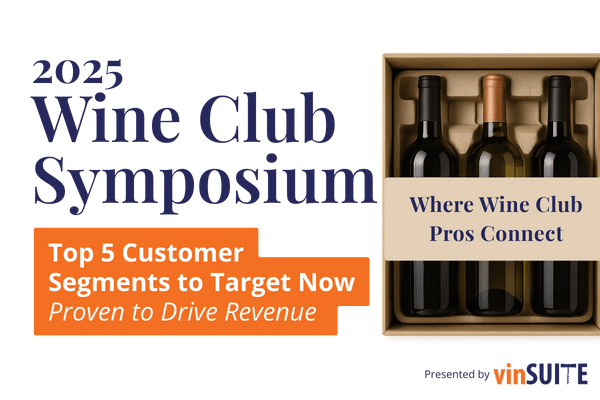
Most wineries still send the same message to everyone—and leave money on the table. In Session #2 of the Wine Club Symposium, Laura Simons (Simons DTC Consulting) and the team at Enolytics show how targeted segmentation turns “almost” into “I’m in,” boosts retention, and creates predictable DTC revenue—without deeper discounts. â–¶ Watch the Full Session (Free Replay) What You’ll Learn Club vs. Non-Club: Convert high-potential buyers with member-only perks and short-window join offers. At-Risk & Lapsed: Re-engage 6–12-month gaps with “welcome back” bundles and quick pulse surveys. Potential Churn Members: Catch early signals (skips, fewer add-ons) and save with holds, swaps, and plan changes. High-Value VIPs: Use micro-exclusivity (library drops, small-lot access, VIP invites) to deepen loyalty. First-Time Buyers & Recent Converts: A 30-day path that turns a one-time order into a new me
00
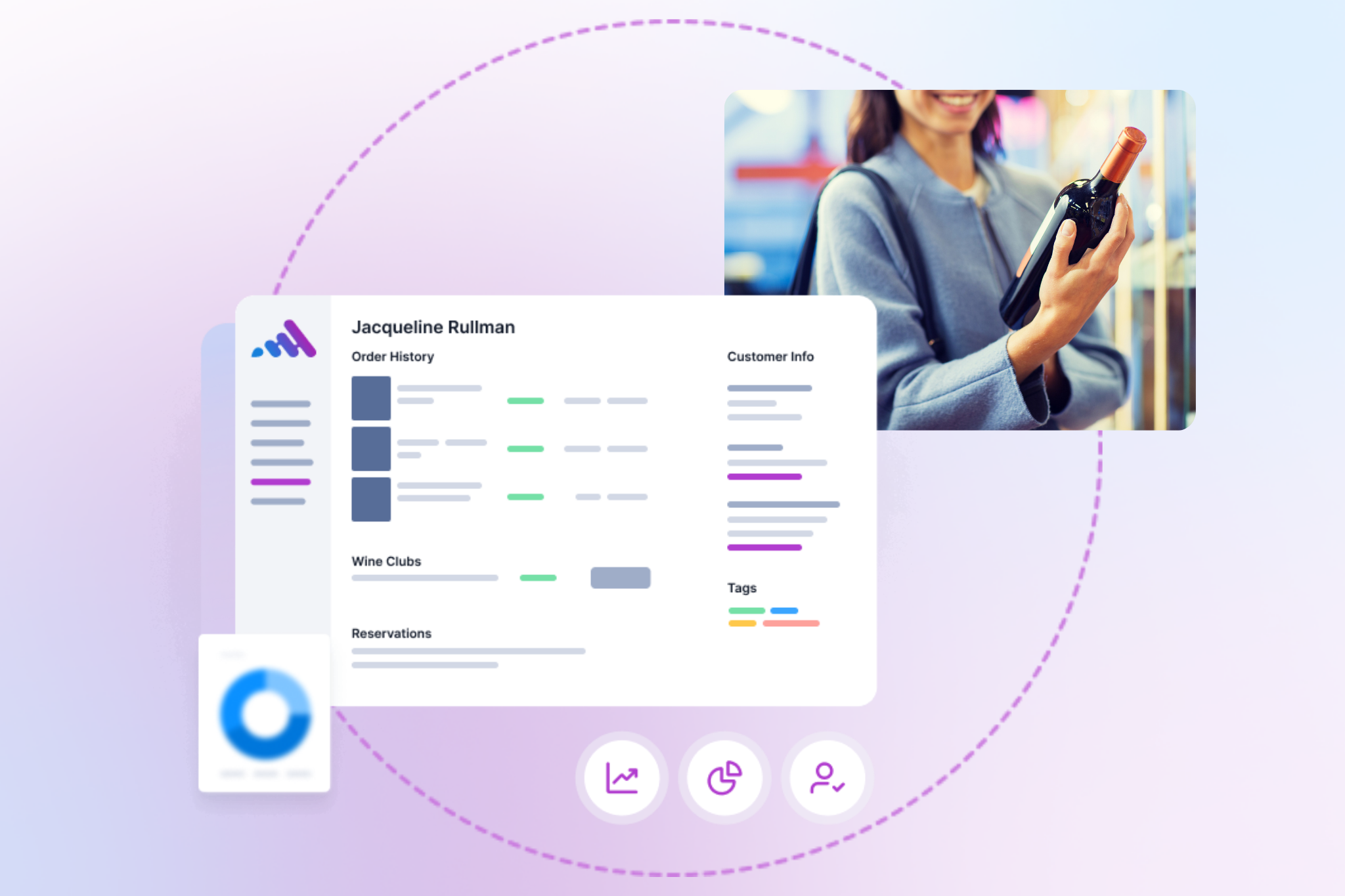
In today’s competitive DTC wine market, where digital acquisition costs keep climbing and consumer loyalty is harder to earn, retention is the cornerstone of long-term success. Increasing your wine club membership and customer retention by just 5% can lead to a 25% to 95% boost in profitability. But how do you transform first-time visitors into loyal customers—and more importantly, committed wine club members? Let’s explore tailored strategies to keep customers returning to your winery, boosting repeat business, and maximizing their lifetime value (LTV). Distinguishing Returning Customers from Repeat Customers It’s essential to differentiate between returning and repeat customers. A returning customer has visited your tasting room or purchased your wine before and has decided to return for another experience. They might have made two or three purchases. On the other hand, a repeat customer is one who consistently supports your winery, regularly visits your tasti
00