
Filter Post Type
NewsVideoProductEventLink
Sort:
Most Recent
1–10 of 84
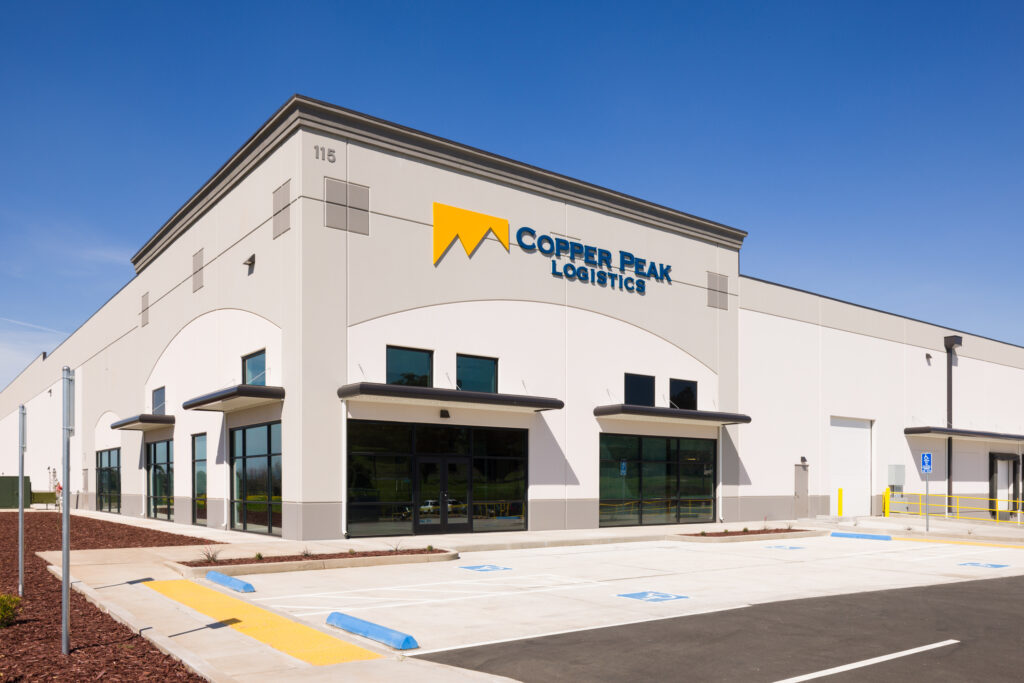
For wineries selling direct-to-consumer (DTC), fulfillment location plays a major role in wine shipping speed, cost, and the overall customer experience.
Copper Peak Logistics operates two strategically located wine fulfillment centers
in
Napa, California
and
St. Louis, Missouri
. Together, these facilities allow wineries to store, pack, and ship wine efficiently across the United States while maintaining the care required for beverage alcohol shipping.
By combining a
wine country fulfillment hub in Napa
with a
central U.S. shipping hub in St. Louis
, Copper Peak Logistics helps wineries reach most U.S. customers within one to two days.
Napa, California: Wine Shipping Fulfillment in the Heart of Wine Country
Copper Peak Logistics’ Napa fulfillment center is located directly in the Napa Valley, and in a very convenient location for Sonoma County wineries. This location allows wineries throughout
N
00
April 28, 2026

April 28th, 2026 — For today’s wineries, delivering a great customer experience means more than great wine. It requires timely, personal, and relevant communication at every stage of the relationship. From the tasting room experience to the first purchase, to club shipments and beyond, customers expect to feel known and valued. To meet that expectation, wineries are using more technology than ever before—but the real magic happens when these tools work together. RedChirp and Corksy have announced a new integration that connects Corksy’s modern DTC platform with RedChirp’s texting and automation capabilities. By bringing these systems together, wineries can turn real-time customer data into timely, personalized communication, driving more revenue while delivering a more seamless, high-touch experience. Turning Data Into Action: Instead of toggling between systems or piecing together customer context, winery teams can now work more fluidly, moving from insight to action in just a few cli
00
April 28th, 2026
— For today’s wineries, delivering a great customer experience means more than great wine. It requires timely, personal, and relevant communication at every stage of the relationship. From the tasting room experience to the first purchase, to club shipments and beyond, customers expect to feel known and valued.
To meet that expectation, wineries are using more technology than ever before—but the real magic happens when these tools work together.
RedChirp and Corksy have announced a new integration that connects Corksy’s modern DTC platform with RedChirp’s texting and automation capabilities. By bringing these systems together, wineries can turn real-time customer data into timely, personalized communication, driving more revenue while delivering a more seamless, high-touch experience.
Turning Data Into Action:
Instead of toggling between systems or piecing together customer context, winery teams can now work more fluidly, moving from
00

If you wait until things feel hectic, you waited too long. For wineries and craft beverage businesses, the busy season is already beginning. More visitors. More orders. More shipments. More pressure on your systems. The businesses that feel calm this season are the ones preparing now. Today’s 5-minute winery check: Review your 20 highest-value recent orders . Look at where they came from: Online store Tasting room Club shipments Event orders and other DTC sales You may uncover valuable patterns: Which channel drives your biggest sales Which customers buy most often Which wines customers spend the most on Where your best growth opportunities are right now The smartest decisions often come from simply looking at what’s already working. That’s where Activ8 Commerce gives wineries an edge. Our seamless Shopify integration gives you a modern storefront while keeping your data, club activity, POS, and reporting connected in one place. Because when your systems wor
00

If something is going to break this season, it won’t happen today. It’ll happen on your busiest day. Spring is here — and for wineries, that means things are about to ramp up fast: More visitors. More orders. More shipments. More pressure on your systems. By the time something breaks, it’s already too late to fix it easily. So here’s a simple check most wineries overlook: Place a test order on your own website today. Go through the full experience like a customer: Is checkout fast and easy? Do discounts and club pricing apply correctly? Does the confirmation feel clear and professional? Does the order flow cleanly into your system? You’d be surprised how often this reveals small issues — before they become big problems. Many wineries are upgrading to Shopify for a faster, more modern storefront. And with Activ8 Commerce, that experience is fully connected and seamless — your orders, club activity, POS, and reporting all st
00

Five years ago, running a winery on Shopify meant duct-taping a lot of things together. Great for e-commerce. Okay for DTC. Difficult for wine clubs. Not really designed for tasting rooms. That's changed. The combination of Shopify's platform investments and a handful of wine-specific apps has created something genuinely new: a single operational stack that connects your tasting room, your wine club, your online store, and your loyalty program under one customer record. That convergence has real operational consequences — and it's why an increasing number of wineries are consolidating everything onto Shopify. Here's what's actually different. Your Card on File, Finally Done Right One very frustrating limitation of running a winery business on Shopify used to be simple: Shopify didn't let you vault a customer's payment card and charge it later for anything other than a subscription — not from your POS or your back office or sales team for one-tim
00

As wineries navigate shifting consumer behavior, rising costs, and increasing compliance complexity, one thing is clear. The gap between average and top performing direct to consumer programs is widening. At eCELLAR, we see this play out every day across our winery clients. The difference is not just better wine or stronger brand recognition. It is operational. Top performing wineries are taking a more intentional approach to customer relationships, internal workflows, and conversion. Increasingly, success comes down to how well technology supports those efforts behind the scenes 1. They Personalize the Club Purchase Experience Wine clubs continue to be one of the most important drivers of long-term revenue. Managing them effectively requires more than basic functionality. Wineries seeing the most success are: Offering more flexible club structures Automating recurring processes Creating a seamless member experience across channels As club models evolve, the systems supporting them ne
00
March 16, 2026

The supply chain behind a bottle of wine is more intricate than most consumers realize. Between harvest and delivery, wineries juggle transportation, storage, labeling, compliance, and customer fulfillment—each step carrying its own risk to quality, timing, and brand perception. For many, these processes are spread across multiple vendors, systems, and touchpoints, making consistency hard to maintain and visibility even harder to find. Yandell Companies takes a different approach. As a fully integrated logistics provider with deep roots in the wine industry, Yandell brings transportation, warehousing, value-added services, and DTC fulfillment together in one connected system—built to match the pace and complexity of modern winemaking. From Raw Materials to Your Customer’s Doorstep Unlike most third-party logistics providers (3PLs), Yandell owns and operates the full infrastructure. That means: A dedicated fleet of dry vans, tankers, and specialty trailers for tra
00

Best Wine Club Management Software for Wineries (2026 Quick Guide) Your wine club is likely your most predictable DTC revenue stream. Members buy on schedule. They purchase more outside of shipments. They refer friends. According to Silicon Valley Bank’s State of the U.S. Wine Industry Report, direct-to-consumer revenue, particularly wine clubs, remains one of the most controllable and margin-protective channels for wineries. Yet many wineries are still running their wine club: Manually Across disconnected systems On software not built for winery operations That friction quietly costs money every week. What Wine Club Software Should Actually Do in 2026 At minimum, your system should: 1. Increase retention Flexible club levels and shipment schedules Clear, automated member benefits Customization options that members value 2. Reduce revenue leakage Automated expired card updater Clean billing workflows Fewer manual errors 3. Speed up tasting room enrollment POS-connected s
00
A few years ago at the DTC Wine Symposium, a panelist joked about the modern winery website formula: the guy, the dog, the truck, and the vineyard. Beautiful backdrop, strong lifestyle photography, a thoughtful founder story. Polished, absolutely. Strategically distinct, rarely. The critique wasn’t about branding. It was about structure. Most winery websites aren’t broken, but they aren’t built as decision environments either. Calls to action are unclear, revenue pathways are buried, shipping surprises appear late, and wine club often lives in isolation instead of throughout the buying journey. After auditing winery sites across regions and production sizes, the pattern is consistent: performance is constrained by friction, not effort. Most wineries don’t have a traffic problem. They have a conversion architecture problem. Before increasing ad spend or launching another promotion, run a winery website audit — on your phone. Start at the homepage and move t
00