Filter Post Type
NewsVideoProductEventLink
Sort:
Most Recent
1–10 of 52
April 22, 2026
Sonoma, CA – April 22, 2026 – Free Flow Wines announces the winners of the 13th Annual KEGGY Awards, honoring outstanding partners who are advancing sustainability, quality, and innovation across the wine and hospitality industries. Now aligned with Earth Month, the KEGGY Awards continue to spotlight the environmental and operational benefits of wine on tap, while celebrating the growing community of wineries, distributors, and on-premise operators leading the charge. FFW & Partners’ Cumulative Impact to Date: 45,448,130 bottles saved from landfill 80,827,751 lbs. of CO₂ emissions prevented from entering the atmosphere New in 2026, Free Flow Wines has expanded its award categories to recognize excellence across a broader set of hospitality leaders. These new honors celebrate accounts that demonstrate a strong commitment to reusable stainless steel kegs, investment in draft beverage quality, and a dedication to elevating the overall guest experience. New categories include Best Ho
00
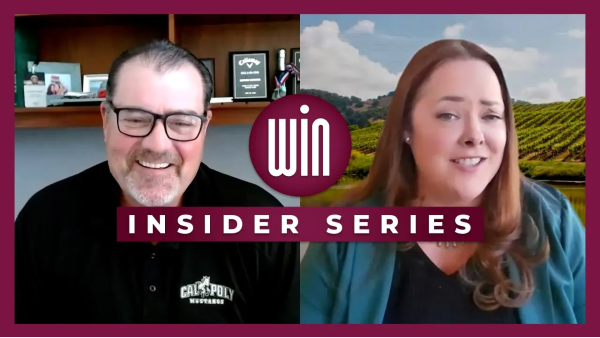
In this episode of the WIN Insider Series, George Christie sits down with Alison Crowe, Vice President of Winemaking and Partner at Plata Wine Partners, to explore her remarkable journey through the wine industry. From her early days growing up in California’s Central Coast to studying viticulture and enology at UC Davis, Alison shares how curiosity, hands-on experience, and a willingness to take risks shaped her career across roles at Chalone Vineyard, Curtis Winery, and Bonny Doon Vineyard. She also reflects on authoring The Winemaker’s Answer Book and how translating complex winemaking concepts into practical insights has been a common thread in her work. Alison offers a candid look at today’s wine landscape, from the collaborative, client-focused model at Plata Wine Partners to the broader challenges facing the industry, including shifting consumer preferences and increased competition. She discusses the importance of making wine more approachable, the need for
00
The weather is shifting, trip-planning season is underway, and tasting room traffic is about to pick up. This is the good news. The bad news? If you're reading this and thinking "we'll get to our spring marketing when spring gets here," you're behind. The tasting rooms that stay full from April through June aren't the ones with the best wine or the prettiest views. They're the ones that showed up in someone's planning process three weeks before the trip happened. People don't stumble into wine country on a whim and wander from door to door the way they did fifteen years ago. They research. They scroll. They book. And if your winery isn't visible and compelling during that research window, you're invisible when it counts. The hotel industry figured this out years ago. Marriott doesn't wait until summer to market beach properties. They start running "book your getaway" campaigns in late winter, because they know the booking win
00
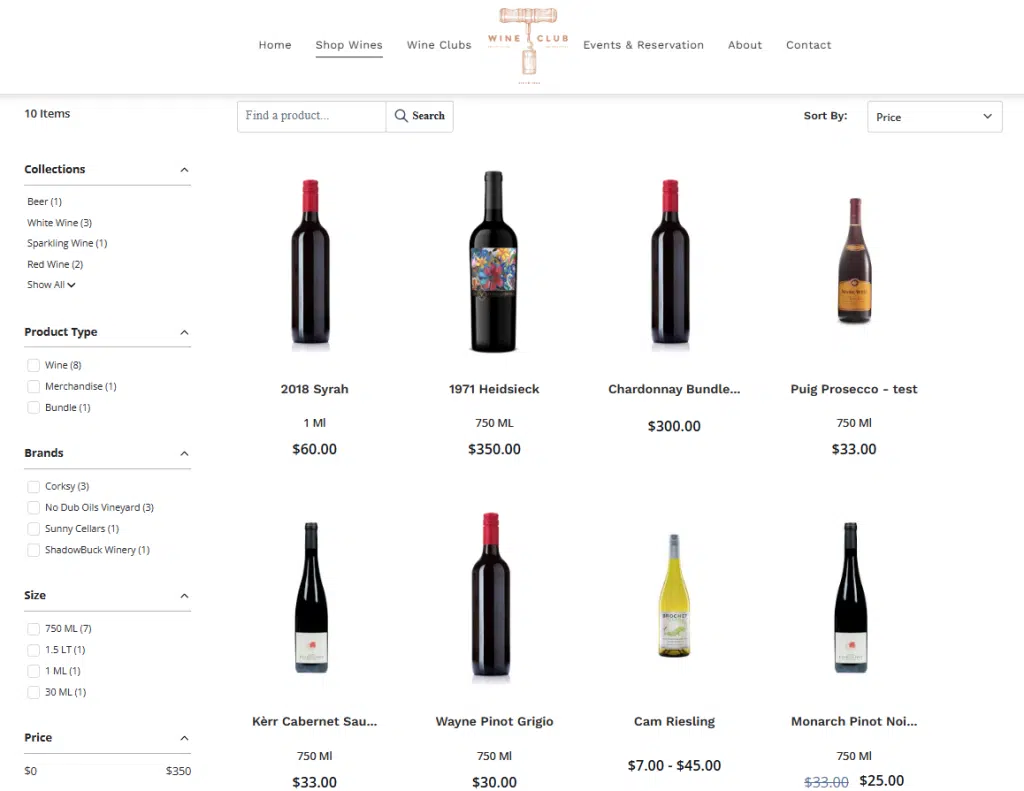
A few years ago at the DTC Wine Symposium, a panelist joked about the modern winery website formula: the guy, the dog, the truck, and the vineyard. Beautiful backdrop, strong lifestyle photography, a thoughtful founder story. Polished, absolutely. Strategically distinct, rarely. The critique wasn’t about branding. It was about structure. Most winery websites aren’t broken, but they aren’t built as decision environments either. Calls to action are unclear, revenue pathways are buried, shipping surprises appear late, and wine club often lives in isolation instead of throughout the buying journey. After auditing winery sites across regions and production sizes, the pattern is consistent: performance is constrained by friction, not effort. Most wineries don’t have a traffic problem. They have a conversion architecture problem. Before increasing ad spend or launching another promotion, run a winery website audit — on your phone. Start at the homepage and move t
00

Ten Ways Wineries Can Evolve From Selling Bottles to Creating Experiences That Resonate With a New Generation. If I told you a winery just opened with no vineyard, no winemaker on staff, and no interest in talking about terroir… would you visit? What if I told you it had a silent disco in the barrel room, a drag brunch series, and a 3-month waitlist for a zero-proof pairing menu? Those wineries exist. And they’re thriving. Because for a new generation of visitors, the wine isn’t the reason—it’s the reward. It’s not about what you pour anymore. It’s about how you make people feel. And we used to excel at this. But then we woke up one day… and it wasn’t working like it used to. The same offers stopped converting. The same messages started falling flat. The same visitors didn’t come back. And it’s not because we got worse at what we do. It’s because the customer changed. What they want. How they behave. Where t
00
February 24, 2026

The word “brand” is notoriously difficult to define in marketing. If we were talking about a ranch brand—the kind seared onto livestock to signify ownership—that’s easy to understand. But in marketing, a brand is not a physical thing. It’s a symbolic construct. It’s not the label on the bottle or the winery’s logo or even the product itself. Rather, it’s the entire perception a consumer holds in their mind about your company, your wine, your people, and everything you collectively represent. A brand is a conceptual identity that differentiates you from your competitors. It can be shaped by your name, your origin story, the design of your label, the personalities involved in your winery, your tasting room experience, your packaging, your email tone, your partnerships, or even how you respond to a customer complaint. All these elements come together to form the intangible yet powerful idea of your brand. It is, quite literally, eve
00
January 9, 2026
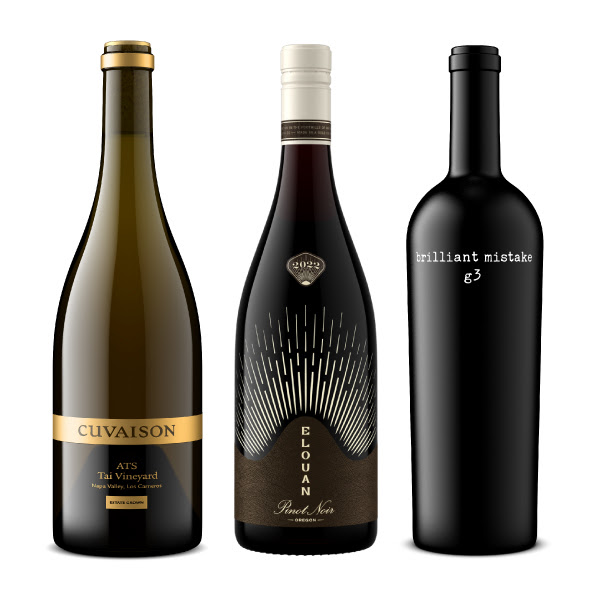
In today’s challenging marketplace, it’s imperative for a winery’s bottles to stand out on a crowded shelf when consumers walk into a store to purchase wine. Regular patrons and wine connoisseurs know where to find their favorite wines, but for those unsure of what wine to buy, the multitude of options can be overwhelming, and the final decision is often influenced by the label. To this end, creative bottle and label design is essential to successfully showcase wines — especially when targeting the younger generation of wine drinkers. Monvera Glass Decoration is a leader in working with wineries and their designers to create eye-catching label solutions using two innovative processes — screen printing directly onto the surface of the bottle and spray coating. The latter process is when the bottle is sprayed with any color in different finishes, including opaque, transparent, translucent and frosted. “We are the alternative to paper labels,” say
00
December 16, 2025
Plata Wine Partners is a premium “vineyard-to-bottle” production house rooted in California’s top coastal AVAs. With more than 20,000 acres of sustainably managed vineyards, Plata provides bulk-wine, private-label, and custom-program solutions for brands of all sizes. Their team brings together expertise in viticulture, winemaking, production, and finance to deliver programs aligned with modern consumer preferences. As the business evolved, Plata recognized that their Winemaker’s Database (WMDB) system lacked the accuracy, speed, and real-time visibility required by a 12+ facility production model. Plata implemented InnoVint in 2024, and the difference after just one harvest was remarkable. The Challenge: A System That Slowed Down the Entire Business Before InnoVint, Plata’s production and finance teams were burdened by manual processes that made everyday work harder and introduced costly risk. Excessive manual data entry. Every two weeks, the
00
November 18, 2025
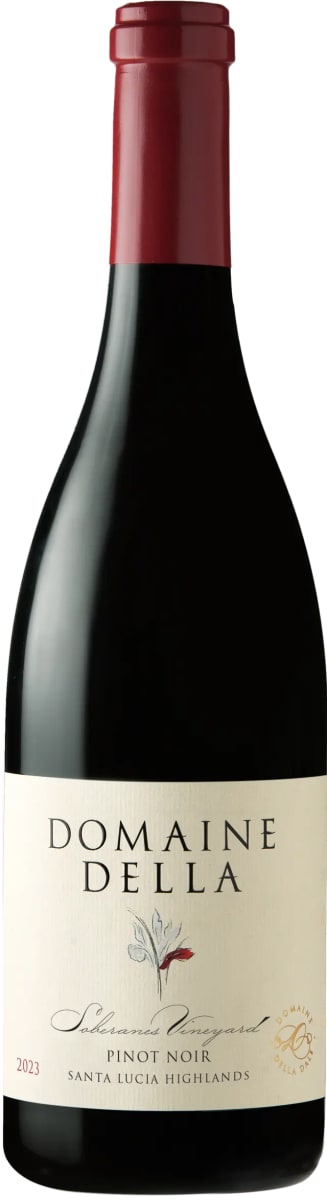
Domaine Della 2023 Soberanes Vineyard Santa Lucia Highlands Pinot Noir Takes Top Prize November 18, 2025 — Winners have been announced in the 2025 Harvest Challenge Wine Competition. After two spirited days of judging, Domaine Della 2023 Soberanes Vineyard Santa Lucia Highlands Pinot Noir took the top prize. It was also awarded Best of Show Red Wine and Best of Monterey County AVA. Coming in at 98 points, judges praised the wine as “warm and spicy” with “fig and nutmeg.” Other descriptors included “meaty,” “prosciutto,” and “dried rose petal.” With entries from across the globe, the Harvest Challenge bases judging on a group of vineyards (or even vines) from the same region, belonging to a specific appellation and sharing the same type of soil, weather conditions and grapes that combine to give personality to the wine. In other competitions, this terroir is ignored. At the Harvest Challen
00
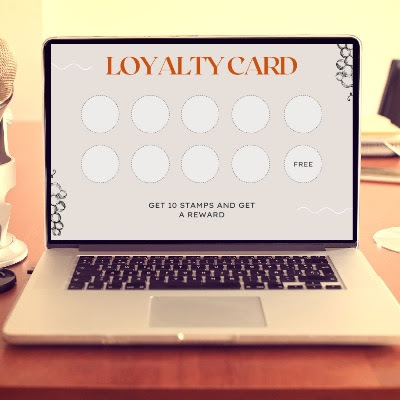
For years, discounting has been the default lever wineries pull to spark sales and reward loyal customers. But in today’s crowded marketplace, deep discounts can erode brand value and condition customers to buy only when the price drops. There’s a better way: loyalty points programs. Retention, without discounting, comes from making customers feel known, valued, and part of something special. They’ll stay not because it’s cheaper, but because it’s theirs. Instead of discounting away margin, wineries can encourage repeat visits and purchases by offering rewards that feel aspirational, personalized, and memorable. Loyalty points add up over time, giving guests a reason to come back again and again, all the while protecting your brand’s premium image. 10 Reasons Why Loyalty Points Work Shift from price to experience. Points reward frequency and engagement, not bargain hunting. The program should reinforce experience, access, and emotional loyalty, not
00