
Filter Post Type
NewsVideoProductEventLink
Sort:
Most Recent
1–10 of 95
.png)
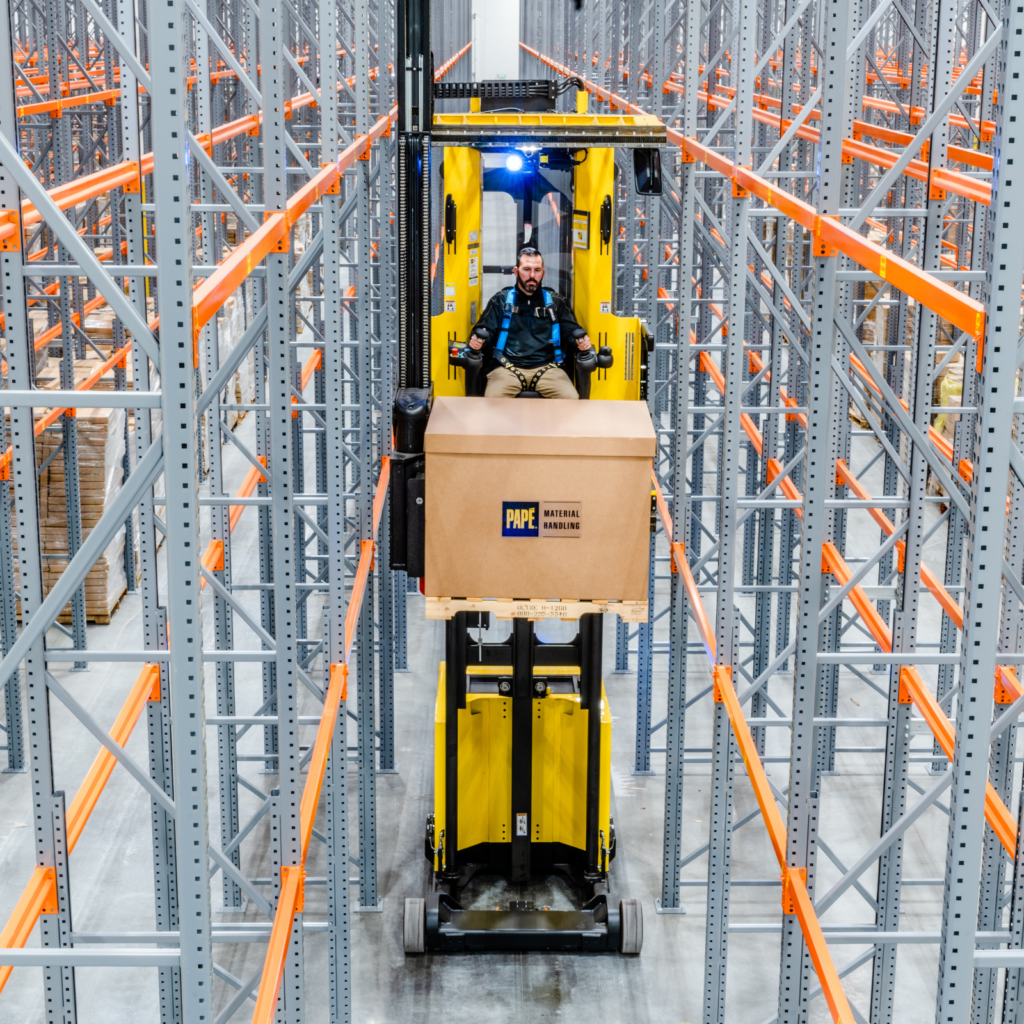
As inventory grows and SKU counts increase, many warehouses feel pressure before they run out of space. The real challenge often shows up in the aisles, at the rack, and around staging areas where congestion slows operations. The right narrow aisle solution can increase storage density, enhance maneuverability, and keep goods moving smoothly. Instead of expanding your footprint, many facilities can unlock capacity by rethinking equipment, racking, and traffic flow. At Papé Material Handling, this broader approach connects layout planning, operator-focused technology, lift trucks, racking, automation, and fleet management to keep warehouse operations running efficiently and safely. Safety and Productivity Go Hand in Hand With tighter spaces, control, visibility, training, and maintenance become even more important. In a narrow aisle environment, small inefficiencies can quickly lead to product damage or increase the risk of injury. That’s why productivity and safety need t
00

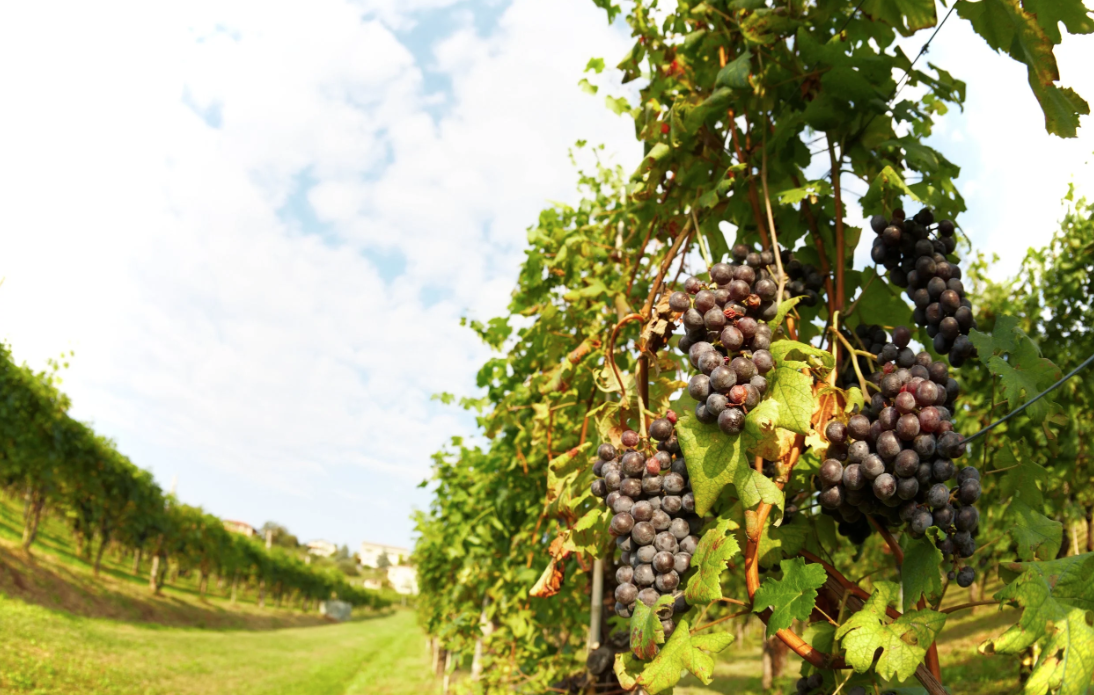
The weather is shifting, trip-planning season is underway, and tasting room traffic is about to pick up. This is the good news. The bad news? If you're reading this and thinking "we'll get to our spring marketing when spring gets here," you're behind. The tasting rooms that stay full from April through June aren't the ones with the best wine or the prettiest views. They're the ones that showed up in someone's planning process three weeks before the trip happened. People don't stumble into wine country on a whim and wander from door to door the way they did fifteen years ago. They research. They scroll. They book. And if your winery isn't visible and compelling during that research window, you're invisible when it counts. The hotel industry figured this out years ago. Marriott doesn't wait until summer to market beach properties. They start running "book your getaway" campaigns in late winter, because they know the booking win
00
Why Wineries Need Influencer Marketing Now Here's a number that should reshape how you think about marketing: 69% of consumers trust influencer recommendations more than information coming directly from a brand That's not a slight edge. That's a fundamental shift in how people decide what to buy. For wineries, this matters more than it does for most industries. Wine is a considered purchase wrapped in uncertainty. Your potential customer is standing in a tasting room or scrolling through an online store, wondering: Will I like this? Is it worth the price? Am I making the right choice? Influencer content answers those questions in ways traditional marketing cannot. When a trusted voice says "I tried this Pinot and it's incredible with grilled salmon," that carries weight. It's a peer recommendation disguised as content. Instagram and TikTok now drive wine discovery among younger audiences, and 87% of Gen Z consumers say they're willing to buy products
00

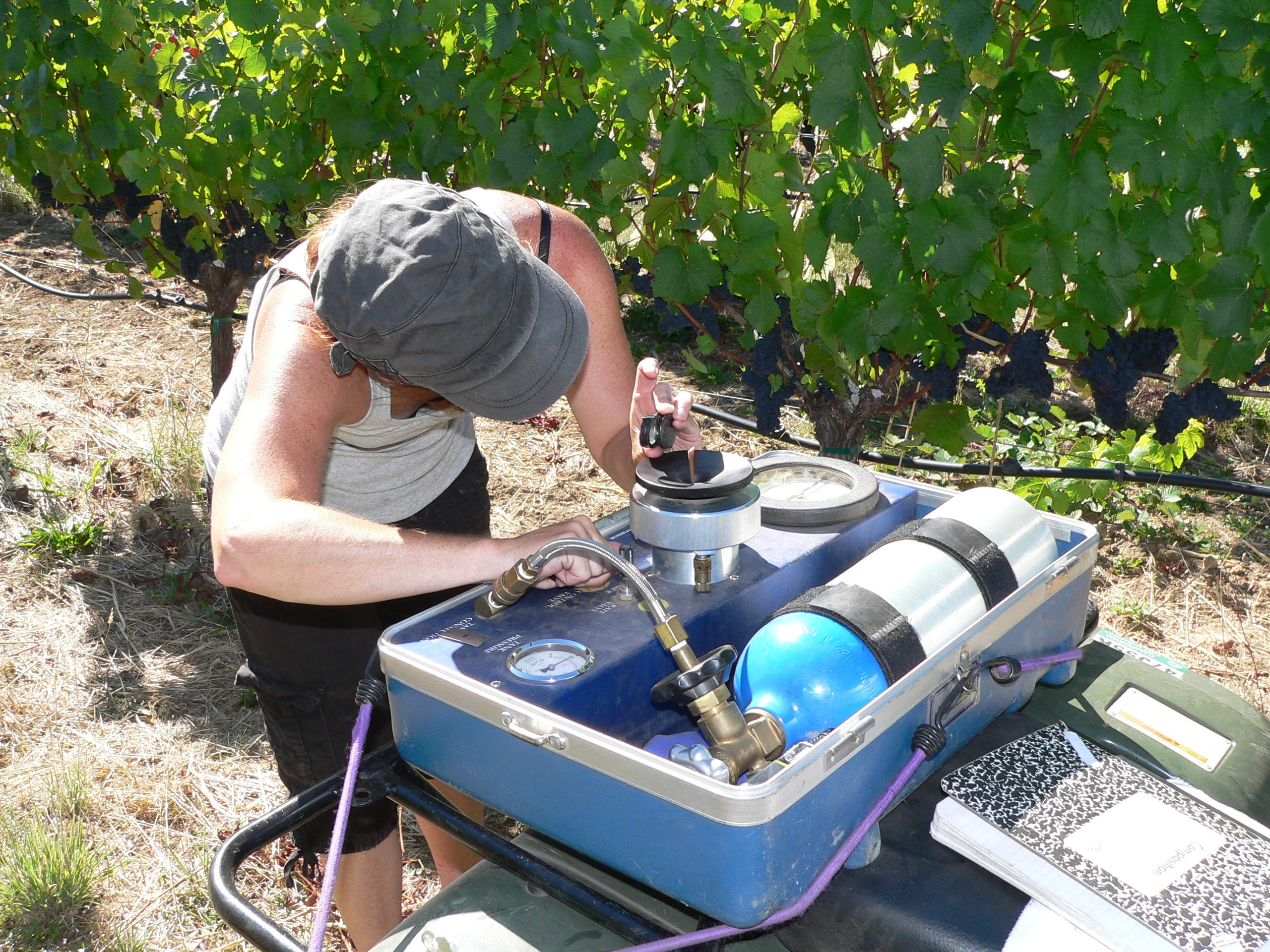
Two years ago, I wrote an article on AI in the vineyard for WBM. Feel free to read that article here…if you want. Otherwise, my basic argument was that although AI will eventually play a role in how we farm grapes, it’s a long way off compared to other industries and even other crops. We who grow grapes are the last ones to see such innovation. And since then, AI has grown exponentially. If two years ago you were playing around with Chat GPT to create bizarrely distorted images and learn about tax loopholes, you can now go onto the likes of Claude and have it just create a website for you from a single prompt. Chatbots like this have essentially eliminated the need for entry-level coders. However Claude is a computer, so it makes sense that it’s gotten very good at writing code for other computers. Similarly Chat GPT has digested the entire internet, and curates any answer for you by plucking it from its vast network of information. Sometimes its correct, and other t
00

March 11, 2026

eCELLAR's The Pulse: Making the Most of the Tasting Room Visit with Liz Mercer Date: April 22, 2026 Time: 10:00 AM to 11:00 AM PT Registration: https://us06web.zoom.us/webinar/register/WN_D2JERMtnSdWzc0gkAaas4Q In the first session of this two part series, Beyond the Tasting Room, we explored how wineries are generating revenue beyond the tasting room and adapting to evolving consumer behavior. In Part Two, Making the Most of the Tasting Room Visit, we bring the focus back to where many of the industry’s most important customer relationships begin. We welcome back Liz Mercer, Partner at WISE, for a practical conversation on how wineries can maximize the impact of every tasting room visit. Drawing on industry data and her experience working closely with wineries, Liz will share what today’s top performing tasting rooms are doing differently. From creating more meaningful guest interactions to improving conversion, retention, and long term customer relationshi
11

For decades, cylindrical tanks have dominated winery cellars. But as producers look for smarter ways to maximize space, control costs, and improve wine quality, alternative tank designs are entering the conversation. Square tanks are emerging as a compelling solution — offering measurable gains in efficiency, sustainability, and production capacity without requiring expansion of existing facilities. Rapid Return on Investment La Garde Inox tanks stand out for their ability to generate a return on investment in record time, often in less than a year and a half. Their optimized design allows for an increase in bottle production of up to 83% compared to round tanks, thus offering an opportunity to maximize the profitability of each liter of wine produced. By reducing operating costs, whether in terms of maintenance, energy management, or human resources, these tanks become an essential financial asset for winemakers seeking to improve their cash flow and maximize their short-term p
00
We’re not debating calories or whether that charcuterie board counts as an appetizer or dinner. We're talking about the IRS tightening the rules for deductible meals. Starting January 1, 2026, some winery meals that have historically been deductible will become completely nondeductible. Same harvest crew. Same pizza. Different tax result. Here is what changes and what does not. 1. Harvest Meals on Winery Premises Zero Deduction Beginning in 2026 If you provide meals at the winery so employees can keep working, those meals will no longer be deductible starting in 2026. That includes: Crush pad dinners Bottling day lunches Late night production meals served on site For years these were deductible. Beginning in 2026, they are not. If harvest meals are a routine part of your operations, this is worth budgeting for now. 2. Occasional Overtime Meal Reimbursements Possibly Still 50 Percent Deductible If an employee unexpectedly works late and you reimburse them for dinner, tha
00
February 11, 2026

Most wineries don’t have a promotion volume problem. They have a promotion design problem. When you look closely at wineries delivering strong margins alongside steady consumer sales growth, patterns start to appear. Not because those promotions are trendy or copied from competitors, but because they are intentionally designed to drive revenue while protecting long-term customer behavior and brand value. Modern promotion strategy is not about running more campaigns. It is about structuring incentives that influence how, when, and why customers buy. Across the strongest performing wineries, promotions are increasingly treated as part of the revenue model rather than just part of the marketing calendar. They shape demand, influence order composition, and support long-term customer value. Why Promotion Strategy Is Really Revenue Strategy Promotions are no longer just marketing tactics. They are one of the most controllable levers inside a winery’s DTC P&L. For most wineri
10
February 3, 2026
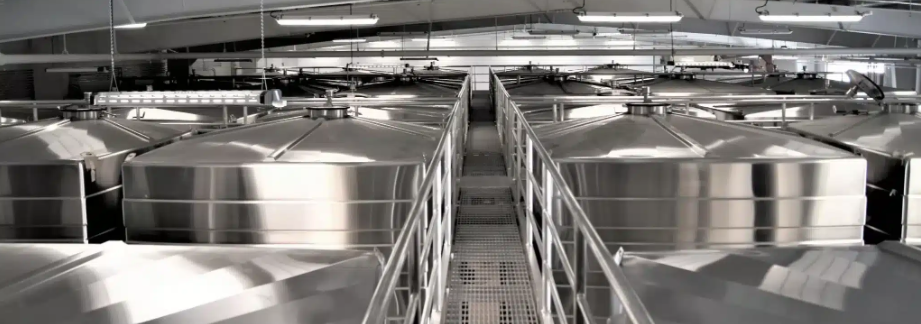
The Unified Wine & Grape Symposium is where the North American wine industry comes together to shape what’s next. As a manufacturer of high-end stainless steel tanks, La Garde Inox showcased its latest innovations in Sacramento. Our presence at major trade shows reflects a simple idea: being close to winemakers is essential to designing better cellars. Unified Wine & Grape Symposium: Where the Industry Looks Ahead Once again, Sacramento hosted one of the most anticipated events in the North American wine industry. The Unified Wine & Grape Symposium 2026 brought together decision-makers, winemakers, and equipment suppliers who are actively shaping the future of wine production. We believe innovation in stainless steel tanks cannot be decided from a catalog alone. High-end equipment needs to be seen, touched, measured, and discussed in person. That’s exactly what we offered in Sacramento. Stainless Steel Expertise, Built for Real Cellars Our stainless steel tan
00

The Actionable Version (Yes, Another One — But Hear Us Out) It wouldn’t be the end of the year in beverage alcohol without a million prediction articles telling you what might happen next. You’ve probably already read a few that say consumers will drink less, premiumize more, and still somehow want everything new, nostalgic, global, and convenient at the same time. All of that may be true — but this isn’t another “interesting but abstract” trends piece. This one is about what’s actionable right now for: Makers who need flexible, reliable distribution, and Buyers who want to keep their sets fresh, differentiated, and relevant in 2026 Here’s what we see coming — and how to actually do something about it. 1. Volume Isn’t Growing — but Opportunity Is Getting More Targeted Overall volume across many beverage alcohol categories remains flat or slightly down. At the same time, Buyers are still actively looking for n
00