
Filter Post Type
NewsVideoProductEventLink
Sort:
Most Recent
1–10 of 35

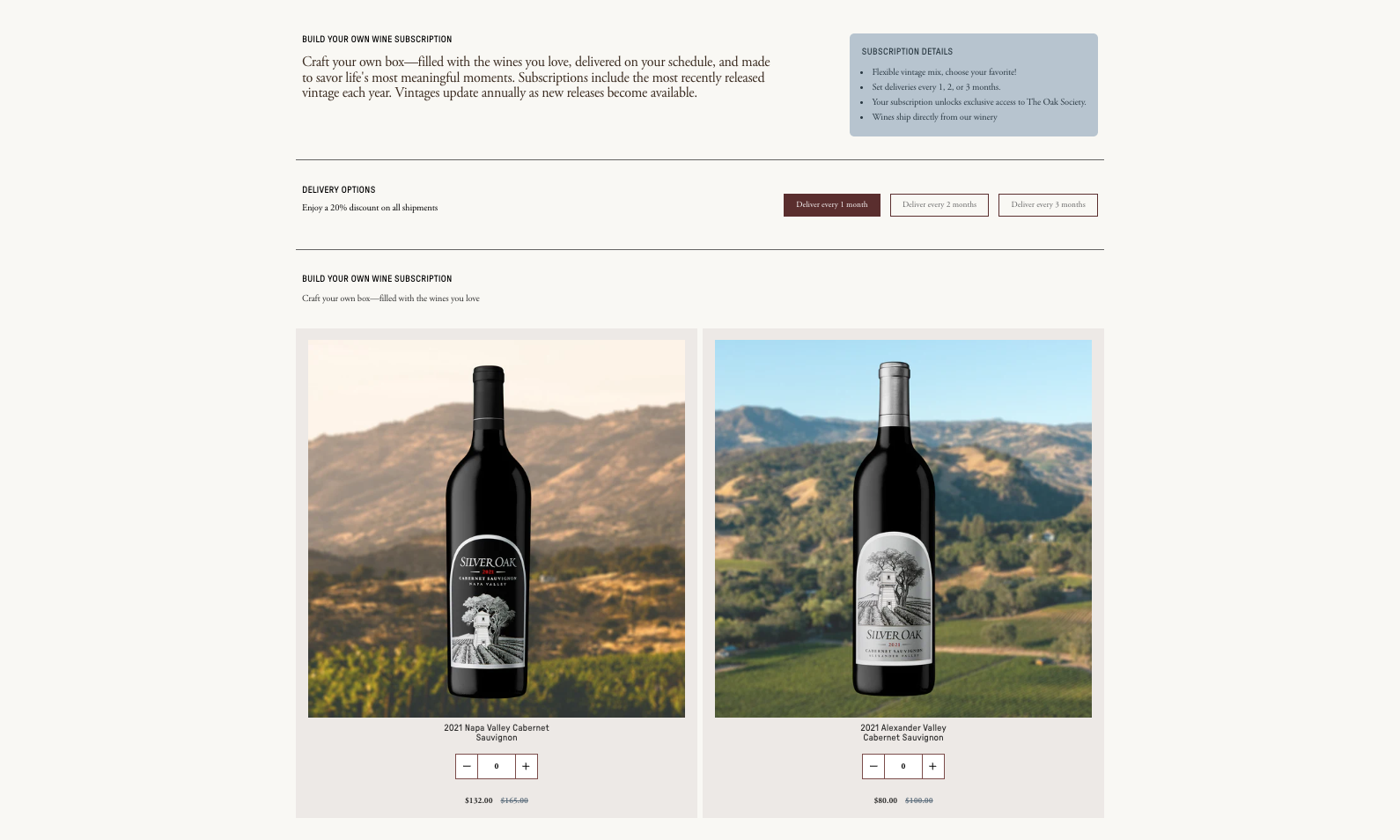
Five years ago, running a winery on Shopify meant duct-taping a lot of things together. Great for e-commerce. Okay for DTC. Difficult for wine clubs. Not really designed for tasting rooms. That's changed. The combination of Shopify's platform investments and a handful of wine-specific apps has created something genuinely new: a single operational stack that connects your tasting room, your wine club, your online store, and your loyalty program under one customer record. That convergence has real operational consequences — and it's why an increasing number of wineries are consolidating everything onto Shopify. Here's what's actually different. Your Card on File, Finally Done Right One very frustrating limitation of running a winery business on Shopify used to be simple: Shopify didn't let you vault a customer's payment card and charge it later for anything other than a subscription — not from your POS or your back office or sales team for one-tim
00
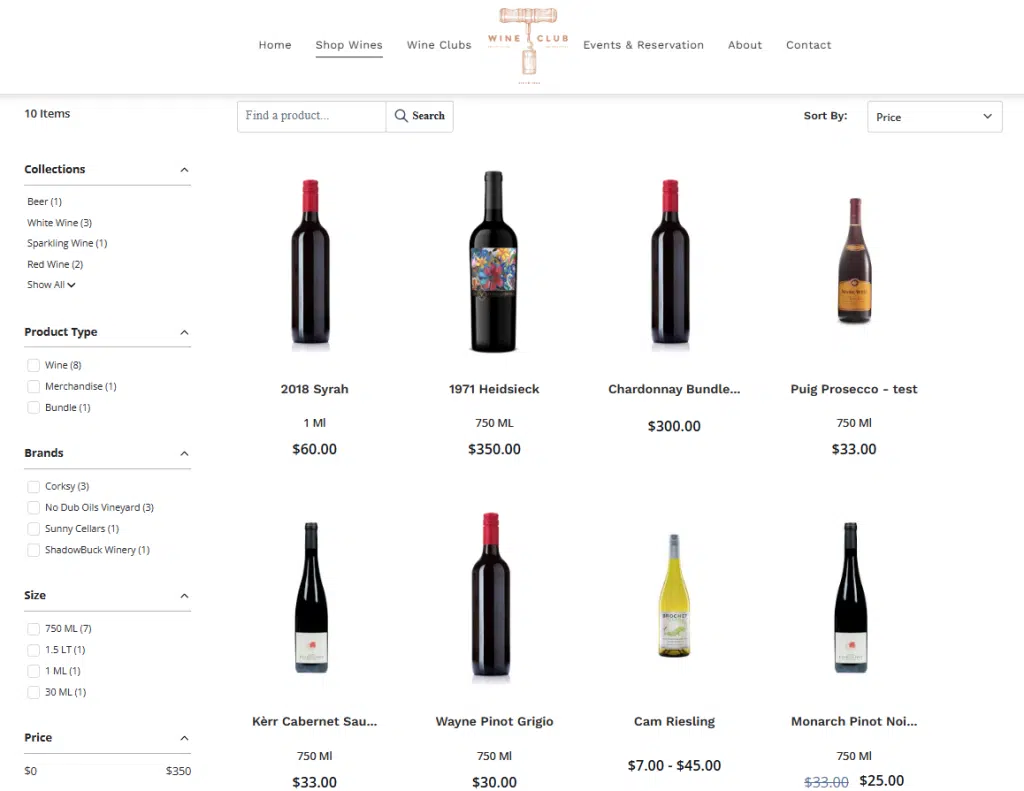
A few years ago at the DTC Wine Symposium, a panelist joked about the modern winery website formula: the guy, the dog, the truck, and the vineyard. Beautiful backdrop, strong lifestyle photography, a thoughtful founder story. Polished, absolutely. Strategically distinct, rarely. The critique wasn’t about branding. It was about structure. Most winery websites aren’t broken, but they aren’t built as decision environments either. Calls to action are unclear, revenue pathways are buried, shipping surprises appear late, and wine club often lives in isolation instead of throughout the buying journey. After auditing winery sites across regions and production sizes, the pattern is consistent: performance is constrained by friction, not effort. Most wineries don’t have a traffic problem. They have a conversion architecture problem. Before increasing ad spend or launching another promotion, run a winery website audit — on your phone. Start at the homepage and move t
00

March 10, 2026

Online gifting is one of the fastest-growing ecommerce categories, and wine is right at the top. The truth is, the brands winning in this space aren't just riding the trend. They're building dedicated gifting infrastructure to squeeze every last drop from tis big opportunity. Wineries and beverage brands that invest in purpose-built gifting tools like Zest typically see significant gift sale growth in their very first holiday season. And those that scale over multiple years are seeing 30–75% year-over-year growth through channels like concierge gifting and self-service corporate gifting. Clif Family Winery is one brand that made the shift (and hasn't looked back). "Gifting orders were pretty much always high-touch and handled over the course of several calls and emails. Now, we can sell gifts while we sleep, which we see happen all the time!" — Katie Taylor, Gifting & Subscriptions Sales Manager, Clif Family Winery Curious why wine keeps sh
00

In our most recent Free Training Friday, we focused on one thing: helping wineries convert holiday browsers into buyers. With peak shopping season approaching, this session was all about small, actionable tweaks you can make right now to ensure your site is ready when customers start searching for gifts. 1. Make Holiday Intent Obvious When shoppers land on your homepage, they're looking for one thing: the confidence that you can help them find (and ship) the perfect gift on time. That's why it's so important to give them clear visual and navigational cues that say, "Yes, we've got you covered." That doesn't mean covering your site in red and green. Instead, aim for subtle seasonal touches that align with your brand, like warm seasonal messaging, photography, or gift-centric cues. Two Key Updates to Add Now: Shipping Timelines: Clearly state cutoff dates ("Order by Dec 18 for delivery by Dec 24"). Corporate Gifting Entry: Include an entry po
00
October 7, 2025

Your Current Marketing Won't Work for Younger Wine Drinkers The generational shift in wine consumption is happening faster than most wineries are prepared to handle. According to Wine Intelligence's US Wine Consumer Trends 2025 report, millennials will surpass baby boomers as the largest wine-consuming demographic by value this year. Meanwhile, the oldest members of Gen Z (born 1997-2012) are now turning 28 and developing their own distinctive wine preferences. The problem? Most wineries continue marketing as if their primary audience is still over 55. The messaging, channels, and tactics that worked for boomers actively repel younger buyers. Let's examine what actually works when marketing to these crucial demographics. What Younger Wine Consumers Actually Want Millennial Wine Drinkers (Ages 29-44) Millennials approach wine fundamentally differently than their parents: What They Value: Transparency about production methods and ingredients Sustainable and ethical busines
00

Gifters! Let’s talk about this segment of your DTC database, who purchase wine as gifts for others — including family, friends, co-workers, colleagues and clients. Gifters “gift” year-round, but we’re heading into the heaviest (holiday) season of all for this particular kind of wine DTC behavior. On average, between 10 and 15% of all November wine DTC orders, and between 20% and 25% of all December wine DTC orders, are GIFTS? Which means that October-November-December is an ideal time to focus on gifters, and finish your year strong. Some of you are ahead of the curve, and factor your outreach to gifters into your annual marketing plan. That’s awesome. If you’re new to thinking about your winery’s gifters, or even if you’d like to polish the program a bit, let me share a few tips that we hope will help. Identify high-value corporate gifters in your own database. Narrow your database to those customers who have placed a high volume
00
August 19, 2025
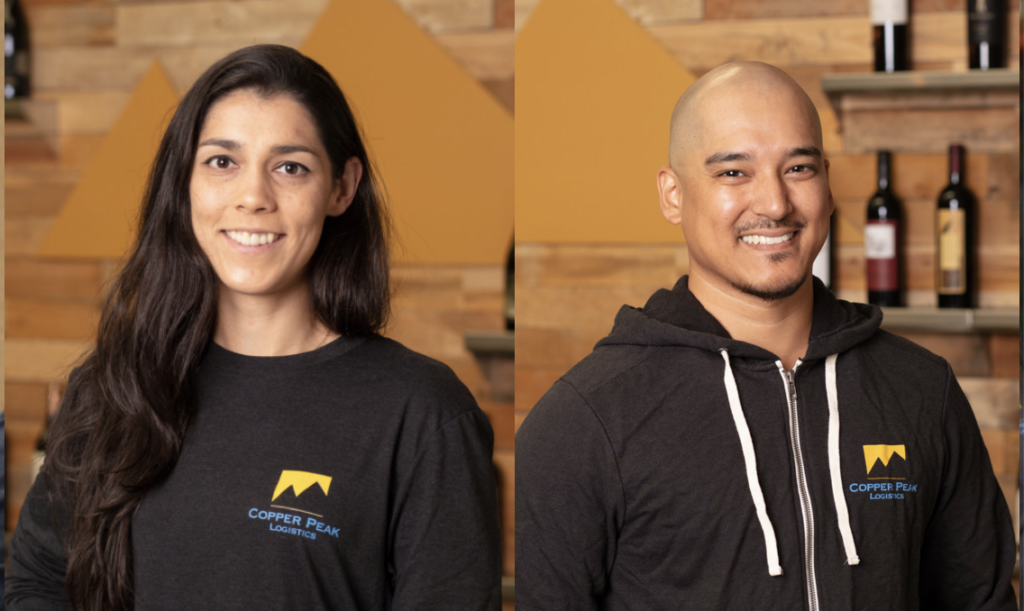
By the Copper Peak TeamThe OND (holiday) season is fast approaching, and now is the time to lay the groundwork for a smooth, successful holiday shipping experience. At Copper Peak Logistics, our shipping experts have shared their top strategies to help wineries and DTC brands get ahead—before the rush begins. Amanda Castorena and Mike Galvan have pulled together some tips and a checklist to help you stay on track! 1. Finalize Gifting and Kitting Plans Early Corporate gifting and seasonal kits are high-impact, but they require extra components like branded packaging, glassware, and printed collateral. Ordering these items now ensures you won’t face delays later when demand spikes. 2. Lock in Your Shipping Calendar Submit club setup forms and finalize ship dates for the rest of the year. Mondays are already filling up, and blackout dates are creeping in. Build in extra transit time to account for seasonal delays and avoid last-minute surprises. 3. Refresh Your Marketing Mater
00
9 proven strategies to maximize Your October, November, December revenue October, November, and December (OND) are the biggest sales months of the year for your business, and if done right, not just for short-term gains. This is your prime window to capture new customers, increase average order value, and build relationships that carry into the new year. For many beverage alcohol businesses, OND can represent 30–40% of annual sales. The reason? Peak holiday spending meets perfect timing, gatherings, corporate gifting, and a growing preference for wine purchases create a massive opportunity. The businesses that win the season don’t just survive the rush, they plan ahead, market smart, and execute flawlessly. 1. Start early and build holiday momentum While many of the sales will take place in OND, August and September are nearly the most important months as this is when your planning and preparations take place. Suggested timeline: August:
00
July 9, 2025

Everywhere you look right now—Hallmark Channel, Netflix, social media—it’s Christmas in July. And while most people are watching cozy movies and pretending it’s snowing outside, here’s a better question for wineries: Are you ready for your holiday season? October, November, and December (OND) are your biggest sales months of the year. Holiday winery marketing doesn’t start in October—it starts now. They’re sprinting through Q3—right now—while everyone else is still daydreaming about hot cocoa and watching Christmas movies… you’ve got rosé in your glass and wine bundles to plan. 1. Clean Up Your Data — Because Bad Data Costs You Money This isn’t just about removing bounced emails. Bad data quietly drains OND revenue by blocking you from segmenting, targeting, or even reaching your customers. Your Move: Export your full email list (now, not later). Use ChatGPT to help spot typos like gmaii.com in
00

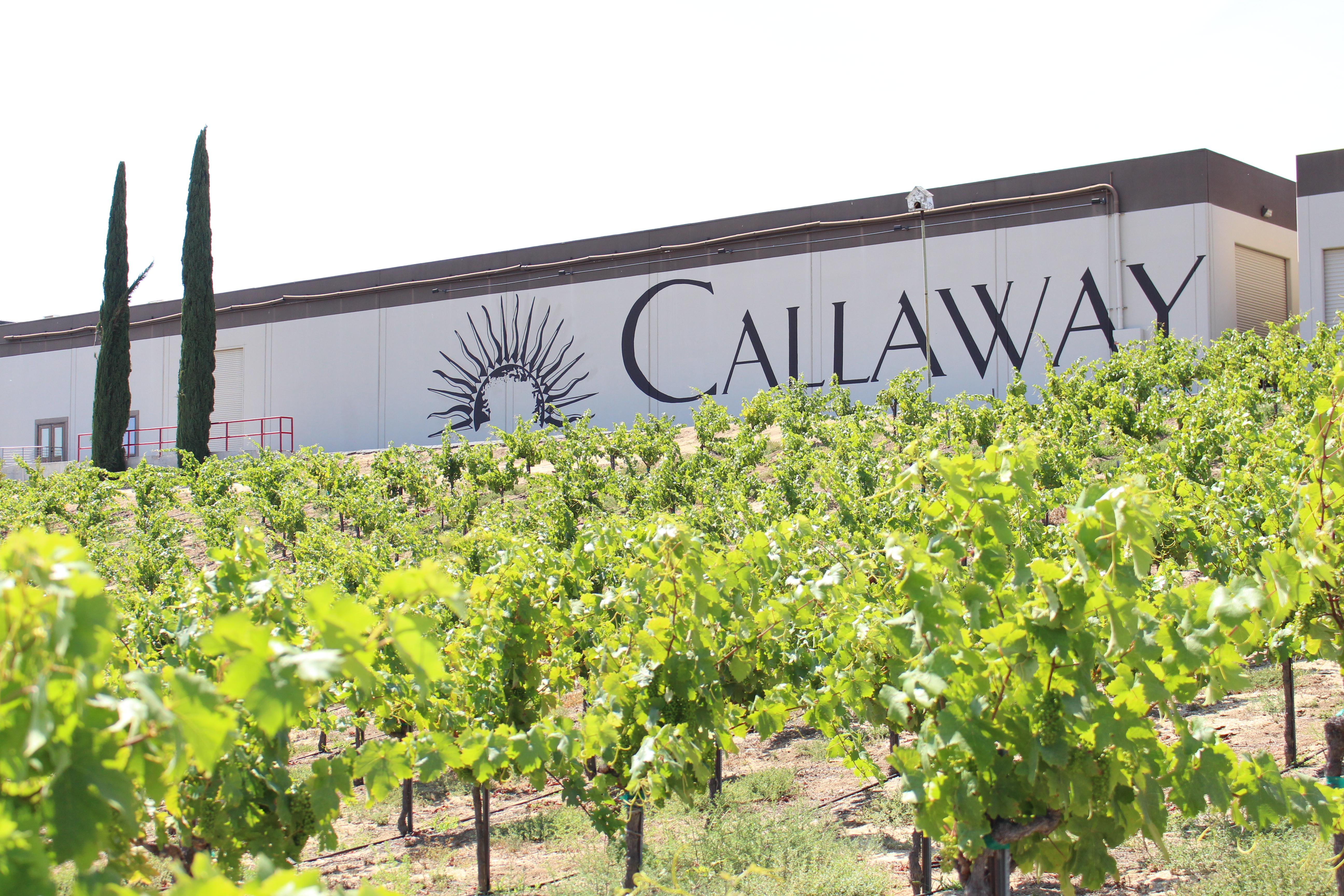
Founded in 1974 as the first winery in Southern California’s Temecula Valley, Callaway Vineyard & Winery has long stood as a symbol of innovation and heritage in the region. Originally launched by Eli Callaway—who famously went on to start Callaway Golf—the winery has passed through corporate ownership and scaled to a peak of 750,000 cases. Today, the future is rooted in the past. Now family-owned by the Lin family, Callaway is embracing a premium, estate-only approach under the leadership of acclaimed winemaker Giovanni Verdejo. A native of Mexico City, Gio spent over two decades in Napa Valley crafting 90+ point wines for Foley Family Wines. Now, at Callaway, he leads a 10,000-case DTC-focused production that reflects both craft and character, with wines sold exclusively through their wine club and tasting room (named Newsweek Readers' Choice Best in the Nation, 2024). To match this elevated vision, Gio and the Callaway team knew
00