
Filter Post Type
NewsVideoProductEventLink
Sort:
Most Recent
1–10 of 53
May 6, 2026
FOR IMMEDIATE RELEASE Corksy and Enolytics Launch Integration to Help Wineries Turn Data Into Smarter Growth Decisions Connecting winery commerce and customer data with powerful analytics across DTC, wine club, and inventory performance Irvine, CA (May 6, 2026) — Corksy, the modern direct-to-consumer (DTC) platform for wineries, today announced its integration with Enolytics is now live for all mutual customers. The integration connects Corksy’s commerce and customer data directly into Enolytics’ analytics platform, giving wineries a clearer, faster way to understand performance and make more informed decisions. As wineries continue to invest in DTC, the challenge isn’t access to data—it’s making sense of it. This integration brings together day-to-day operational data from Corksy with Enolytics’ industry-leading data analytics, helping teams move from reports to real insights without added complexity. “At Enolytics, our goal has always been to help wineries turn data into decisions,”
00
May 6, 2026
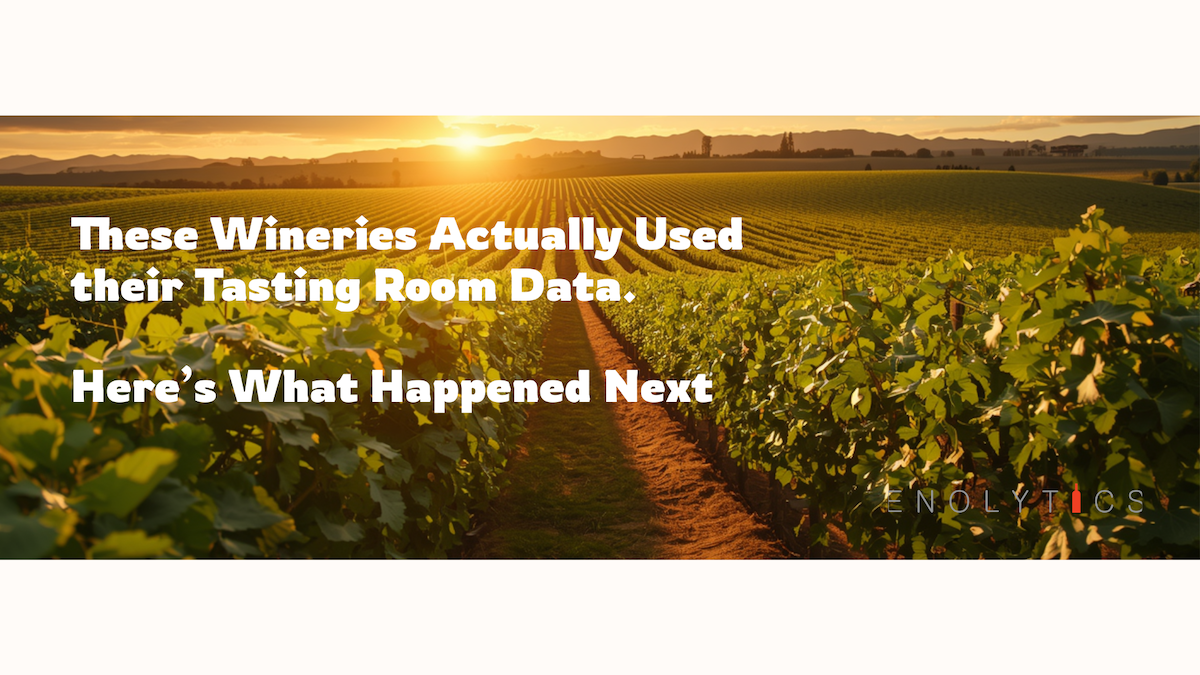
Let's jump right in. Here are the Top Takeaways from Last Week’s Tasting Room Data Webinar: Your winery’s WISE Triple Score is ready right now within Enolytics. Even if you aren't already a WISE customer, you benefit from this opportunity. +10% revenue, 27 fewer open days. Big Cork Vineyards eliminated Thursdays and Mondays from their schedule this year — 27 open days gone — and still came in over 10% above last year’s revenue. How? Keep reading to see! 87% improvement in guest account usage. Domaine Drouhin Oregon launched the RedChirp guest check-in QR code on April 10th. By April 27th — just 17 days later — guest account usage had improved by 87% across nearly all associates. 25% of expected crop, 100% of the planning challenge. Big Cork normally brings in 200 tons from their Maryland estate. This year’s frost dropped that to roughly 60 tons — forcing an immediate pivot in distribution strategy, wine club fulfillment, and inventory allocation. We just wrapped one of our most ene
00
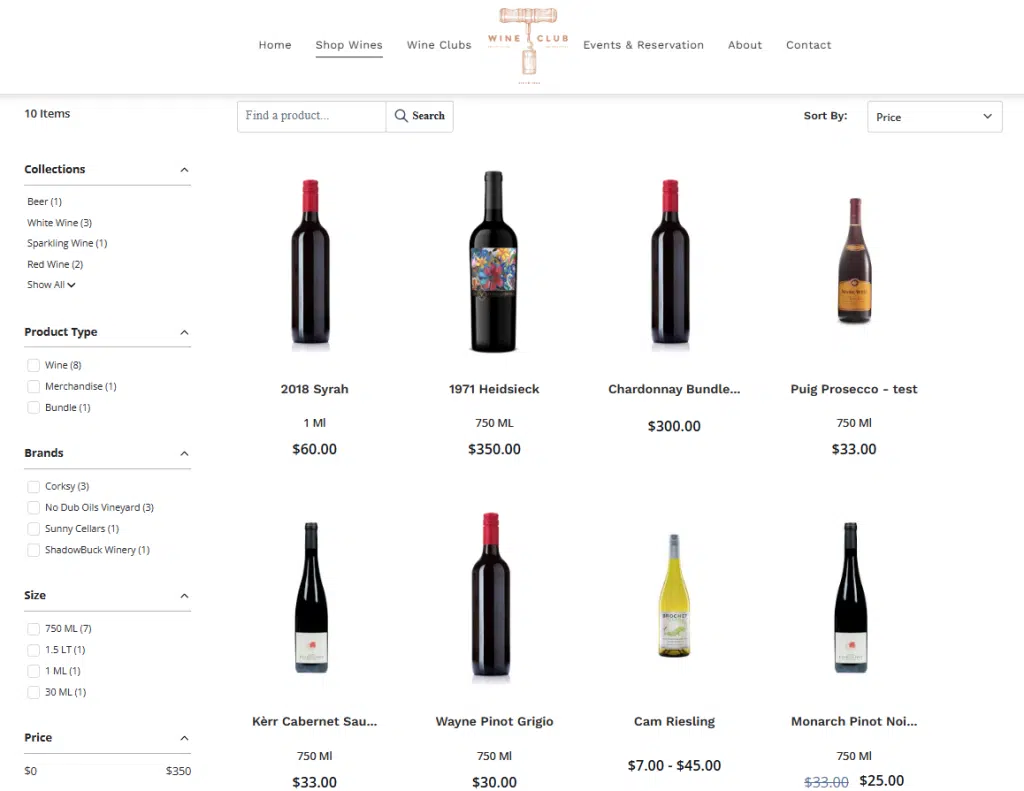
A few years ago at the DTC Wine Symposium, a panelist joked about the modern winery website formula: the guy, the dog, the truck, and the vineyard. Beautiful backdrop, strong lifestyle photography, a thoughtful founder story. Polished, absolutely. Strategically distinct, rarely. The critique wasn’t about branding. It was about structure. Most winery websites aren’t broken, but they aren’t built as decision environments either. Calls to action are unclear, revenue pathways are buried, shipping surprises appear late, and wine club often lives in isolation instead of throughout the buying journey. After auditing winery sites across regions and production sizes, the pattern is consistent: performance is constrained by friction, not effort. Most wineries don’t have a traffic problem. They have a conversion architecture problem. Before increasing ad spend or launching another promotion, run a winery website audit — on your phone. Start at the homepage and move t
00
February 11, 2026
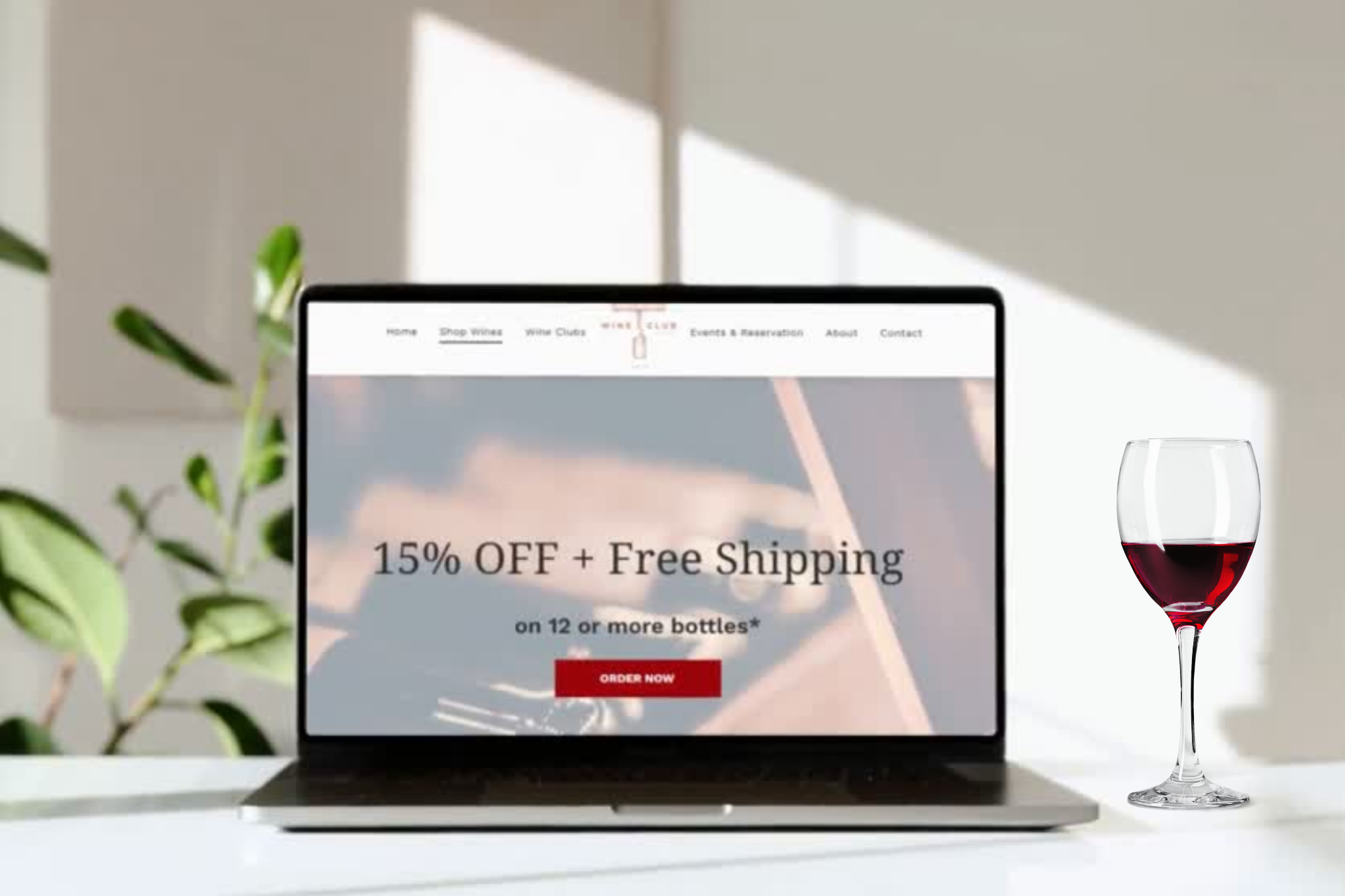
Most wineries don’t have a promotion volume problem. They have a promotion design problem. When you look closely at wineries delivering strong margins alongside steady consumer sales growth, patterns start to appear. Not because those promotions are trendy or copied from competitors, but because they are intentionally designed to drive revenue while protecting long-term customer behavior and brand value. Modern promotion strategy is not about running more campaigns. It is about structuring incentives that influence how, when, and why customers buy. Across the strongest performing wineries, promotions are increasingly treated as part of the revenue model rather than just part of the marketing calendar. They shape demand, influence order composition, and support long-term customer value. Why Promotion Strategy Is Really Revenue Strategy Promotions are no longer just marketing tactics. They are one of the most controllable levers inside a winery’s DTC P&L. For most wineri
10
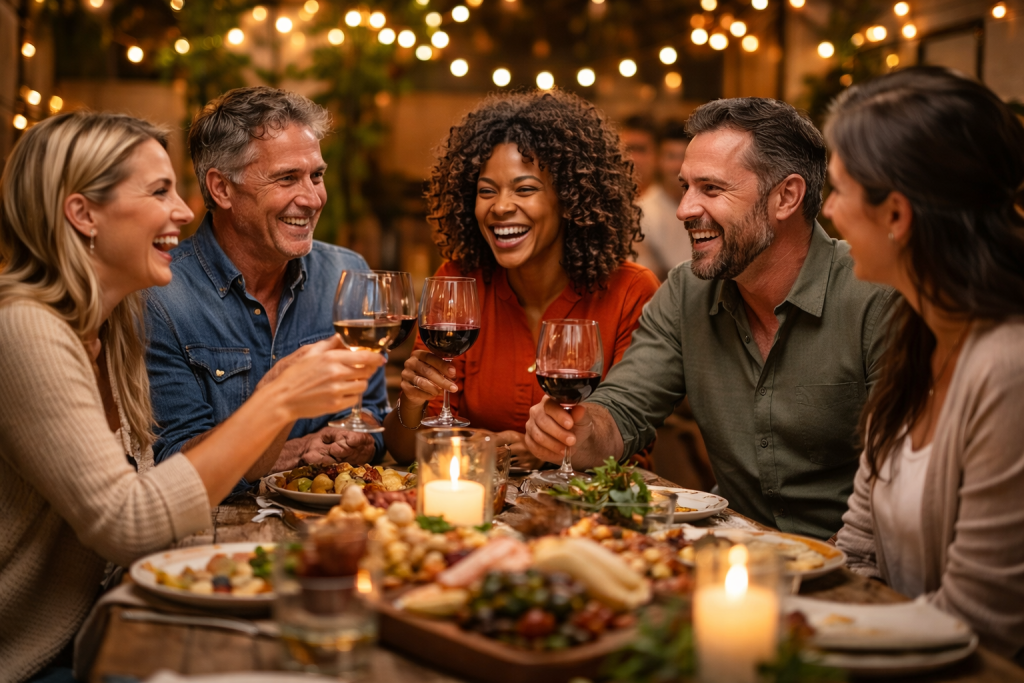
The wine club isn’t dying. It’s being rewritten. Wine clubs in 2026 still matter, but the way wineries build and grow them has fundamentally changed. What has changed is the lifestyle of the people in them. In 2026, the strongest force shaping wine club behavior is the Millennial generation — not because they are the only wine buyers, but because the way they live, spend, and subscribe has become the default expectation for everyone else. They are running households, hosting friends, raising families, managing busy schedules, and making more intentional purchasing decisions than any generation before them. That reality is quietly transforming what a wine club needs to be. Why lifestyle now matters more than allocations Wine clubs used to compete on bottles: how many, how rare, how discounted. That’s not how people experience wine anymore. Most members don’t think in terms of allocations or case sizes. They think in terms of how wine fits into their lives &
00
Cyber Week Winery Marketing: Planning Smarter, Selling Stronger Cyber Week is almost here, and consumers are primed to buy. For wineries, it’s not just a chance to move inventory — it’s a chance to win new fans, reward loyal members, and end the year strong. The goal isn’t simply to discount — it’s to strategically position value, create urgency, and make buying feel effortless. Whether you’re a small family-run tasting room or a multi-location brand, these proven strategies will help you get the most out of the week. 1. Build Anticipation Before the Week Begins Cyber Week success starts long before Friday. The wineries that win start warming up their audience early — building curiosity, boosting email sign-ups, and reminding people why they love their brand. Ideas to get the buzz going: Add a countdown banner or homepage teaser with “Our biggest offer of the year starts soon.” Send a “save the date” email to your
00
October 22, 2025
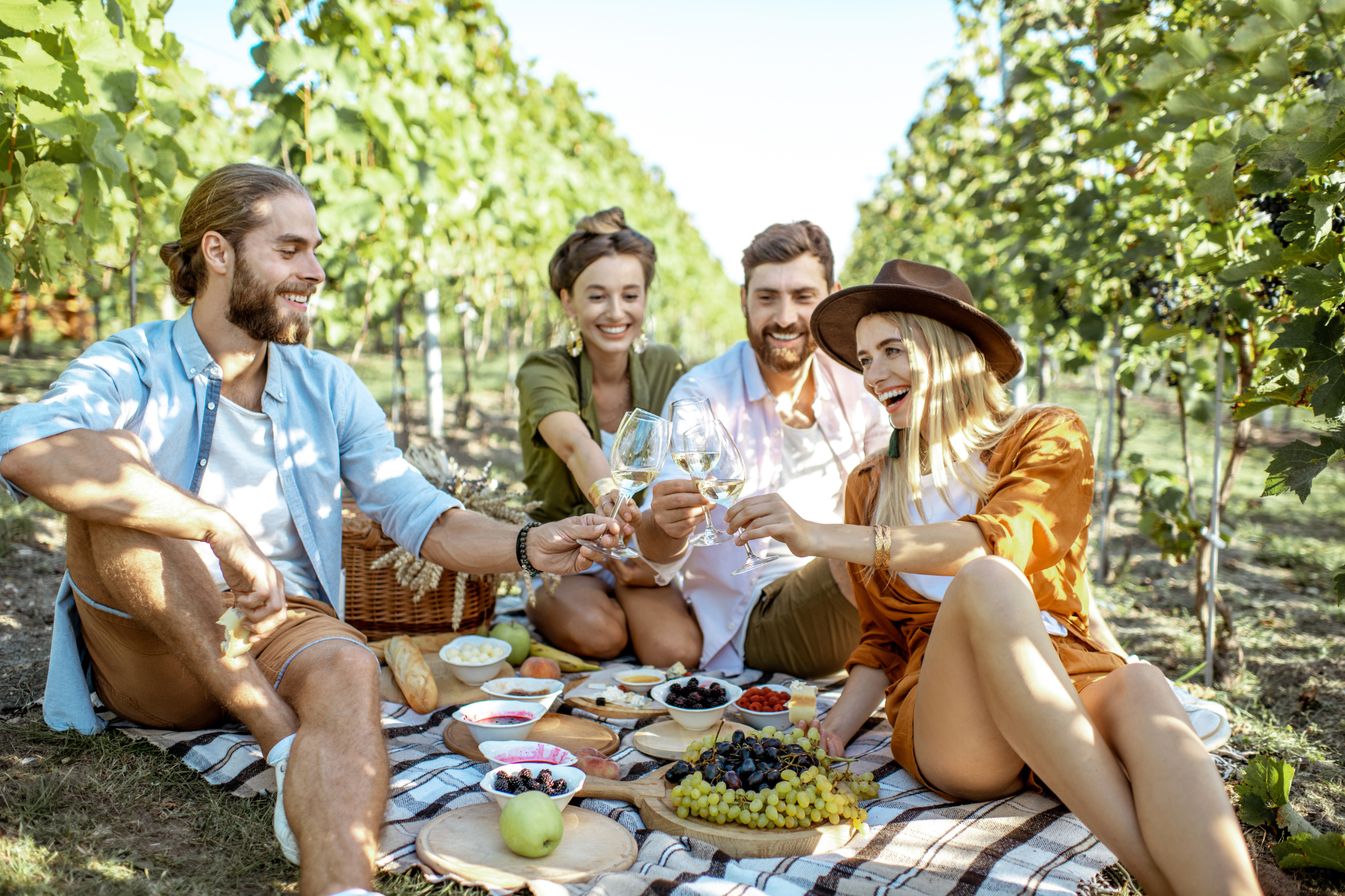
Over the past few years, wineries have seen tasting room visits decline as consumer habits shift. With more options than ever, visitors are looking for something special—experiences that go beyond just sampling wine. For many wineries, this means rethinking how they engage guests and creating a place people want to come back to. This guide explores how wineries across the country are turning their tasting rooms into destinations—balancing local charm, modern convenience, and genuine hospitality. Create Unique, Social Experiences In today’s market, wineries that stand out provide more than just a tasting—they create memorable, shareable experiences that make guests want to stay longer and come back. Enhancing the Atmosphere with Music: Music adds energy and can make an ordinary tasting feel like an event. Hosting live music, whether it’s a local band or acoustic performer, brings people together and keeps them engaged. Many wineries schedule music on weeke
00
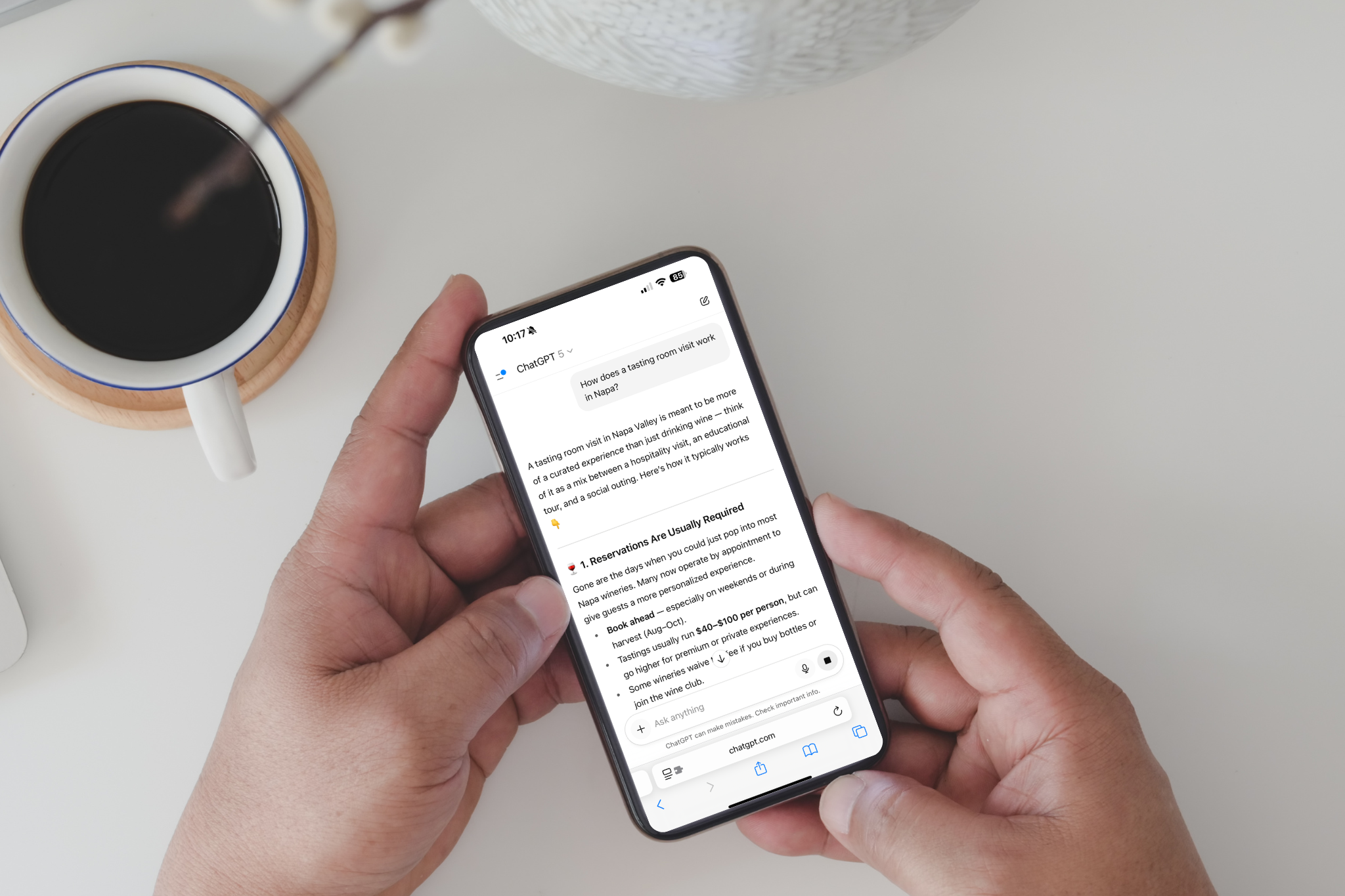
AI is changing how customers discover, research, and buy wine online — and that means your website strategy needs to change with it. We’re moving beyond the days of traditional, keyword-heavy SEO. Today’s search landscape is driven by generative AI — platforms like ChatGPT, Perplexity, Bing Copilot, and Google’s AI Overviews — which don’t just show links. They summarize information, cite sources, and even recommend brands directly in the search results. For wineries, that means success is no longer just about ranking on page one. It’s about becoming the trusted source these AI systems quote, reference, and build their answers from. Here are five practical ways to make sure your winery’s site is ready for the AI era — and positioned to be discovered, cited, and recommended. 1. Make Sure AI Can Access and Understand Your Website AI visibility starts with technical accessibility. If AI crawlers can’t reach or interpret you
00
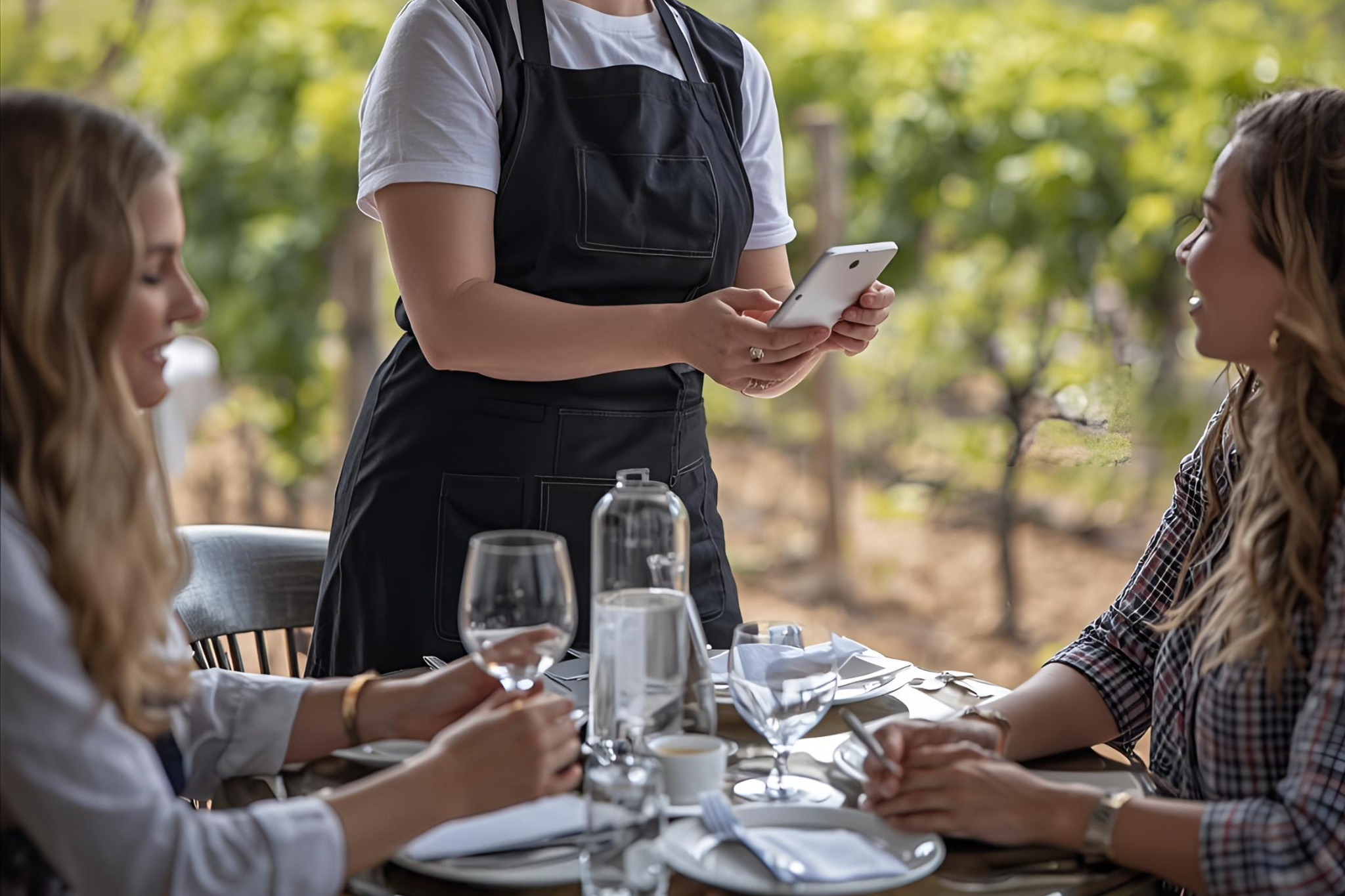
Great wine brings people to your winery. Great service brings them back. And today, nothing elevates service like a Point-of-Sale (POS) that lets you meet guests anywhere, from the vineyard lawn to a bustling festival. In today’s DTC landscape, the tasting room is no longer the only in-person touchpoint that matters. Wineries are hosting vineyard tours, pouring at festivals, working farmers’ markets, and even running golf-cart service to meet guests where they are. But here’s the problem: too many wineries are stuck with outdated point-of-sale systems that can’t keep up. If your team is tethered to a counter or juggling multiple systems, you’re not just slowing down service—you’re losing sales, missing data, and eroding customer trust. The solution? A mobile POS for wineries that makes every interaction seamless, personal, and connected. Why Flexibility Matters in Winery Service Hospitality is the heartbeat of any winery. Guests expect warm, pe
00
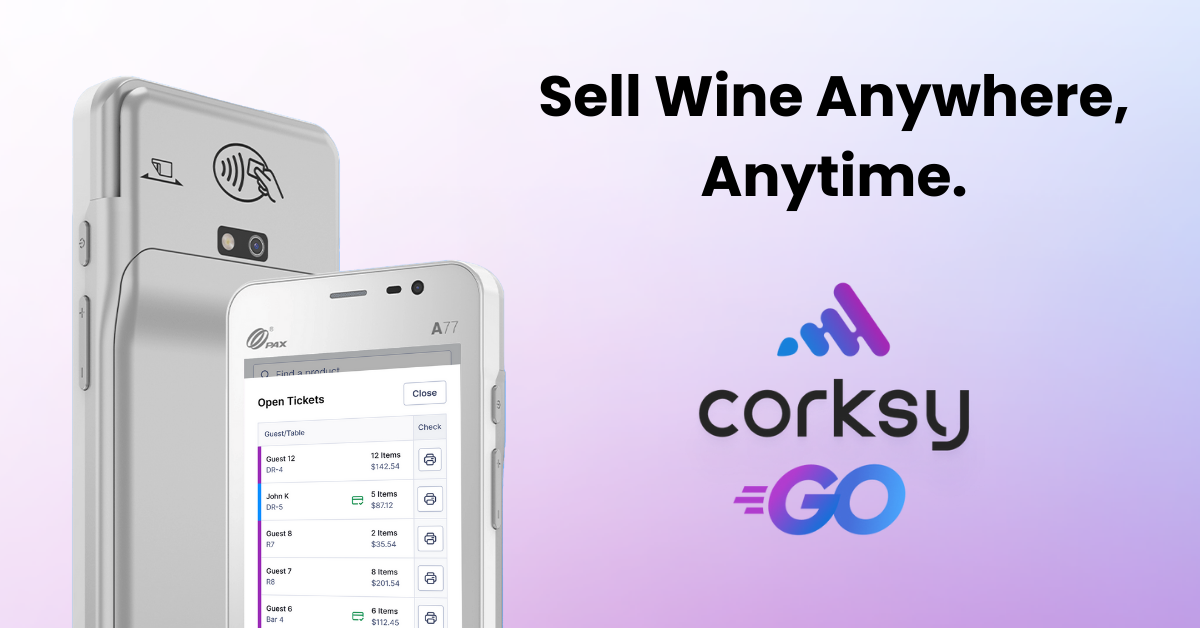
Corksy Launches Corksy Go POS – Mobile Sales, Anywhere You Pour Handheld, all-in-one device with LTE and Wi-Fi lets wineries sell, sign up members, and personalize service wherever guests are. Irvine, CA — September 9, 2025 — Corksy, the modern DTC platform for wineries, today announced the launch of Corksy Go POS, a handheld, all-in-one point-of-sale system built to help wineries — and other beverage producers — sell anywhere. With LTE (mobile plan required) and Wi-Fi connectivity, Corksy Go gives wineries the freedom to process sales, sign up wine club members, and access guest history wherever they pour — without bulky hardware, extra readers, or being tied to a counter. Go tableside. Go vineyard-side. Go festival-side. From seated tastings to outdoor dinners, from the event lawn to off-site festivals, Corksy Go POS brings wine sales directly to the guest. The device combines Corksy’s POS software, integrated payment processing, wine club t
10