
Filter Post Type
NewsVideoProductEventLink
Sort:
Most Recent
1–6 of 6
October 7, 2025
Growing up in the small town of Shandon, CA, Alberto was told that success might be out of reach. But working side by side with his father in the vineyards, he learned that dreams are worth fighting for. After graduating high school with honors, Alberto earned a welding certificate at Cuesta College and continued his education at Fresno State University with the help of the Juan Nevarez Memorial Scholarship. There, he discovered a passion for viticulture, excelled in his field, and built a strong professional network that helped shape his career. Now a college graduate and pursuing a master’s degree, Alberto is reaching another milestone: presenting his thesis at the 2025 Sustainable Ag Expo! Don't Miss Alberto’s Presentation: Sulfur Application Frequency Effects on Yield and Anthocyanins in Central Coast Cabernet Sauvignon Discover how different frequencies of dusting, flowable and wettable sulfur applications influence yield and anthocyanin development in bilateral
00

Afternoon Brief: E. & J. Gallo Expands Its Premium Wine Portfolio with Acquisition of the Hahn Family Wines Collection of Brands
E. & J. Gallo Winery (Gallo) announced today that it has purchased the Hahn Family Wines portfolio, complementing Gallos existing Central Coast offerings. The strategic investment includes the Smith & Hook, Hahn, and Hahn SLH brands...
E. & J. GalloBlack Cordon Vineyard LLCVitisphereNapa Valley Wine TrainBeverage Trade NetworkTastryWinedirectWineGlass MarketingCadus CooperageZamora CompanyOregon Wine BoardBarrelWise TechnologiesLiquid IconsGérard Basset FoundationWineshippingGuala Closures North America IncGroup VicardVineyard TeamBrowne Family VineyardsAppassionata EstateL’Ecole No. 41Woodward Canyon
00

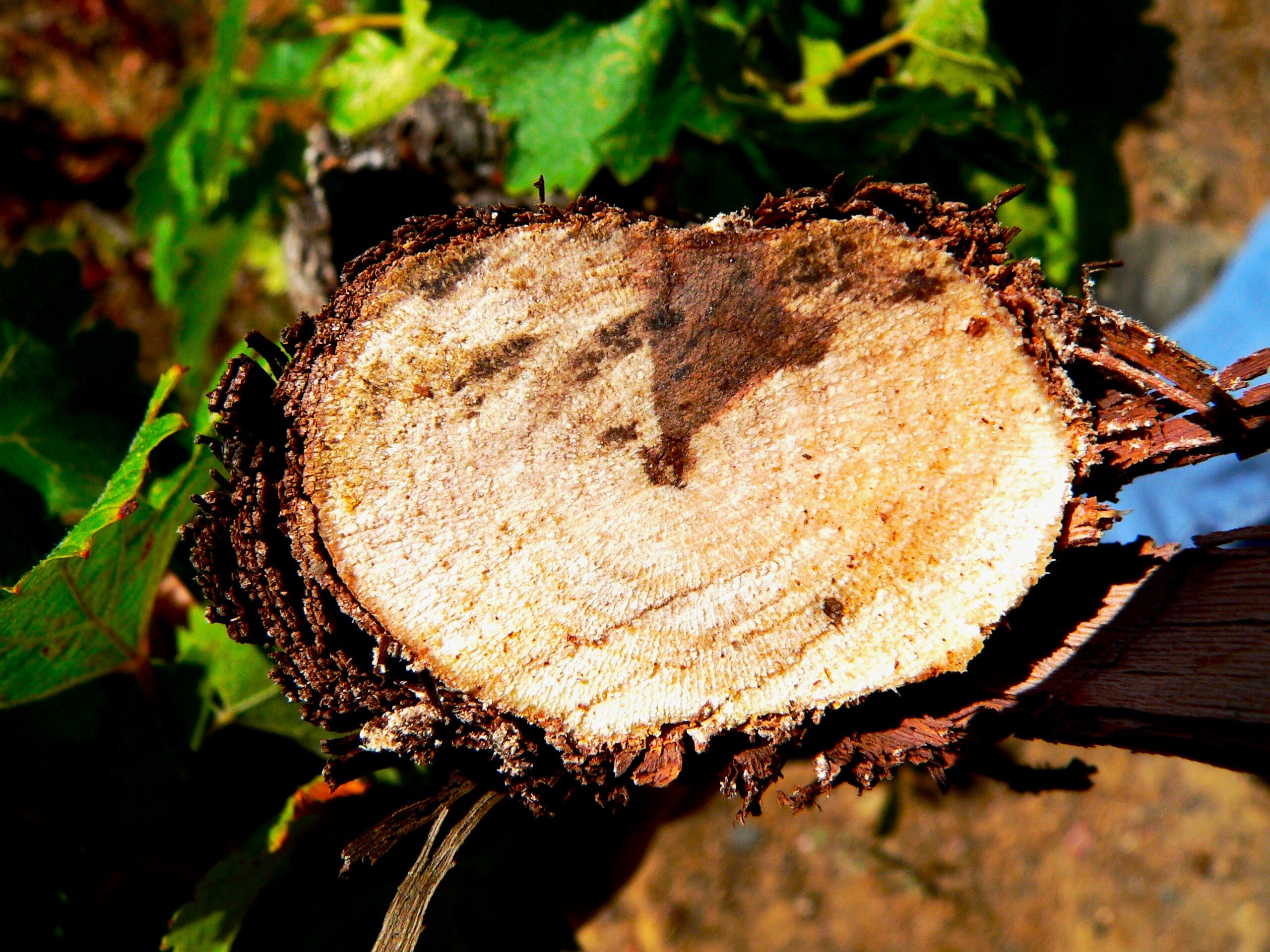
The recent rain we’ve been getting is certainly a welcome change. Wet weather does, however, present other challenges especially going into the pruning season. That’s right. I’m talking about trunk disease. It’s everywhere, and like viruses, growers like to pretend they don’t have it. After all, it takes years before symptoms express themselves and even longer before they amount to an economic loss. But economic loss from trunk disease is real and, uh, expensive. No one likes being told their best option is tearing out and replanting a vineyard, so let’s go over some ways to be proactive. We’re all stuck in the office right now anyway. Sometimes there are more than one pathogen present in the vascular tissue. This vine shows the classic wedge-shaped canker typical of Eutypa, but also has some spotty necrotic tissue associated with an Esca infection. What is trunk disease? Trunk disease is a catch all term that refers to fungal diseases Eutypa,
00
September 8, 2022
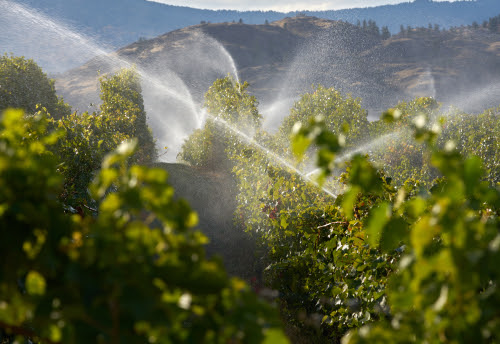
The following is an excerpt from a recent blogpost reprinted from WBM, 2009 by Mark Greenspan. The moderate climate enjoyed by the North Coast is frequently interrupted by periods of high heat. The heat waves can reach well into the 100’s, sometimes reaching above 115°F. While foliage is sensitive to heat, it has the advantage of transpiration, which is a natural way in which leaves cool themselves by evaporating water from their interiors. On the other hand, fruit lack active stomatal pores and cannot cool themselves as effectively as leaves. Pigmented fruit will absorb additional energy from the sun, as it reflects less sunlight energy than light-skinned grapes. Outer berries, exposed to direct sunlight, may reach 15°F above ambient temperature. High temperatures are detrimental to fruit and wine quality. Apart from the obvious consequences, such as sunburn, shrivel and loss of pigment, the heat may also lead to changes in flavor, aroma and mouthfeel compounds and precu
00
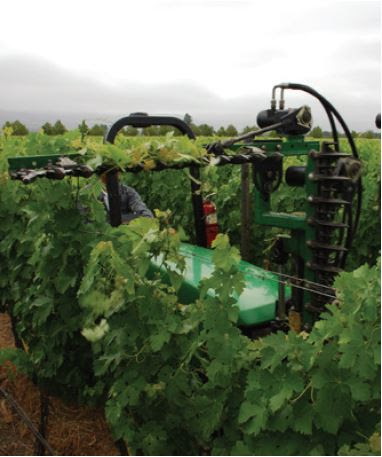
Everyone associated with the wine industry knows that labor has become more expensive, and it seems that wages are accelerating upward. The pool of largely unskilled or untrained labor is drying up, while those who remain available want more money for their work—and are getting it. Hence, there is absolutely no doubt that vineyards will increasingly adopt mechanical means to replace operations traditionally done by hand. Fortunately, necessity drives invention and innovation, and there are better versions of vineyard machines available all the time. Buying this equipment requires a significant cash investment, so growers will be willing to do so only when the return on the investment makes good business sense. But it is a little more complicated than simply substituting a machine for a human, especially in the fine-wine production sector. We have convinced ourselves that hand-farming is better than machine-farming, and wineries and winemakers are often reluctant to yield to the g
00
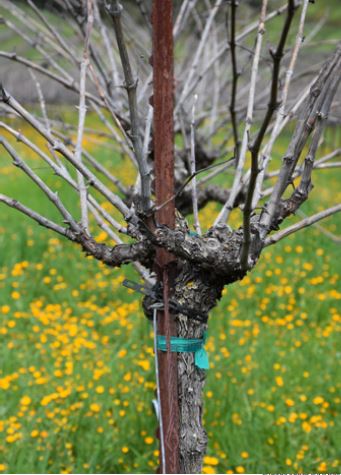
I'm not going to go ahead and say that I don’t think pruning is taken seriously enough. So why is it that I see poorly pruned vineyards so often? I think that most growers and viticulturists know very well how to prune grapevines and could do a great job of it on their own—if that were possible. But most growers and viticulturists do not have the ability to prune the entirety of their vineyards on their own, so they employ a labor force to prune, just like any other manual vineyard task. All vineyard operations are important, but pruning is just a little more important because pruning affects not only the upcoming growing season’s vine balance and productivity, but potentially the longer-term ability of the vine to either build or maintain its health and productivity. While there is certainly no problem handing over the pruning tasks to skilled laborers, it is important that the wishes of the grower or viticulturist is communicated effectively to the pruning crew,
00