
Filter Post Type
NewsVideoProductEventLink
Sort:
Most Recent
1–10 of 13

July 17, 2025
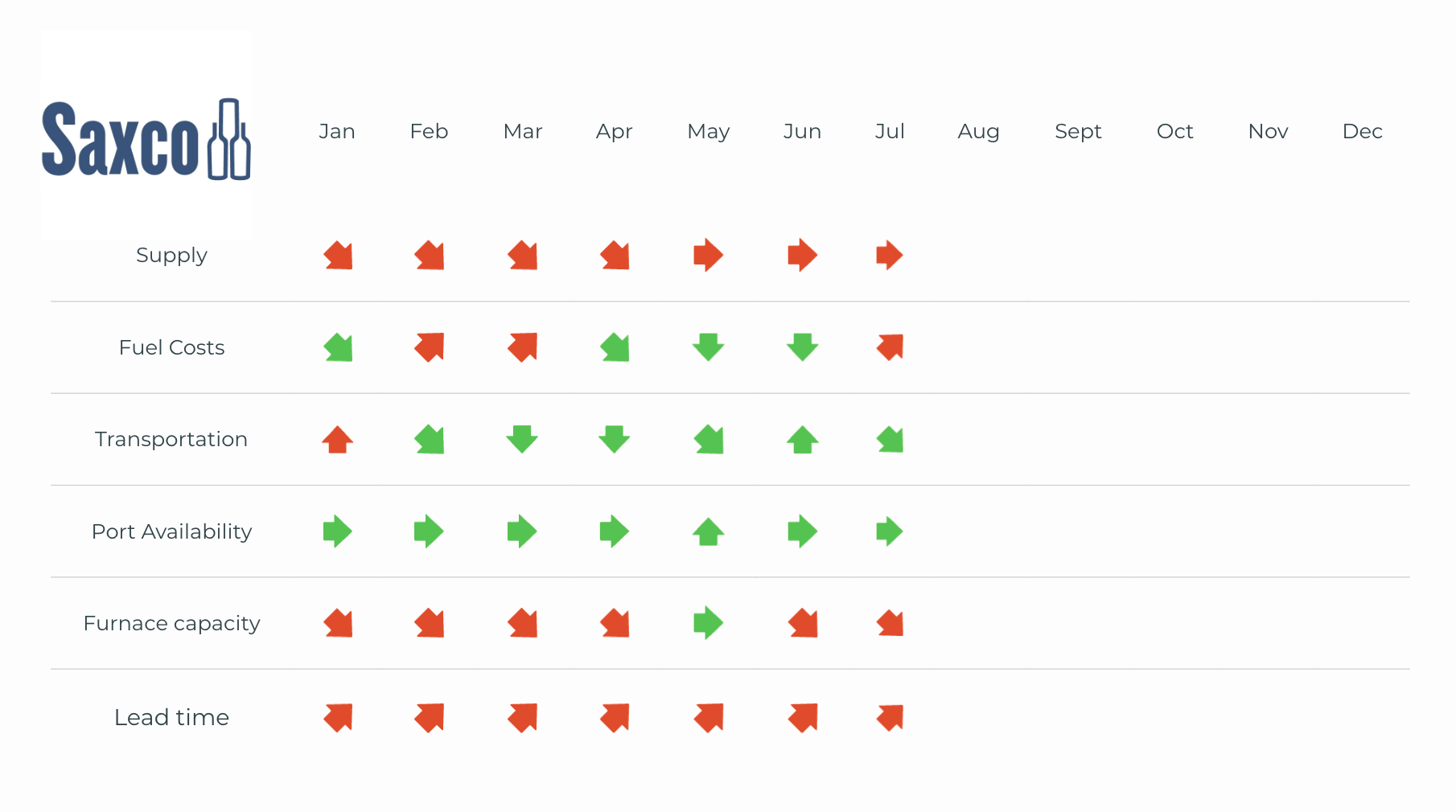
Packaging supply stable, but uneasy While June ushered in a more stable rhythm after May’s tariff-driven frenzy, underlying uncertainty continues to shape planning, procurement, and pricing across the packaging and logistics landscape. Supply remains steady across most categories, but stability doesn’t mean simplicity. US glass manufacturers, in particular, are contending with a mismatch between output and demand. Inventories have piled up amid sluggish ordering, especially from wine producers still reeling from compressed consumer spending and slowing DTC velocity. With tanks and warehouses more full than empty, some domestic furnaces are now eyeing Q3/Q4 production pauses as a measure to rebalance. After a brief reprieve in May, diesel prices rose again in June, increasing from $3.499 to $3.599 per gallon, a continued reflection of the volatile energy market. According to the latest Deloitte economic outlook, while core inflation is showing signs of moderation, ener
00
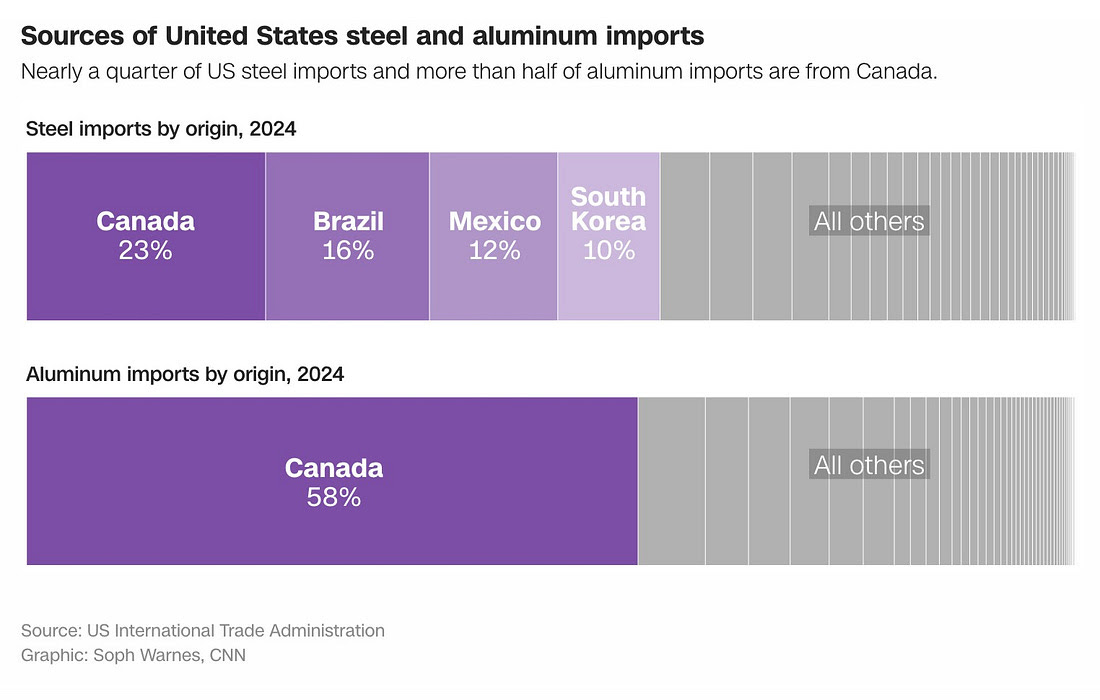
Each month, the packaging and materials part of the market becomes increasingly challenging to predict due to the erratic implementation of tariffs and ensuing trade wars. That being said, both the threat and actual application of tariffs have cascading implications for wine and spirits sales of finished goods and all the components. The US government enforced 25% tariffs on imports from Canada and Mexico, effective March 4, 2025. The administration rowed back somewhat on March 6, postponing until April 2 tariffs on all products imported from Canada and Mexico covered by the USMCA. However, a 10% duty on Canadian energy will likely remain in place. Additionally, the administration pressed ahead with 25% tariffs on all steel and aluminum imported into the US, effective March 12, arguing it will help level the playing field for US manufacturing. Unfortunately, this will likely have profound implications for the cost of goods of many products including – most pertinently for our ind
00
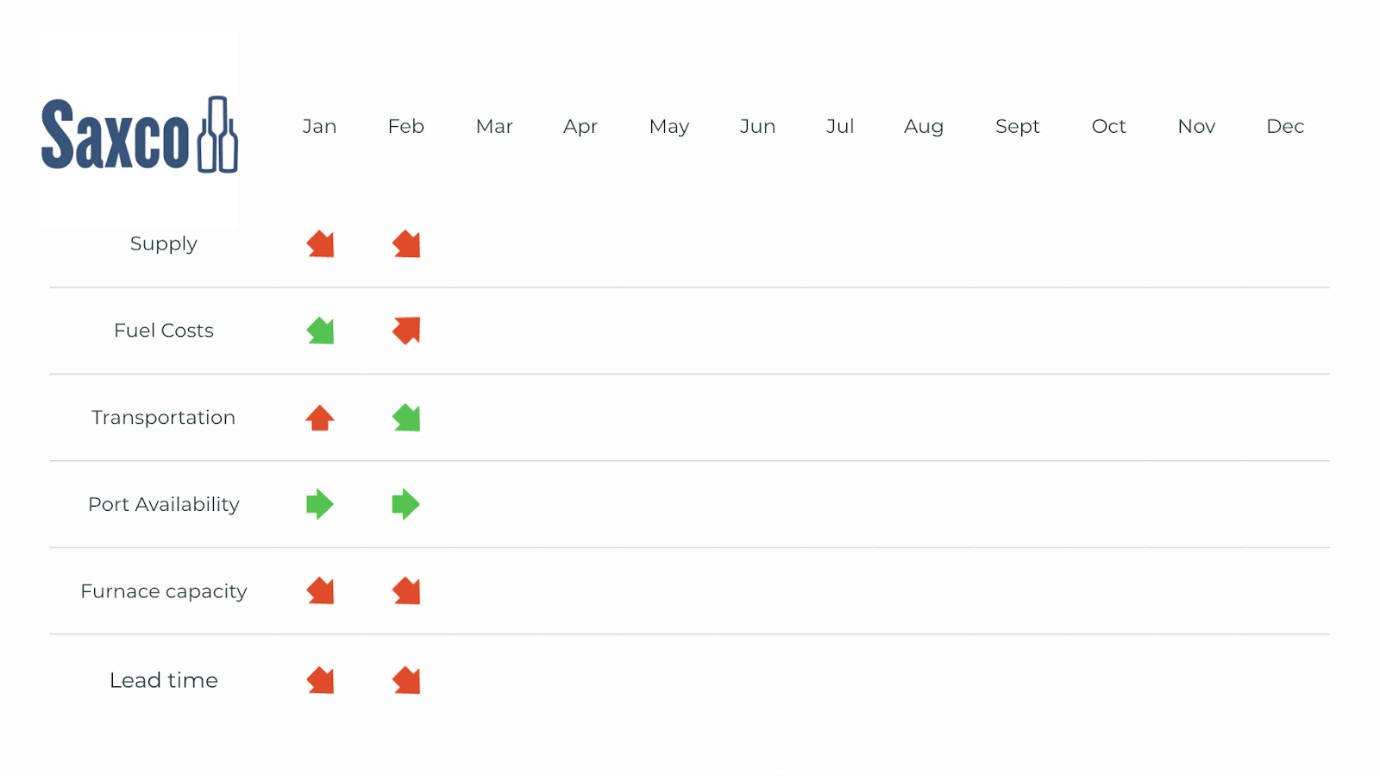
Over the past month, the wine industry has been caught in a whirlwind of shifting signals from the new US administration regarding tariffs. The rapid pace of change has left many wondering whether these moves are strategic negotiation tactics or actual policy changes that will directly impact pricing for wine-related goods and materials. The Trump administration initially imposed tariffs on imports from Mexico (25%), Canada (25%), and China (10%) – the White House Fact Sheet is here. While a temporary 30-day pause has been placed on tariffs for Canada and Mexico, concerns about retaliatory measures remain high. Canada, for example, had already announced 25% counter-tariffs on US goods, including alcoholic beverages – a move that could significantly impact California wineries and other US producers exporting to our northern neighbor. But it's not just the challenges with finished goods that we are concerned about; it is how tariffs will affect the packaging components li
00

Wineries continue to increase their efforts to reduce their carbon footprint. From harvesting grapes grown in more sustainably focused ways, to water conservation, and fostering healthier soils, there are many things that can be done in the vineyard to make a positive impact on the local ecosystem and wildlife habitat. Beyond environmentally conscious agricultural practices, it is important that wineries look to vendors that operate with similar sustainability views. One impactful consideration is which organization you turn to for glass packaging. If you are looking to step up your efforts even further, there is a reason to choose O-I as that partner. Since 2017, the organization’s multi-pronged approach to sustainability has resulted in a nearly 20% reduction in greenhouse (GHG) emissions. Taking a more granular look at O-I, there are other factors that make the organization a leader in the sustainable packaging space. Here are some points to consider when it comes t
00
The global bulk wine market is heading into the second quarter of the year looking more ‘normal’ than it has done for some months: rather than each market united in slowness, some have seen an uptick – however slight – in activity (Chile and California), some are unable to meet demand on at least some wines due to short harvests and/or limited carryover (Italy and South Africa), and some markets are mainly slow because of buyer perceptions that prices are elevated (Argentina, Italy, Spain). Buyer interest is there, it is simply price and volume-sensitive during what remains a fragile period for the global economy. There have been strong indications that China will be repealing its import tariffs of up to 218% on Australian wine imports in the coming days or weeks, and there is a hope in other producer countries that the draining of some ultra competitively-priced Australian red wine into the Chinese market will help stabilise red wine demand and buyers’ pr
00
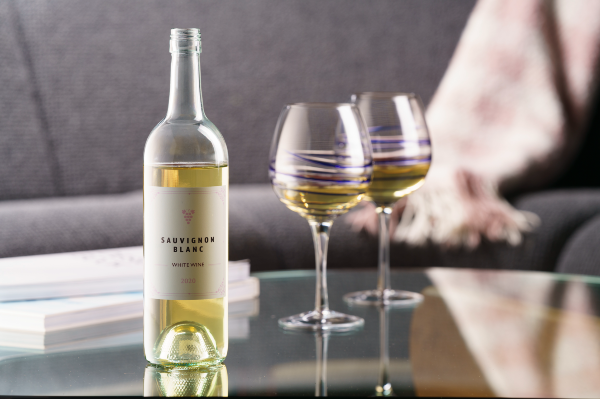
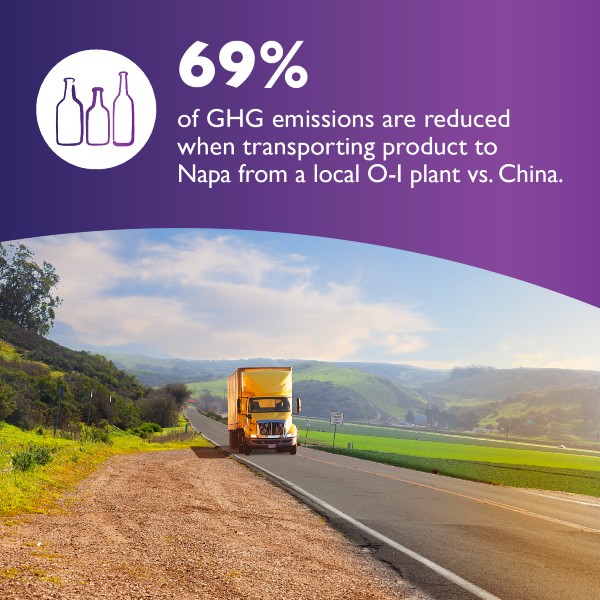
A brand’s journey to sustainability is never complete as it works to stand out and challenge expectations of the norm. As the years progress, companies of all sizes are aiming to do just that, with a focus on sustainability for better health, improved community, and a brighter future. “Pro-environmental actions, such as recycling, have great potential for the industry as a whole to be more sustainable,” notes Jon French, O-I’s Wine Category Sales & Marketing Director. The wine industry has made progress in reducing greenhouse gas (GHG) emissions, but pressures continue to rise for businesses to take more action founded in sustainable behavior. Wineries of all sizes continue to view every decision with a sustainable lens. Let’s take a closer look at the ways your winery can reduce its carbon footprint. Choose Local Of all steps in the supply chain, transportation accounts for 90% of greenhouse gas emissions.[1] O-I, based in Ohi
00
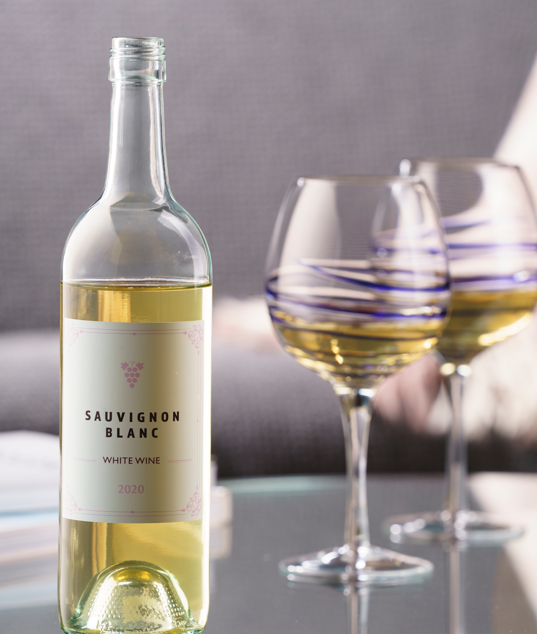
The wine industry is a tight-knit community where new ideas and solutions travel by word of mouth to bring transformation to the industry. And when difficulties arise, such as shifting consumer demographics and rising operational costs, wineries and wine growers lean on each other for support. The response from wineries has led to a focus on premiumization, automation, and building stronger relationships with younger consumers. Climate change has also increased the frequency of conditions like drought, wildfires and untimely frosts, resulting in more dramatic changes from vintage to vintage. Higher pressure from media, government and younger consumers, pushed wineries to reduce their environmental impact, leading to new solar plants, a transition to organic, biodynamic and regenerative agriculture and technology to measure everything from water usage to carbon sequestration. Wineries Foster Localism Wineries are also looking for other ways to increase sustainability, such as buyin
00

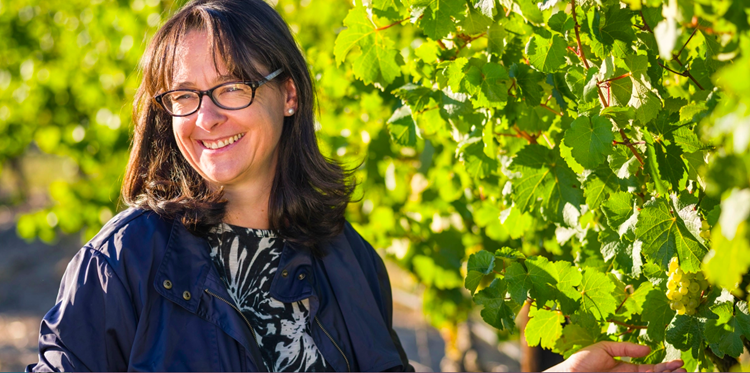
During her 20-year career at Yalumba, Louisa Rose has become one of the world’s most respected winemakers, challenging perceptions of Barossa Valley Shiraz and helping to put Australian Viognier on the world wine map. We caught up with her to find out how the 2022 vintage is shaping up, and the changes she’s making in the vineyard to safeguard the estate against global warming. How are things going at Yalumba – what’s new for 2022? All is well – Australian wine in general has had a few headwinds in the commercial red space on the back of the Chinese tariffs, and we’re working to balance our supply and demand. Things are generally looking strong as we have a well-balanced portfolio. What have you been focusing your efforts on recently? Sustainability is a big focus at the moment. We’ve been measuring our carbon footprint for decades, but all of a sudden people want to hear about it. We wouldn’t still be here if we hadn’t made i
00
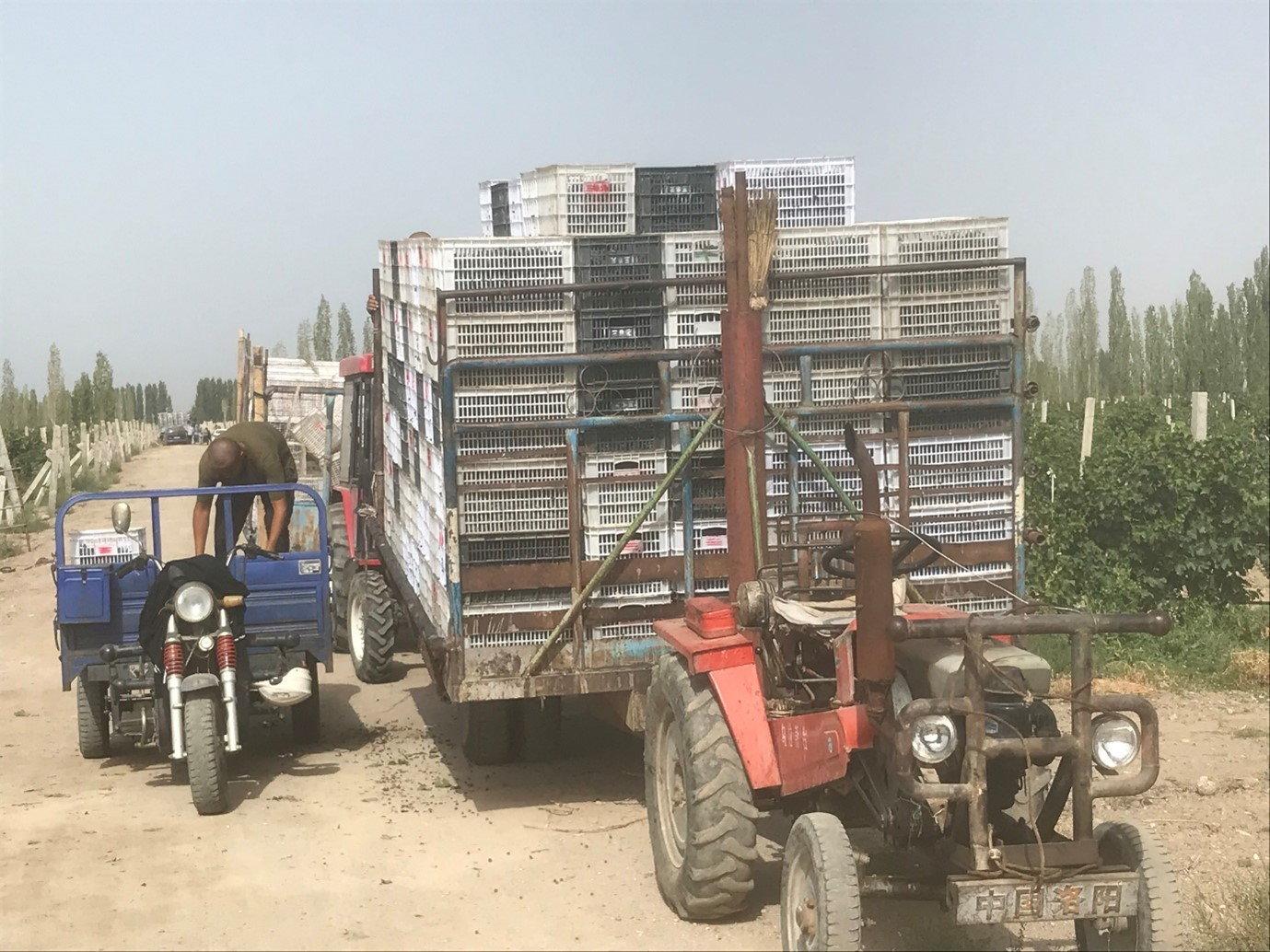
by Steve Chapman, World Cooperage Account Manager China is a land of contrasts, especially when it comes to the different vineyard regions spread across this vast country. From the wet and humid east coast, to the temperate central regions, and the arid and cold northwest, there is an incredible spectrum of growing conditions. Harvest Time In Xinjiang Provence This variation in growing conditions presents a multitude of challenges to both viticulturalists and winemakers. As coopers, we also have to ensure we are supplying the correct barrel type suitable for the different regions and wine styles. Luckily, we have built great relationships with our customers over the years. Assisted by our long time friend and Agent, Michael Zhang, we have seen some stunning results. In fact, one of our customers, Canaan (north of Beijing), has produced some outstanding Cabernet Sauvignon and Chardonnay by adopting modern vineyard practices and incorporating appropriate barrel choices in t
00
The Northern Hemisphere harvests are now complete and all have come in lighter than average, though the shortfalls in Italy and Spain (both estimated by OIV to be -9% versus the five-year average) are not dramatic in an historical context, unlike France’s very light 34 million hectolitres, down 27% since 2020. We estimate California’s crop to be short of the 4-million-ton mark that could be said to be the approximate state ‘average’, though not as short as 2020’s 3.4 million tons. These short crops north of the equator have ensured this year’s global wine production will be – according to the OIV – “extremely low” at 247.1-253.5 million hectolitres, down from a provisional figure for 2020 of 262 million and 7% down from the 20-year average. However, it ought to be noted that the OIV also identified the 2021 Southern Hemisphere as having had a “record-high” crop, up 19% versus 2020, with only New Zealand seein
00