
Filter Post Type
NewsVideoProductEventLink
Sort:
Most Recent
1–10 of 57

October 21, 2025

Natural cork stoppers are often viewed as a pricier alternative to other closures - such as aluminum or plastic stoppers - and even other cork closures, like microagglomerate and colmated cork stoppers. However, the fact that it represents a bigger investment doesn’t mean choosing natural cork stoppers doesn’t pay off. There are plenty of reasons to pick natural cork stoppers in detriment to synthetic alternatives. Let’s look at some of them. Natural cork is associated with high-quality wine A study conducted in Italy confirmed that wine drinkers experience a higher cognitive and emotional response to smelling, tasting, and even listening to a wine sealed with a cork stopper than they do with a wine sealed with a screw cap. In fact, on a global level, cork is associated with high-quality wine, which makes it the preferred sealant for many consumers all around the world. This becomes especially interesting when you consider that consumers in high-income countr
00
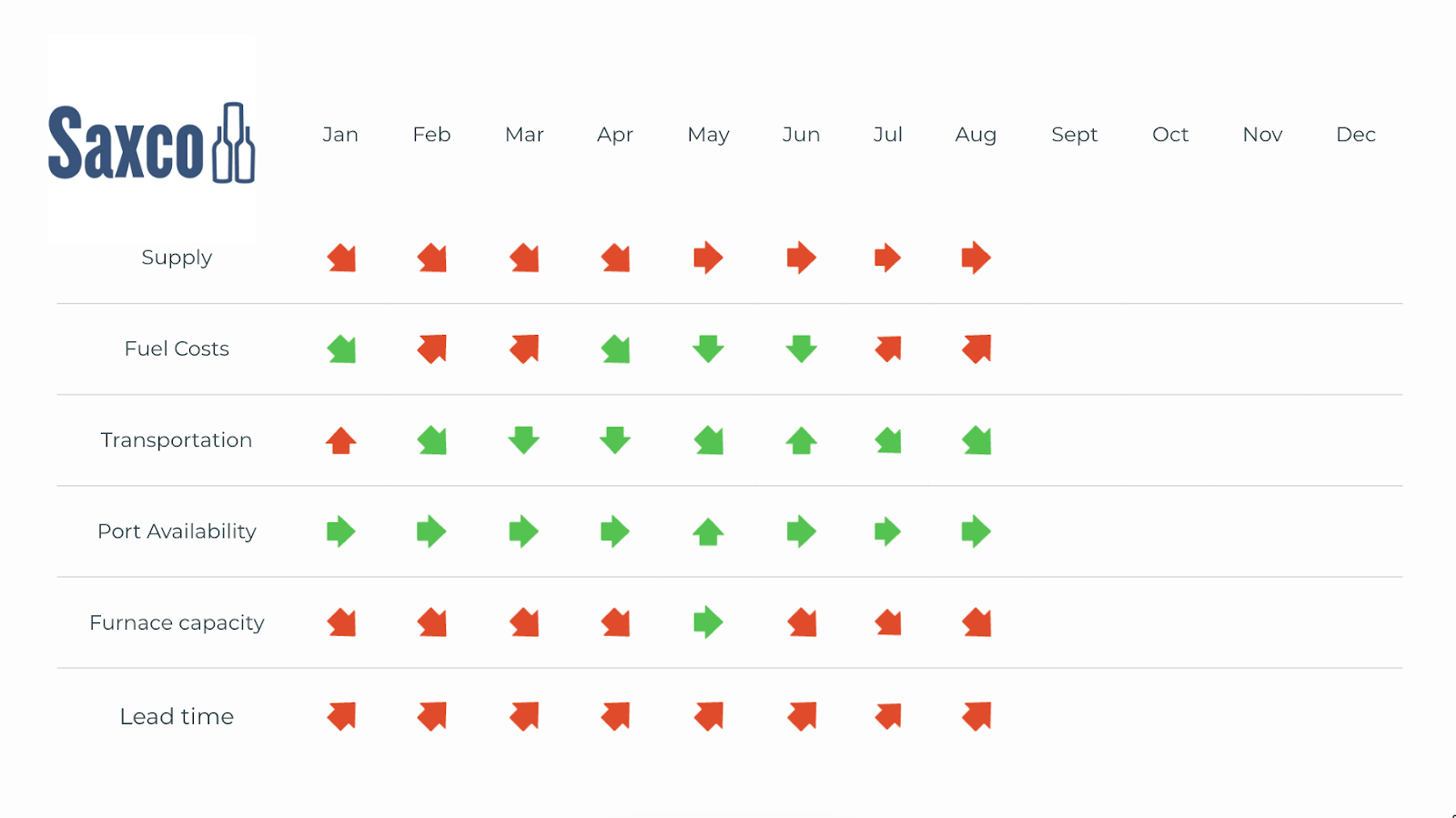
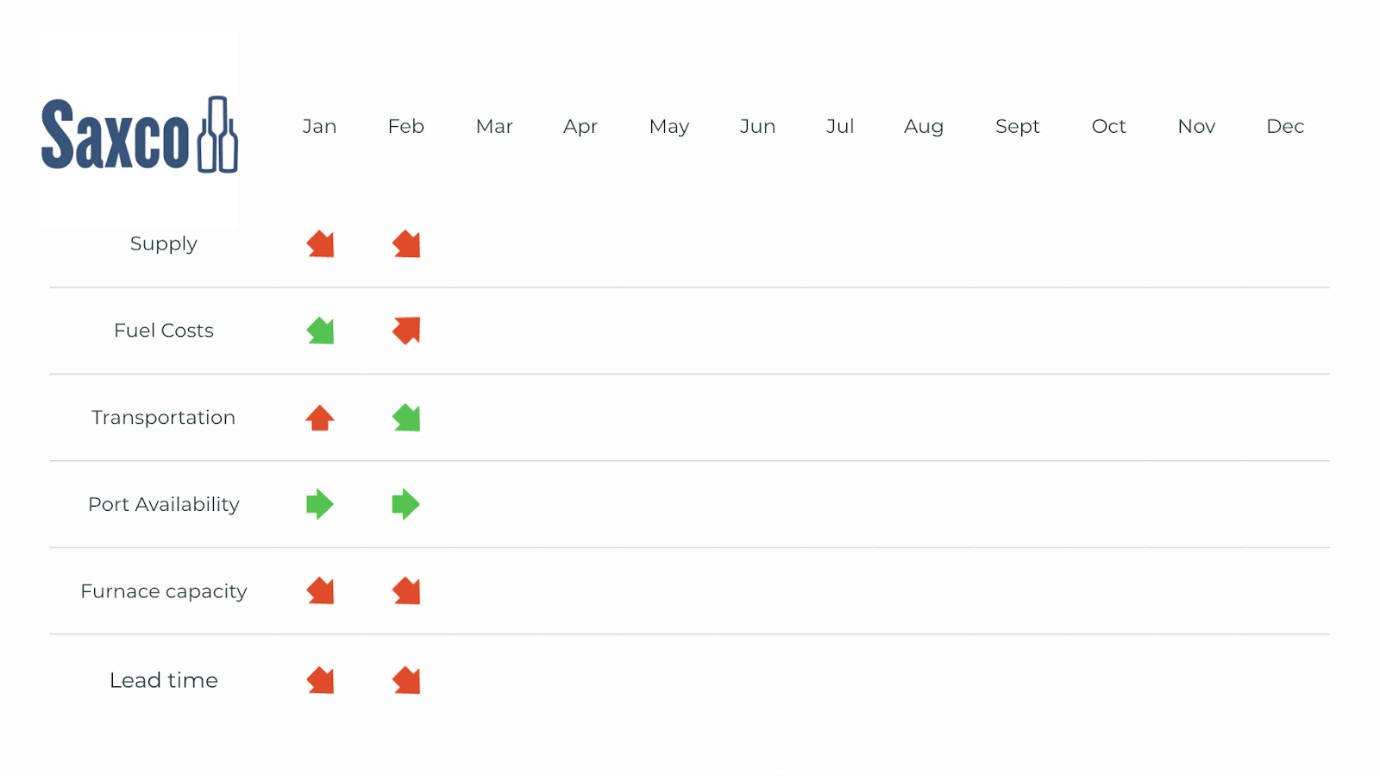
July's supply chain landscape feels deceptively calm, but the undercurrents are shifting. Fuel costs ticked upward again – $3.599 to $3.779 per gallon – putting quiet pressure on logistics, even as transportation costs eased with the surprising disappearance of peak season surcharges. That dip is a welcome but likely temporary reprieve. On the production side, capacity continues to tighten: OI’s Portland plant has officially closed, and two additional furnaces are scheduled to go offline, which continues to raise concerns about domestic supply heading into the back half of the year. Lead times have not budged from June’s elevated levels, but with fewer furnaces online, we are likely to see that stress compound by fall. Ports remain neutral, and overall supply feels steady – but for now, it is a still surface over increasingly strained infrastructure. Tariff watch: The rules are changing The new US tariff rates announced on July 31 mark a signifi
00
July 17, 2025
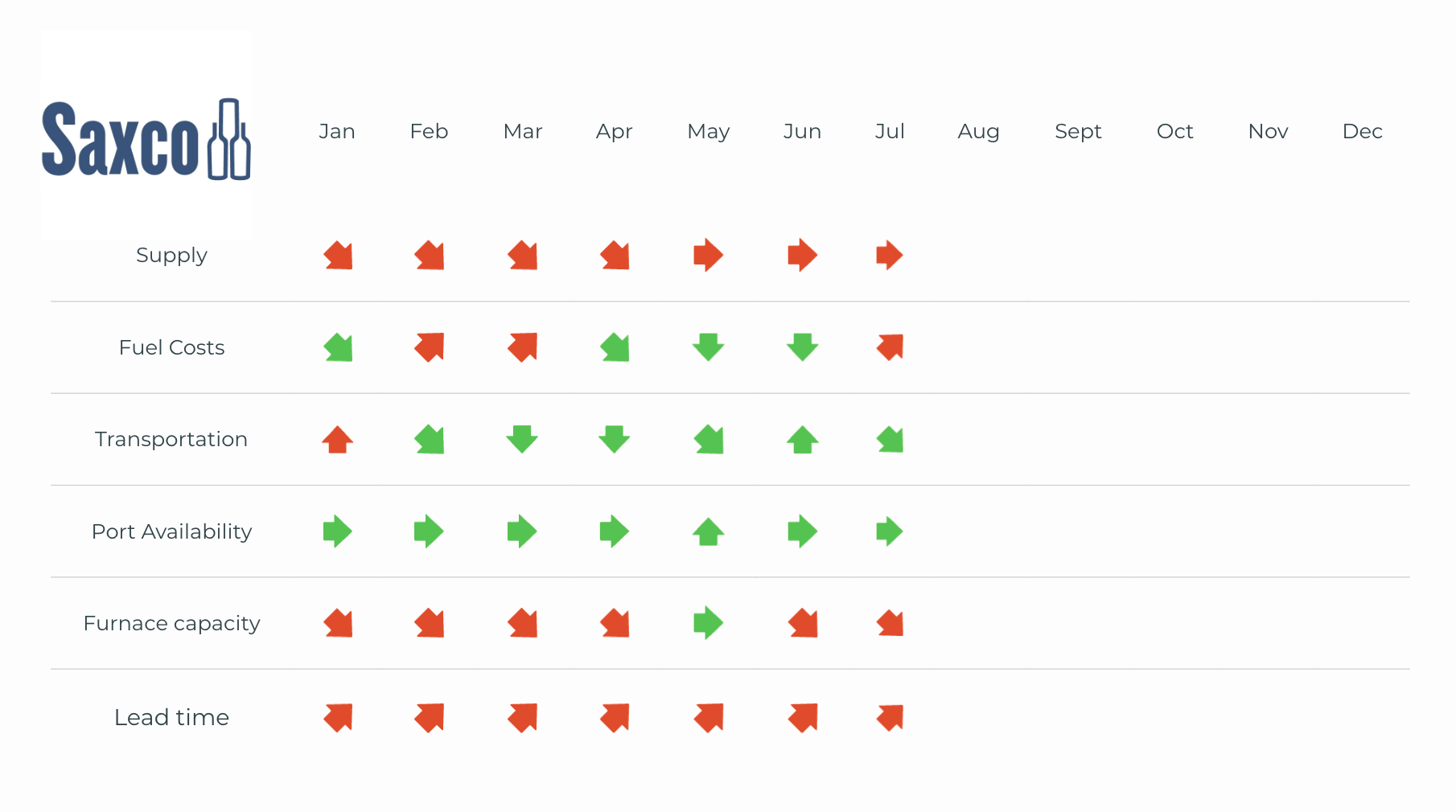
Packaging supply stable, but uneasy While June ushered in a more stable rhythm after May’s tariff-driven frenzy, underlying uncertainty continues to shape planning, procurement, and pricing across the packaging and logistics landscape. Supply remains steady across most categories, but stability doesn’t mean simplicity. US glass manufacturers, in particular, are contending with a mismatch between output and demand. Inventories have piled up amid sluggish ordering, especially from wine producers still reeling from compressed consumer spending and slowing DTC velocity. With tanks and warehouses more full than empty, some domestic furnaces are now eyeing Q3/Q4 production pauses as a measure to rebalance. After a brief reprieve in May, diesel prices rose again in June, increasing from $3.499 to $3.599 per gallon, a continued reflection of the volatile energy market. According to the latest Deloitte economic outlook, while core inflation is showing signs of moderation, ener
00
May 22, 2025
In recent years, US trade policy developments – including broad tariffs and anti-dumping/countervailing duties – have disrupted global supply chains and increased costs across multiple industries. The wine and spirits sector, in particular, continues to experience the ripple effects of trade tensions involving key packaging sources such as China, Mexico, and Canada, along with ongoing tariffs on aluminum and steel. On April 2, 2025, President Trump invoked emergency trade powers under the International Emergency Economic Powers Act (IEEPA), imposing a 10% “baseline” IEEPA tariff on most imported products from most countries, effective April 5. Higher tariff rates on imports from 57 countries were temporarily suspended for all but China, providing a 90-day reprieve. Meanwhile, China was subjected to 125% IEEPA reciprocal tariffs plus 20% IEEPA “fentanyl” tariffs, as well as any other applicable tariffs, such as the 25% China Section 301 tariffs initia
00
Global wine consumption in 2024 is estimated by the Organisation of Vine & Wine (OIV) to have reached 214.2 million hectolitres, down 3.3% versus 2023 and the lowest level since 1961. In its recently-published 2024 industry report, the OIV attributed the decline in consumption – which has “followed a relatively steady trajectory since 2018” – to significantly reduced Chinese demand and the post-pandemic inflation surge which, although having cooled since 2023, still restricts consumer purchasing power to this day. Elevated input costs have made it harder for wine to compete against alternative beverages able to charge a lower price per unit of alcohol. The OIV estimated global production in 2024 at 225.8 million hectolitres, 4.8% down versus 2023 and, again, the lowest level since 1961. This is attributable to climactic conditions but also market adjustments, as vineyards get mothballed or pulled out altogether in response to low winegrape demand. Glo
00


In recent months, the United States government’s changes to their international trade policy imposed new tariffs on imported goods. At 12:01 AM on March 4, 2025, a new 25% tariff was imposed on nearly all goods imported from Mexico and Canada. Additionally, a 20% increase was applied to the existing 25% tariff on Chinese imports, bringing the total tariff on Chinese goods to 45%. This is an evolving landscape. For both the glass industry and its customers, the introduction of these tariffs raises important questions regarding pricing, supply chains and the broader implications for global trade. While some of the ramifications seem complex, understanding how the new tariffs will operate is essential to navigating the evolving trade landscape. An Evolving Landscape: The Current Chaos of Changing Tariffs As of 12:01am, March 7, 2025, the Trump Administration delayed the 25% tariffs on some imports from Canada and Mexico. Goods that are compliant with the U.S.-Mexico-Canada Agr
00
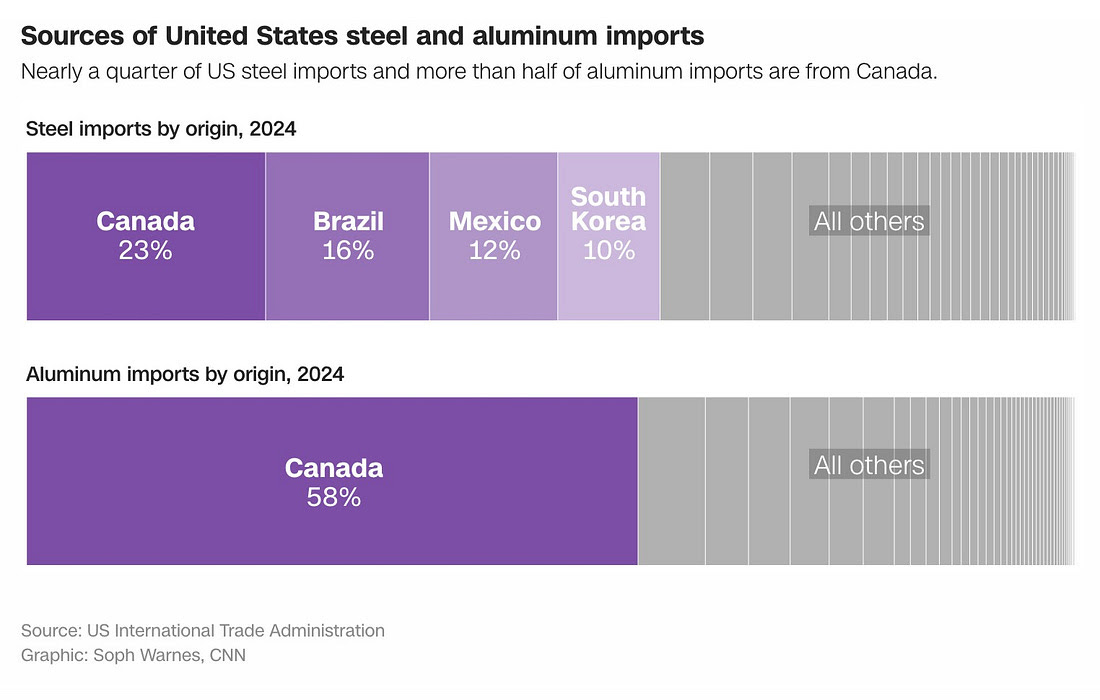
Each month, the packaging and materials part of the market becomes increasingly challenging to predict due to the erratic implementation of tariffs and ensuing trade wars. That being said, both the threat and actual application of tariffs have cascading implications for wine and spirits sales of finished goods and all the components. The US government enforced 25% tariffs on imports from Canada and Mexico, effective March 4, 2025. The administration rowed back somewhat on March 6, postponing until April 2 tariffs on all products imported from Canada and Mexico covered by the USMCA. However, a 10% duty on Canadian energy will likely remain in place. Additionally, the administration pressed ahead with 25% tariffs on all steel and aluminum imported into the US, effective March 12, arguing it will help level the playing field for US manufacturing. Unfortunately, this will likely have profound implications for the cost of goods of many products including – most pertinently for our ind
00
Over the past month, the wine industry has been caught in a whirlwind of shifting signals from the new US administration regarding tariffs. The rapid pace of change has left many wondering whether these moves are strategic negotiation tactics or actual policy changes that will directly impact pricing for wine-related goods and materials. The Trump administration initially imposed tariffs on imports from Mexico (25%), Canada (25%), and China (10%) – the White House Fact Sheet is here. While a temporary 30-day pause has been placed on tariffs for Canada and Mexico, concerns about retaliatory measures remain high. Canada, for example, had already announced 25% counter-tariffs on US goods, including alcoholic beverages – a move that could significantly impact California wineries and other US producers exporting to our northern neighbor. But it's not just the challenges with finished goods that we are concerned about; it is how tariffs will affect the packaging components li
00
With a new year underway, we at Ciatti wish all of our friends, clients and business associates a very happy and prosperous 12 months ahead. Many thanks for your continued support. If 2022 was characterised by rising inflation levels, and 2023 by interest-rate increases to tackle inflation, then 2024 was characterised by the hangover. A word for it was coined: “Vibecession” – a disconnect between the more positive economic indicators emerging through the year and consumer perceptions of the economy. In some cases, earnings increases have lagged 2021-23 inflation, reducing spending power outright. But more pervasive is a sense of a “cost-of-living crisis”: essential living expenses – mortgages, rent, fuel, energy – are noticeably higher than four years ago and constitute a greater share of total spend. As we observed in September, in a discretionary-spending squeeze, “wine’s higher price per alcohol unit versus its ever-prolif
00

January 10, 2025

WineAmerica: Seizing the Opportunity of Crisis
The Chinese use two brush strokes to write the word crisis.One brush stroke stands for danger, the other for opportunity. John F. Kennedy
00