
Filter Post Type
NewsVideoProductEventLink
Sort:
Most Recent
Tagged:Chemistry
1–3 of 3

Dr. Anne Fennel is a Distinguished Professor at South Dakota State University. Academic Interests/Expertise: Grapevine bud dormancy and cold hardiness Grapevine Genetics and genomics Plant Physiology and Molecular Biology Dr. Barry Gump is the Harvey R. Chaplin Eminent Scholar Chair in Beverage Management at Florida International University. Academic Interests/Expertise: analytical methodology applied to grapes, juices, and wines Beer, Wine Consultant, Wine Judge
00
Original Post Two of the most important values in winemaking are pH and titratable acidity (TA). Although related, these measures convey distinct information, and it is important to know how and when each value is used in the decision-making process. Join us for a trip to the Gravity Wine House Chemical Analysis Laboratory, where our chemists cover the basics of pH and TA, demonstrate how they measure these quantities on wine samples in our lab, and discuss the relevance of these measurements in winemaking. Whether you’re a chemistry student looking for real-world applications of classroom learning or a winemaker hoping to brush up on enology basics, our educational video series offers a deeper look at the chemistry behind wine.
20
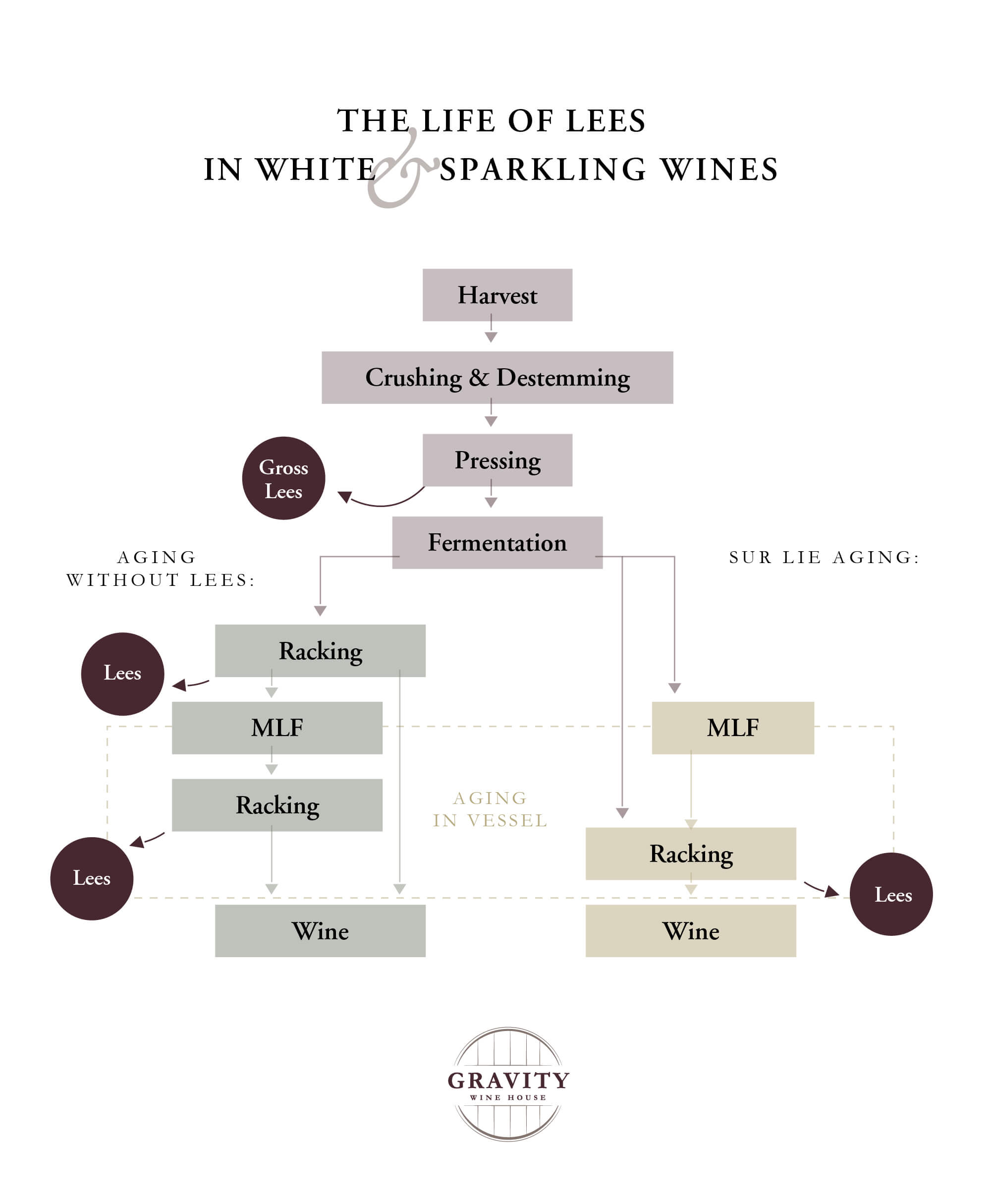
Original Post Sur lie (French for “on the lees”) aging sounds fairly straightforward: it is a stylistic choice to allow wine to age in contact with its lees. The overarching goal is to enhance the mouthfeel, body, and complexity of the wine by foregoing racking or other methods of lees removal for anywhere from 2 to 15 months or more (Patynowski, et al., 2002). During this time, yeast cells undergo a breakdown process called autolysis (“auto” meaning self, “lysis” meaning break apart) and release their contents, unlocking a treasure trove of beneficial compounds that enhance the finished wine. This type of aging is typically associated with white wines, such as Chardonnay from Burgundy and Muscadet from the Loire Valley, as well as sparkling wines like Champagne. Although less common, sur lie aging for red wines has also been gaining interest (Wang, 2014). Though sur lie aging has been practiced since Ancient Rome, we are still uncovering the science
20