
Filter Post Type
NewsVideoProductEventLink
Sort:
Most Recent
1–10 of 31
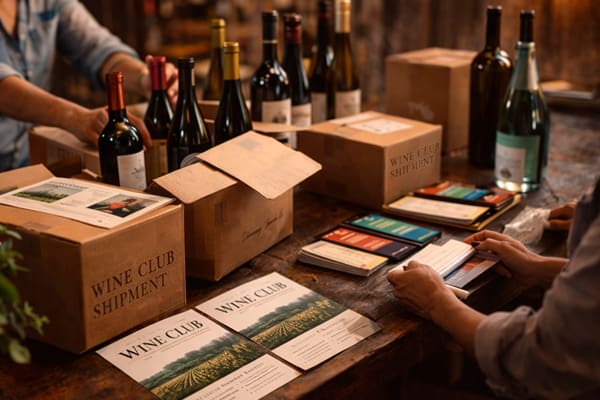
Why Wine Clubs Aren’t Working, And What’s Replacing Them For many wineries, the biggest challenge today isn’t attracting new customers; it’s keeping the ones they already have. Wine clubs once represented the most stable revenue engine for wineries. Members signed up, shipments went out quarterly, and predictable revenue flowed in. It was the foundation of direct-to-consumer success. But that foundation is cracking. Recent industry data reveals a troubling trend: nearly 40% of wine club members cancel within the first year. In a market where customer acquisition costs are climbing, and competition for attention has never been fiercer, losing members at this rate isn’t just a retention problem; it’s a profitability crisis. The math is unforgiving. If acquiring a new club member costs hundreds of dollars in marketing, tasting room labor, and incentives, losing them before they’ve generated meaningful lifetime value means wineries are bleeding money with every signup. And yet, some winer
00

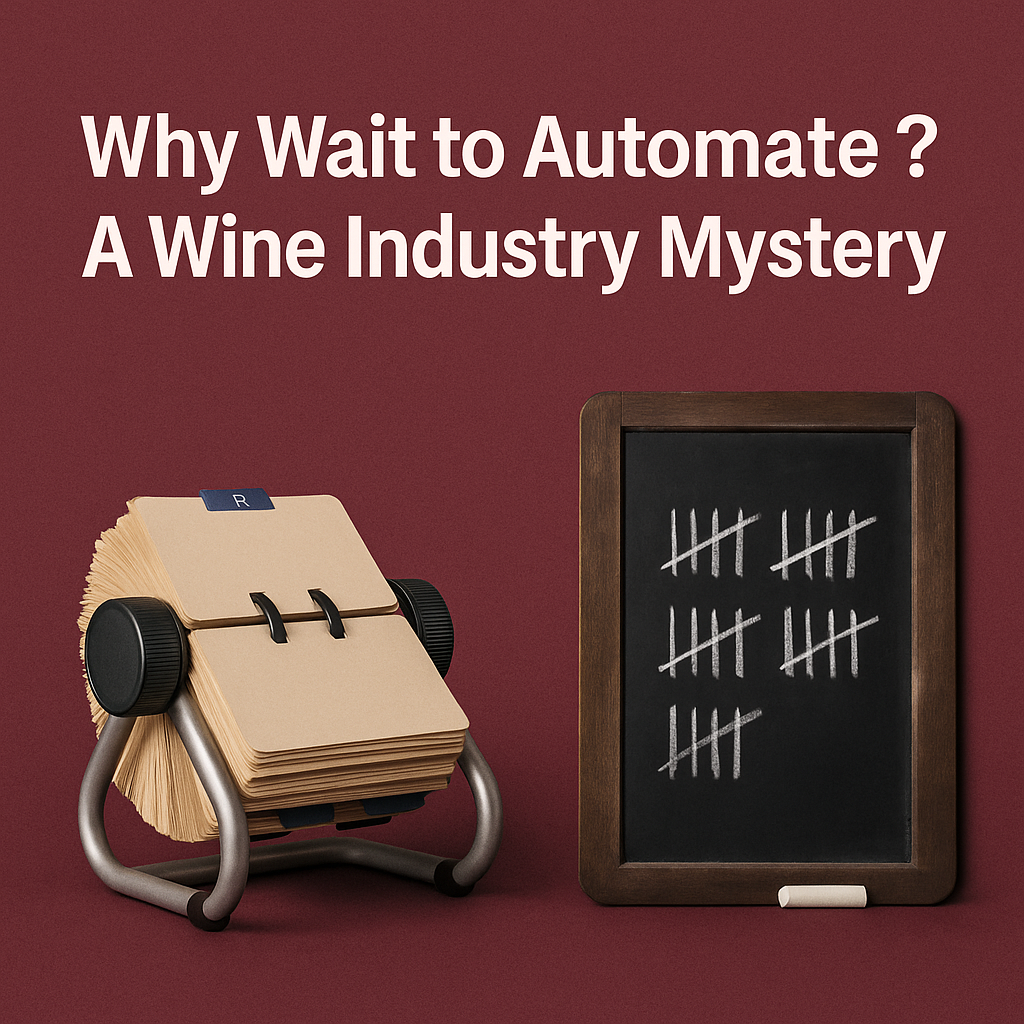
Imagine your VP of Sales announcing they’ve ditched CRM for a Rolodex. Or your finance director saying Excel is too modern, so they’re switching to chalkboard. And yet, here we are — 2025 — squinting at billbacks for hours on end and sending reps to visit every retail account like the entire industry is running for sheriff. Automation isn’t new, but for the wine & spirits world, it might as well be black magic. We love to talk about efficiency, scaling, and modernizing — right up until someone proposes replacing busywork with bots. Suddenly, it’s “But our rep relationships!” or “This is how we’ve always done it.” As if nostalgia for manual labor is part of our brand identity. Let’s get one thing straight: no one’s asking you to hand your label design to Midjourney or let ChatGPT pick your clones. We’re talking about automating the parts of your business that drain time, w
00

January 26, 2026

The New Year has often been seen as a marketing reset. New goals, new mindsets, new opportunities. However, by the time Q1 arrives, many brands still rely on superficial “New Year, New You” messages that no longer match how consumers actually behave in January, February, and March. In 2026, the opportunity isn’t to shout louder about resolutions—it’s to align your brand with how people are realistically thinking, spending, and socializing in the first quarter. According to multiple consumer studies, roughly 80% of New Year’s resolutions fade by mid-February, yet spending habits, social rituals, and emotional priorities continue well beyond January. That gap is where smart marketing lives. For wine brands, Q1 isn’t about reinventing but staying relevant. The most effective early-year messaging connects with consumers by addressing their desire for connection, value, simplicity, and meaningful experiences that don’t feel indulgent or e
00

The Actionable Version (Yes, Another One — But Hear Us Out) It wouldn’t be the end of the year in beverage alcohol without a million prediction articles telling you what might happen next. You’ve probably already read a few that say consumers will drink less, premiumize more, and still somehow want everything new, nostalgic, global, and convenient at the same time. All of that may be true — but this isn’t another “interesting but abstract” trends piece. This one is about what’s actionable right now for: Makers who need flexible, reliable distribution, and Buyers who want to keep their sets fresh, differentiated, and relevant in 2026 Here’s what we see coming — and how to actually do something about it. 1. Volume Isn’t Growing — but Opportunity Is Getting More Targeted Overall volume across many beverage alcohol categories remains flat or slightly down. At the same time, Buyers are still actively looking for n
00
December 2, 2025

HOW TO KEEP YOUR BRAND TOP OF MIND WHEN CUSTOMERS ARE DROWNING IN HOLIDAY EMAILS The inbox in December isn’t a communication tool—it’s a full-contact sport. Every brand, from the global megastore to the local dog bakery, is shouting their way into people’s attention span with flashing subject lines, endless exclamation points, and “40% OFF” hysteria that blurs into static. Consumers don’t read; they scan for relief. According to Mailjet’s 2024 BFCM report, holiday email volume jumps nearly 80% between Thanksgiving and Christmas, while average open rates drop to 13–15%—a statistical cry for help. But the real problem isn’t quantity—it’s tone. Every brand is talking at their audience instead of with them. The louder the messaging, the less people listen. Leading with prices and panic doesn’t inspire trust; it triggers fatigue. That’s your opportunity. The brands that win the inbox aren’t the
00
You Love Data, Not Dust: LibDib is digital-first. Your dashboard is your new best friend. If you love seeing your orders, Buyers, and analytics in one sleek place instead of chasing paper POs, welcome home. You Know How to Tell Your Brand Story: You’ve got a compelling brand, and you want to share it with the world (or at least with California, New York, and beyond). LibDib gives you the tools to upload beautiful content, pricing, and sell sheets. You give Buyers that “reason to buy.” You Believe in Demand Before Distribution: You know that selling comes before shipping. You understand that LibDib doesn’t buy truckloads of inventory upfront—we fulfill when there’s real Buyer interest. You hustle, create demand, and LibDib makes sure it gets delivered legally and compliantly. You’re Cool with Being a Modern Maker: You get that times have changed. E-commerce is here, the cloud is your friend, and AI can help write y
00
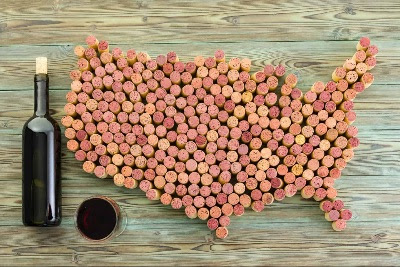
Wine clubs have long been the backbone of direct-to-consumer (DTC) sales. But with shifting consumer expectations and the rise of subscription culture, from streaming services to meal kits, wineries are rethinking the traditional club. Subscription models promise flexibility for customers, stability for wineries, and in many cases, less operational strain. We asked four leading technology providers (Awtomic, Commerce7, OrderPort, and VinSuite) to share their insights on how wineries can successfully add or adapt subscriptions. We also gathered a few winery examples to show how creative models are being used today. This list is in no way exhaustive, there are many winery DTC software/SaaS providers with options, and the landscape is continuously evolving. For a deeper dive, check out this article by WineBusiness Monthly with all the providers, trends, and a very helpful comparison chart. What Are Wine Subscriptions? At their core, wine subscriptions are a modern twist on the tradi
00
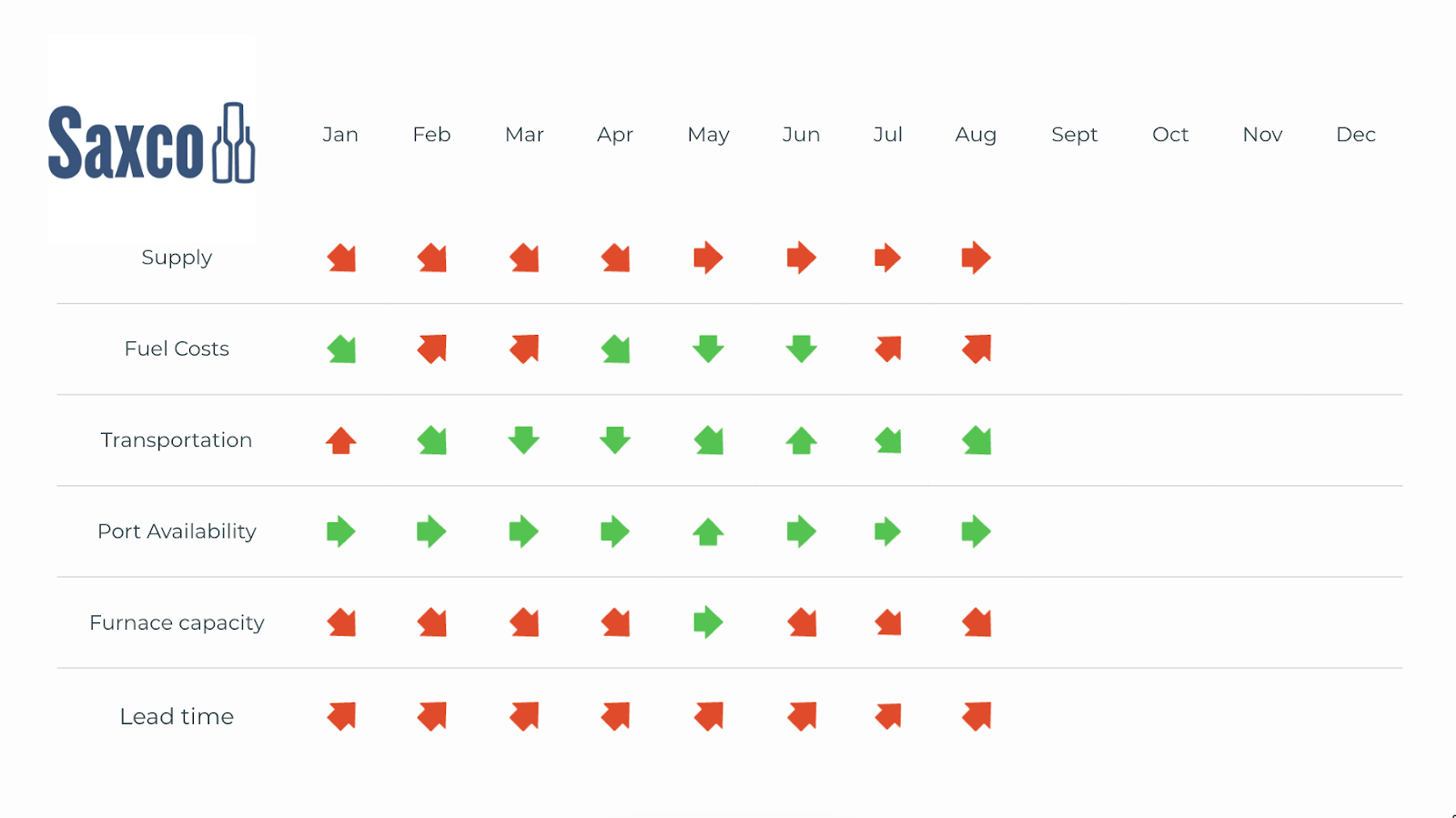
July's supply chain landscape feels deceptively calm, but the undercurrents are shifting. Fuel costs ticked upward again – $3.599 to $3.779 per gallon – putting quiet pressure on logistics, even as transportation costs eased with the surprising disappearance of peak season surcharges. That dip is a welcome but likely temporary reprieve. On the production side, capacity continues to tighten: OI’s Portland plant has officially closed, and two additional furnaces are scheduled to go offline, which continues to raise concerns about domestic supply heading into the back half of the year. Lead times have not budged from June’s elevated levels, but with fewer furnaces online, we are likely to see that stress compound by fall. Ports remain neutral, and overall supply feels steady – but for now, it is a still surface over increasingly strained infrastructure. Tariff watch: The rules are changing The new US tariff rates announced on July 31 mark a signifi
00

From Midnight Mocktails to Croatian Coasts: The Top Travel Trends Stealing Wine Country's Thunder As travelers eagerly plan their next getaways, the tourism landscape is shifting—fast. Driven by changing values, advancing tech, and global events, how we explore the world in 2025 looks very different than it did just a few years ago. From AI-crafted itineraries to wellness retreats designed around your sleep cycle, travel today is more curated, personal, and purpose-driven than ever. But while adventurers chase hot springs in Iceland and food tours in Tokyo, one classic destination is quietly slipping from the spotlight: wine country. Once a top choice for weekend getaways and special occasions, winery visits are on the decline. And for the wine industry, that’s more than just a hospitality hiccup—it’s a missed opportunity to turn curious sippers into lifelong fans. Understanding this season’s top travel trends isn’t just about keeping up. It&rsq
00
May 28, 2025
Millennials aren’t just a passing trend in the wine market; they’re the future. But if wineries want to capture this generation’s loyalty, they need to rethink how they show up. It’s not about chasing fads or gimmicks. It’s about removing friction, making wine more accessible, and delivering meaningful experiences. Accessibility matters Whether it’s clear labeling, pricing transparency, or digital presence, Millennials want to understand what they’re drinking without needing a sommelier on hand. They expect brands to meet them where they are — online, on mobile, and on their terms. Ease is expected From simplified purchasing options to user-friendly websites, anything that creates unnecessary complexity becomes a barrier. A seamless path from curiosity to checkout can be the difference between a sale and a lost customer. Experience is everything Millennials prioritize purpose and connection. They want to know the story behind the wine, en
00