
Filter Post Type
NewsVideoProductEventLink
Sort:
Most Recent
1–10 of 34
Why Wineries Need Influencer Marketing Now Here's a number that should reshape how you think about marketing: 69% of consumers trust influencer recommendations more than information coming directly from a brand That's not a slight edge. That's a fundamental shift in how people decide what to buy. For wineries, this matters more than it does for most industries. Wine is a considered purchase wrapped in uncertainty. Your potential customer is standing in a tasting room or scrolling through an online store, wondering: Will I like this? Is it worth the price? Am I making the right choice? Influencer content answers those questions in ways traditional marketing cannot. When a trusted voice says "I tried this Pinot and it's incredible with grilled salmon," that carries weight. It's a peer recommendation disguised as content. Instagram and TikTok now drive wine discovery among younger audiences, and 87% of Gen Z consumers say they're willing to buy products
00

Maintaining wine balance in a changing climate Climate change is reshaping the wine industry. In many wine regions, each year seems to set new records for the hottest or driest growing season, followed by the earliest harvest dates yet. Such accelerated ripening is disrupting grape physiology; phenolic and aromatic development fall out of sync, sugar levels soar, and acidity drops away (1). So how can we adapt and build a more resilient wine sector? The answer to this question is multifaceted. In the vineyards, grape growers are rethinking their management practices, adjusting canopy architecture, introducing shading or optimising irrigation (1,2). Some are reaching for higher altitudes or moving further from the equator in search of cooler conditions (1). Others are trialling alternative heat- and drought-tolerant varieties, from long-forgotten cultivars to newly bred plant material. In the cellars, winemakers may turn to pragmatic solutions such as dilution or blending strategi
00
December 2, 2025

HOW TO KEEP YOUR BRAND TOP OF MIND WHEN CUSTOMERS ARE DROWNING IN HOLIDAY EMAILS The inbox in December isn’t a communication tool—it’s a full-contact sport. Every brand, from the global megastore to the local dog bakery, is shouting their way into people’s attention span with flashing subject lines, endless exclamation points, and “40% OFF” hysteria that blurs into static. Consumers don’t read; they scan for relief. According to Mailjet’s 2024 BFCM report, holiday email volume jumps nearly 80% between Thanksgiving and Christmas, while average open rates drop to 13–15%—a statistical cry for help. But the real problem isn’t quantity—it’s tone. Every brand is talking at their audience instead of with them. The louder the messaging, the less people listen. Leading with prices and panic doesn’t inspire trust; it triggers fatigue. That’s your opportunity. The brands that win the inbox aren’t the
00
November 10, 2025
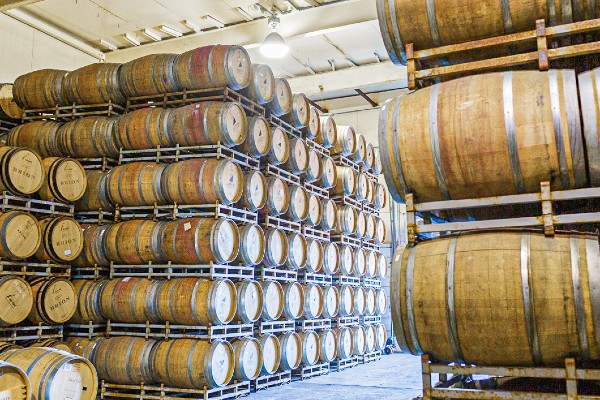
Sustainability in winemaking goes far beyond vineyards, irrigation, and lightweight glass. Increasingly, wineries are looking deeper into their production cycle—and discovering that one of the most impactful places to make change is in the cellar itself: the oak barrel. Each new wine barrel represents decades of forest growth. Most oaks used for cooperage take between 80 and 120 years to mature before they’re harvested, and each barrel requires multiple trees’ worth of wood. When those barrels are used only once or twice before being retired, the environmental cost is steep. Reusing or recoopering existing barrels extends the life of that oak, maximizing its carbon value and minimizing waste. This practice reduces demand for new trees, cuts down on shipping emissions associated with importing new oak, and prevents thousands of barrels from being discarded prematurely each year. In short, extending barrel life is one of the most practical forms of sustainability availa
00

September 4, 2025

Cellar Associate at Sci-Tek Staffing
00
September 2, 2025

Cellar Associate at Sci-Tek Staffing
00
August 28, 2025
Cellar Associate at Sci-Tek Staffing
00


Every winery hosts events. A release party, a tasting experience, a harvest dinner. They’re great for engagement, but not all events drive wine club growth. Then, there are signature events—the ones that members build their calendars around, the ones they wouldn’t dream of missing. One of our winery customers hosts an event so popular that thousands of wine club members travel from all over the country to attend. It’s not just another wine release party—it’s a destination experience. The result? A wine club that people don’t just join—they stay in, year after year, because they don’t want to miss out. Not every winery can host a festival-scale event, but the concept holds true at every level: a well-crafted, exclusive event can drive massive growth for your wine club. What Makes a Signature Event Different? Not all winery events move the needle on wine club growth. A signature event isn’t just another tasting or release party
00

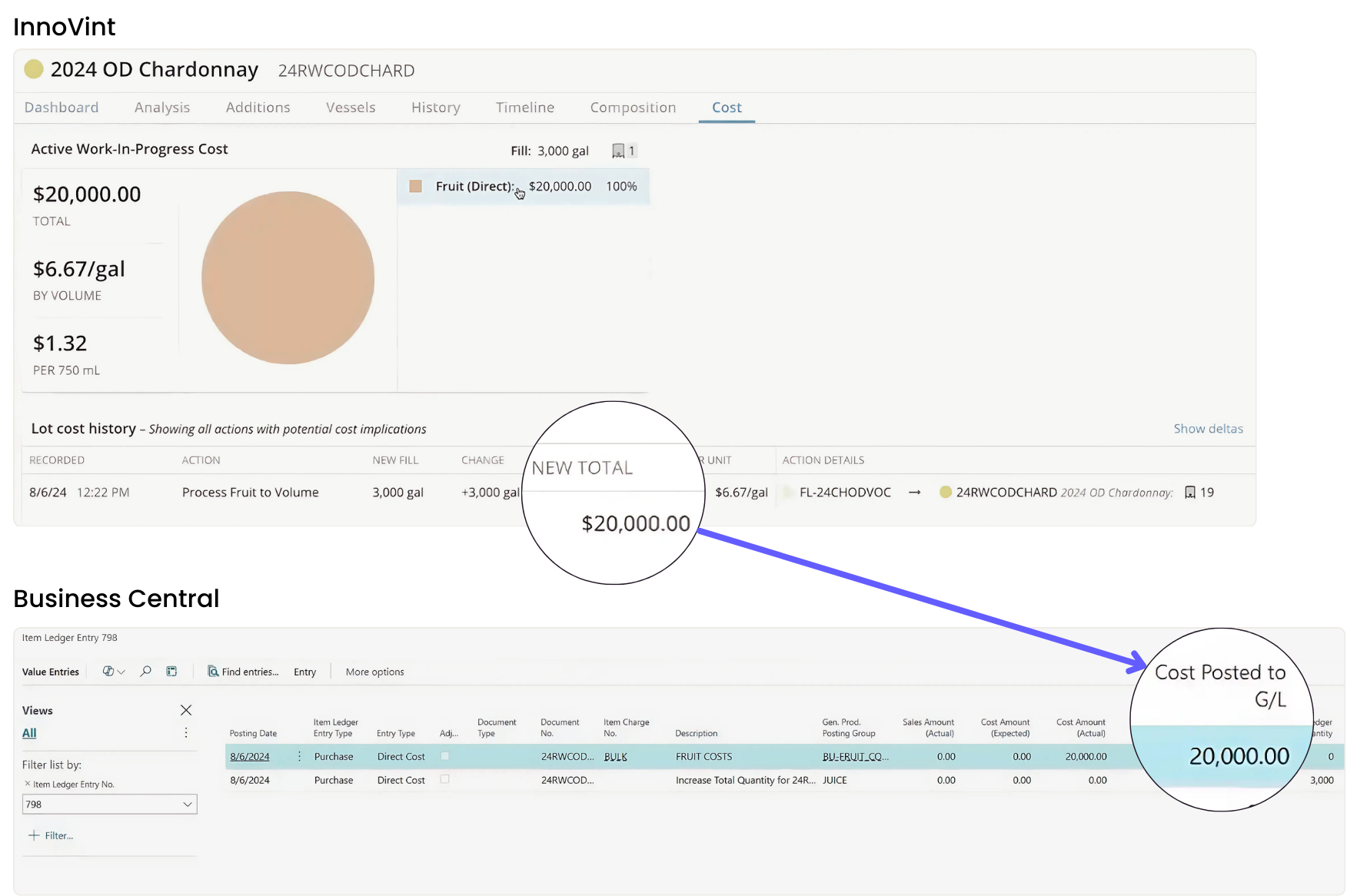
If you’re a winemaker, winery owner or executive, you know that crafting wine is anything but a straightforward manufacturing process. And small decisions can make and break profits. Winemaking isn’t a simple recipe; it’s an evolving blend of art, science, and constant hands-on adjustments. Every harvest, blend, and barrel is unique, meaning there’s no “one-size-fits-all” approach to production. That’s where traditional Enterprise Resource Planning (ERP) systems fall short. While they’re great for tracking your general ledger, automating order management, and tracking case goods inventory, they don’t understand the nuances of wine production. In this article, we’ll get into why ERPs just aren’t a good fit for the cellar—and why integrating purpose-built winery solutions can make all the difference. Where ERPs Miss the Mark for Wineries No Vineyard Tracking or Insights Winemaking starts in the vineyard, but most ERP
00
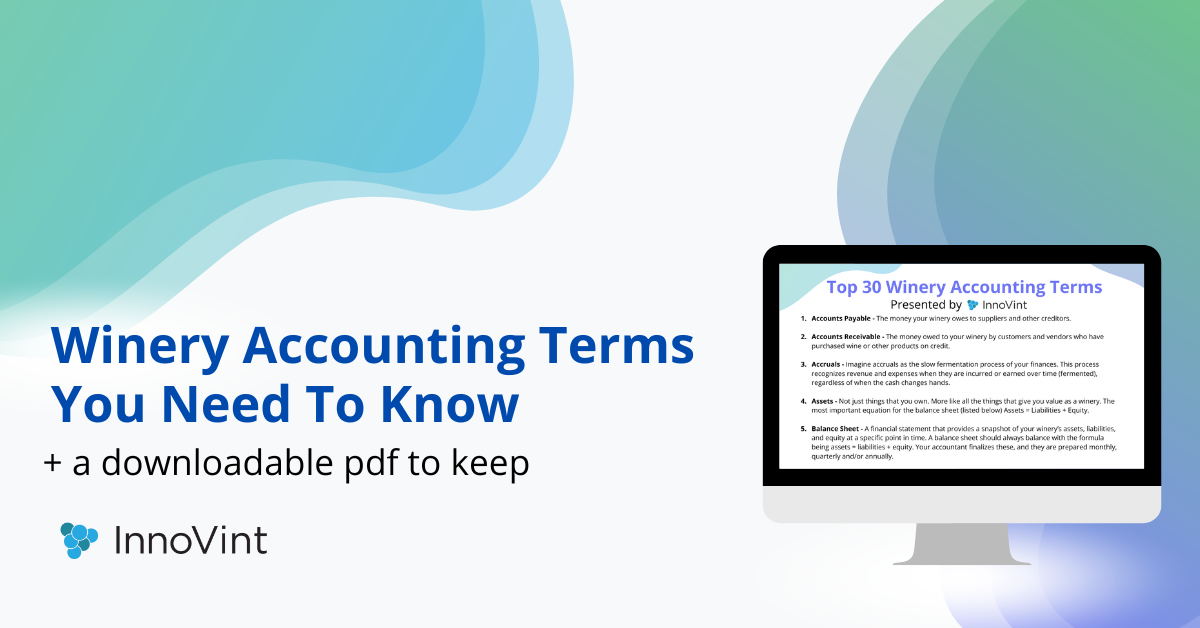
We’ve all been there, lost in a conversation about COGS and EBITDA and hoping no one asks you to explain what they mean let alone what the acronym stands for. Being well-versed financially is an important skill set for winemakers and business owners to make informed decisions and manage their businesses more effectively. Check out the top 30 finance terms below or download this handy PDF to keep by your desk. Accounts Payable – The money your winery owes to suppliers and other creditors. Accounts Receivable – The money owed to your winery by customers and vendors who have purchased wine or other products on credit. Accruals – Imagine accruals as the slow fermentation process of your finances. This process recognizes revenue and expenses when they are incurred or earned over time (fermented), regardless of when the cash changes hands. (I hope that made it better, not worse) Assets – Not just things that you own. More like all the things that
00