
Filter Post Type
NewsVideoProductEventLink
Sort:
Most Recent
1–3 of 3

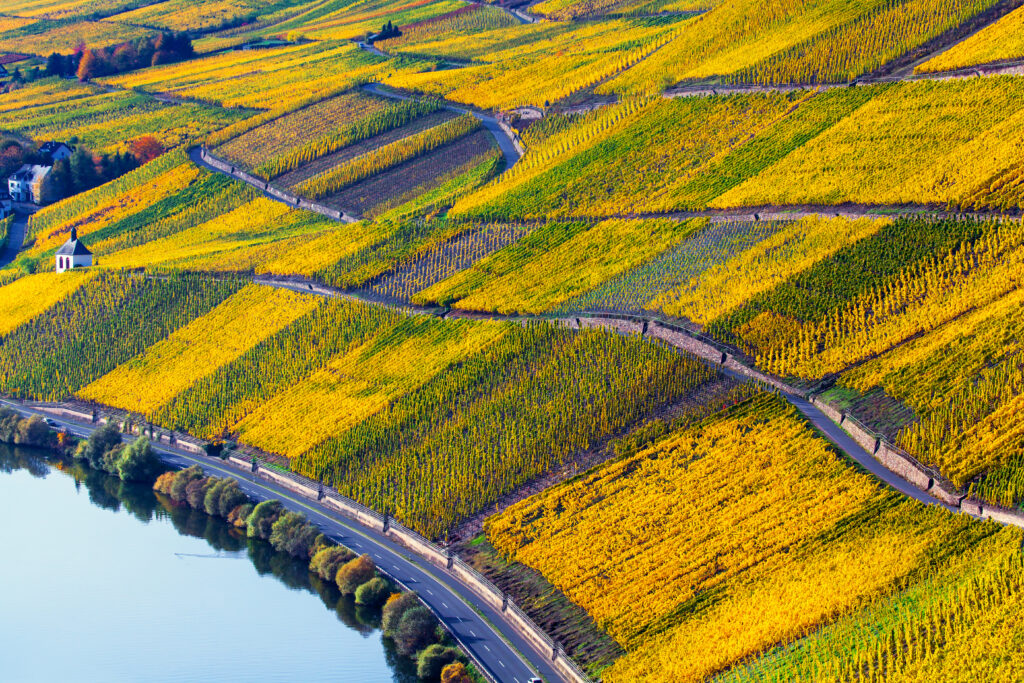
The conversations I have about quality tend to focus on red wine. This is especially true in California, where Napa Cabs have historically garnered high prices, followed up by Coastal Pinot noirs and red Rhones. Honestly, in most places I’ve been where the climate allows for ripening red grapes, the reds are the main event with the whites being more of a warm-up act or even an afterthought. As a result, we know a lot about how to grow red grapes for quality – and less about how to grow whites. Consumer tastes are shifting though, and the big reds of yore are taking a back seat. Drinkers want lower alcohol wines with a lighter style and wineries are taking fewer risks with wine they can turn around in under a year. As a result, white varieties are in hot demand. If you’re a grower who can’t sell your grapes, you may very well be considering grafting some of your reds over to white. So how do you grow a good white? In many ways whites are harder than their r
00

August 10, 2023

Afternoon Brief, August 10th
Santa Barbara Commandeers and Destroys Illegally Submerged Wine Bottles; Perpetrators Accept Plea Deal: Santa Barbara County District Attorney's Office announced Wednesday that, in accordance with a plea agreement, it destroyed 2,000 bottles of wine and other alcohol illegally possessed for sale in connection with an illegal underwater wine aging and sale operation...
AXR wineryLibDibVintage Wine EstatesSouthern Glazer's Wine & SpiritsSevenfiftyLe Colline VineyardNapa Valley GrapegrowersNapa Valley Farmworker FoundationAZ Hops and VinesWine For MeDRINKSCastel wine groupProWeinNapa Valley Wine AcademyVintner’s DiaryNoël BurgessSagemoor VineyardsRack & RiddleHighway 29 CreativeGnarly Head WinesCastello di Amorosa wineryXanaduNapa Valley Vintners
00

April 28, 2023
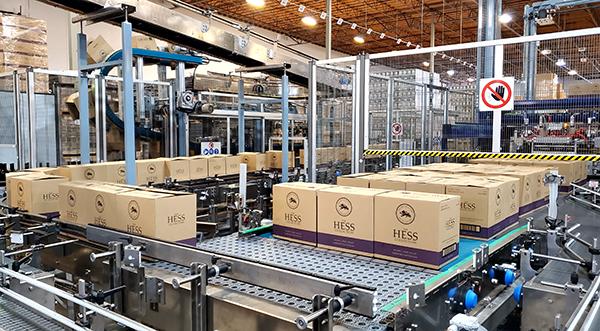
With the impact of the COVID-19 pandemic receding, wineries are increasingly upgrading and modernizing equipment for the vineyard, winemaking, and packaging to optimize and automate more manual processes. Machinery like depalletizers is gaining traction because they play a crucial role in automating the handling of bulk glass. Bulk glass lowers costs and the winery’s carbon footprint by eliminating third-party charges for packing glass into cases before delivery. It reduces the number of trucks (and thus CO2 emitted) by 35 percent or more. Mimi Storts, Senior Director of Planning and Operations at Hess Persson Estates, recently upgraded the Hess Collection bottling line. She explains, “At Hess Collection, we had only one bottling line, and it was nearing its end of life. Quality is number one, so we wanted the new bottling line to maintain that quality and retain our internal quality oversight.” Storts also needed two capabilities the old line didn’t have: to h
00